Il sentiero b&b
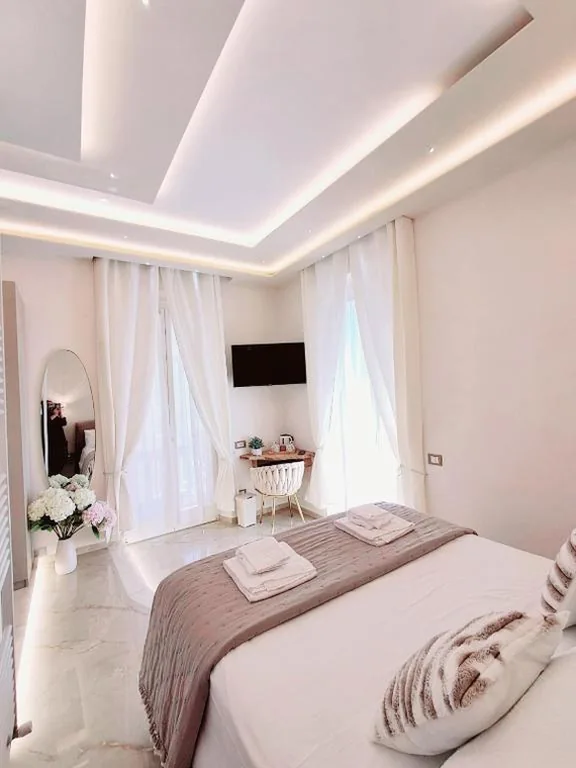
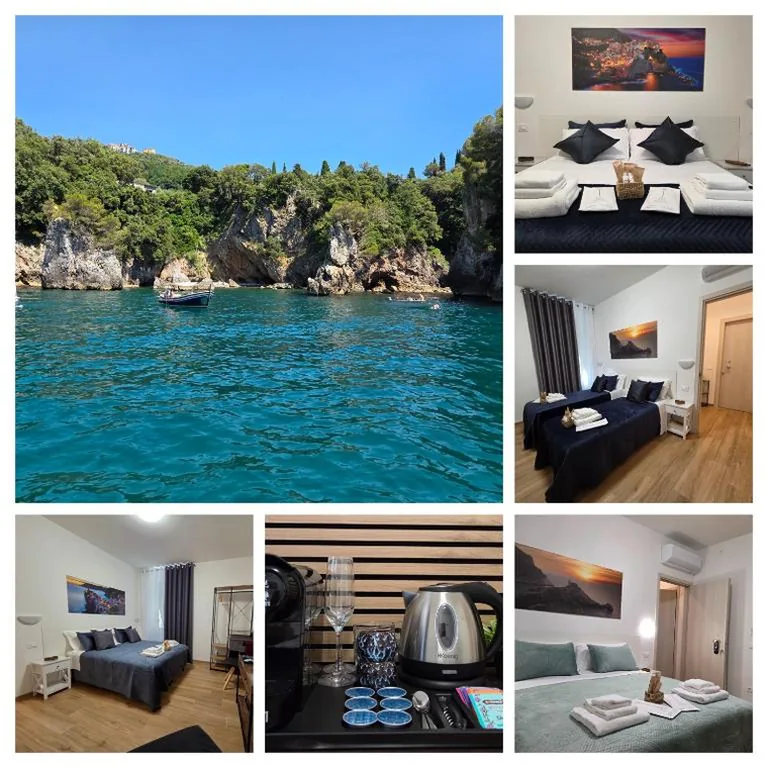
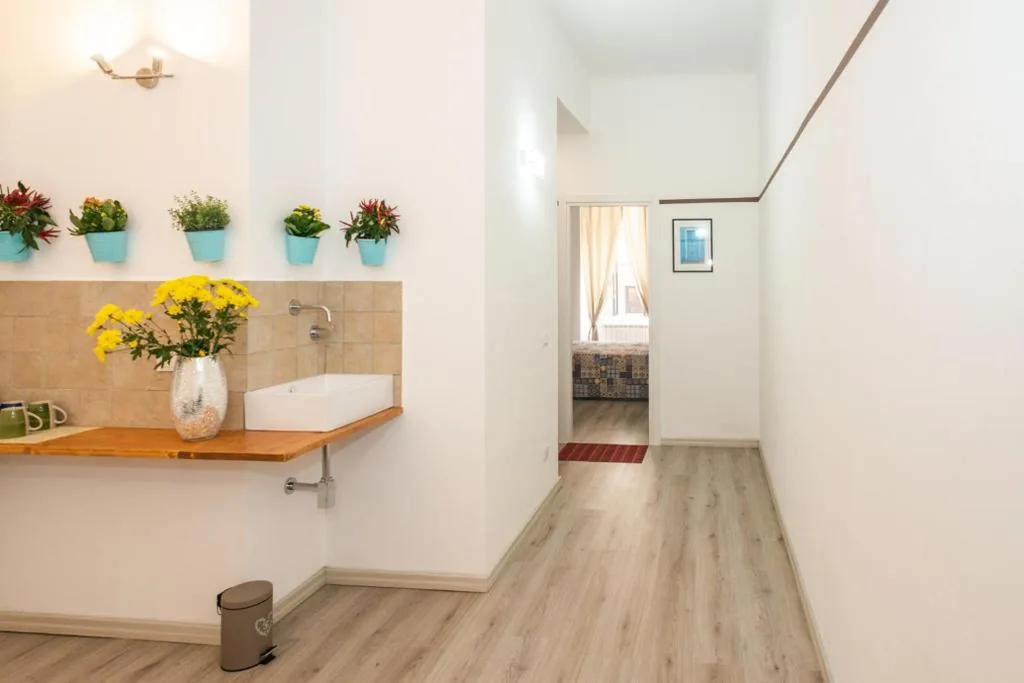
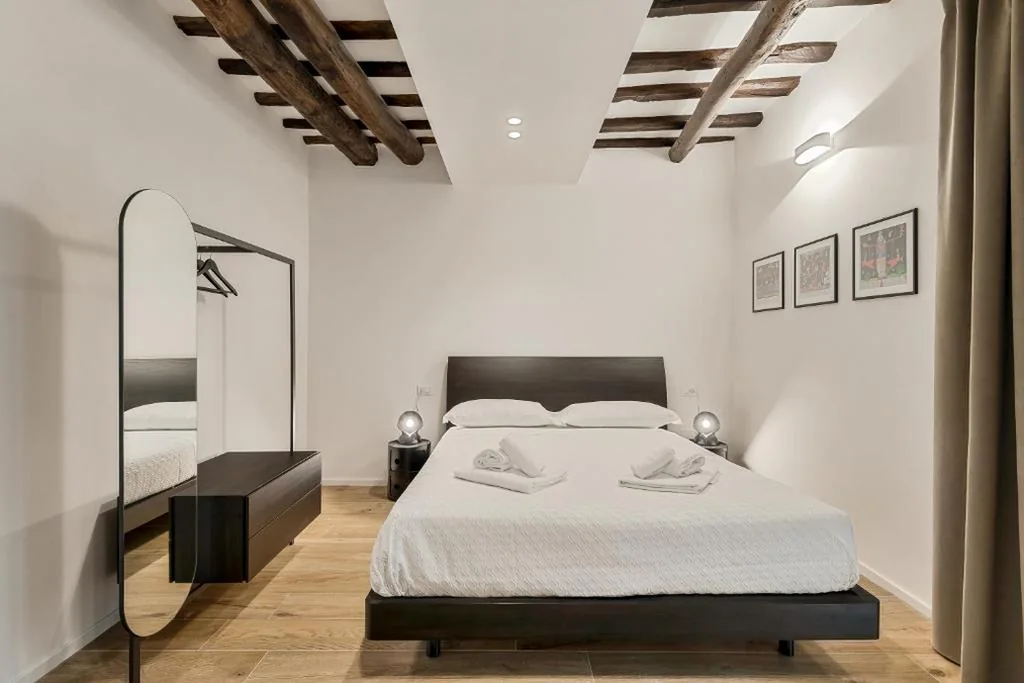
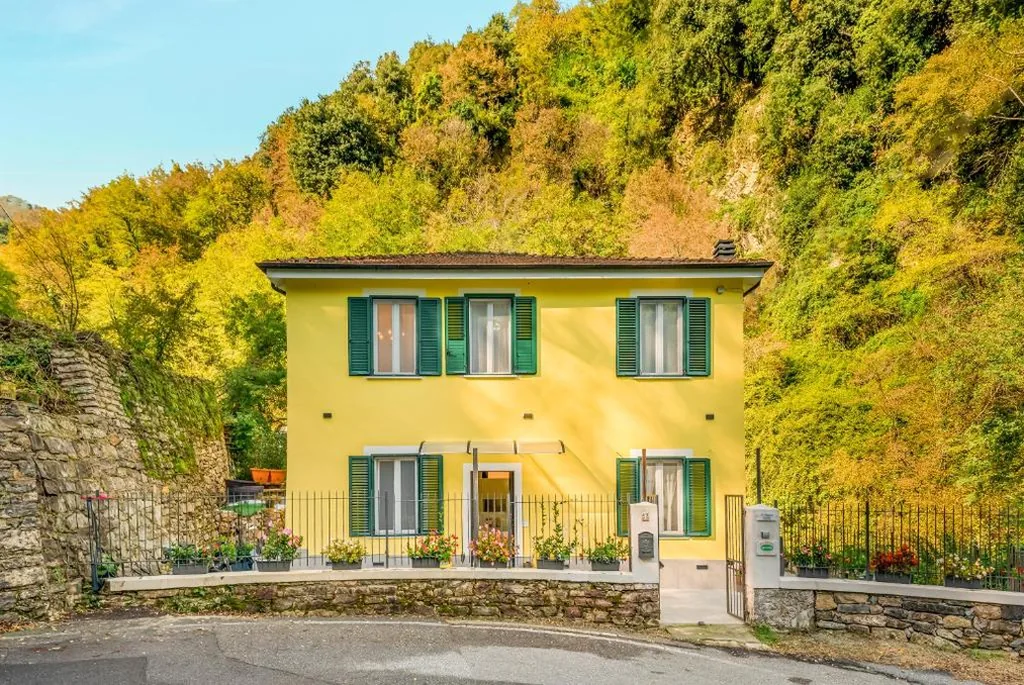
A bed and breakfast in La Spezia with garden, terrace and seasonal outdoor pool, with hill views and the Cinque Terre National Park just a short distance away.
Hotels in
404 properties found
La Spezia is the gateway to the Cinque Terre and the centre of the Gulf of Poets, the bay running from Portovenere to Lerici. A city of sea and shipyards, with its great nineteenth-century arsenal and one of Italy's most important naval museums, it offers rail links and boats along the whole coast: for many it is the most practical base for exploring eastern Liguria.
404 properties found
A bed and breakfast in La Spezia with garden, terrace and seasonal outdoor pool, with hill views and the Cinque Terre National Park just a short distance away.

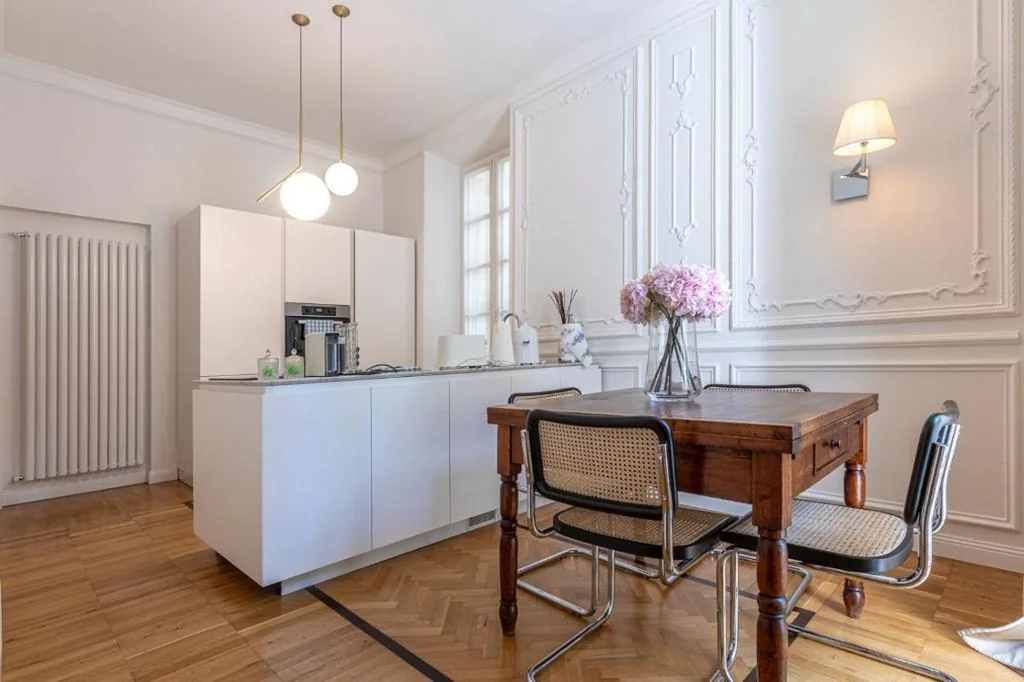
Guest house in the heart of La Spezia, a short walk from the port and the central train station, with air-conditioned rooms and panoramic terraces overlooking the city.
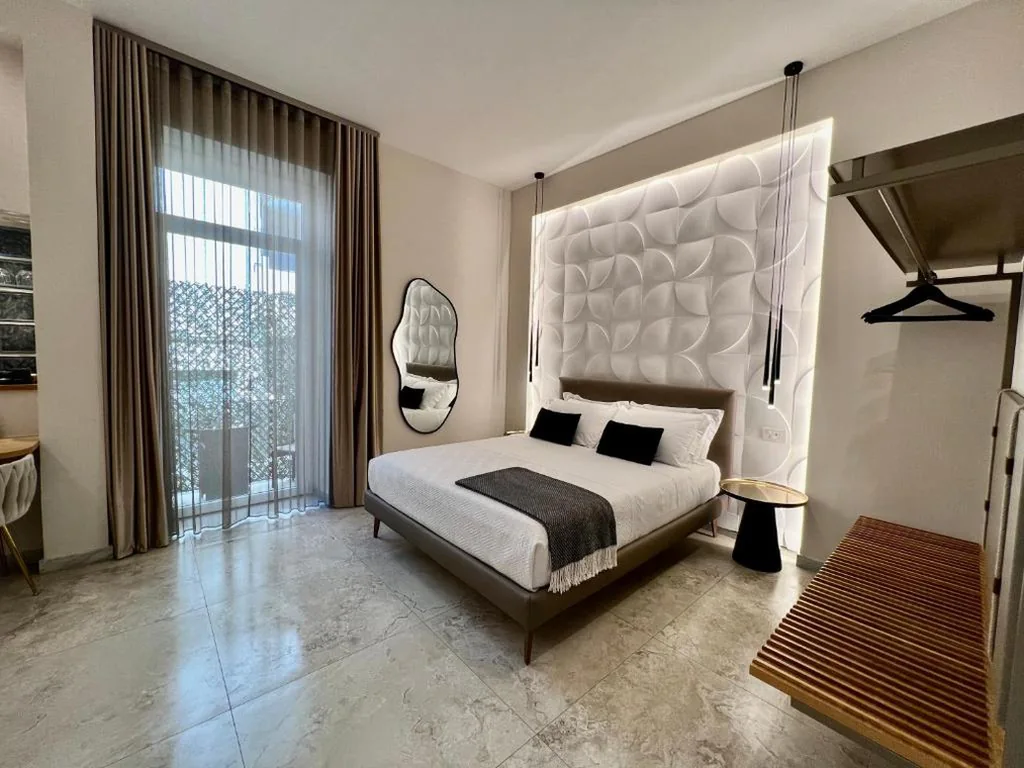
Cozy guest house in the heart of La Spezia, with a terrace, air-conditioned and soundproofed rooms just steps from the station and the historic center.
Non-smoking guest house in the historic centre of La Spezia, just steps from the train station and San Giorgio Castle, with free parking and air-conditioned rooms.
Guest house in the historic centre of La Spezia, just steps from Castello San Giorgio, with air-conditioned rooms and free WiFi throughout the property.
Holiday home in the historic centre of La Spezia with panoramic terrace, full kitchen and two bedrooms, just steps from Castello San Giorgio.
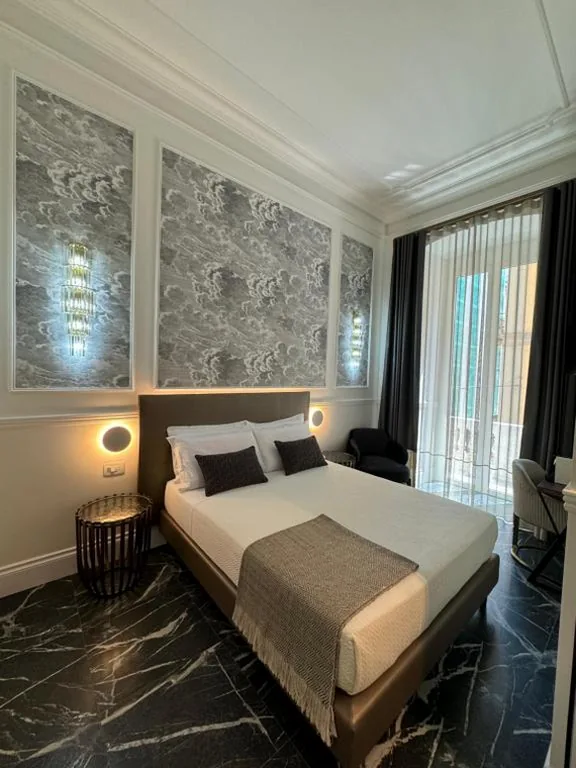
Elegant guest house in the historic centre of La Spezia, a few steps from the Amedeo Lia museum and the railway station, with air-conditioned and soundproofed rooms.
Adults-only guest house in the historic centre of La Spezia, just steps from the port, with air-conditioned rooms and free WiFi throughout the property.
Guest house in the historic centre of La Spezia, steps from the station and the monuments, with air-conditioned, soundproofed rooms ideal for couples.
La Spezia lies at the head of the gulf that bears its name, also known as the Gulf of Poets after the writers who frequented its shores in the nineteenth century. It is Liguria’s second most populous town after Genoa and stretches along a narrow band between sea and hills, with a commercial port among the largest in the Mediterranean for container traffic and cruise calls.
The modern shape of the city dates from the nineteenth century and the building of the military arsenal, which changed both its size and its vocation. Beside its entrance stands the Naval Technical Museum, holding models, instruments and relics of Italian seafaring. The earth dug out for the docks was tipped into the sea in front of the old town, creating the ground on which the gardens and the Morin promenade — today the seafront — were later laid out. Among the museums, the Amedeo Lia collection stands out, while the castle of San Giorgio houses the archaeological museum.
The gulf is divided among thirteen seafaring villages, from the settlements on the western shore to San Terenzo, Lerici and Tellaro on the eastern side. On the first Sunday of August they compete in the Palio del Golfo, a rowing race that is the most keenly felt event of the year. At the opposite end, Portovenere closes the gulf with its brightly painted houses and the islands of Palmaria, Tino and Tinetto, which together with the Cinque Terre form the UNESCO site inscribed in 1997. The whole area is covered in our guide to the Gulf of Poets.
La Spezia station is served by every train on the Tyrrhenian line and is the terminus of the local service that reaches the five villages of the Cinque Terre in minutes. Boats for Portovenere, Lerici and the coast also leave from the quay. Staying here generally costs less than in the villages, where supply is limited and summer demand very high, and it allows you to move around without a car. The trade-off suits anyone staying several days.
The province is not only coastline. Behind the city open the Val di Vara, known for organic farming and stone villages, and the Val di Magra, running down towards the Tuscan border among castles and parish churches. On the eastern edge lie the excavations of Luni, the Roman colony that gave its name to the Lunigiana. These are areas almost ignored by coastal tourism, with small properties and prices far from those of the seaside villages.
May, June and September offer the best conditions: swimmable sea, walkable trails and fewer visitors than in July and August, when the Cinque Terre reach their peak. In winter the city stays lively and the museums open, while some boat services are reduced. Northwards the coast continues into the Tigullio with Sestri Levante; for connections there is our guide on how to get to Liguria and an overview in where to stay in Liguria.