La Foresteria dei Baldi
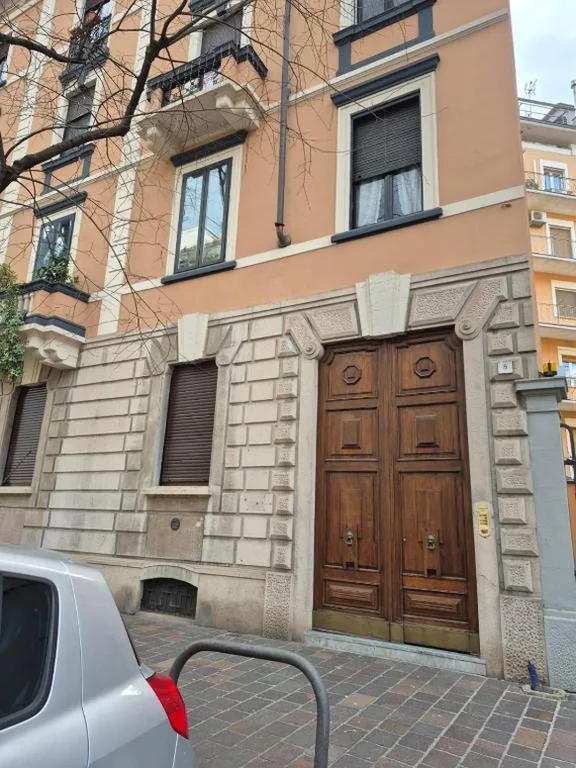
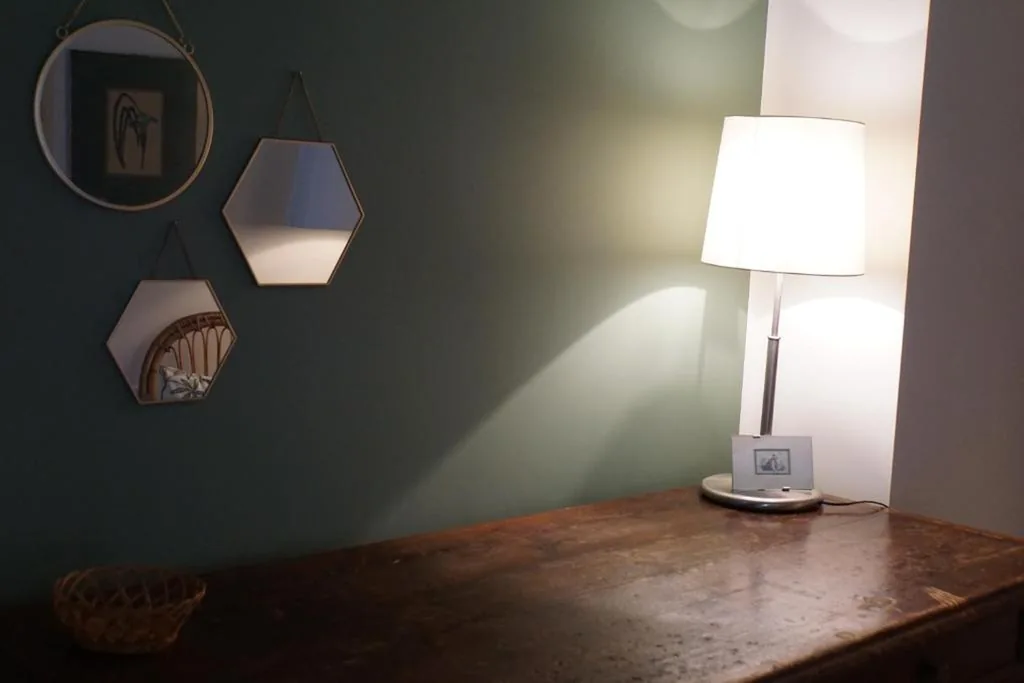
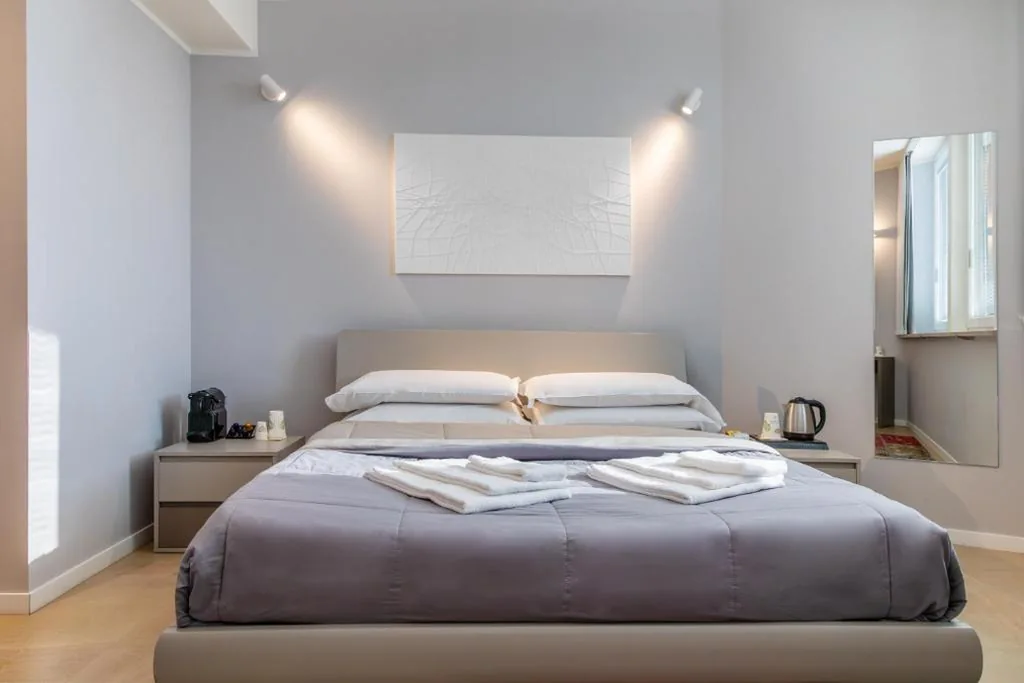
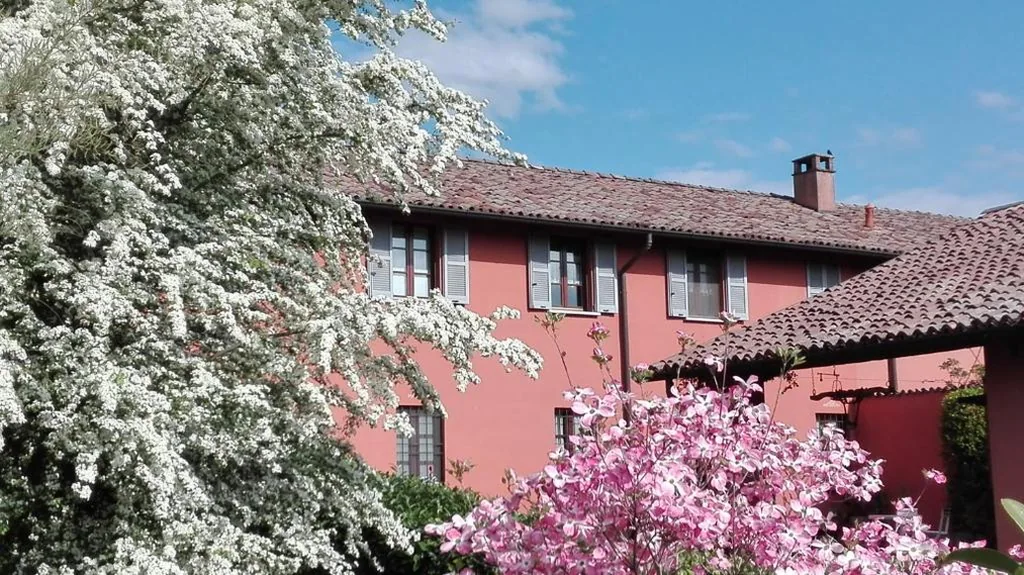
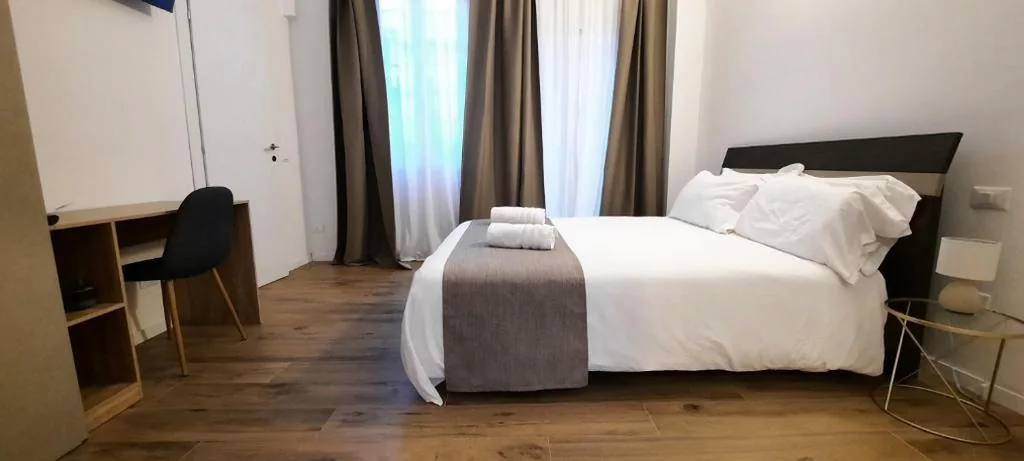
A cozy guest house in Pavia, with a garden, hot tub and air-conditioned rooms, praised by guests for its quiet location and exceptionally high scores.
Hotels in
20 properties found
Pavia was capital of the Lombard kingdom for two centuries and then of the Kingdom of Italy: in the basilica of San Michele Maggiore the kings of Italy were crowned, Frederick Barbarossa among them. It holds one of Italy's oldest universities, active since 1361, and a few kilometres away the Charterhouse, a masterpiece of the Lombard Renaissance.
20 properties found
A cozy guest house in Pavia, with a garden, hot tub and air-conditioned rooms, praised by guests for its quiet location and exceptionally high scores.
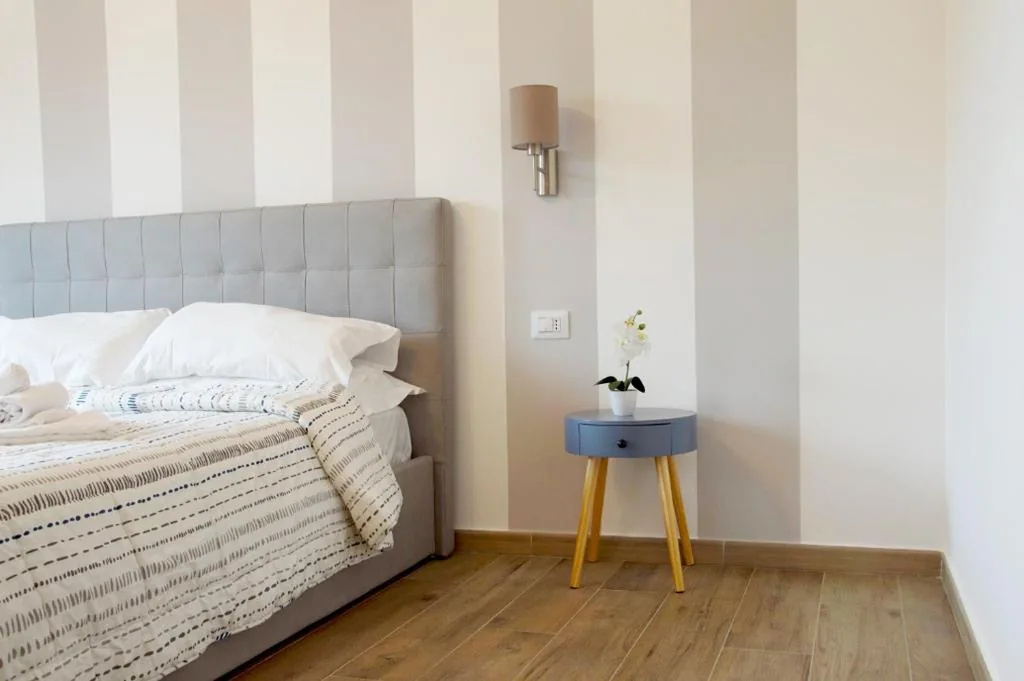
Elegant guest house in the historic centre of Pavia, just steps from the train station and the main monuments, with air-conditioned rooms and independent entrances for private stays.
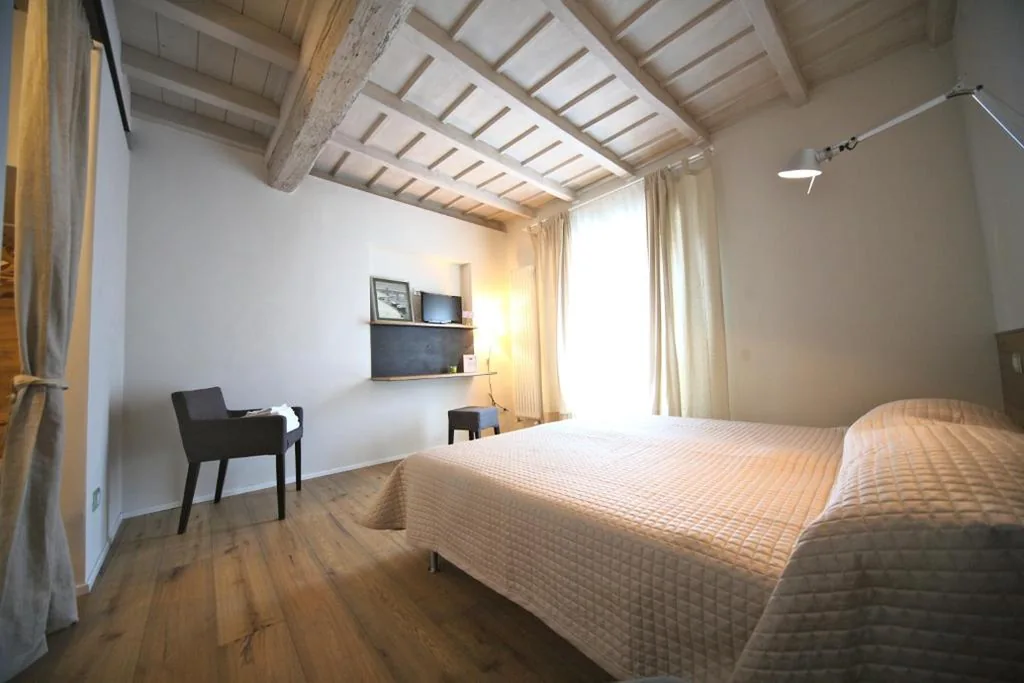
Bed & breakfast in the historic centre of Pavia, with air-conditioned accommodations featuring a private kitchen, city views and just steps from the main monuments.
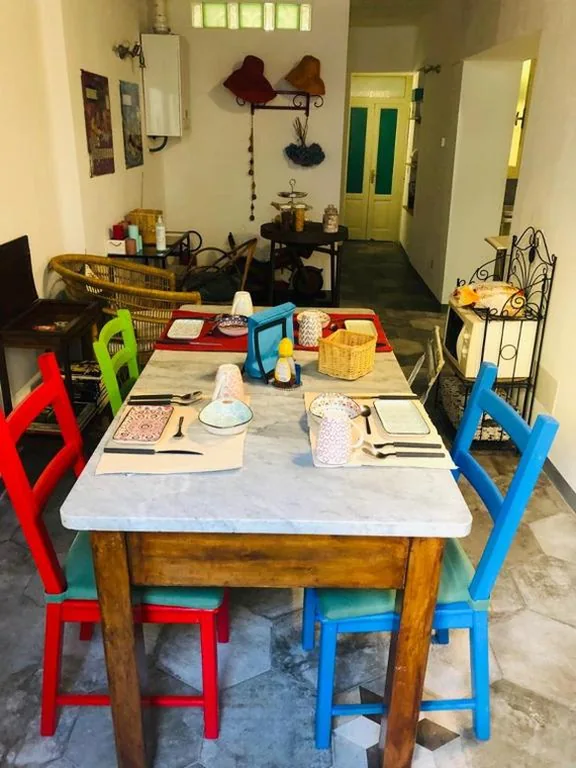
A refined bed & breakfast in the heart of Pavia, just steps from the railway station, with air-conditioned rooms and private bathroom, perfect for short stays and cultural visits to the city.
Bed and breakfast in the historic centre of Pavia, with balconied rooms, city views and air conditioning, just steps from historic churches and colleges.
A family-run guest house in the historic heart of Pavia, just steps from the Cathedral, with Italian breakfast, free WiFi and tastefully furnished air-conditioned rooms.
Cozy guest house in the heart of Pavia, just steps from the train station, with air-conditioned rooms, express check-in and free on-street parking.
Guest house in the historic center of Pavia, with air-conditioned rooms featuring a private terrace, en-suite bathroom and free parking for guests arriving by car.
A period bed & breakfast in the heart of Pavia, with vintage furniture, private terraces and suites with whirlpool tub just steps from the Visconti Castle.
Founded by the Gauls and later a Roman municipium under the name Ticinum, Pavia owes its importance to its position on the Ticino, just upstream of the confluence with the Po and along the route of the Via Francigena. In 572 it was taken by the Lombards, who renamed it Papia and made it the capital of their kingdom until 774; under the Carolingians it became capital of the Kingdom of Italy, seat of the royal palace, the supreme court and the mint.
The nickname recalls the noble towers that crowded the medieval centre, of which only a few survive. The basilica of San Michele Maggiore, founded in the seventh century and rebuilt between the eleventh and twelfth after a fire, was where the kings of Italy were crowned: a mosaic on the floor of the nave marks the exact spot of the ceremonies, among them that of Frederick Barbarossa. San Pietro in Ciel d’Oro holds instead the tombs of Saint Augustine and the philosopher Boethius. The centre still shows the crossing of the Roman cardo and decumanus, today Corso Strada Nuova and Corso Cavour, meeting in Piazza della Vittoria.
Galeazzo II Visconti had the Visconti Castle built in 1360, a square fortified citadel with corner towers, today home to the civic museums and the Malaspina picture gallery. Around it stretched a hunting park reaching as far as the Certosa di Pavia, eight kilometres away: the monastery, a masterpiece of the Lombard Renaissance, holds the tomb of Gian Galeazzo Visconti — whose heart, by his own wish, rests instead in San Michele. Across the Ticino runs the Ponte Coperto, rebuilt in 1949 after war damage on the model of the medieval original.
The historic centre is compact and quickly crossed on foot; accommodation is limited and largely tied to university life, which makes booking ahead worthwhile during exam and graduation periods. Milan is thirty-five kilometres away and reached in a little over half an hour by train, making Pavia a possible cheaper alternative for anyone visiting the city. To the south opens the Oltrepò Pavese, Pinot Noir country dotted with hill villages. For more there is our guide on where to stay in Pavia; a regional overview is in where to stay in Lombardy.