Hotels in region

Friuli-Venezia Giulia

1.043 properties found

Friuli-Venezia Giulia packs five UNESCO sites, the Alps and a hundred and forty kilometres of coast into a small space. It is a border region where four languages coexist, with Habsburg Trieste facing the sea, the vineyards of the Collio, the lagoons of Grado and Marano and the mountains of Carnia.

1.043 properties found

Holiday homes
10
Pulfero · Friuli Venezia Giulia

Pikes

Holiday home surrounded by greenery in Pulfero, with sauna, hot tub, garden and views of the mountains of the Natisone Valleys.
Holiday homes
10
San Vito al Tagliamento · Friuli Venezia Giulia

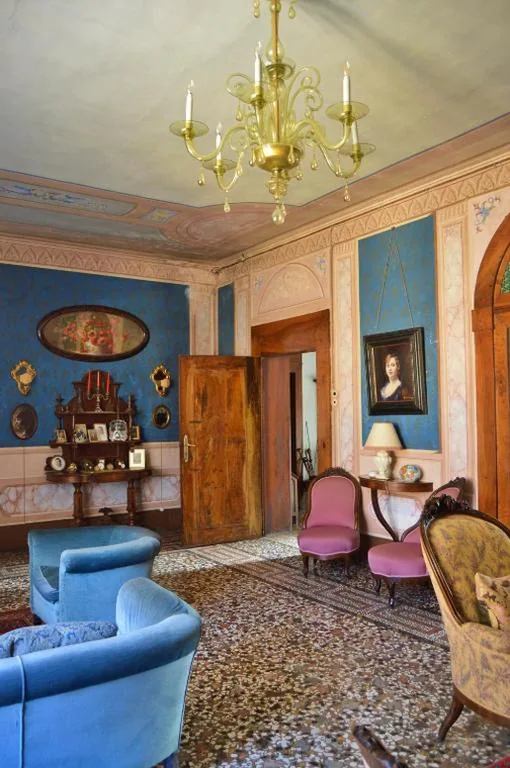
Palazzetto Scodellari

Holiday home set in a historic 1798 building in the heart of San Vito al Tagliamento, with garden, balcony and private kitchen: perfect for couples and short stays in Friuli.

Bed and Breakfast
9.9
Fagagna · Friuli Venezia Giulia

Il Fienile

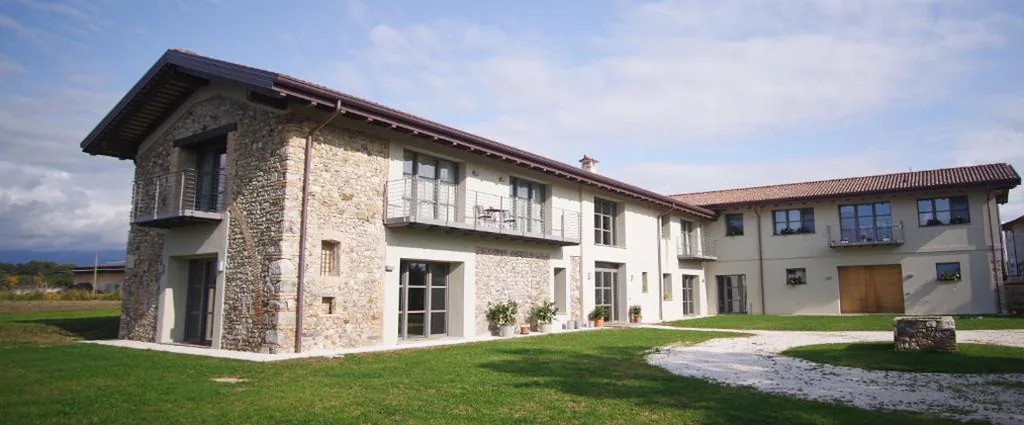
A bed and breakfast surrounded by greenery in Fagagna, with garden, terrace and views of the Friulian mountains, ideal for a quiet, informal stay.

Holiday homes
9.9
Dolegnano · Friuli Venezia Giulia

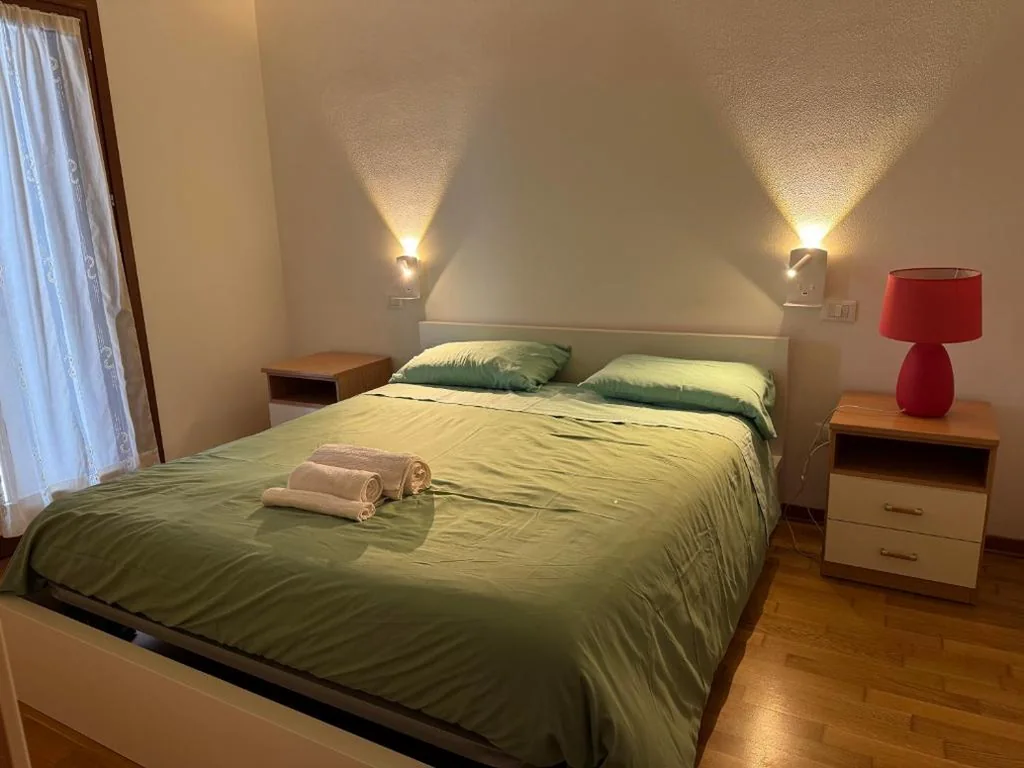
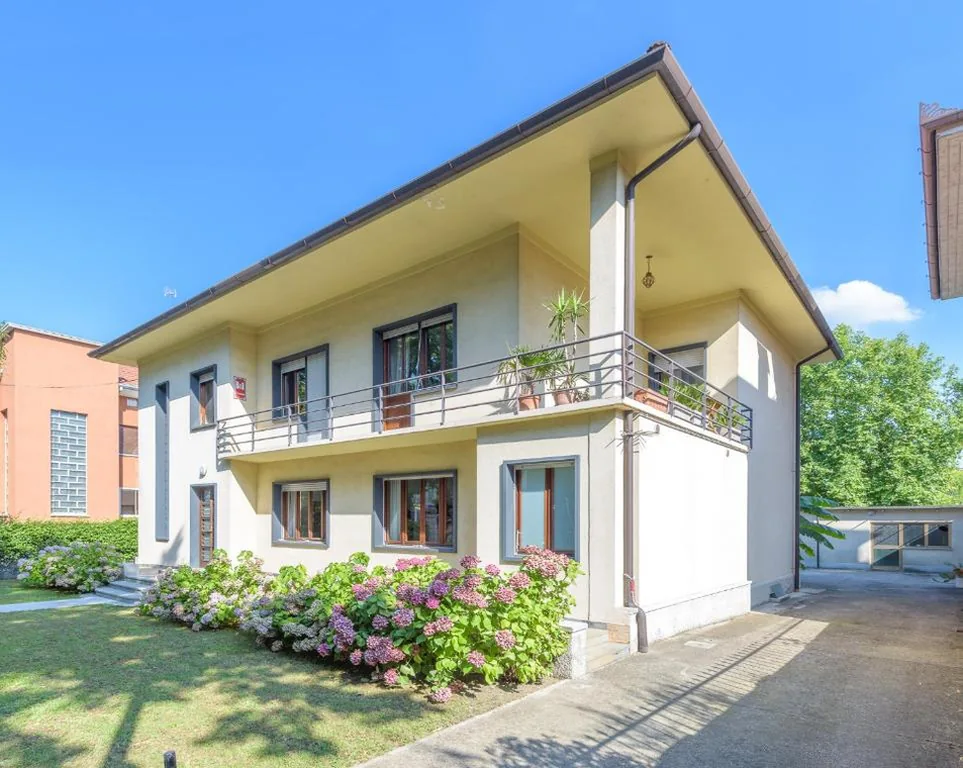
Casa del Sole

Independent holiday home in Dolegnano, in Friuli, with terrace, balcony and air conditioning, ideal for those seeking tranquility between the Collio and the Friulian plain.

Guest House
9.9
Muggia · Friuli Venezia Giulia

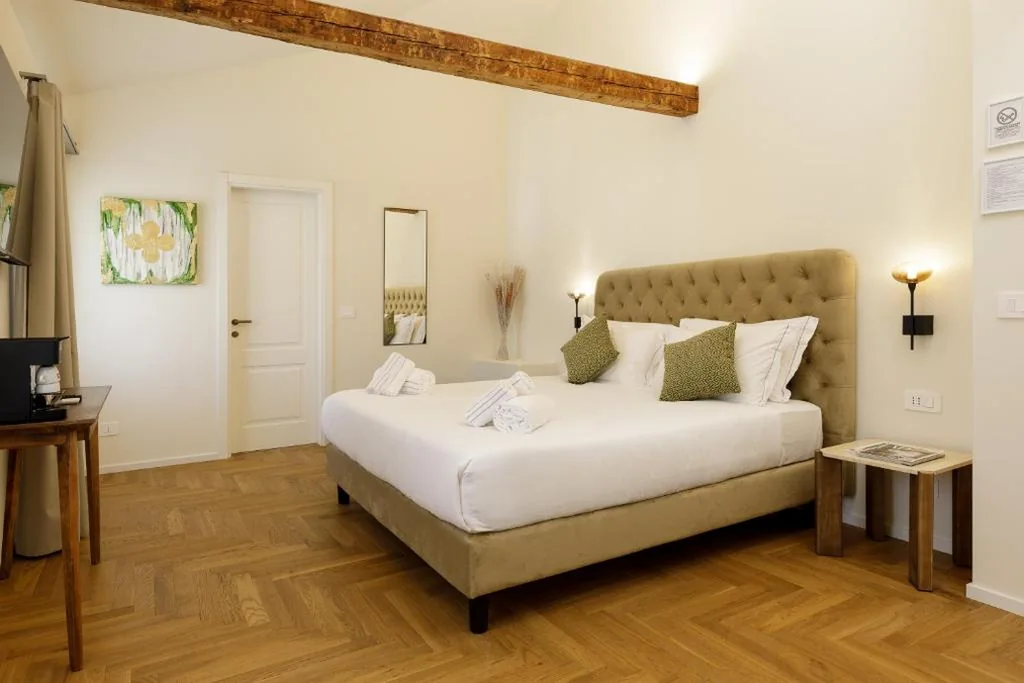
Neris Boutique Rooms

Boutique guest house in Muggia, just steps from the harbour, with air-conditioned rooms, private bathroom and city or sea views, ideal for those seeking a peaceful stay by the sea.

Bed and Breakfast
9.9
Udine · Friuli Venezia Giulia

Scenarium

Bed and breakfast in the centre of Udine, with air-conditioned rooms, garden and buffet breakfast, appreciated by couples for its location and attention to detail.

Bed and Breakfast
9.9
Orgnese · Friuli Venezia Giulia

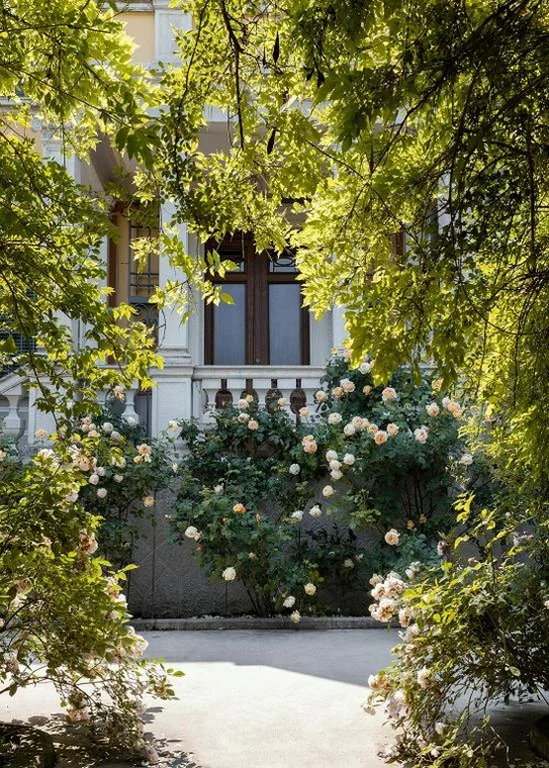
Villa Maraldo 1927

Bed and breakfast in Orgnese, in Friuli Venezia Giulia, with a private pool for exclusive use in every room, garden and terrace, amid the hills of Pordenone.

Bed and Breakfast
9.9
Faedis · Friuli Venezia Giulia

Corte dei Molini

Rural bed and breakfast in Faedis, among the hills of Friuli Venezia Giulia, with garden, private terraces and Italian breakfast for couples' stays.

Where to stay in Friuli-Venezia Giulia

Few Italian regions change so much in so little space: from the peaks of the Julian and Carnic Alps you descend to the plain and then to the lagoons in under a hundred kilometres. It has always been a land of passage and frontier — between the Latin, Germanic and Slavic worlds — and this shows in the languages spoken here: Italian, Friulian, Slovene and German coexist depending on the valley or village. The heritage that resulted is recognised by five UNESCO sites, a remarkable number for a region of this size, spanning the whole arc of European history: from the Bronze Age to imperial Rome, from the Lombards to the Venetian Republic.

Roman and Lombard heritage

Aquileia, inscribed in 1998, was one of the most important cities of the Roman empire and the main centre from which Christianity spread towards central and eastern Europe: the patriarchal basilica preserves an early Christian mosaic floor among the largest in the Christian world, uncovered beneath the medieval paving. At Cividale del Friuli, founded by Julius Caesar, the Lombards established in 568 their first duchy in Italy; the Tempietto Longobardo and the episcopal complex have been World Heritage since 2011. The same year saw the listing of the Palù di Livenza pile-dwelling site.

Palmanova and the Friulian Dolomites

In 1593 the Republic of Venice built Palmanova, a fortress town on a nine-pointed star plan, designed from scratch to defend the eastern frontier: since 2017 it has formed part of the UNESCO site of Venetian defence works. At the opposite end of the region, the Friulian Dolomites, inscribed in 2009 with the rest of the Dolomites, are among the least developed mountain areas of the Alps.

The sea and the lagoons

The coast alternates serviced beaches with lagoon landscapes. Lignano Sabbiadoro is the region’s main seaside destination, with a sandy shore and a pine wood separating it from the Marano lagoon; Grado keeps its old town on an island and a past reaching back to late antiquity, when it served as the port of Aquileia. The lagoons between the two hold one of the most important wetlands of the upper Adriatic.

The cities

Trieste was the port of the Habsburg empire and still shows it: neoclassical palaces, historic cafés and a square opening straight onto the sea. Udine, the historic capital of Friuli, holds Tiepolo’s early frescoes; Pordenone has an arcaded main street of frescoed houses; Gorizia, split by the Slovenian border, opens onto the hills of the Collio, one of Italy’s most respected white wine areas.

The mountains

Carnia occupies the north-western sector with its valleys, mountain dairies and villages that keep traditions of their own. Further east, Tarvisio sits where three borders meet — Italy, Austria and Slovenia — with the Tarvisio forest, among Italy’s largest, and the Fusine lakes below Mount Mangart.

The table

The cooking reflects the same layering as the history: San Daniele raw ham, the mountain cheeses of Carnia, frico made from cheese and potatoes, the gubana of the Natisone valleys. On the wine side, the Collio and the Colli Orientali produce whites reckoned among Italy’s finest — Friulano, Ribolla Gialla, Picolit — while along the coast native varieties such as Refosco are grown.

Getting around and when to go

The region can be crossed end to end in a little over two hours, and the short distances make it possible to combine sea and mountains in the same stay. Summer concentrates demand on the coast, while spring and autumn suit the cities, the archaeological sites and the wine hills best. Details on connections in how to get to Friuli-Venezia Giulia, and a full overview in where to stay in Friuli-Venezia Giulia.