Hotels in

Milano

917 properties found

Milan grew in concentric rings around the Duomo, and it still reads that way: the historic centre, then Brera and the Navigli, then the districts transformed over the past twenty years such as Isola and Porta Nuova. Choosing the area matters more here than elsewhere, because it changes both the price and the kind of city you experience, and the metro makes staying outside the centre practical.

917 properties found

Bed and Breakfast
10
Milano · Lombardy

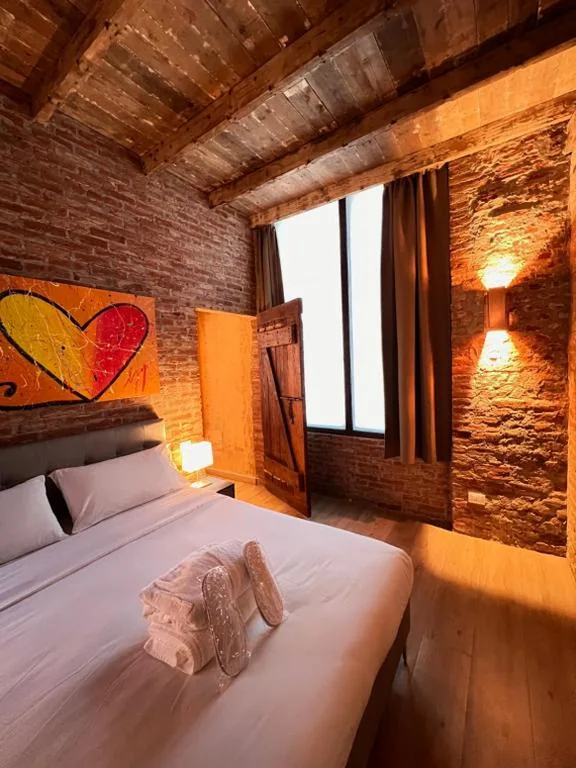
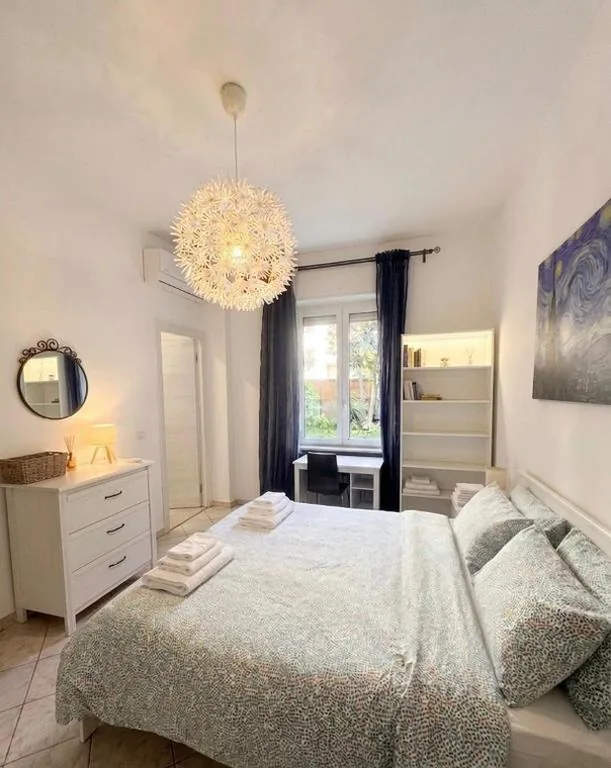
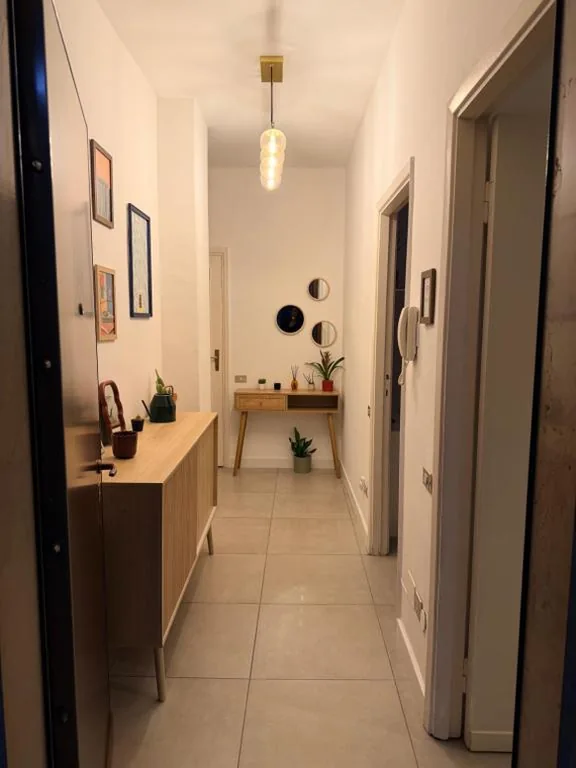
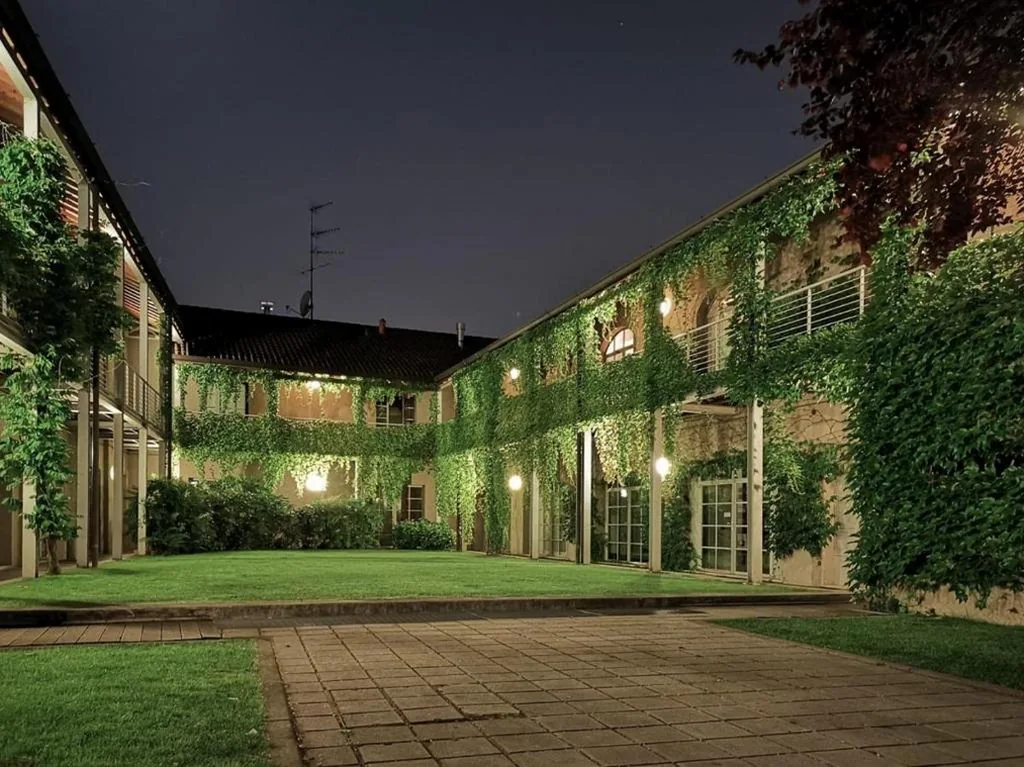
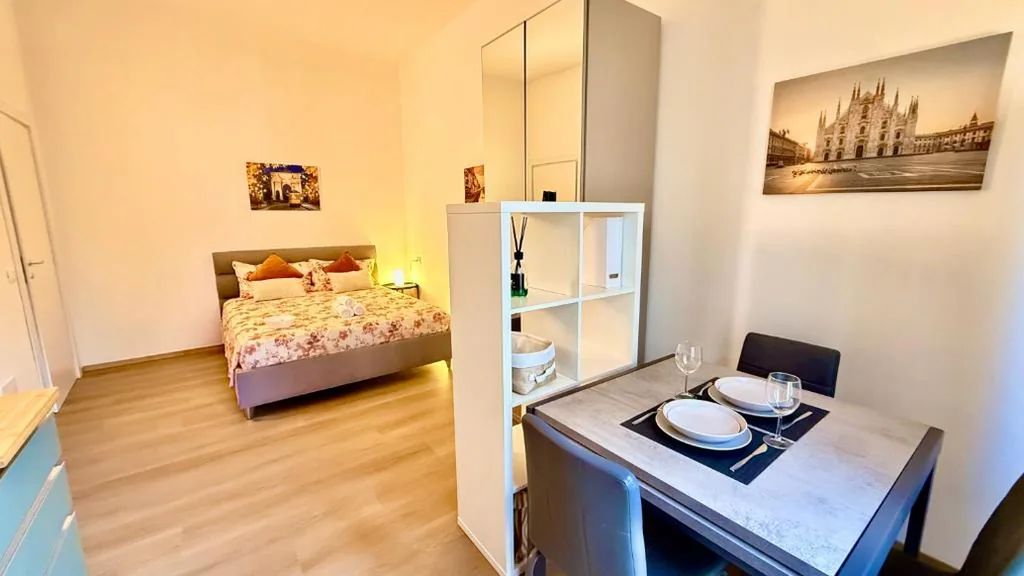
B&B Morindino Design

A design bed and breakfast in the Navigli area, with garden, air conditioning and Italian breakfast, just a short walk from MUDEC.
Guest House
9.9
Milano · Lombardy

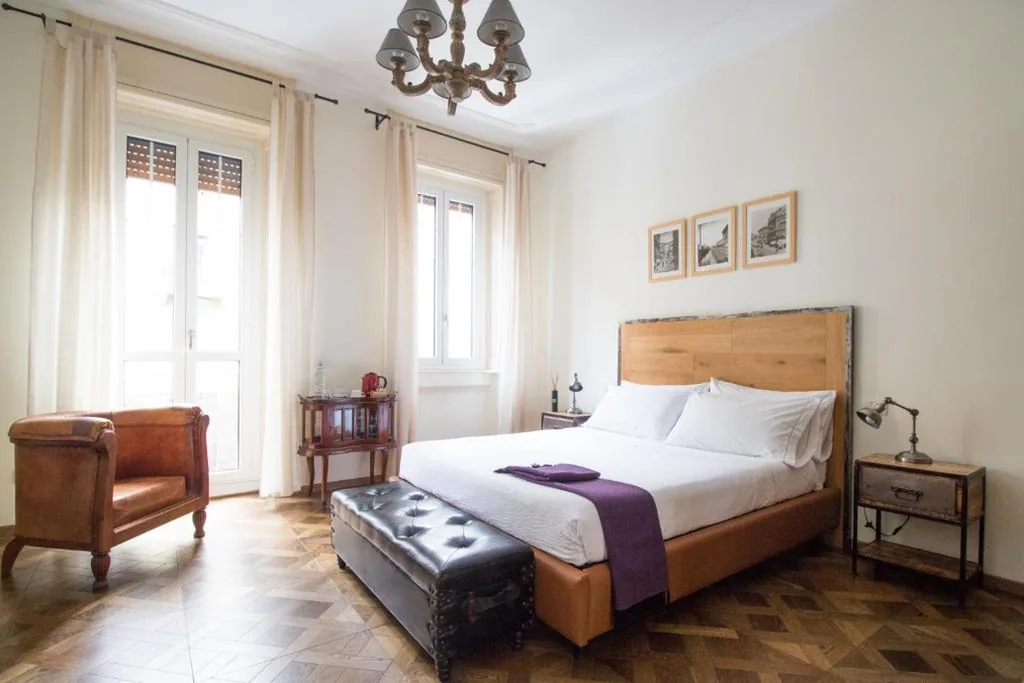
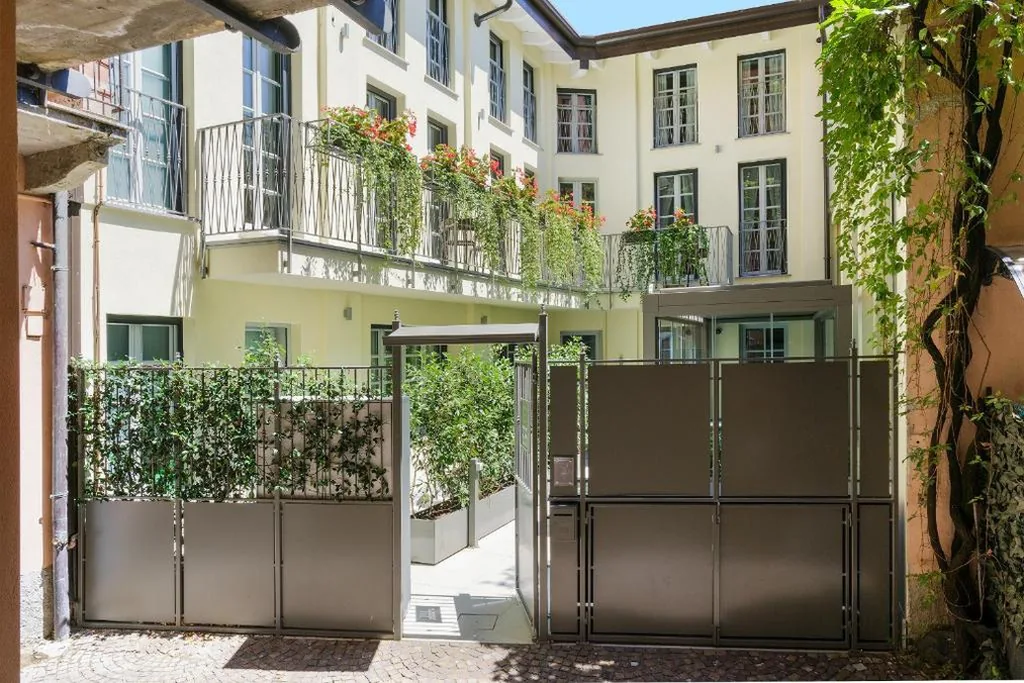
Cuna Milano

Guest house in the heart of the Navigli, a short walk from Porta Genova metro station, with air-conditioned rooms and suites featuring their own kitchen.

Guest House
9.8
Milano · Lombardy

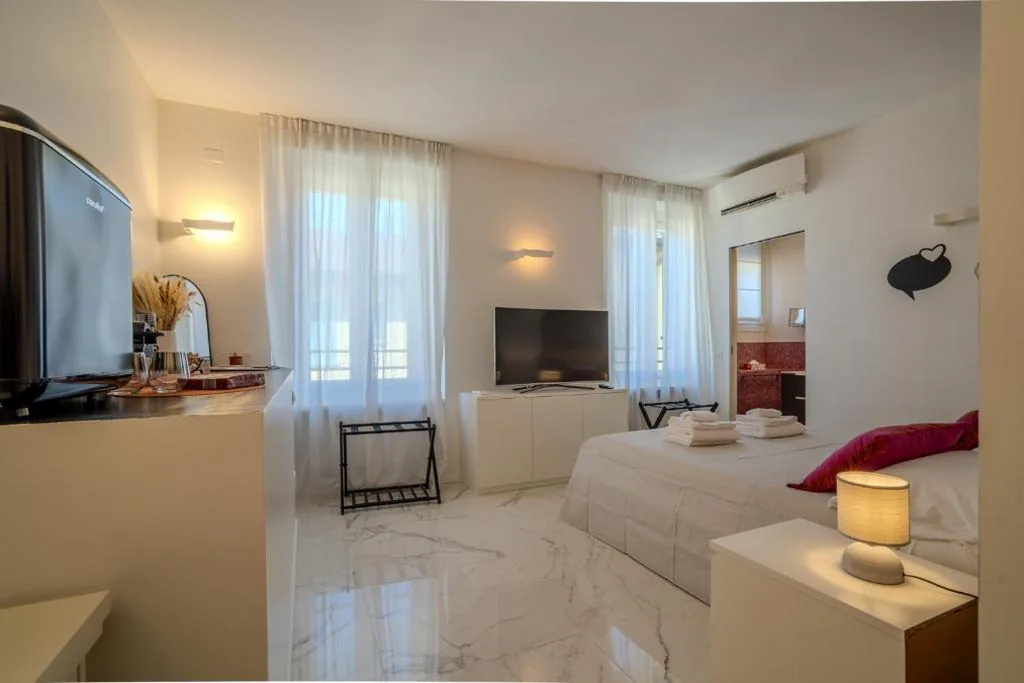
The Warm Stay Milano

Non-smoking guest house in the Porta Venezia district of Milan, just steps from Lima metro station and neighborhood bars and restaurants.

Bed and Breakfast
9.8
Milano · Lombardy

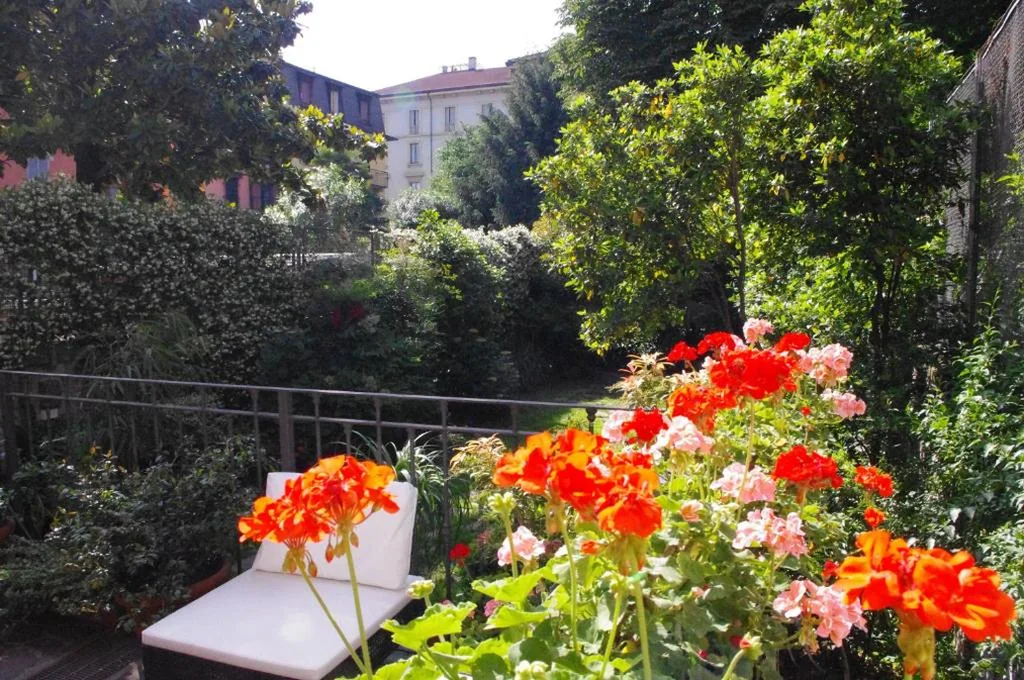
Porta Tosa Boutique

Classic-style boutique B&B in Porta Vittoria, with garden, air-conditioned rooms and excellent connections to the historic center and Linate airport.

Bed and Breakfast
9.7
Milano · Lombardy

Ca’ Maggiolina B&B

A well-kept B&B in the Bicocca - Zara district of Milan, a short walk from Milano Centrale station, with air-conditioned rooms, private bathroom and shared garden.

Hotel
9.7
Milano · Lombardy

Baires Guest House

Non-smoking guest house in the heart of Porta Venezia in Milan, a short walk from the metro and the venues of Corso Buenos Aires, ideal for couples visiting the city.

Bed and Breakfast
9.7
Milano · Lombardy

Teodora B&B

A cozy bed and breakfast near Milano Centrale station, with garden, terrace and air-conditioned rooms: the ideal base for exploring Milan on foot or by metro.

Where to stay in Milan

Milan developed in successive rings around the Duomo square, and once you grasp that structure the city becomes immediately legible. Its roots run deep: under the Roman empire, when it was called Mediolanum, it served as an imperial seat, and it was from here in 313 that Constantine issued the edict granting freedom of worship to Christians. Today it is the country’s economic centre, but it is also the city holding two of Lombardy’s ten UNESCO sites and a density of museums and collections that surprises anyone who thinks of it only as a capital of work.

The Duomo and the historic centre

The cathedral is the most visited monument in the city: 3,400 statues, 135 spires and the gilded Madonnina that for centuries was the highest point in Milan. Its construction took more than five hundred years, and the Veneranda Fabbrica that maintains it has been working without interruption since 1387. From the terraces, on clear days, the Alps are visible. Around it cluster the Galleria Vittorio Emanuele II, the Teatro alla Scala and the Quadrilatero della Moda, while a little further on the Sforza Castle opens onto Parco Sempione.

The Last Supper and the art

The refectory of Santa Maria delle Grazie holds Leonardo’s Last Supper, a UNESCO site since 1980. Entries are capped and slots last fifteen minutes: it must be booked well ahead, and it is the one Milan visit that cannot be improvised. The Pinacoteca di Brera gathers works by Mantegna, Raphael, Caravaggio and Piero della Francesca; the Sforza Castle keeps the Rondanini Pietà, Michelangelo’s last unfinished sculpture. Among the lesser-known curiosities, San Bernardino alle Ossa has a chapel entirely lined with human skulls and bones, a Baroque work of the seventeenth century.

The Navigli and the city of water

Few recall that Milan was for centuries a city of canals: the navigli connected it to the rivers and lakes, and served among other things to carry the Candoglia marble for the Duomo works. The network was progressively covered over during the twentieth century, and today the Naviglio Grande and the Pavese remain open, converging on the Darsena, the city’s old dock, redeveloped in recent years. This is the district that fills with bars and restaurants in the evening, and where an antiques market runs along the towpath on the last Sunday of each month.

How to choose the area

The historic centre — Duomo, Brera, Quadrilatero — puts everything within walking distance, at the city’s highest rates. Brera keeps cobbled streets and art galleries with a quieter evening feel; the Navigli and Porta Genova are the nightlife district, lively but noisy. Porta Venezia combines parks, Art Nouveau architecture and good connections; Isola and Porta Nuova, transformed by the towers of the past two decades, offer a sharp contrast between glass skyscrapers and old balcony houses. Porta Romana and Città Studi give a more everyday sense of the city at lower prices, as does the area around Central Station, provided the street is chosen with care. The criterion that really counts is not distance from the Duomo but distance from a metro stop: with four lines and the suburban link, fifteen minutes of travel often means a noticeable saving on the rate.

The price factor: events

In Milan the cost of a room depends less on the season than on the trade fair calendar. During the Salone del Mobile and Design Week in April, and in the fashion weeks, rates can multiply and availability disappear months in advance. Conversely, August and weekends away from major events are the best value. Checking the calendar before fixing your dates makes more difference than any other choice.

Getting around and day trips

Four metro lines, an extensive tram network — some of the cars historic and still in service — and the suburban rail link cover the city: staying near a stop matters more than staying near the Duomo. From Malpensa, Linate and Orio al Serio airports connections are frequent; for awkward flight times we have gathered the alternatives in where to stay near Malpensa. Within the day you can reach Bergamo and its upper town, Pavia with its charterhouse, Lake Como and Lecco. For a short stay there is our guide to a weekend in Milan, while for a closer look at districts and properties see where to stay in Milan; a regional overview is in where to stay in Lombardy.