
Cremona is one of the most fascinating art cities of the Lombard plain, famous worldwide for three excellences: the violin, nougat (torrone) and the Torrazzo. It’s the capital of violin-making (liuteria), the art of building stringed instruments made immortal by Stradivari, Amati and Guarneri — so much so that the craft is recognised as UNESCO intangible heritage. Its elegant, compact old town revolves around one of the most beautiful medieval squares in Italy. And being well connected to Milan, Brescia and Mantua, it’s perfect for an art weekend away from the crowds.
Set on the bank of the Po, Cremona has the quiet charm of a provincial city rich in history: arcaded streets, hidden courtyards and a peaceful atmosphere that at sunset, when the Torrazzo lights up, becomes magical. It’s a destination still off the mass-tourism trail, ideal for those seeking art and culture at a slow pace, perhaps combining it with a trip along the river or to the nearby cities of the plain.
The city is compact and entirely walkable: for a sightseeing stay the best choice is undoubtedly the old town. Here are the recommended hotels and what to see.
The old town: Piazza del Comune and the Torrazzo
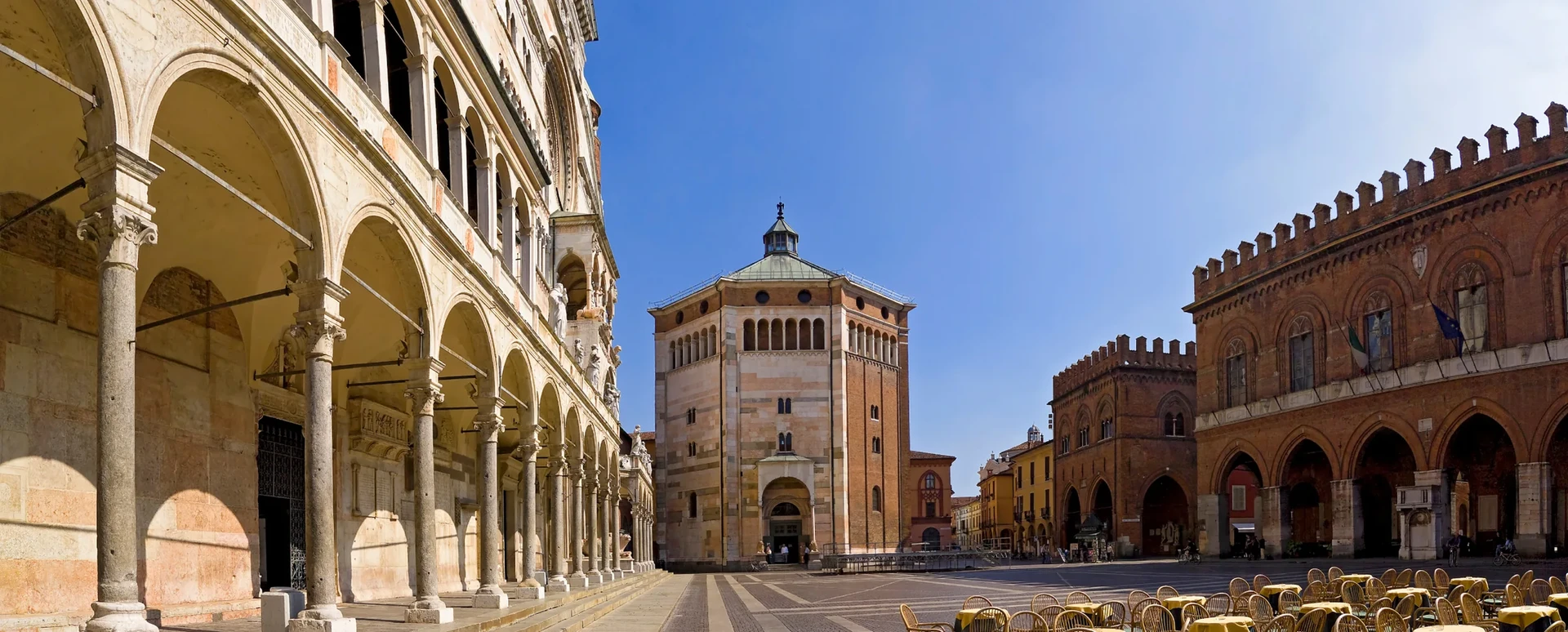
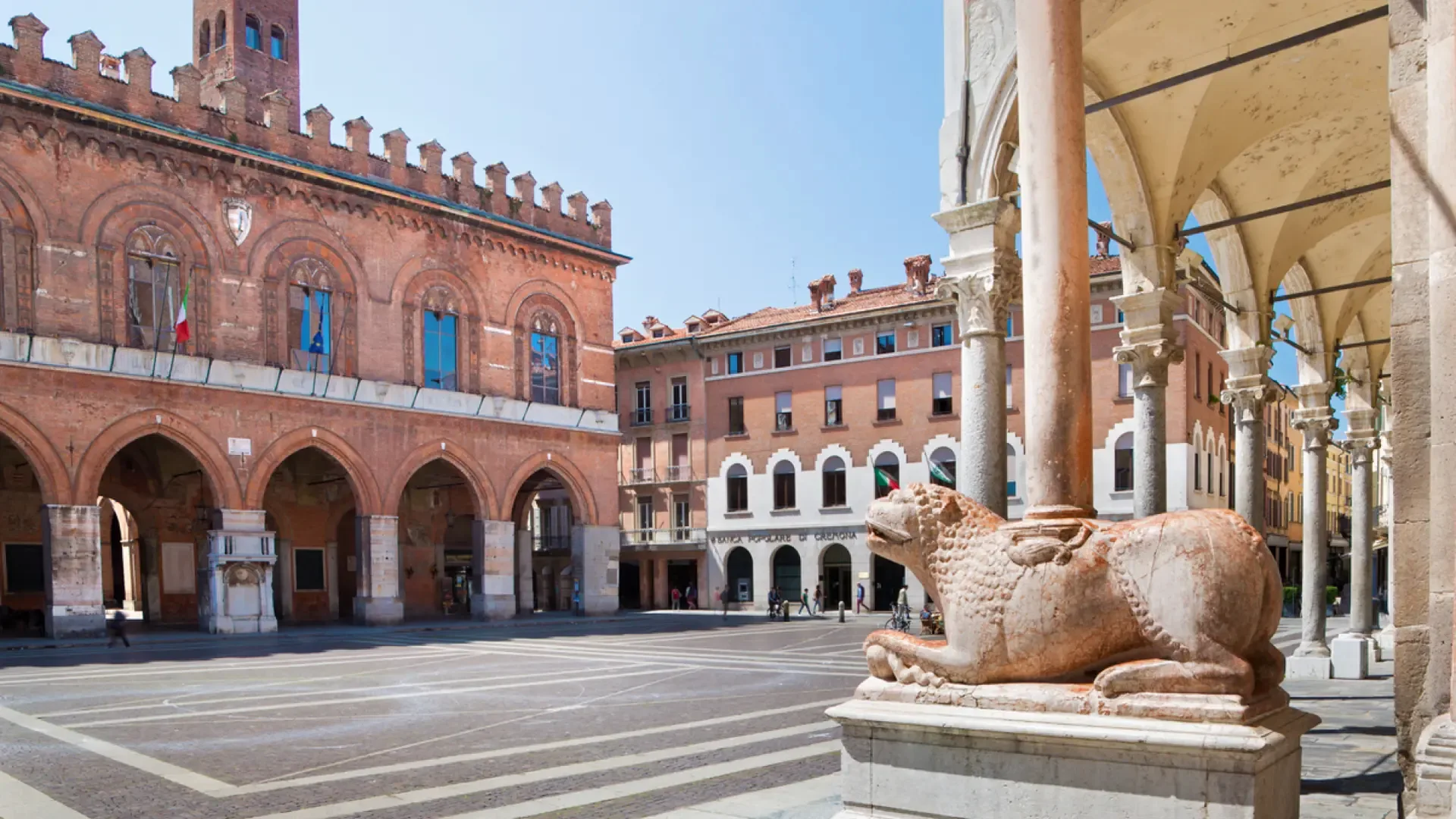
The old town is the ideal choice: from here you can walk to the scenic Piazza del Comune, with the Romanesque Cathedral, the Baptistery and the Torrazzo — over 112 metres tall, with its astronomical clock — and the Violin Museum, the temple of Cremonese violin-making. It’s an elegant, pedestrian area, where staying means having the monuments, the luthiers’ workshops and the best restaurants within reach.
Sleeping in the centre lets you enjoy the city in the morning and in the evening, among quiet streets and lit-up squares. Most of the properties are charming guest rooms and guesthouses, often set in historic buildings, perfect for a weekend. Here are some recommended addresses.
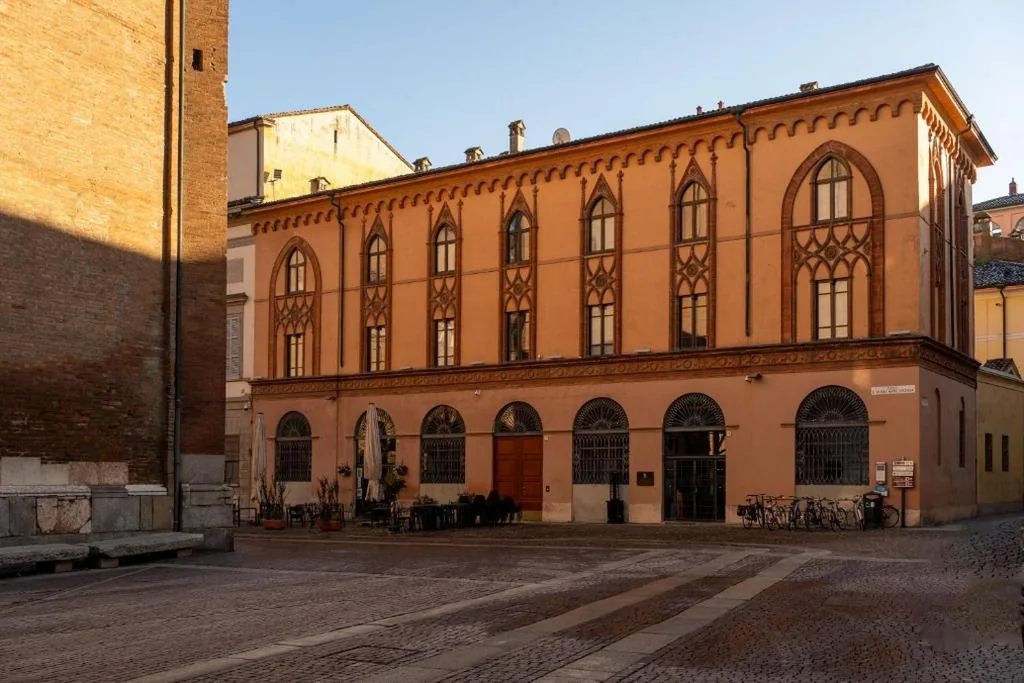
Foresteria La Vista
A well-kept, very central property, much loved by many guests for its location and welcome. It’s a reliable, very convenient base for experiencing Cremona on foot, between Piazza del Comune, the Violin Museum and the luthiers’ workshops, with the whole old town right outside the door.
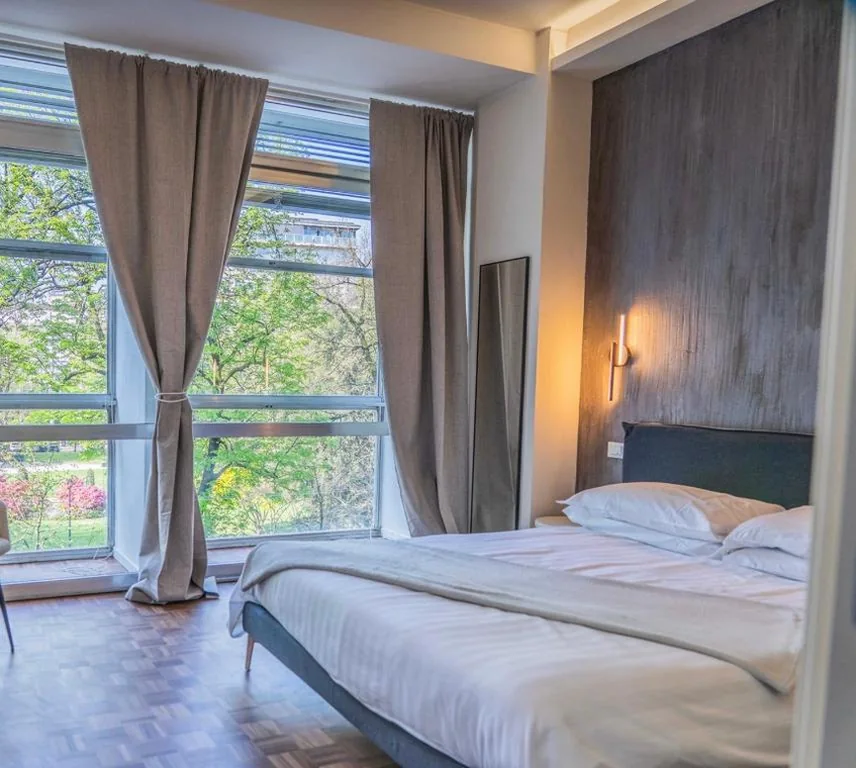
Giardini Rooms
Welcoming rooms overlooking Piazza Roma, Cremona’s green drawing room, a step from the centre and the monuments. An impeccable location and well-kept spaces make it an ideal choice for a couple or an art weekend, with shops and bars right on the doorstep.
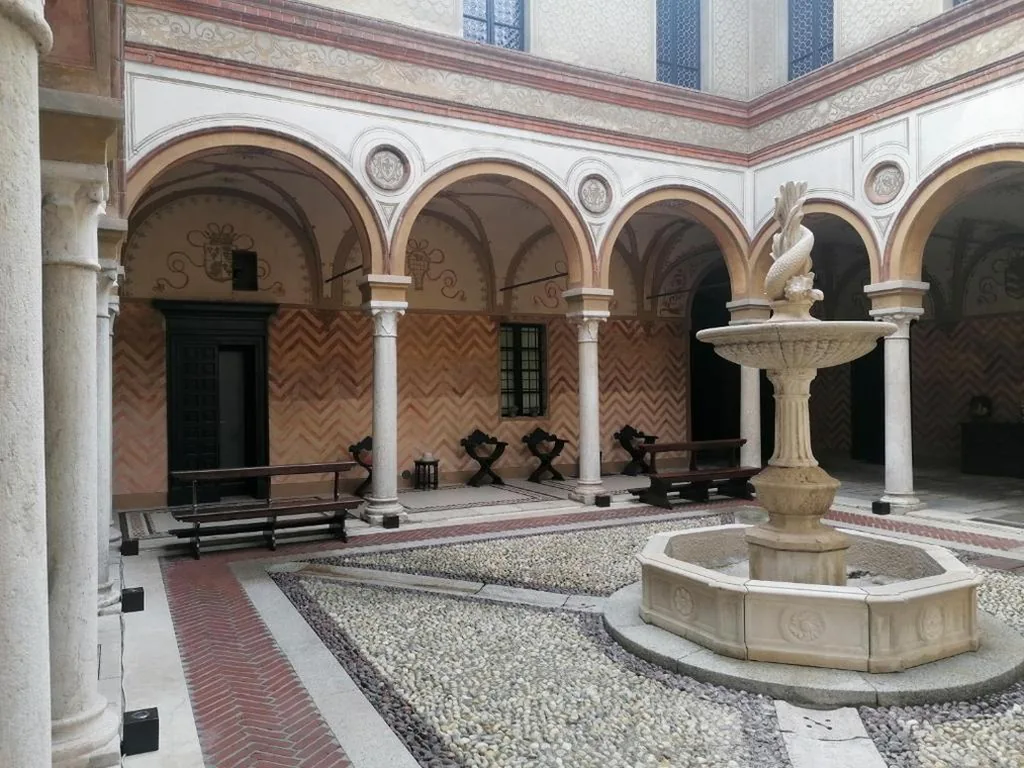
Foresteria Palazzo Guazzoni Zaccaria
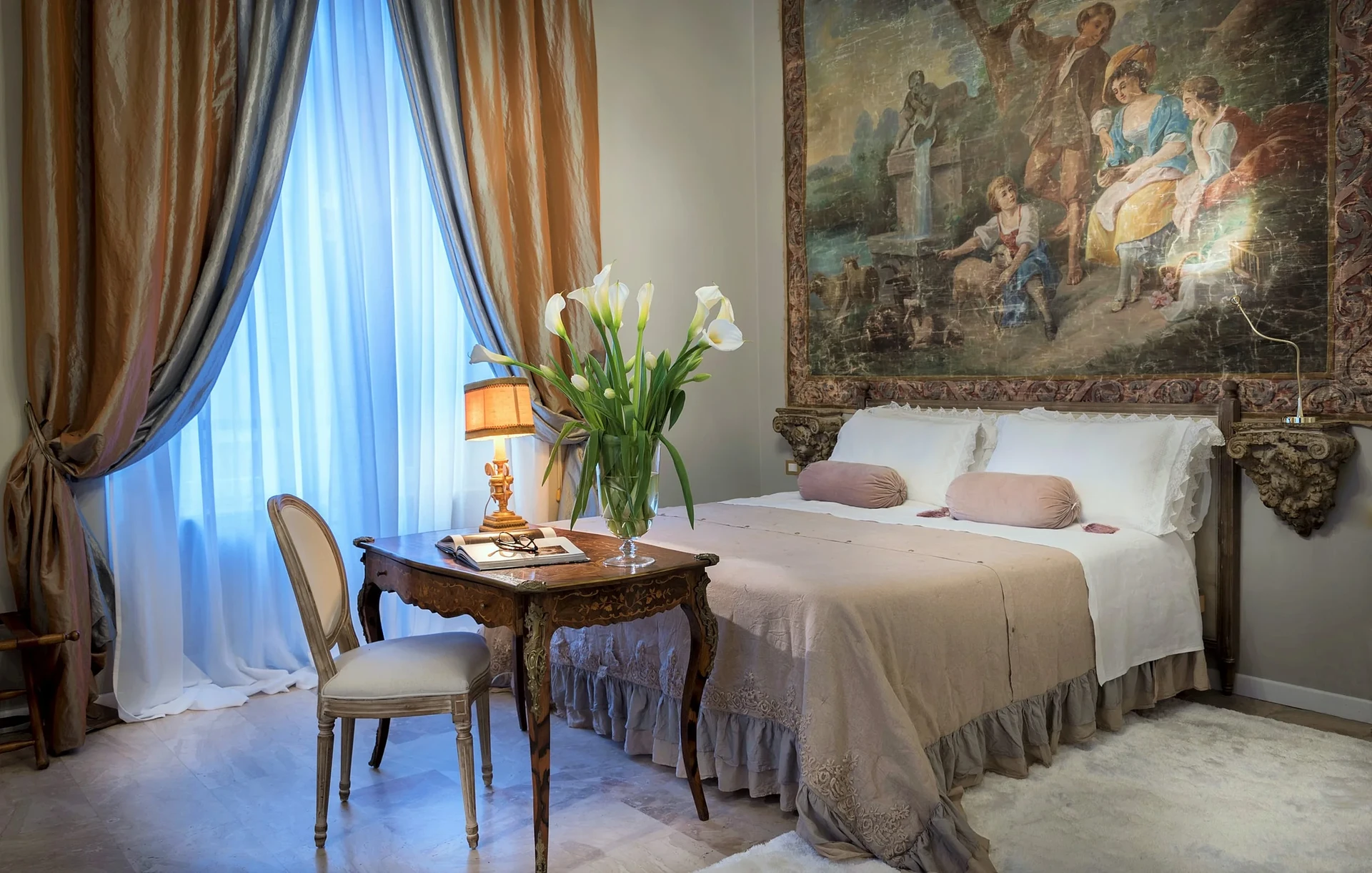
A charming guesthouse in a historic palace in the centre, with the appeal of Cremona’s old residences and elegant spaces. Perfect for those who love to breathe the city’s bygone atmosphere, a few steps from the monuments, for a refined stay in the heart of Cremona.
The city of violins and what to see
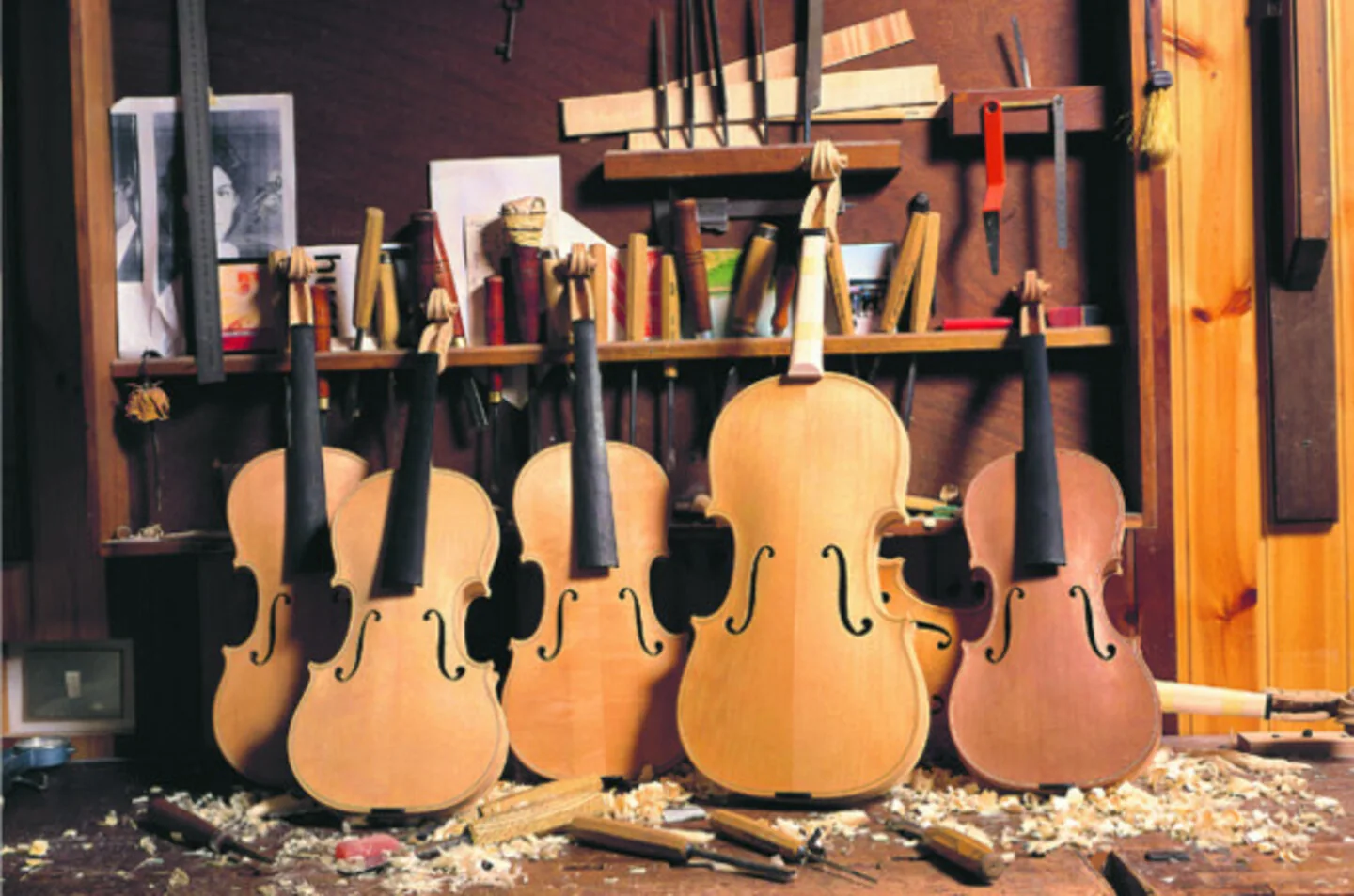
The heart of Cremona’s identity is the violin: the city has dozens of luthiers’ workshops, many of which can be visited, and the famous Violin Museum, which holds historic instruments by Stradivari and Amati and stages concerts in the Arvedi Auditorium. It’s a unique experience, to be combined with a stroll through the streets of the centre, where the world’s most precious instruments are still made by hand.
Climbing to the top of the Torrazzo, with its more than five hundred steps, rewards you with a spectacular view over the city and the plain as far as the Po; the astronomical clock decorating its façade is among the largest in the world. Music, after all, is everywhere in Cremona: concerts, festivals and the presence of the luthiers make this a city where the art of sound truly fills the streets.
Besides Piazza del Comune and the Torrazzo, don’t miss the Cathedral with its frescoes, the Baptistery and the civic museums. And then there’s the food: Cremona is the home of nougat, celebrated in November with the great Festa del Torrone, and of mostarda, to be enjoyed with marubini and local cured meats. A city that combines art, music and good food in a human-scale weekend.
This guide is part of our tour of the region: discover all the areas in Where to stay in Lombardy. Cremona pairs well with Mantua and with a stay in Milan.
Frequently asked questions
Quick answers to the questions we are asked most often about where to stay in Cremona.
What is the best area to stay in Cremona?
For a sightseeing stay the best choice is the old town, to walk among Piazza del Comune, the Torrazzo, the Cathedral and the Violin Museum. It’s the loveliest and liveliest area, with monuments, luthiers’ workshops, shops and restaurants within reach. Most of the properties are charming guest rooms and guesthouses, often in historic buildings. The city is compact and very convenient for those arriving by train too.
Is Cremona worth visiting?
Absolutely: Cremona is the world capital of violin-making, with the Violin Museum and the workshops where Stradivari and Amati’s instruments are still made by hand, a craft recognised as UNESCO intangible heritage. Add one of the most beautiful medieval squares in Italy, the Torrazzo with its astronomical clock, the Cathedral and food specialities such as nougat and mostarda, and you have a compact, authentic art destination, still uncrowded and perfect for a weekend.
What is there to see in Cremona?
Not to be missed: Piazza del Comune with the Cathedral, the Baptistery and the Torrazzo, the tallest brick tower in Italy with its astronomical clock; the Violin Museum and the luthiers’ workshops; and the civic museums. At the table, nougat — celebrated in November by the Festa del Torrone — mostarda and marubini. A stroll along the Po and its riverfront rounds off a visit to a city that combines art, music and flavours.
When should you go to Cremona?
Cremona is good to visit all year. Spring and autumn offer the best weather for strolling in the centre and along the Po. November is the month of the Festa del Torrone, with tastings, shows and the city in celebration: an indulgent occasion, but also busier, so it’s worth booking ahead. Summer can be hot and muggy on the plain, while winter brings the intimate atmosphere of mist and lit-up squares. For a good balance, April, May, September and October are ideal.
How many days do you need to visit Cremona?
Cremona can be visited comfortably in a day: the old town, the Torrazzo, the Cathedral and the Violin Museum are all within walking distance. With a night in the city you can enjoy the evening atmosphere of the squares and have time for a violin-making workshop and a food stop. It’s also an excellent stop on an itinerary among the art cities of the plain, together with Mantua, or as a quiet base to visit Milan, a little over an hour away.