
Few regions offer the variety of Lombardy. In little more than an hour by train or car you go from Milan’s skyscrapers to the villas of Lake Como, from Garda’s beaches to the ski slopes of Valtellina, from the vineyards of Franciacorta to the Renaissance squares of Mantua. No surprise, then, that 2025 was a record year for Lombard tourism: 22.3 million arrivals and 56.7 million overnight stays (+7% year on year), with 68% international guests and lakes and mountains topping the satisfaction rankings. It is precisely this richness that makes the question “where do I sleep?” more important than usual: the right base changes the whole trip. This guide takes you area by area, with a couple of hand-picked addresses for each, and links to the detailed guides to go deeper.
Milan: the city that never sleeps
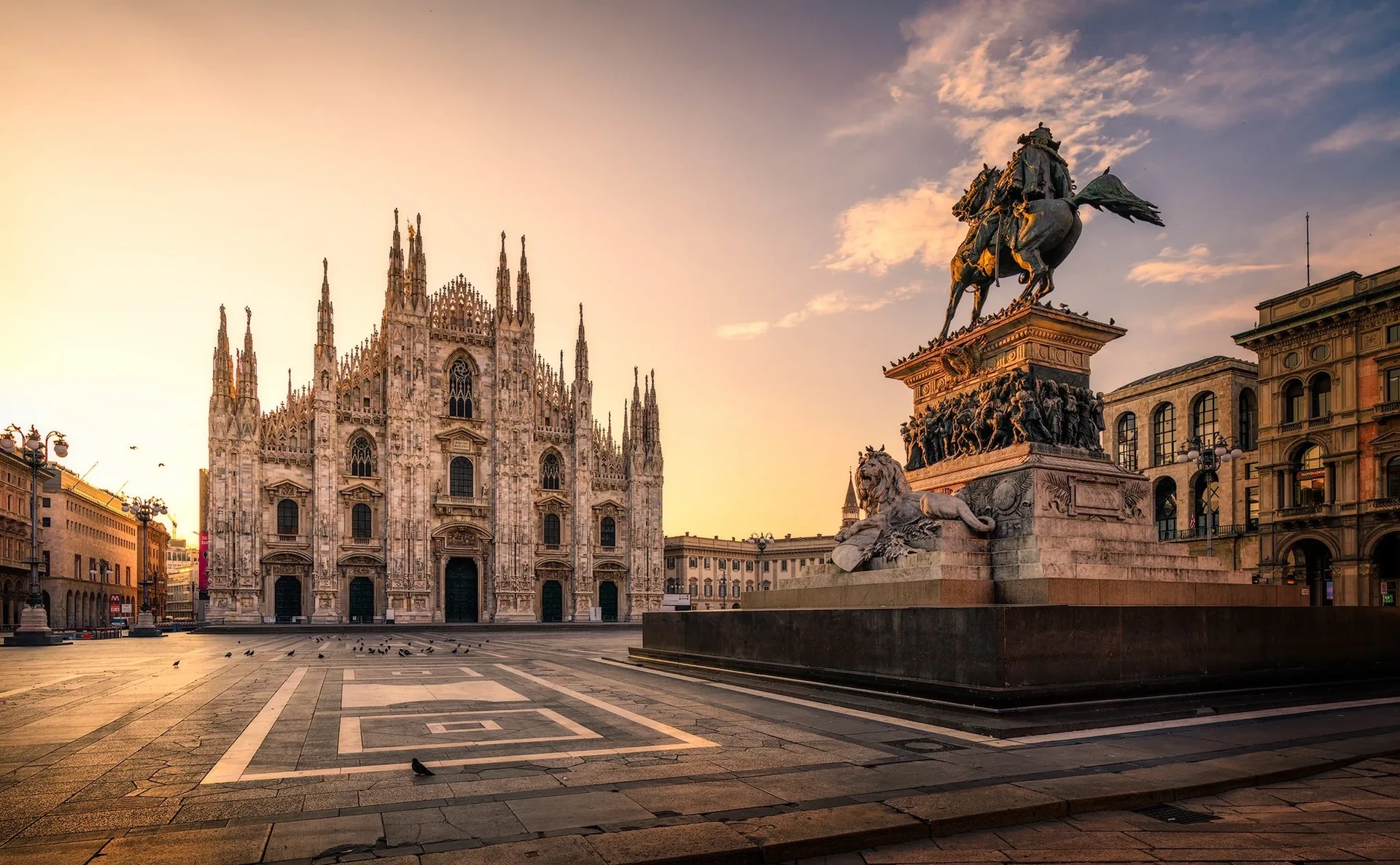
Milan is Italy’s economic capital and the country’s number-one city-break: fashion, design, aperitivi along the Navigli, the Duomo, the Galleria, museums and major trade fairs such as the Salone del Mobile. It is a fast-turnover city, with short stays and a huge range of options: the right area depends on your purpose. The centre around the Duomo and Brera are ideal for a cultural weekend on foot; the Navigli and Porta Genova for nightlife; Porta Nuova and Isola for the contemporary side; the districts around Central Station and Città Studi for those seeking better value and excellent transport. For the detailed choice by district and by need, see the guide on where to stay in Milan.
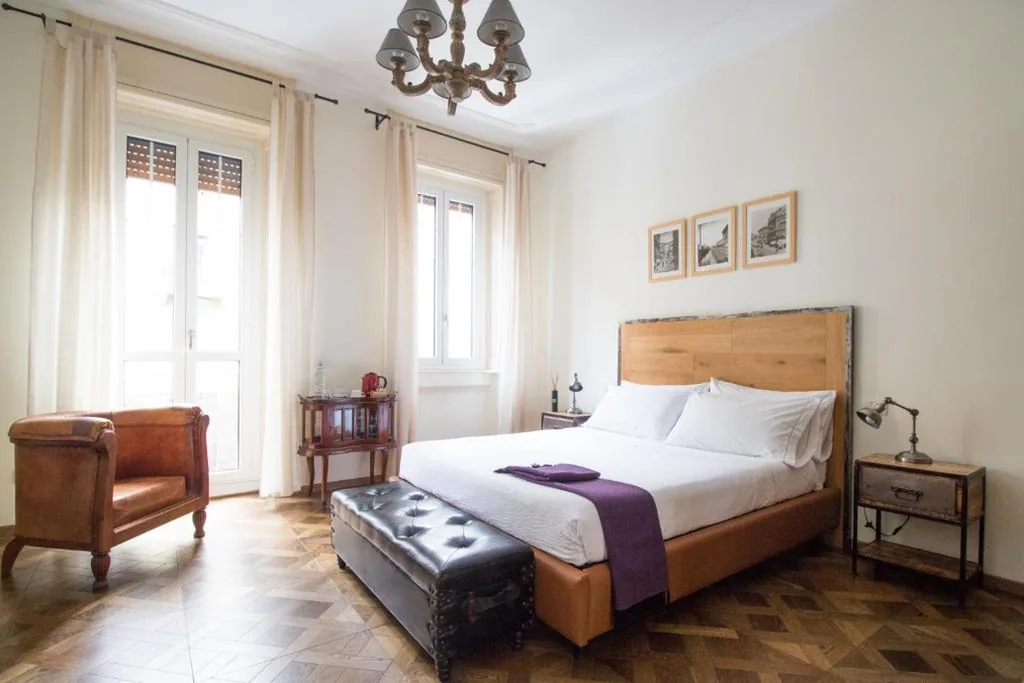
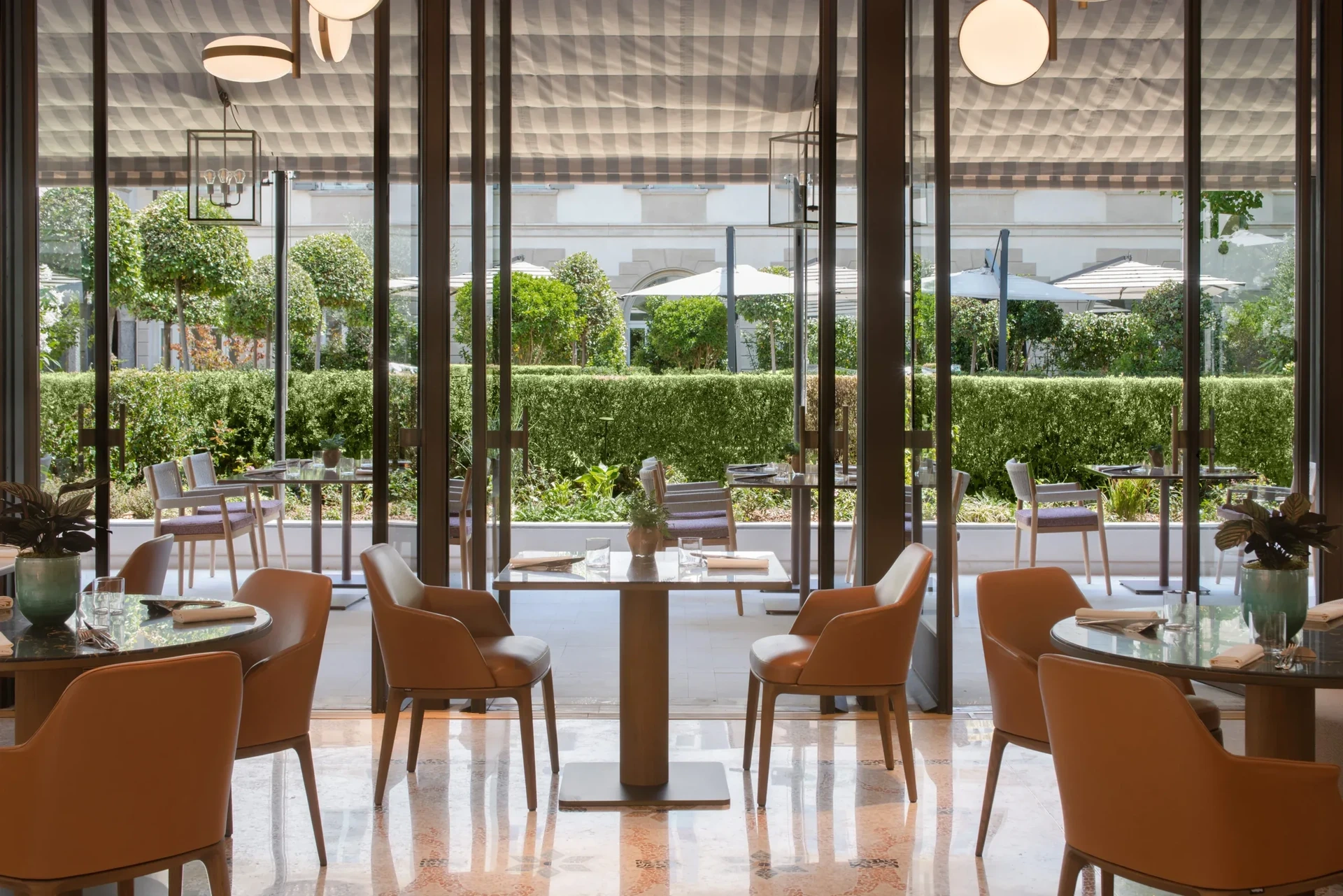
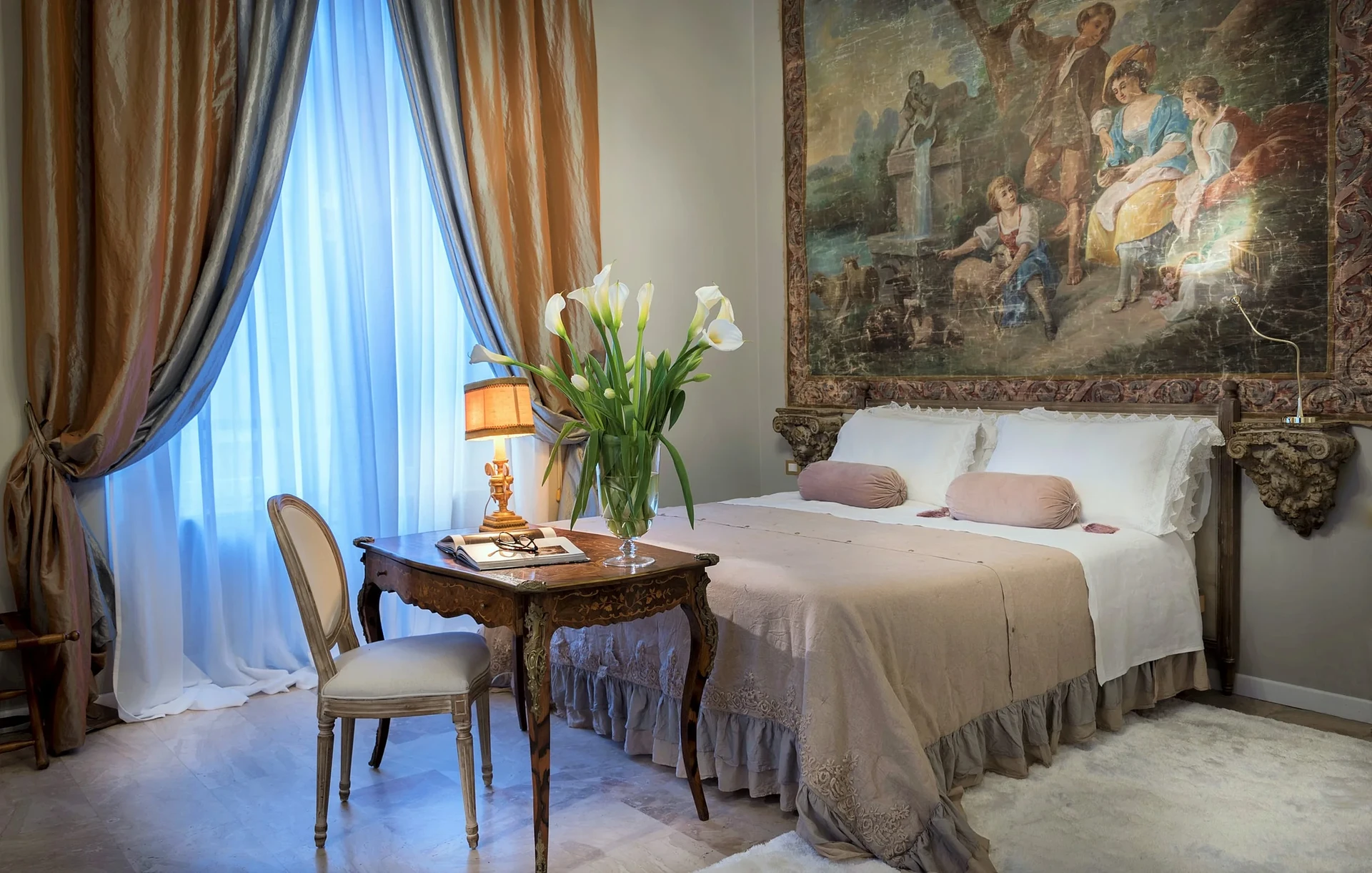
Porta Tosa Boutique
A small, classic-style boutique B&B in Porta Vittoria, with a garden and air-conditioned rooms, a step from the centre and well served by public transport. A quiet, well-kept base for exploring Milan on foot and by metro, without giving up the silence after a busy day in town.
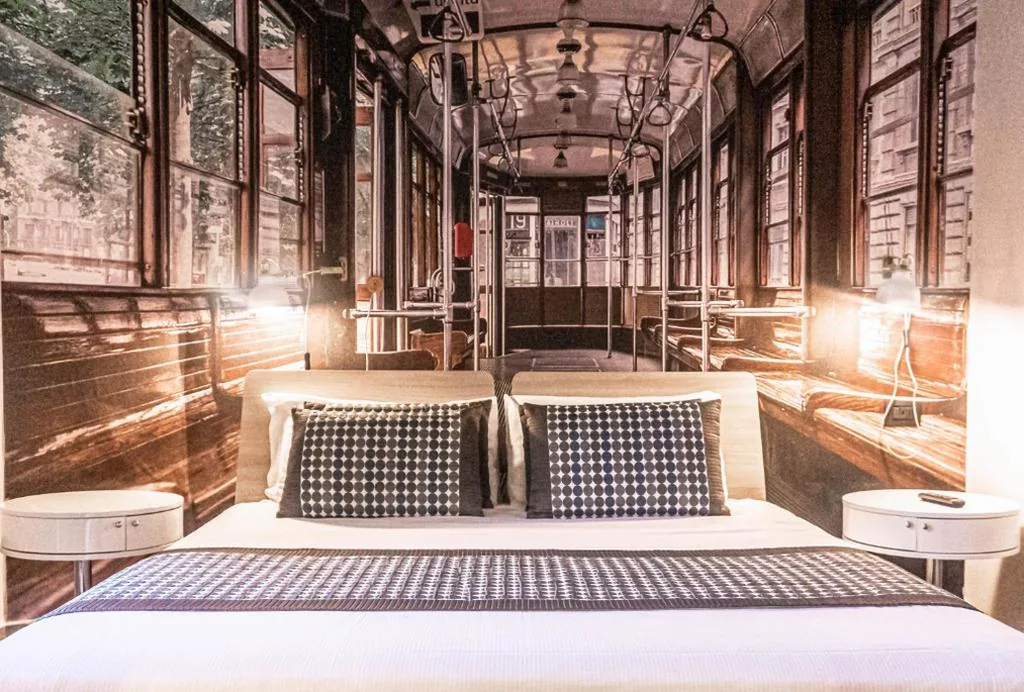
Aparthotel Meneghino
Air-conditioned studios with a kitchenette a few steps from the Duomo and the Fashion Quadrilateral: the right formula for families and slightly longer stays, with the independence of an apartment and the location of a central hotel. The sheer number of satisfied guests confirms its reliability.
Lake Como: villas, villages and glamour
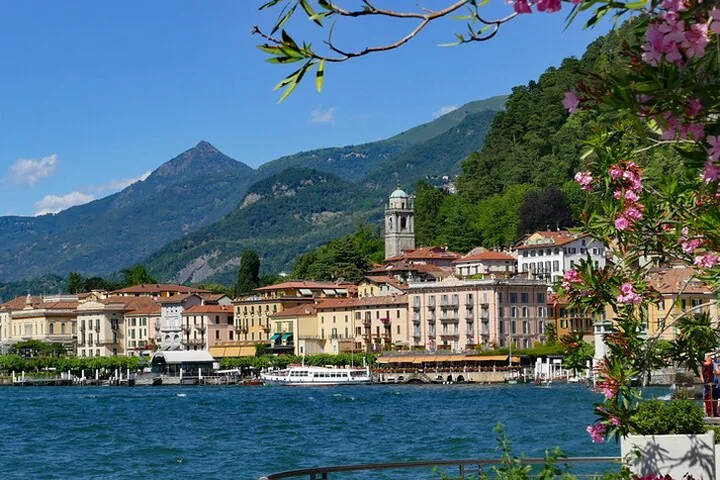
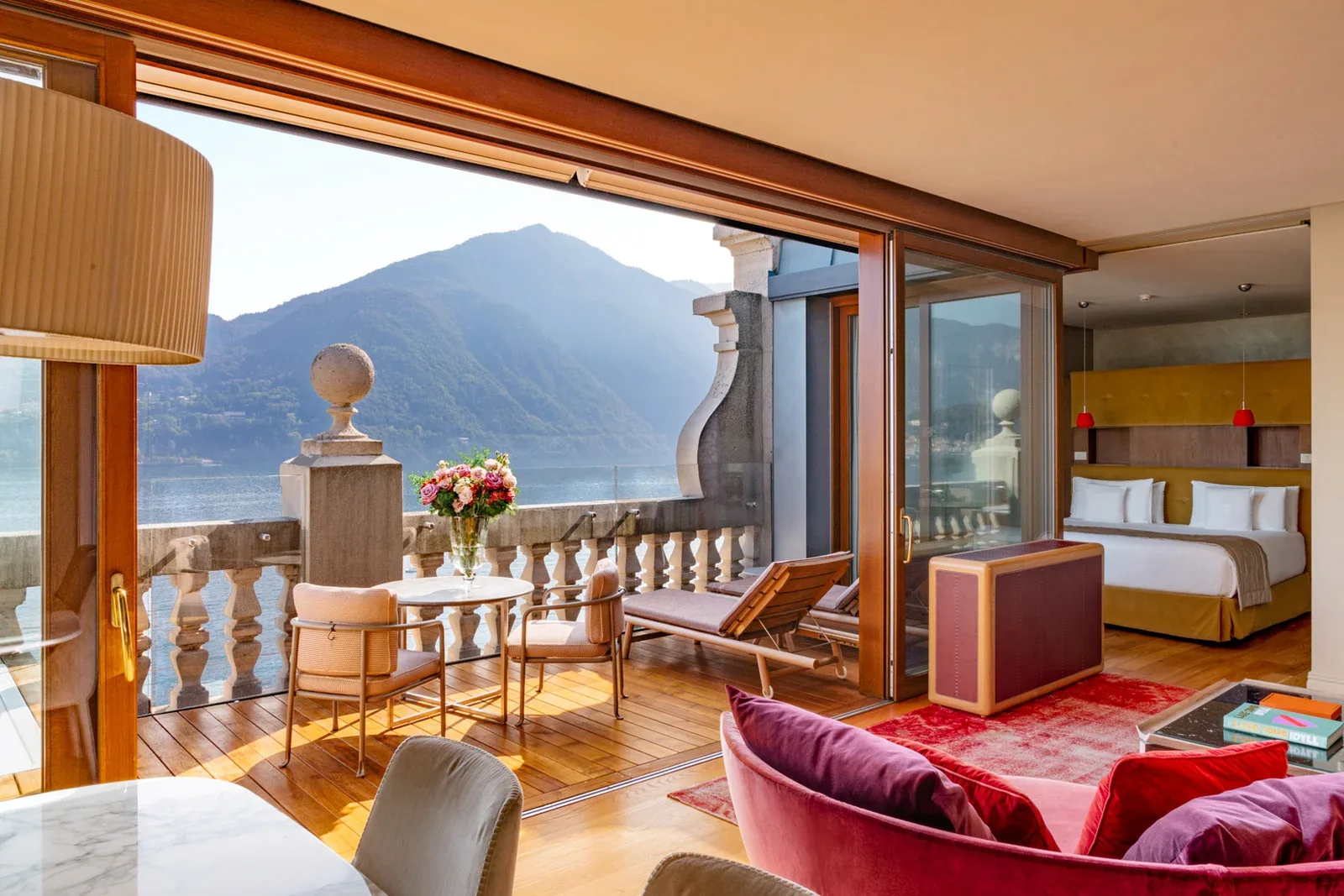
Lake Como is the superstar of Lombard tourism: in 2025 it recorded 86.3% international guests, the highest share in the region, with summer almost sold out. It is the lake of historic villas and gardens — Villa del Balbianello was rated Lombardy’s most-loved attraction — of villages perched over the water, and of a glamorous charm that draws travellers from all over the world. Bellagio, at the fork of the two branches, and Varenna, romantic and compact, are the icon destinations; Como town, Menaggio and Cernobbio complete the picture. It is a lake to take slowly, among ferries, trails and terraces over the water. All the detail in the guide on where to stay on Lake Como.
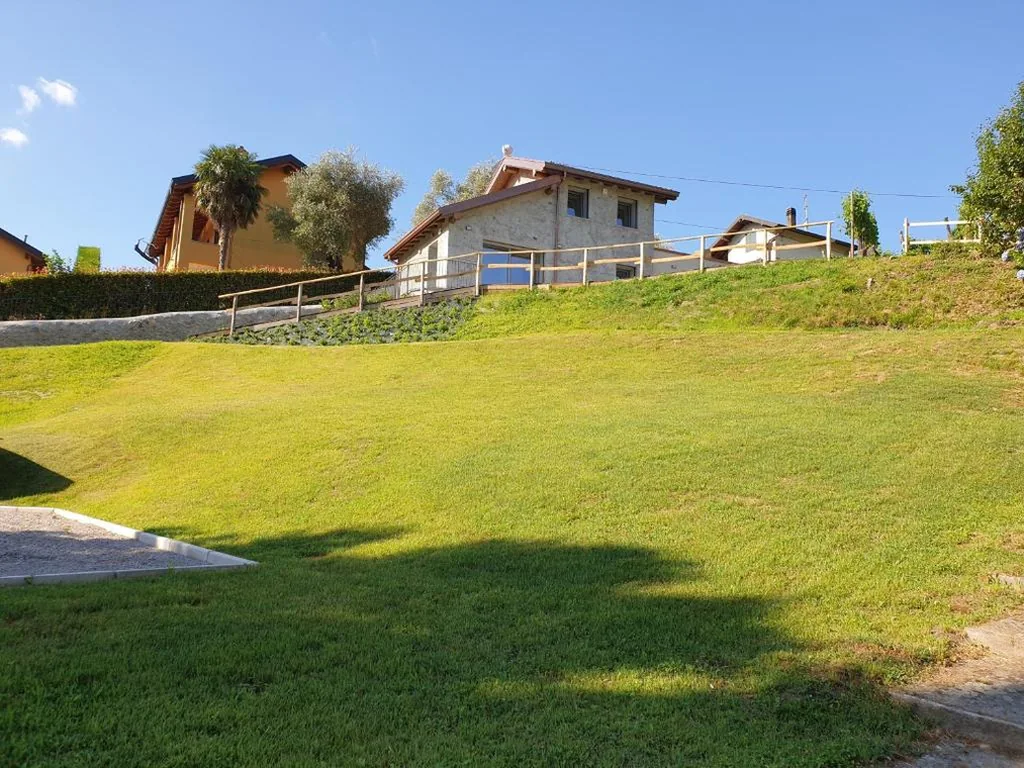
Bellagio Il Crotto
A self-contained holiday home in Bellagio, with a garden, a panoramic lake terrace and private parking — a rare luxury in a village where the car is a problem. Ideal for those who want the postcard location and the independence of their own space, away from the lakefront crowds.
I Tre Oleandri Varenna
In Varenna, perhaps the most romantic village on the lake, this independent holiday home offers a garden, terrace and free parking a short walk from the ferry. Perfect for couples who want to use Varenna as a quiet base and reach Bellagio and Menaggio in a few minutes by boat.
Lake Garda: the riviera of lemons
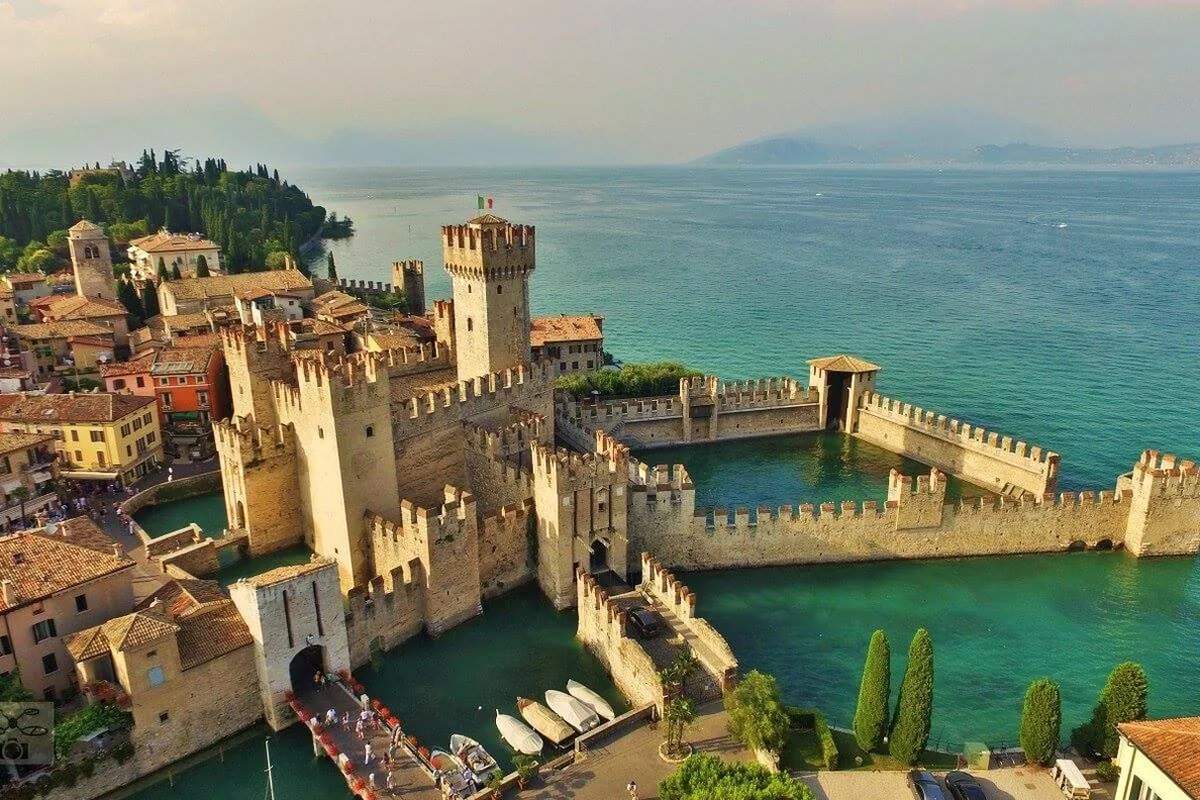
The Lombard — that is, the Brescian — shore of Lake Garda is a Mediterranean world of olives, lemons and blue water. To the south, Sirmione with its Scaliger castle, thermal springs and the Grottoes of Catullus, and Desenzano, lively and well connected, are the most convenient bases; heading up the Riviera dei Limoni you reach Salò, Gardone Riviera with the Vittoriale, Gargnano and Limone, more intimate and scenic. It is a lake for everyone: couples, families, sailing and windsurfing enthusiasts. To find your way between the lower lake and the riviera, see the guide on where to stay on Lake Garda.
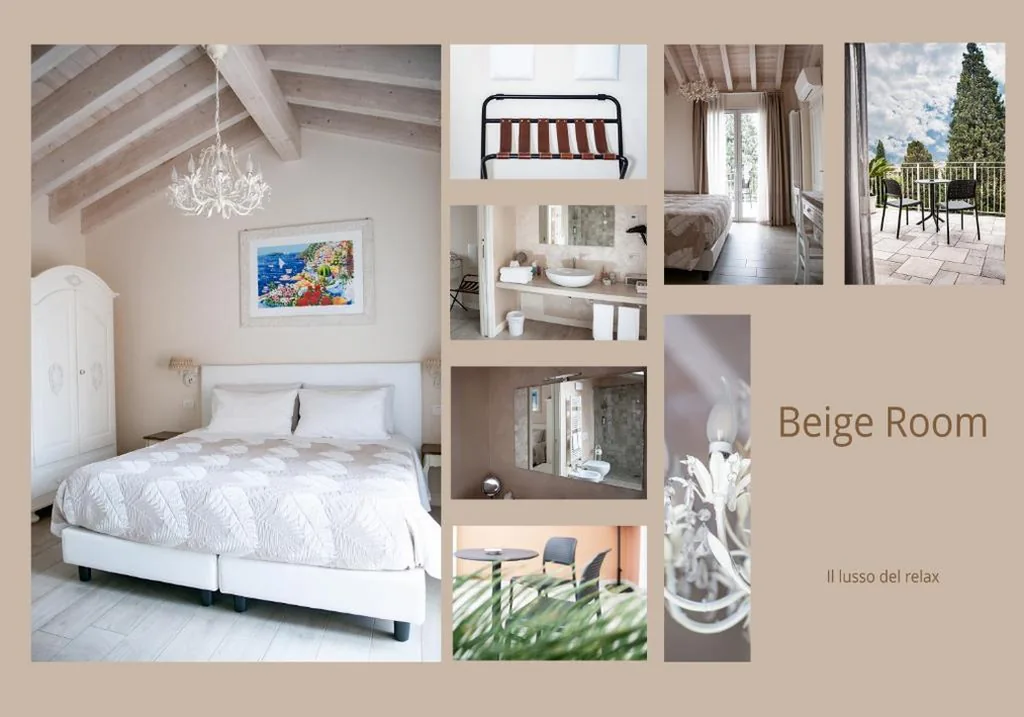
B&B La Fiaba
A B&B overlooking Garda in Sirmione, with lake-view terraces, free bicycles and a buffet breakfast. The mix of panorama, family welcome and a location a short walk from the old town makes it a dream base for a holiday on the lower lake.
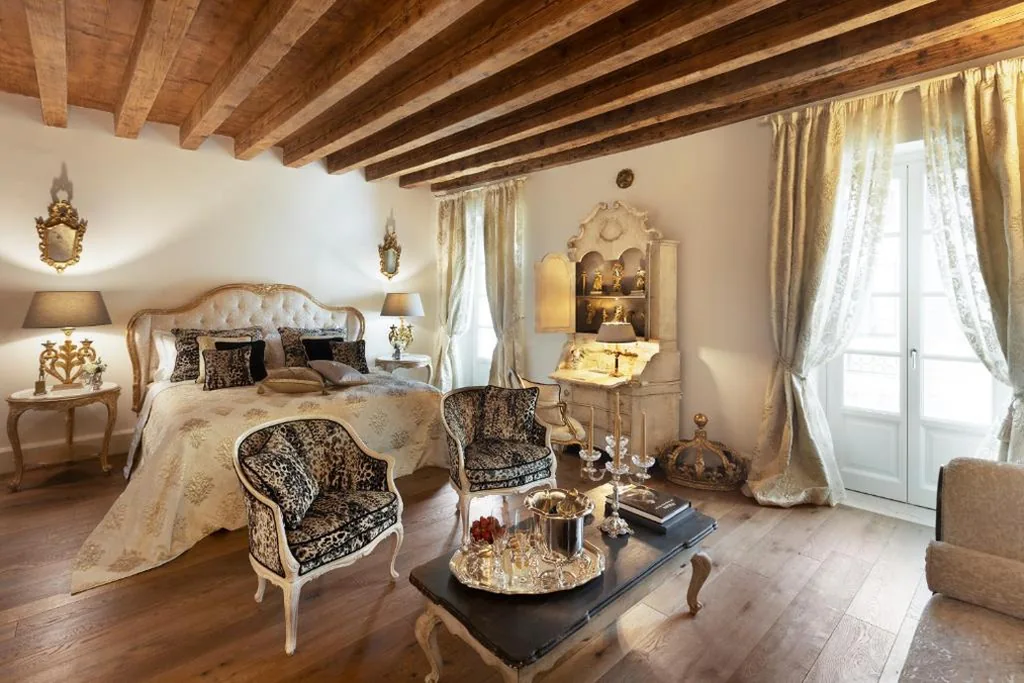
Antica Dimora Desenzano
An inn in the historic centre of Desenzano, a few steps from the castle and the old harbour. Its pedestrian location, among bars and the ferry pier, makes it extremely handy for those who want to enjoy the lake without a car and move easily along the whole shore.
Valtellina: skiing, spas and the Olympic legacy
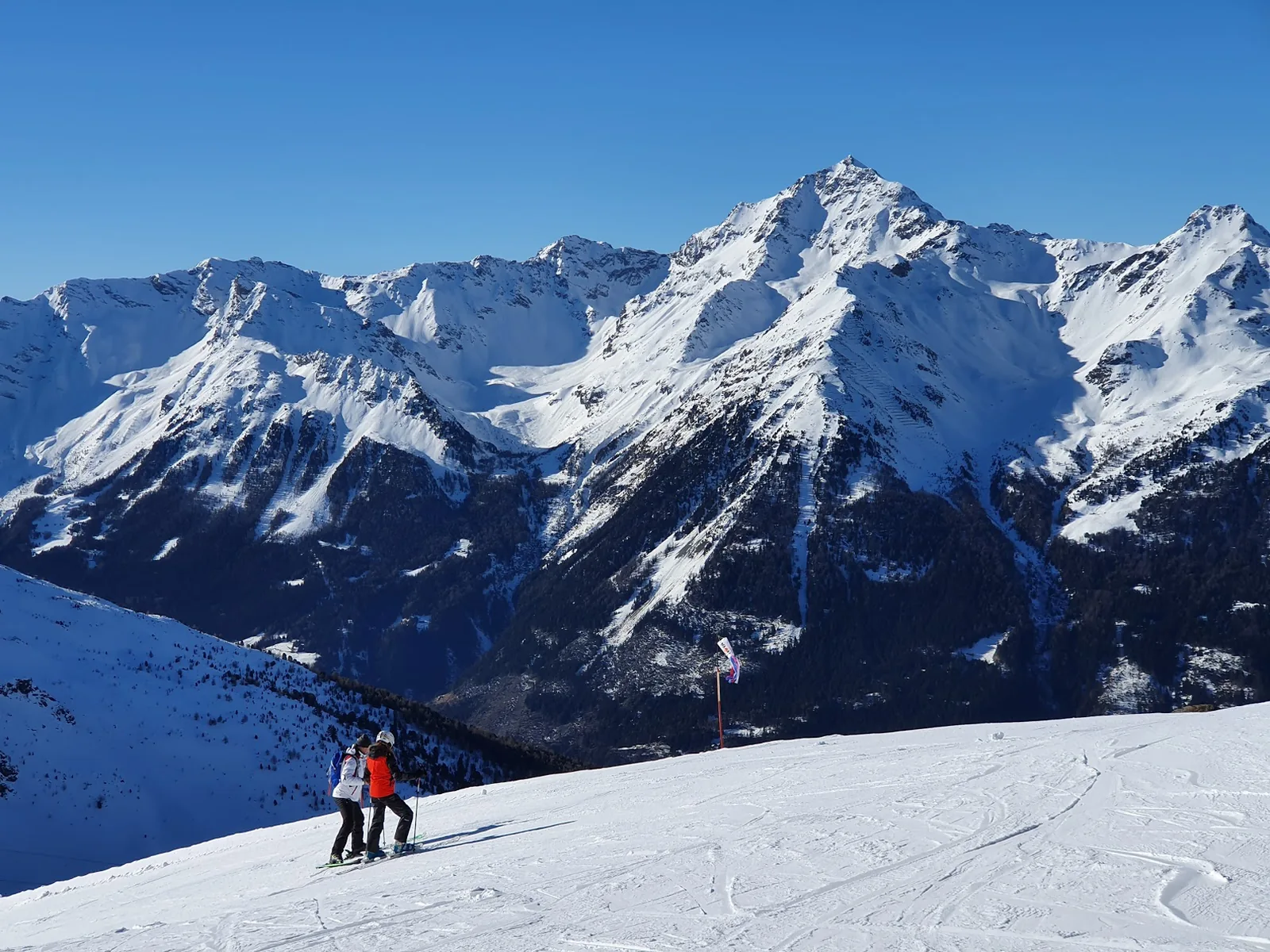
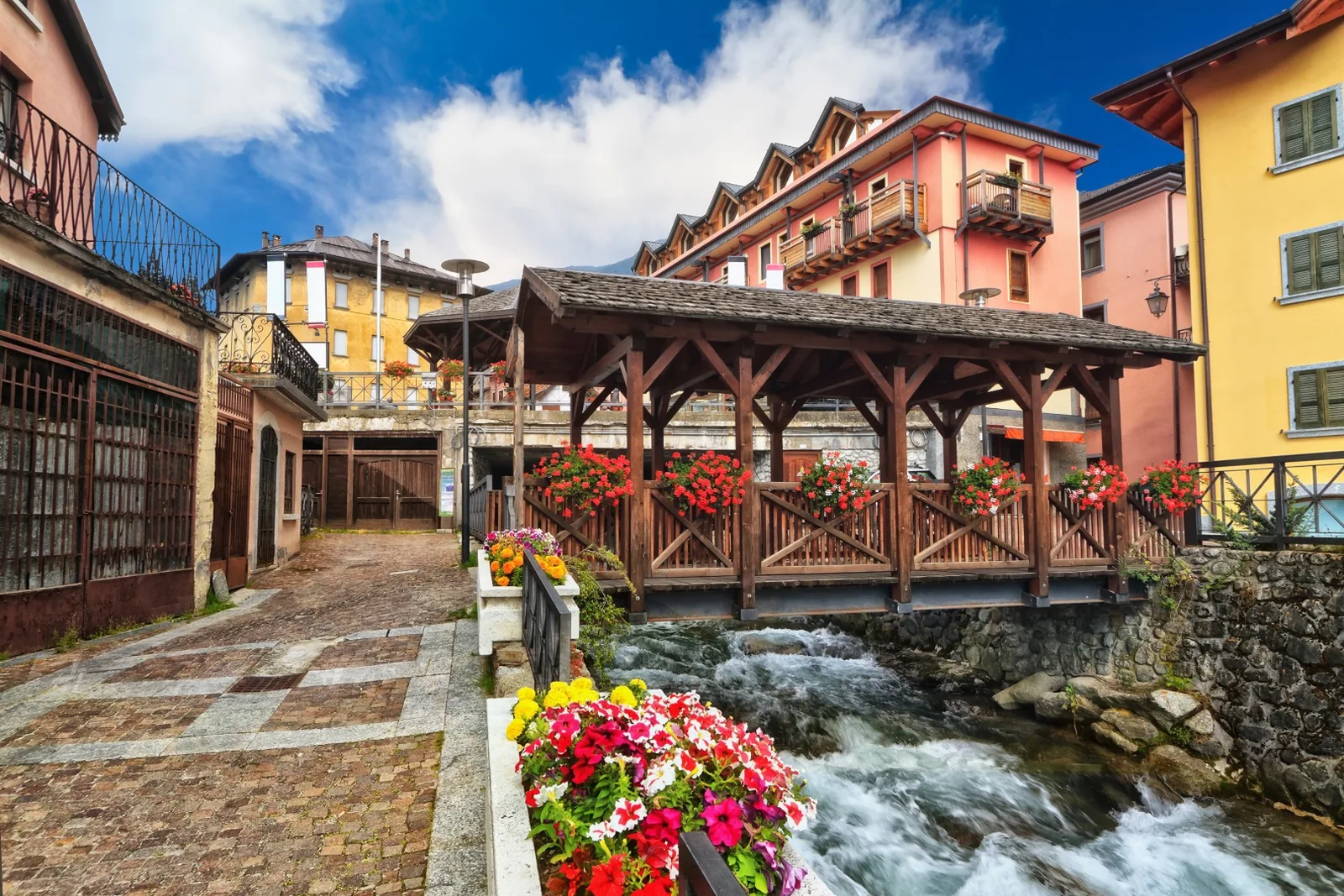
Valtellina is Lombardy’s mountain country: skiing, thermal spas, wine and a hearty cuisine of pizzoccheri and bresaola. Bormio and Livigno are the queens of skiing — Livigno also a duty-free shopping paradise — while Santa Caterina Valfurva and the Stelvio passes complete a high-altitude ski area. It was right here, in February 2026, that some events of the Milano-Cortina Winter Olympics took place: alpine skiing at Bormio, on the legendary Stelvio slope, and freestyle and snowboard at Livigno. What remains today is Bormio’s Olympic Ski Center and a new international profile; and the story continues, because Bormio and Valdidentro will also host the 2028 Winter Youth Olympic Games. To choose where to stay between the two ski capitals, see the guide on where to stay in Valtellina.
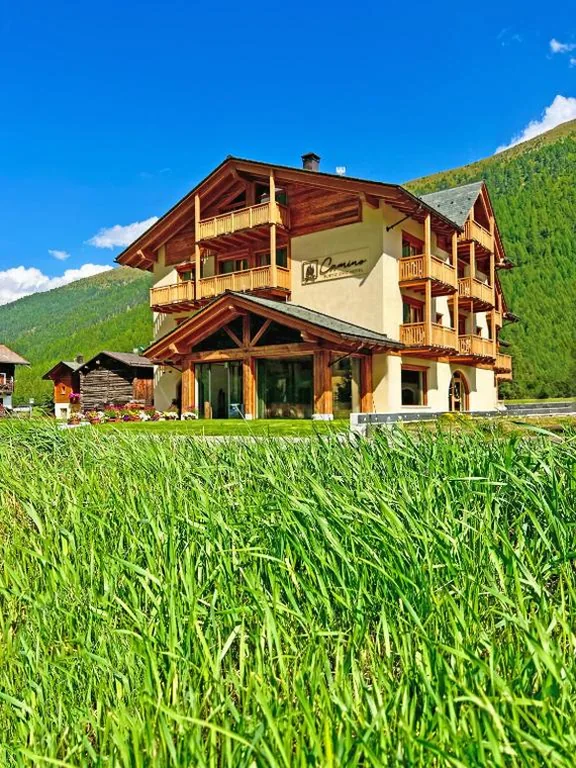
Camino Rustic Chic Hotel
A four-star in Livigno with a wellness centre, sauna and Turkish bath, mountain-view rooms and private parking: ideal for coming back from the slopes and recharging. The “rustic chic” wooden style and the spa make it a warm base for a ski week with a touch of comfort.
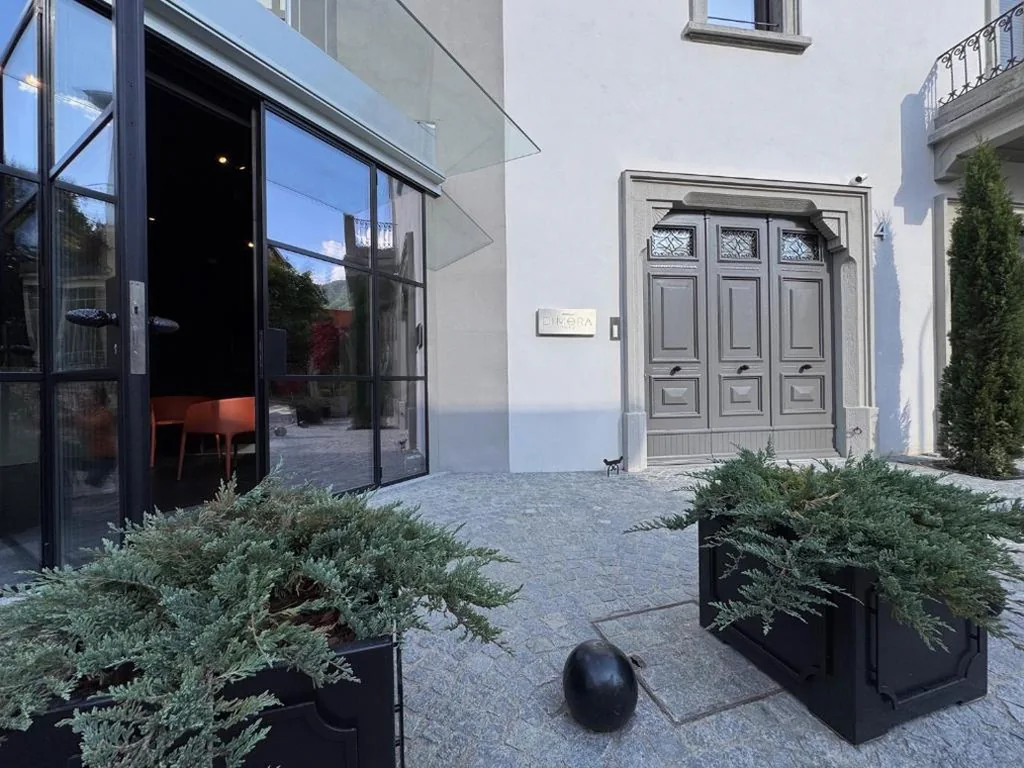
DIMORA1934 Relax&Comfort
A cosy guest house in a 1934 building in the centre of Tirano, with air-conditioned rooms and attention to detail. It is the perfect base for taking the famous Bernina Express, which departs from here towards St. Moritz, and for exploring the lower Valtellina and its wines.
Bergamo: Italy’s most beautiful upper town
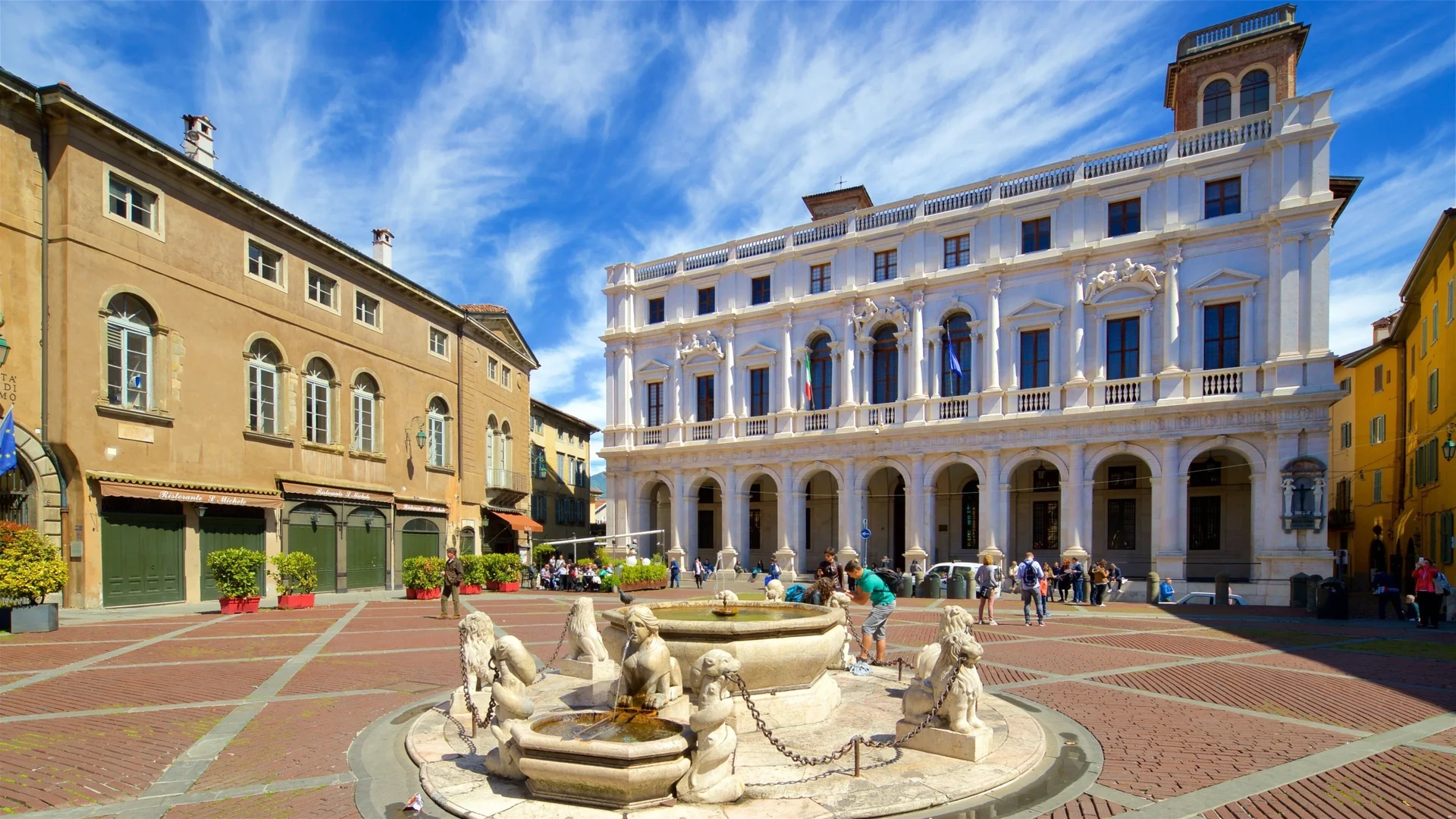
Bergamo is one of the loveliest surprises in the north: the Città Alta (upper town), encircled by the Venetian walls — a UNESCO site — is a jewel of squares, churches and alleys, while the lower town is elegant and lively. In 2023 Bergamo was Italian Capital of Culture together with Brescia, and its fame has grown greatly since. It also has Orio al Serio airport, one of Italy’s main low-cost hubs, making it a very convenient base to arrive and depart. Ideal for a weekend of art and good food. Go deeper in the guide on where to stay in Bergamo.
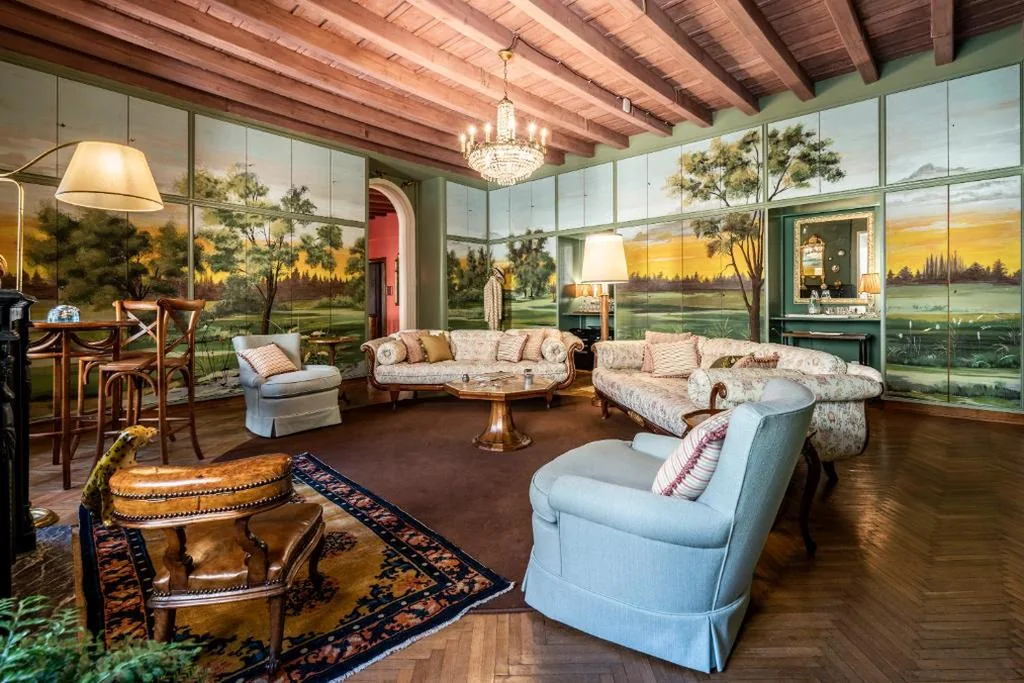
Foresteria di Palazzo Radici
A B&B in the historic heart of upper Bergamo, with soundproofed rooms and garden views. Sleeping inside the walls, a step from Piazza Vecchia, means experiencing the Città Alta in the early morning and evening, when the coaches leave and only the magic of the alleys remains.
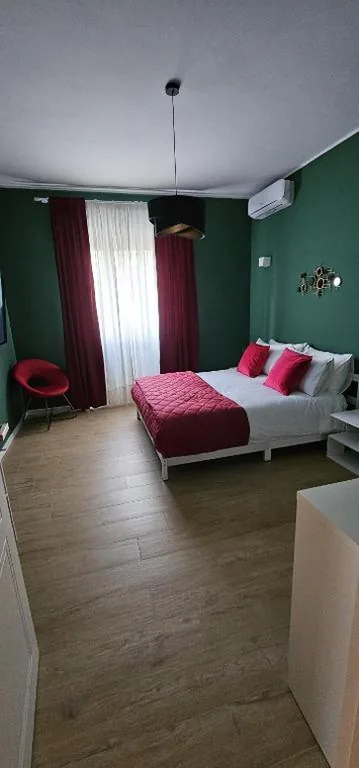
B&B Casa Davide
A welcoming B&B in the lower town, a few steps from the Accademia Carrara and the funicular to the upper town. Good location, comfortable rooms and excellent value: a practical choice for those arriving at Orio who want to take in Bergamo at their own pace.
Franciacorta and Lake Iseo: sparkling wine and Monte Isola
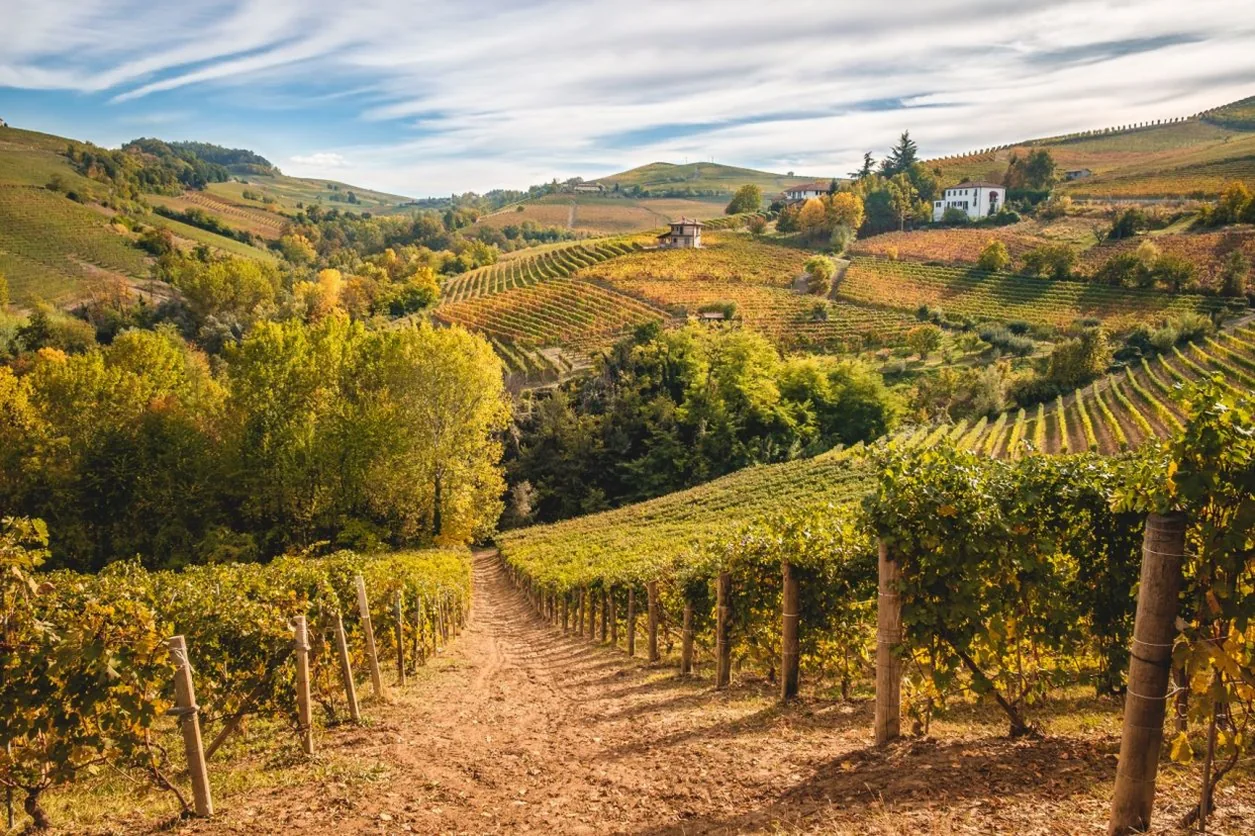
Between Brescia and the lake stretches Franciacorta, the district of great classic-method sparkling wines: rolling vineyards, wineries to visit and elegant farm stays for a weekend built around wine. Beside it is Lake Iseo, the most intimate of Lombardy’s great lakes, with Monte Isola at its centre — the largest inhabited lake island in Europe, where cars don’t circulate. Iseo and Sarnico are the handiest bases. This is slow, gourmet Lombardy, a stone’s throw from the busiest spots but far from mass tourism. All the tips in the guide on where to stay in Franciacorta and on Lake Iseo.
Acquachiara Iseo Center
A villa B&B in the centre of Iseo, with free private parking and a garden, a short walk from the lakefront and the pier for Monte Isola. A convenient, green base for combining Franciacorta tastings with lakeside strolls, with the car safe and everything within walking distance.
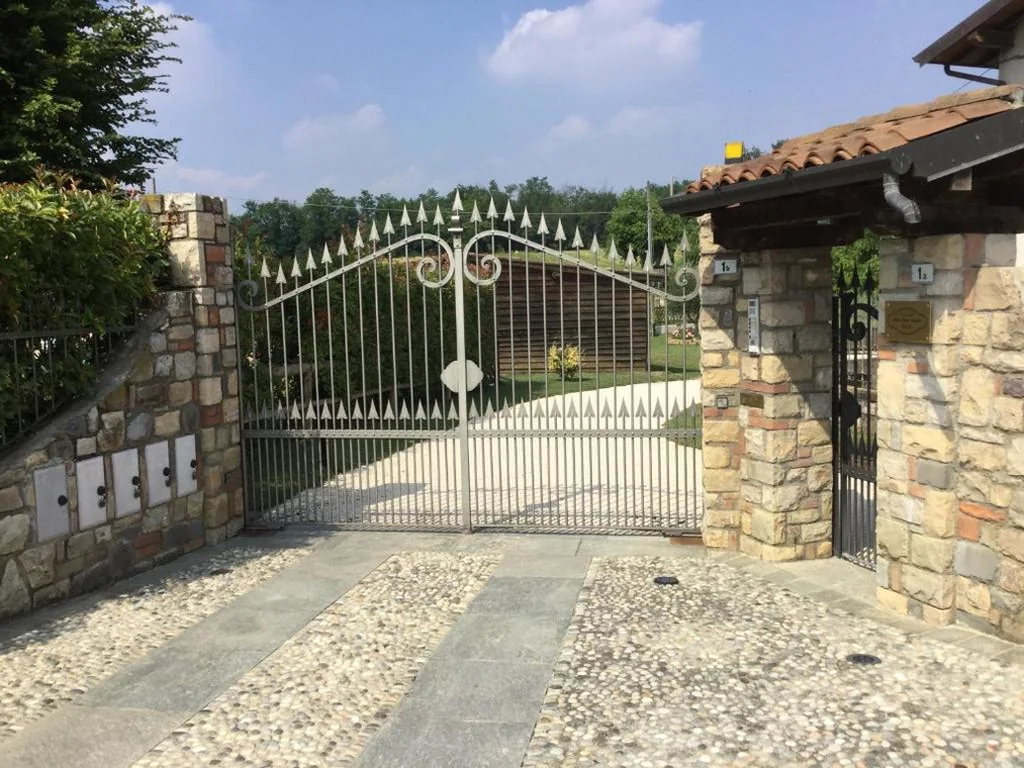
B&B Corte Sant’Angelo
Set in the greenery of Franciacorta at Passirano, this B&B with garden and free parking is made for those who want to wake up among the vineyards. Its quiet location, a short distance from the best-known wineries, makes it an ideal retreat for a wine weekend for two.
Mantua: the Gonzaga city on the water
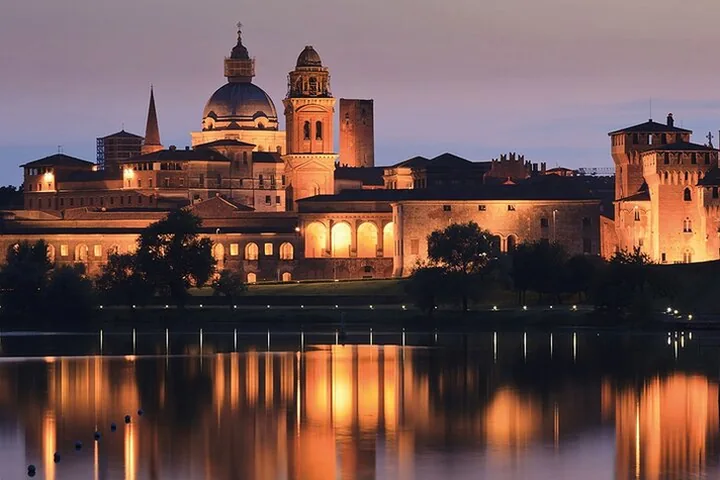
Mantua is one of the capitals of the Po Valley Renaissance: the city of the Gonzaga, a UNESCO site together with nearby Sabbioneta, mirrors itself in three lakes formed by the Mincio and is a concentrate of art — Palazzo Ducale with Mantegna’s Camera degli Sposi, and Palazzo Te — and of good food, from pumpkin tortelli to risotto alla pilota. It is perfect for a human-scale art weekend, entirely walkable or cyclable along the water. Less crowded than the big destinations, it offers a suspended, refined atmosphere. Find out more in the guide on where to stay in Mantua.
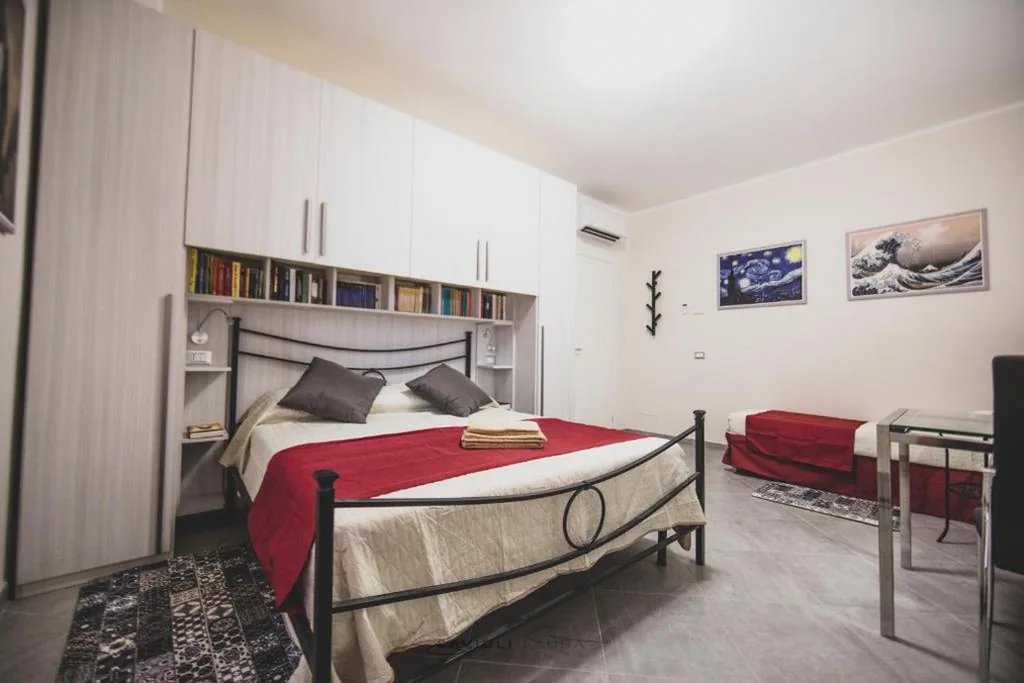
Art & Books
A refined B&B in the historic centre of Mantua, a few steps from Palazzo Te and Palazzo Ducale. Elegant rooms and an intimate atmosphere for art lovers: the pedestrian location lets you step straight out onto the city’s treasures, with no parking worries.
B&B Casa del Teatro
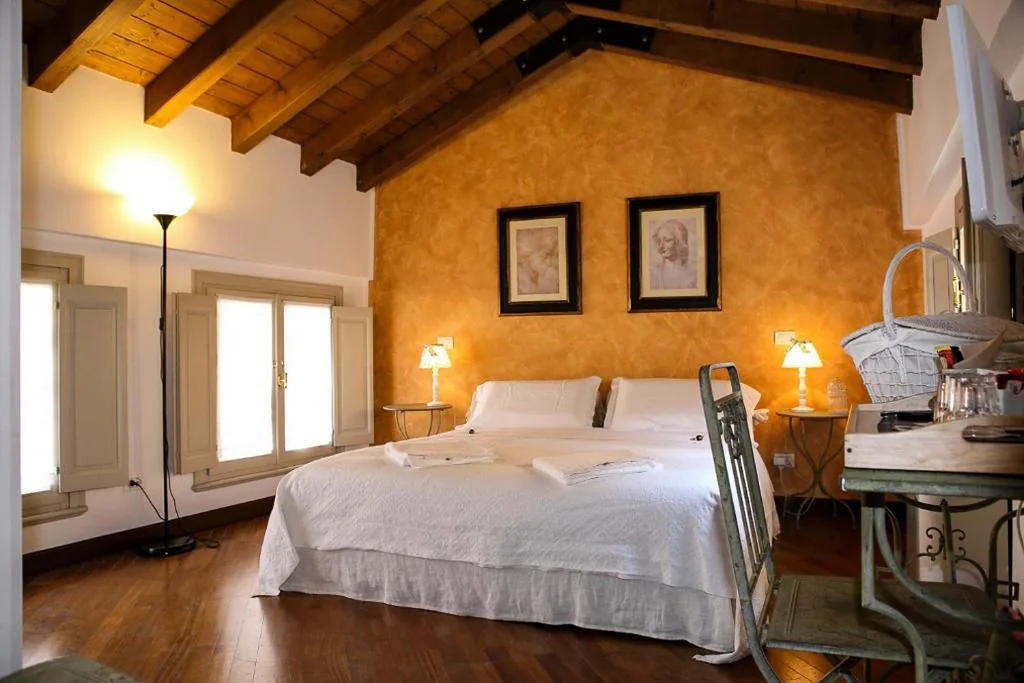
In the pedestrian heart of Mantua, among UNESCO alleys and squares, a B&B with air-conditioned rooms and a very long line of loyal guests. Handy for everything, from the station to the monuments, it is the practical, reliable choice for a first stay in town.
Lombardy’s other destinations
The region doesn’t end there. Brescia, Capital of Culture in 2023, is a splendid Roman and Lombard art city, and an excellent base for Franciacorta and the lower Garda. Lecco and its branch of the lake, among the mountains of Manzoni, combine lake and peaks in a more authentic setting, cheaper than western Como. Varese, with its UNESCO Sacro Monte, is the green gateway near Malpensa. For lovers of the mountains in summer and winter there is Ponte di Legno, on the Adamello-Tonale ski area. And for the art cities of the plain, Pavia with its Charterhouse and Cremona, home of violins and of the Torrazzo, are well worth a stop.
Frequently asked questions
Quick answers to the questions we are asked most often about where to stay in Lombardy.
What is the best area to stay in Lombardy?
It depends on what you’re after. For city life, art and shopping the choice is Milan; for a romantic, glamorous stay Lake Como; for a beach-and-active holiday the Lombard shore of Garda; for skiing and spas Valtellina, with Bormio and Livigno. Bergamo and Mantua are ideal for an art weekend, Franciacorta for wine. Lombardy also lets you combine several areas, since distances are short.
Lake Como or Lake Garda?
They are two different souls. Lake Como is more vertical and scenic, with villas, gardens and villages perched over the water, and a glamorous, international atmosphere — better suited to couples and travellers seeking charm and slowness. Garda is more open and Mediterranean, with beaches, theme parks, water sports and lively town life: perfect for families and active holidays. Both are stunning: the choice depends on your holiday style.
Where should I stay in Milan?
For a cultural weekend it’s best to stay in the centre, between the Duomo and Brera, so you can walk everywhere; the Navigli are ideal for evening nightlife, Porta Nuova and Isola for the city’s modern face. To spend less while keeping excellent connections, the areas around Central Station and Città Studi are a good compromise. Milan has an efficient metro, so even an outlying spot near a stop works well.
Can you still ski in Lombardy after the 2026 Olympics?
Yes, more than ever. In February 2026 Valtellina hosted the Olympic events of alpine skiing at Bormio and of freestyle and snowboard at Livigno, and since then upgraded facilities and a new international profile remain. Bormio, Livigno and Santa Caterina Valfurva offer slopes for every level throughout the winter season, and Bormio will also host the 2028 Winter Youth Olympic Games. It’s worth checking the lift-opening dates year by year, depending on snowfall.
When is the best time to visit Lombardy?
Every season has its destination. The lakes (Como, Garda, Iseo) are at their best from April to October, with summer as high season; September is ideal, with mild weather and fewer crowds. The Valtellina mountains are for winter skiing and summer hiking. The art cities — Milan, Bergamo, Mantua — can be visited all year, and Milan peaks during major fairs such as the Salone del Mobile. Spring and autumn are great for combining several areas.
How many days do you need, and can you combine areas?
For a city-break in Milan two or three days are enough; for a lake (Como or Garda) allow at least three or four nights to enjoy it without rushing. The beauty of Lombardy is that distances are short and combinations easy: Milan pairs perfectly with Bergamo (half an hour by train) or a day trip to Lake Como; Garda links up with Verona and Mantua; Franciacorta with Brescia and the lower lake. With a week you can experience two or three different souls of the region, alternating city, water and perhaps a taste of the mountains.