
When the snow melts, the Dolomites reveal their greenest face: flowering meadows, larch woods, turquoise lakes and the finest rock spires in the world, a UNESCO World Heritage Site. It is the season of trekking, of mountain huts, of the historic via ferratas and the alpine pastures, but also of cycling, panoramic cable cars and easy family walks. With a cool climate even in high summer, they are the ideal destination for those who love the active mountains. Here we help you choose where to stay, valley by valley, with the small hotels at the foot of the crags we choose one by one.
Every valley has its own mountains and its own excursions: the Sellaronda for the great circuits, the Tre Cime and the Pale for the legendary views, the Odle and the Brenta for the most authentic nature. Let’s look at the areas one by one, and then the activities and the seasons.
The great valleys: Gardena, Alta Badia and Val di Fassa
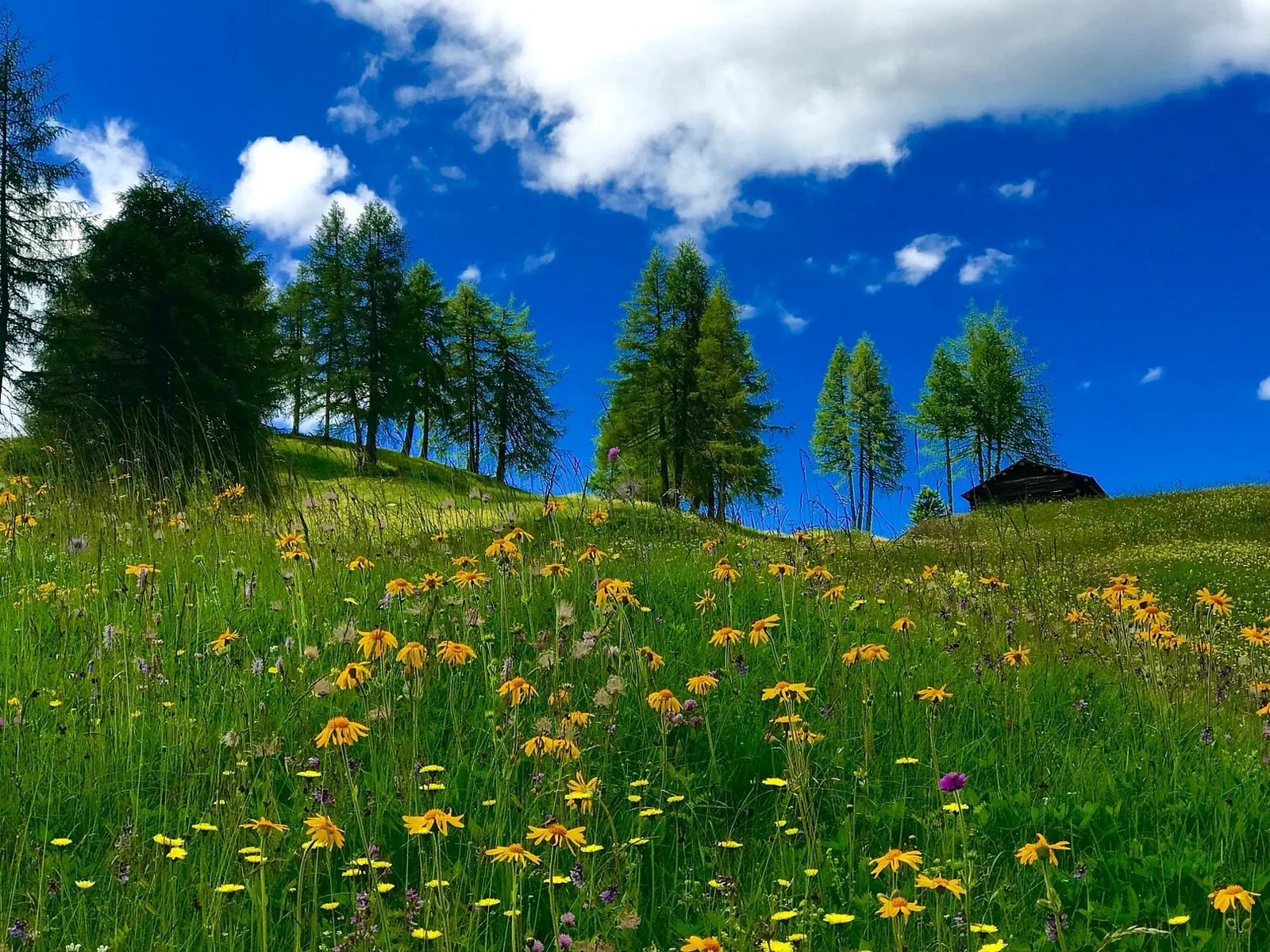
The great Ladin valleys are the heart of Dolomite trekking. Val Gardena, at the foot of the Sassolungo and with the Alpe di Siusi plateau and the Seceda balcony, offers trails for every level; Alta Badia combines excursions and good food among the meadows; Val di Fassa, beneath the Marmolada and the Catinaccio, is a paradise of via ferratas and mountain huts. They are handy bases, well served by the cable cars that in summer become gateways to the mountains.
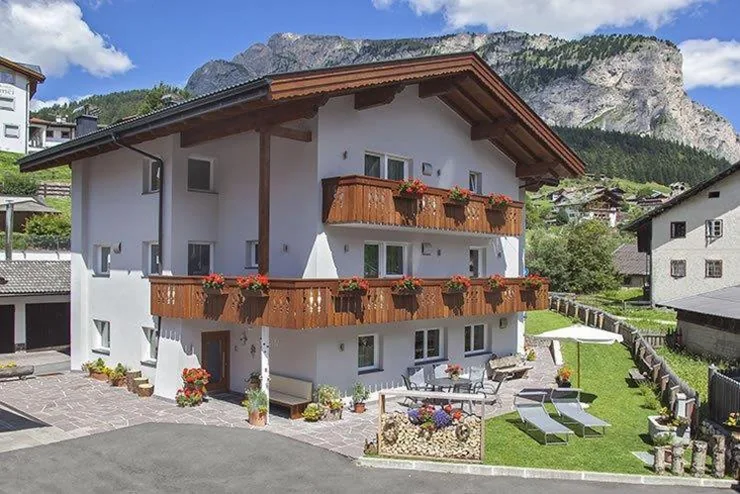
Villa Seceda
An Alpine-style bed and breakfast in Selva di Val Gardena, with well-kept interiors and a genuine breakfast, handy for the excursions towards the Sassolungo and the Seceda. The warm welcome and the central position make it an ideal base for summer trekking. Perfect for couples and families who love walking among the crags.
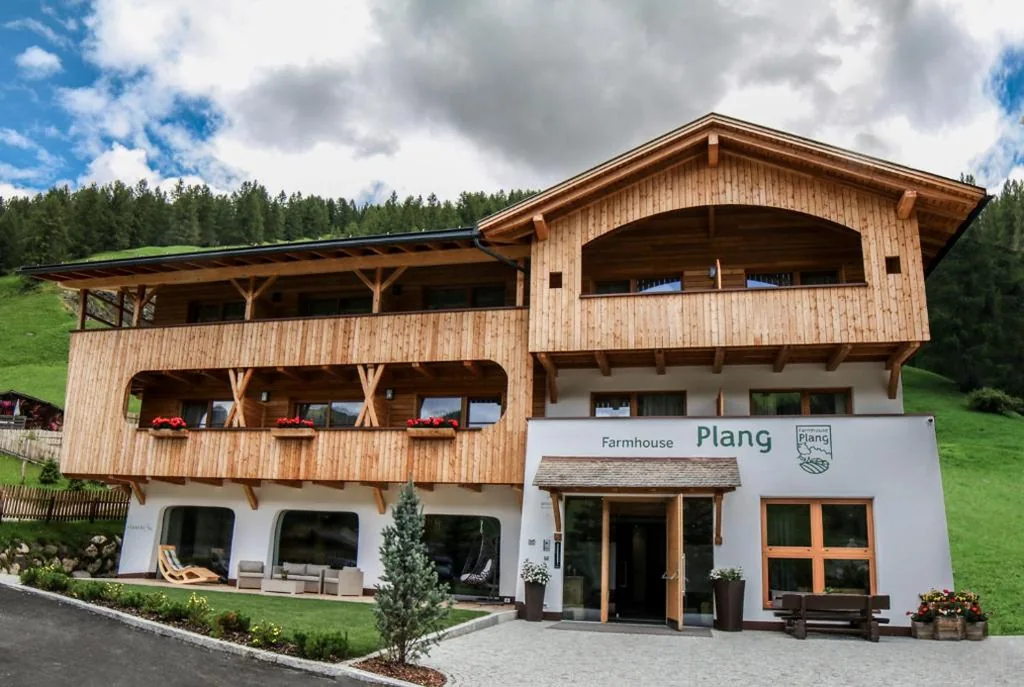
Plang Farmhouse
A mountain bed and breakfast in San Cassiano, in Alta Badia, with views of the Dolomites, a garden with a terrace and a hot tub. The farmstead atmosphere and the quiet of the meadows make it an authentic retreat for trekking and relaxation. Ideal for a couple or a family seeking nature and peace among the crags.
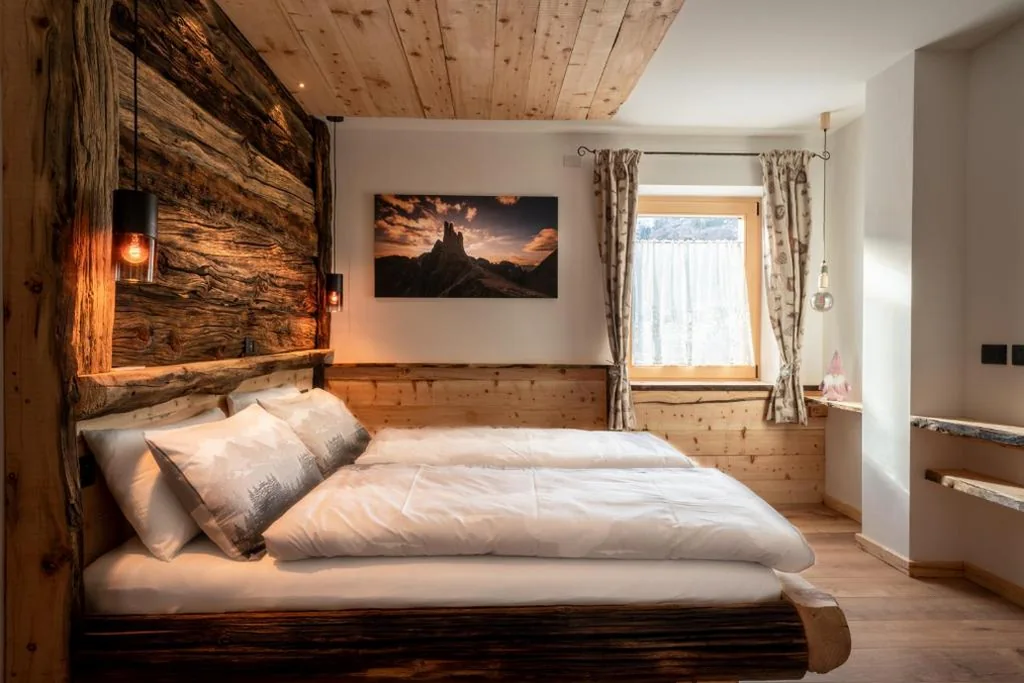
Ciasa Marizana
A family-run bed and breakfast in Soraga, in Val di Fassa, with panoramic terraces, a garden and views of the Dolomites. The Ladin warmth and the quiet position make it a perfect base for excursions towards the Catinaccio and the Marmolada. Ideal for couples and families seeking genuineness and views.
To go deeper, see the guides on Val Gardena, Alta Badia and Val di Fassa.
The Tre Cime, Braies and the Pale di San Martino
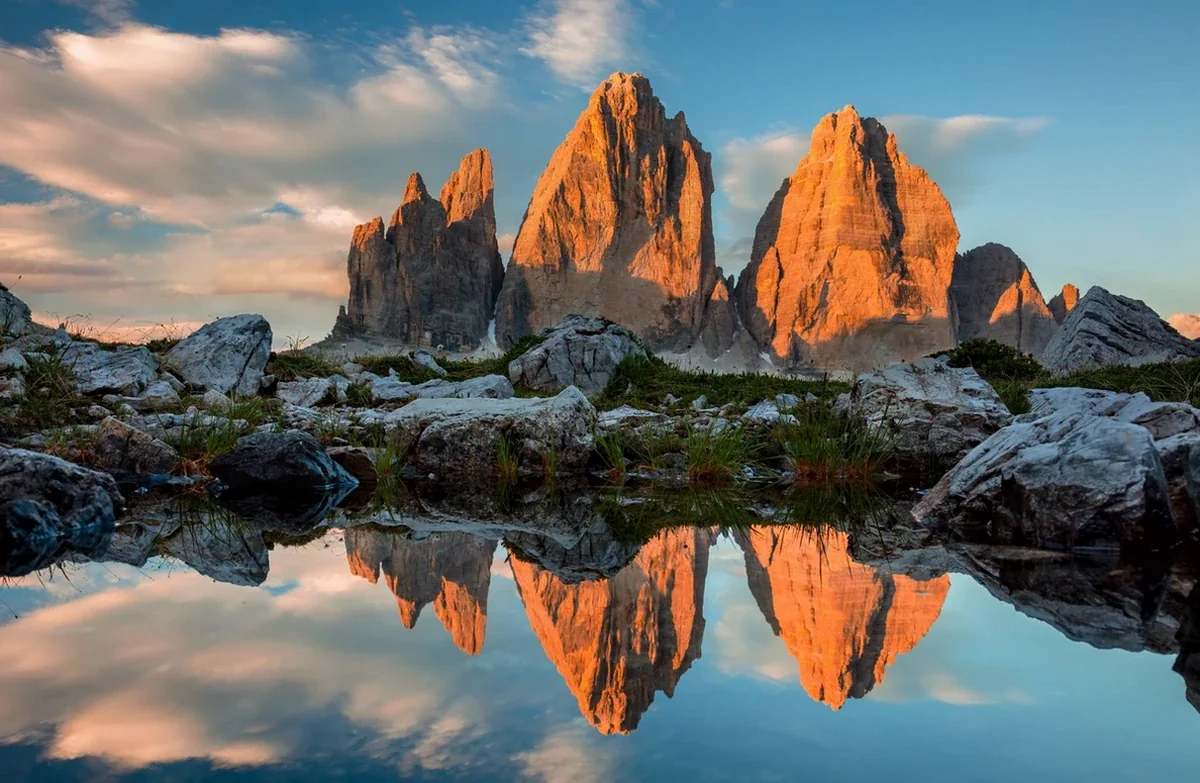
Some summer destinations are true icons. The Tre Cime di Lavaredo, with the famous loop around the peaks, and Lake Braies, in Val Pusteria, are among the most photographed places in the Alps; the Pale di San Martino, above Val di Fiemme, offer lunar plateaus and immense views. A word of caution, though: both Lake Braies and the road to the Tre Cime have regulated access in high season, with bookings, shuttles and road closures at certain times of day — it’s worth checking the year’s rules and arriving early or in the late afternoon.
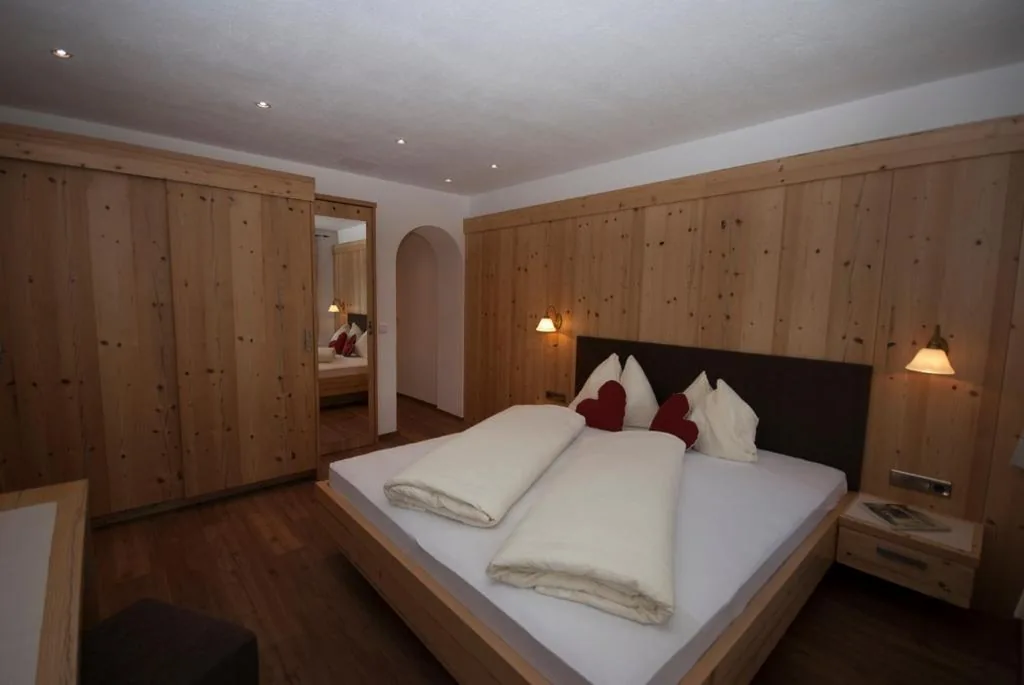
Landhaus Summerer
A welcoming guest house in Sesto, at the foot of the Sesto Dolomites and a step from the Val Fiscalina, with a garden and barbecue. The warmth of the family management and the position make it an ideal base for trekking towards the Tre Cime. Perfect for those who love the real mountains of the Alta Pusteria.
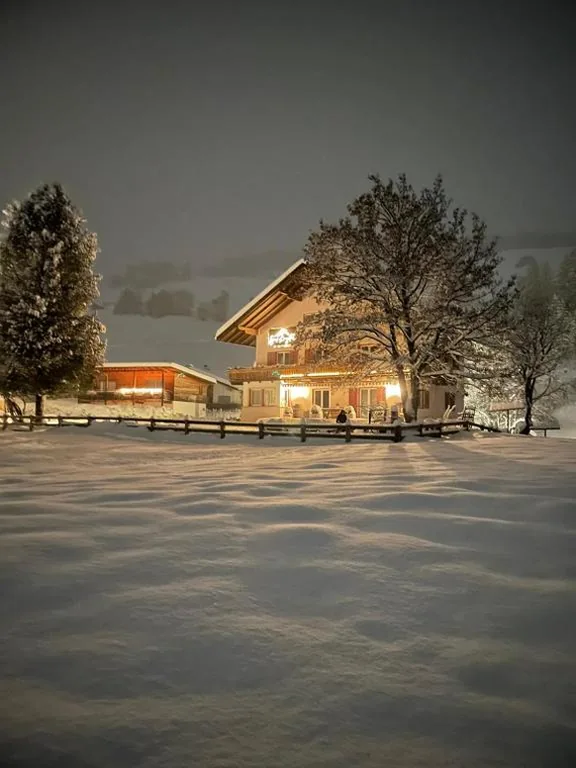
Garni Bergblick
A much-loved garni in Braies, with a garden and views of the Dolomites, a few kilometres from the famous lake. Staying in the area lets you enjoy the lake and the trails at the quietest times, when the day-visitors have already left. Ideal for those who want to discover Braies at leisure, between walks and nature.
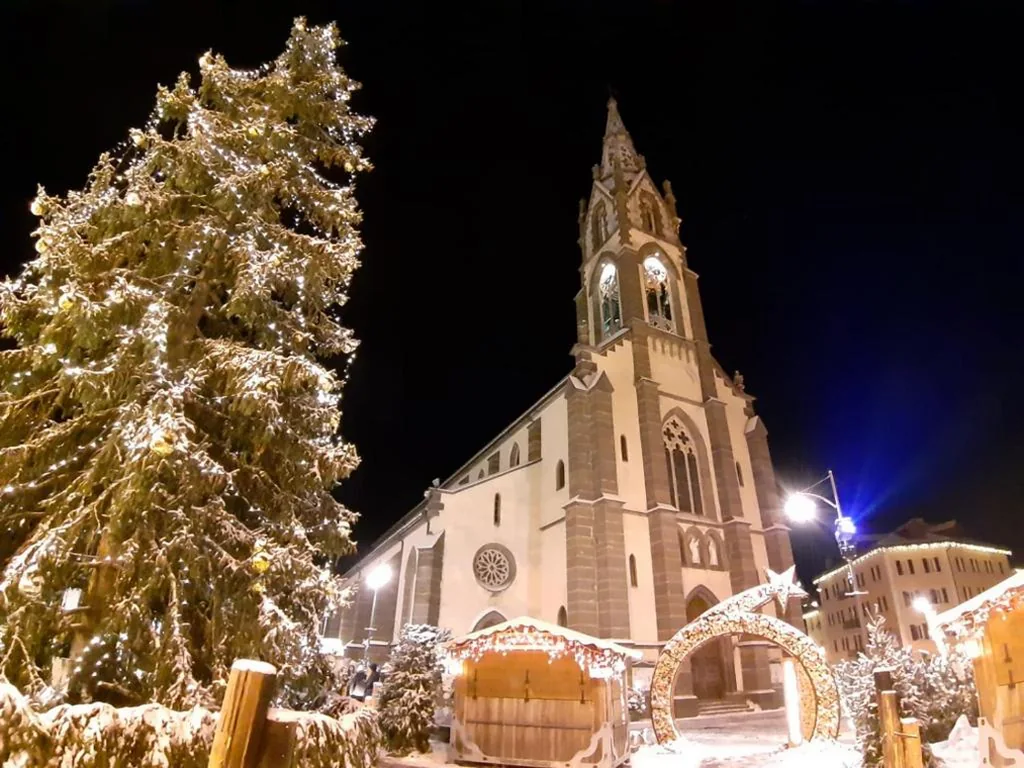
Le Bifore in valle
A family-run bed and breakfast in Predazzo, with mountain views and a handy position between the Latemar and the Pale di San Martino. The warmth of the management makes it an ideal base for excursions in the Paneveggio park and towards the Dolomite passes. Perfect for those who love the real mountains and the trails of Val di Fiemme.
The Odle, Fanes and the Brenta Dolomites
Away from the great flows, other valleys offer untouched nature. Val di Funes, with the profile of the Odle and the little church of Santa Maddalena, is one of the symbol-images of the Alps; the Brenta Dolomites, above Madonna di Campiglio and Val Rendena, are the realm of the bear and the great via ferratas, in the Adamello-Brenta park.
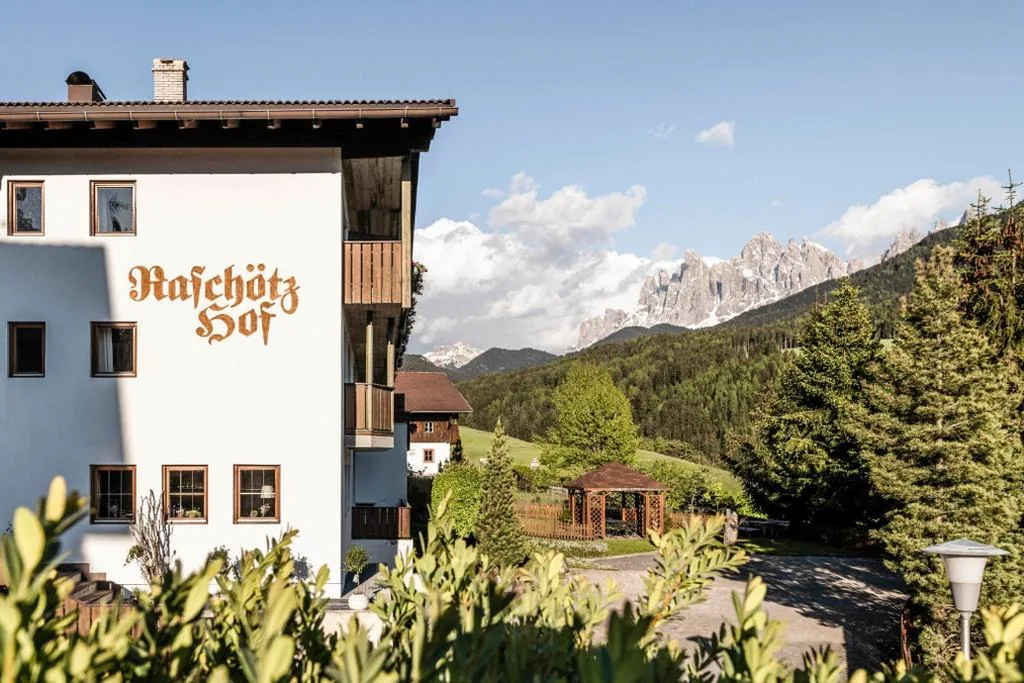
Raschötzhof
An Alpine-style guesthouse in Funes, immersed in the meadows with a panoramic view of the Odle and a garden with a barbecue. The quiet of the valley and the Dolomite panorama make it an authentic base for excursions in the Puez-Odle park. Ideal for families and couples seeking peace and the true flavours of South Tyrol.
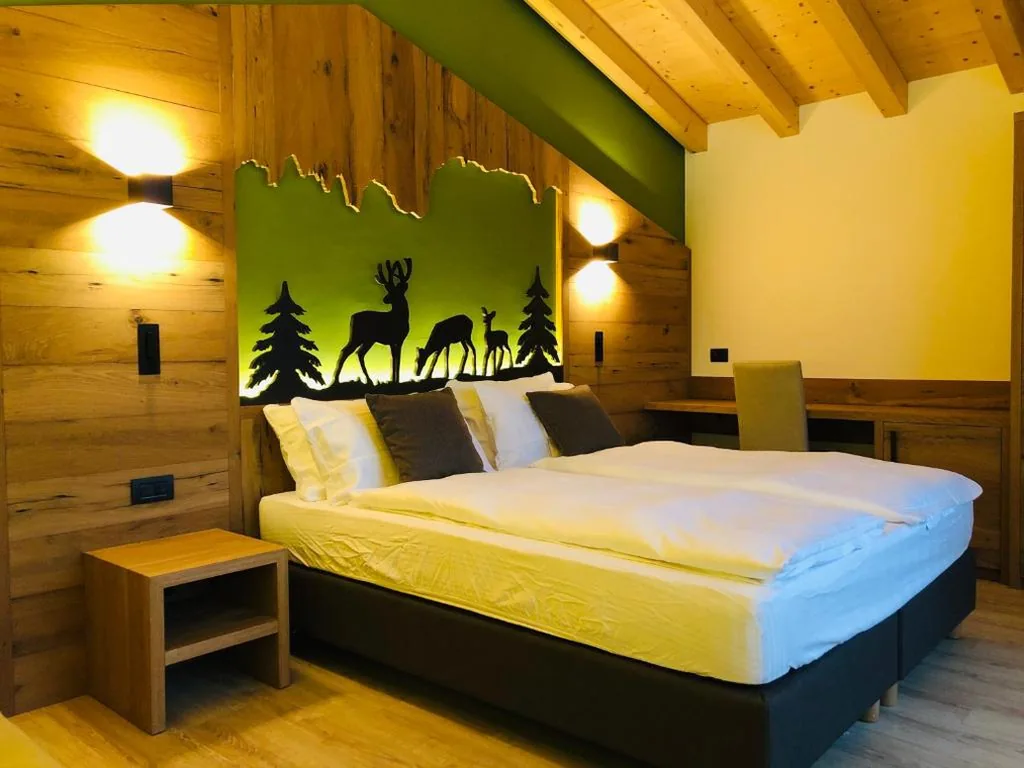
Fulun Mountain Lodge
A welcoming mountain lodge in Giustino, a step from Pinzolo and Val Genova, with balconied rooms and the warm atmosphere of a valley refuge. The family management and the position in the Adamello-Brenta park make it an authentic base for trekking towards the Brenta Dolomites. Perfect for those who love the real mountains.
Trekking, mountain huts and activities
In summer the Dolomites offer endless possibilities. The trails range from easy family walks, often reachable by the summer cable cars, to the great multi-day high routes from hut to hut; the historic via ferratas give thrills to experts, while the alpine pastures are the tasty stop of every excursion. There is no shortage of mountain biking and e-biking, with bike parks and itineraries for every level, and the many alpine lakes to cool off in.
A tip: at the most famous spots, such as Lake Braies and the Tre Cime, it’s worth setting out early in the morning or in the late afternoon, when the crowds thin and the light is at its best; staying in the area is the best way to experience them at leisure. For seasonal ideas, see also what to do in Trentino-Alto Adige in summer, and for the lake destinations where to stay on Trentino’s lakes.
When to go
The summer season in the Dolomites runs roughly from June to September. June brings flowering meadows and still-quiet trails, but there may be residual snow up high and not all the mountain huts are open; July and August are the peak of summer, with all the lifts and huts running, but also the busiest months, especially around mid-August. September is often the best period: stable weather, fewer crowds, gentler prices and the first colours of autumn.
It’s always worth checking the opening of cable cars, mountain huts and access roads, which changes from year to year, and at the busiest spots finding out about the access rules in advance. For the region’s other destinations, see the guide where to stay in Trentino-Alto Adige.
This guide is part of our grand journey through the region: discover all the destinations and areas in Where to Stay in Trentino-Alto Adige.
Frequently asked questions
Quick answers to the questions we’re asked most often about where to stay in the Dolomites in summer.
Which is the best valley for the Dolomites in summer?
It depends on what you’re after. Val Gardena, with the Alpe di Siusi and the Seceda, and Alta Badia offer the most famous and handiest trails; Val di Fassa is a paradise of via ferratas beneath the Catinaccio and the Marmolada; the Alta Pusteria is the destination for the Tre Cime and Lake Braies; Val di Funes gives you the Odle and untouched nature. All are excellent bases for trekking, with summer cable cars and mountain huts.
How can you visit Lake Braies or the Tre Cime without the crowds?
These places are beautiful but very crowded, and in high season they have regulated access with bookings, shuttles and road closures at certain times of day. It’s worth checking the year’s rules, arriving early in the morning or in the late afternoon and avoiding the middle of the day. Staying in the area helps a lot: you experience the places once the day-visitors have already left.
When is the best time to go to the Dolomites in summer?
The season runs from June to September. June has flowering meadows and fewer crowds, but there may be snow up high and not all the huts are open; July and August are the peak of summer, with everything open but busier, especially around mid-August; September is often the ideal period, with stable weather, fewer people and the first colours of autumn. It’s worth checking the opening of lifts and huts.
Are the Dolomites in summer suitable for families?
Very much so: besides the demanding excursions, there are lots of easy walks, often reachable by the summer cable cars, lakes to cool off in, alpine pastures, parks and activities for children. Valleys such as Val Gardena, Val di Fassa and the Alta Pusteria are very well equipped for families. The cool climate even in high summer makes the mountains a perfect destination with children.
Do you need a car for a summer holiday in the Dolomites?
Not always: many valleys are well served by buses and summer cable cars, and with the guest cards included by many properties public transport is good value. At the spots with regulated access, indeed, the shuttle is often the best way to arrive. A car remains handy for the side valleys and the more remote trailheads, but for many excursions it is not essential.