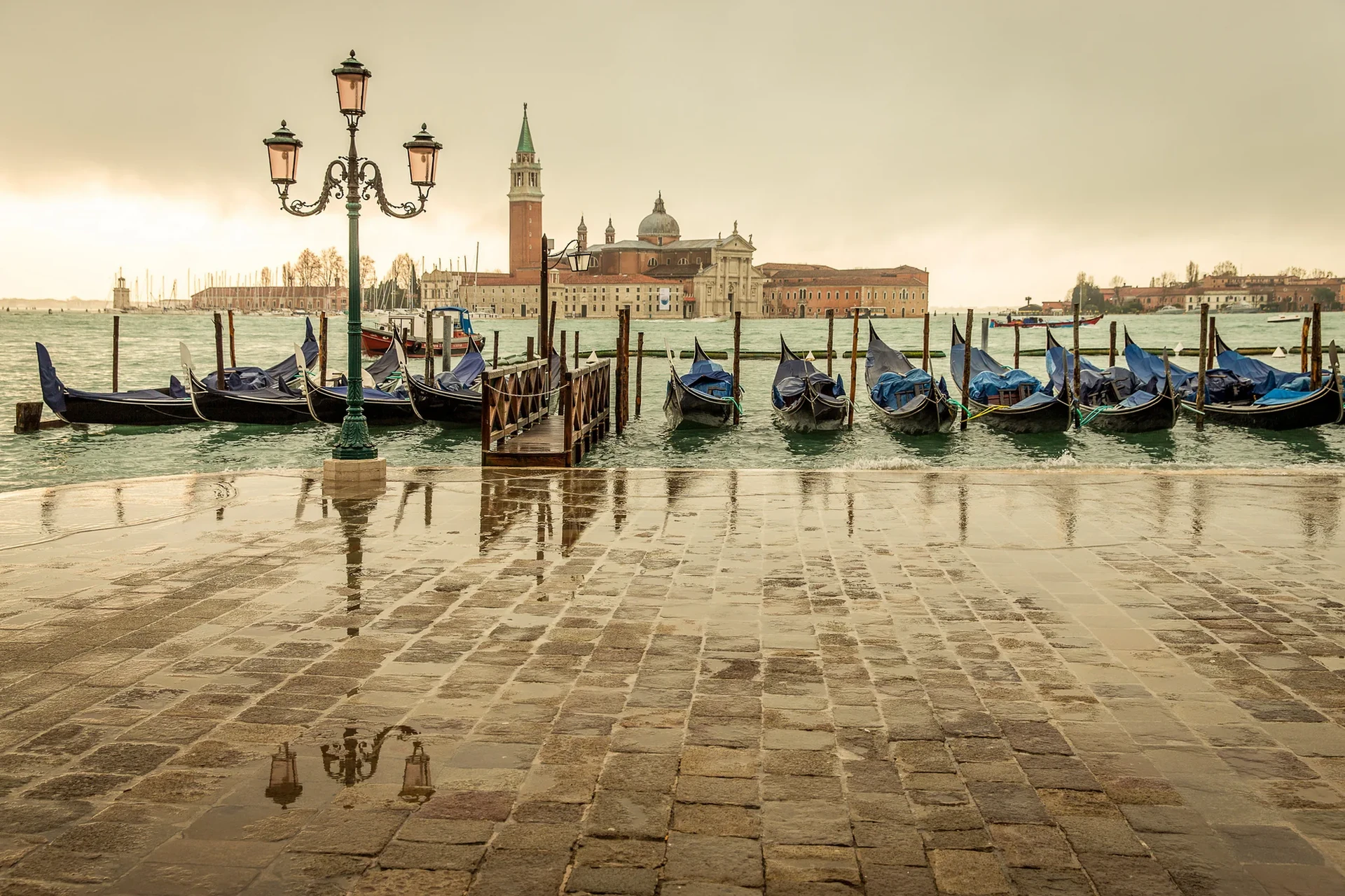

Venice resembles no other city in the world: a tangle of canals, bridges and alleys built on the water, where cars don’t exist and you move on foot or by vaporetto. A UNESCO World Heritage city together with its lagoon, it’s one of the most desired destinations on the planet and the symbol of Veneto tourism. But precisely for this reason, choosing where to stay in Venice takes some care: the right area completely changes the experience, between atmosphere, convenience and budget.
The historic city is divided into six sestieri — San Marco, Cannaregio, Castello, Dorsoduro, San Polo and Santa Croce — to which are added the lagoon islands (Giudecca, Lido, Murano, Burano) and the mainland of Mestre. In this guide we tell you the character of each area, with practical tips and a selection of properties among the most appreciated by travellers, to help you find the perfect base for your stay.
How long to stay? For a first visit, two or three nights let you see the great sights without rushing and enjoy the city in the evening too. Those with more time can devote a day to the lagoon islands and use Venice as a base for the rest of Veneto, from Padua to the hills. In any case, the secret to loving Venice is to slow down: get up early, walk with no destination and let the city surprise you at every bridge.
One advantage to know right away: Venice applies an access fee for day-trippers on certain high-traffic days, but those who stay overnight are exempt and pay only the tourist tax. Sleeping in Venice, then, not only gifts you the city in its most magical moments — early morning and evening, when the day-trippers leave — but also avoids the entry ticket.
Before getting into the sestieri, a method tip: in Venice distance isn’t measured in metres but in alleys and bridges, and “closeness” to a vaporetto stop or the station matters more than the address. Always consider how easy it is to reach the property with your luggage — in Venice you drag it by hand up and down the bridges — and whether it’s served by a nearby landing. That said, whichever sestiere you choose you’re still in the heart of a city you can cross on foot in an hour: no area is really “far”.
San Marco and Rialto: the monumental heart
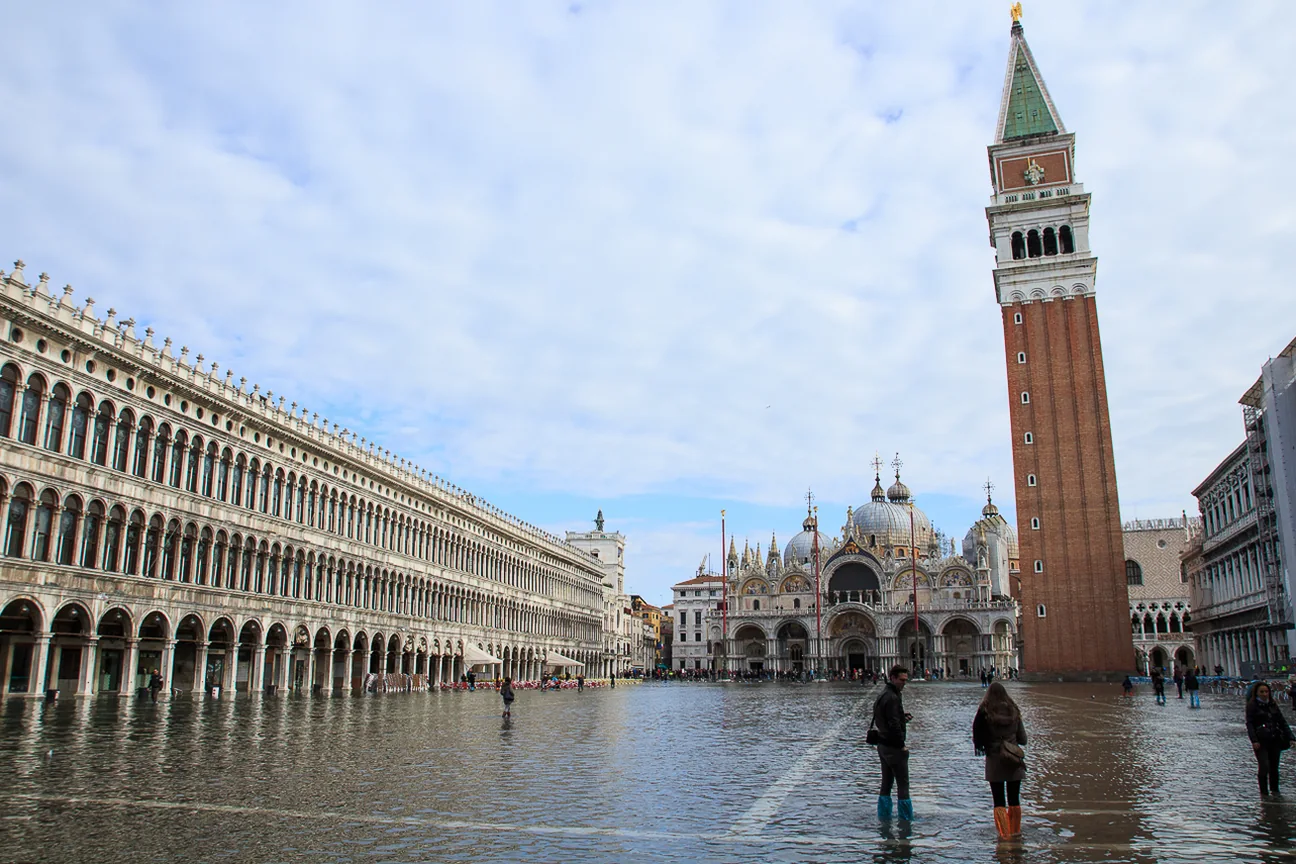
San Marco is Venice’s nerve centre: here you’ll find the famous square, St Mark’s Basilica, the Doge’s Palace, the Campanile and La Fenice theatre. It’s the most prestigious and scenic sestiere, a short walk from the Rialto Bridge and the elegant shops. Sleeping here means having the great attractions on your doorstep and living the magic of the deserted square at dawn. It’s the priciest and most touristy area, but also the handiest for those visiting Venice for the first time who want everything within reach.
Around the square are also the Correr Museum, the Clock Tower with the Moors striking the hours, and the refined boutiques of the Mercerie leading towards Rialto. Climbing the Campanile or looking out from the loggias of the Doge’s Palace gifts you one of the most famous views in the world. It’s the ideal sestiere for those with little time who want to concentrate the great sights, accepting more crowds in the central hours of the day in exchange.
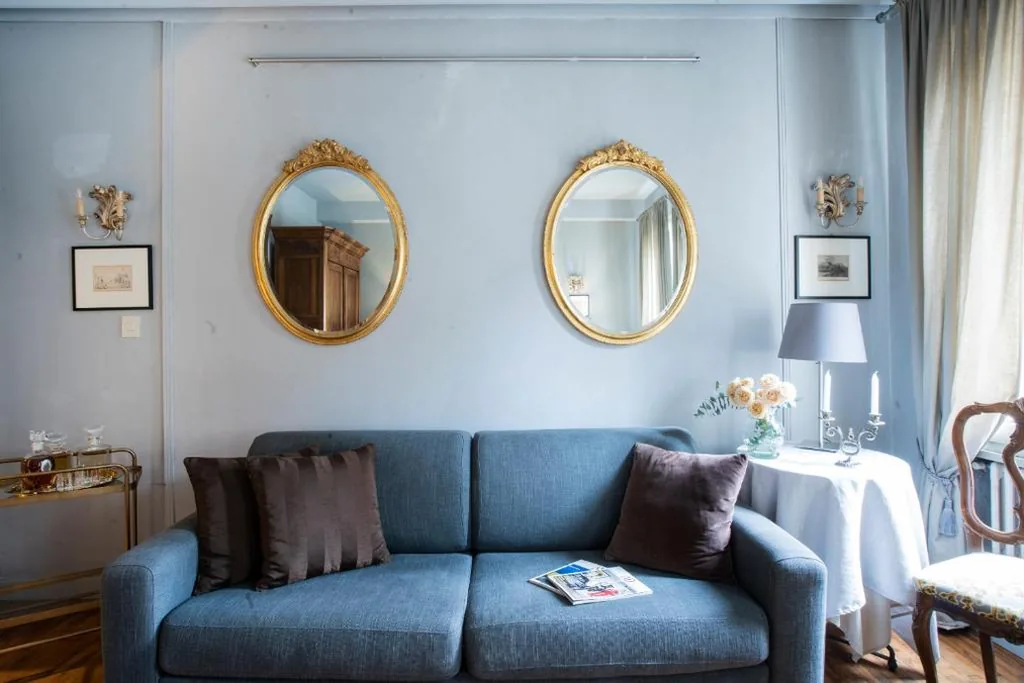
Giò&Giò Venice B&B
A B&B in the heart of Venice, along Calle delle Ostreghe, a few minutes’ walk from St Mark’s Square and La Fenice theatre. An unbeatable position and a warm welcome: the ideal base for experiencing the monumental centre at any hour of the day.
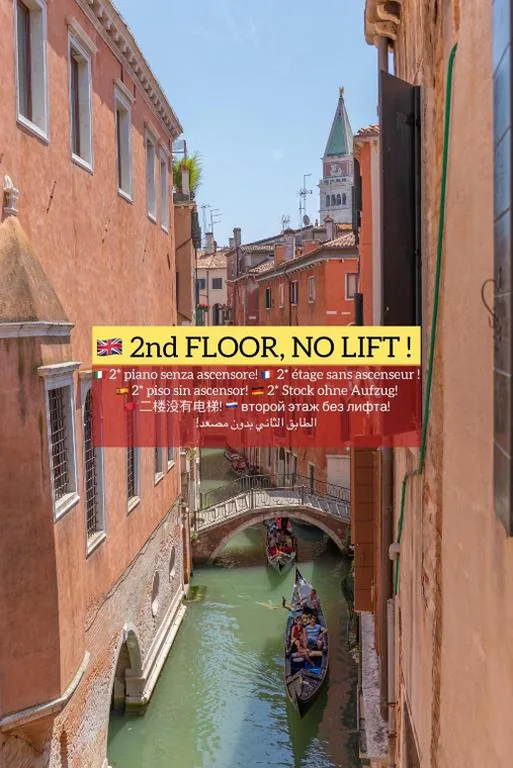
Canal View San Marco Luxury Rooms
A refined guesthouse on Calle dei Fabbri, halfway between St Mark’s Square and the Rialto Bridge, with elegant air-conditioned rooms. A well-kept, very central address, perfect for walking between the two great icons of Venice.
Cannaregio: the authentic soul
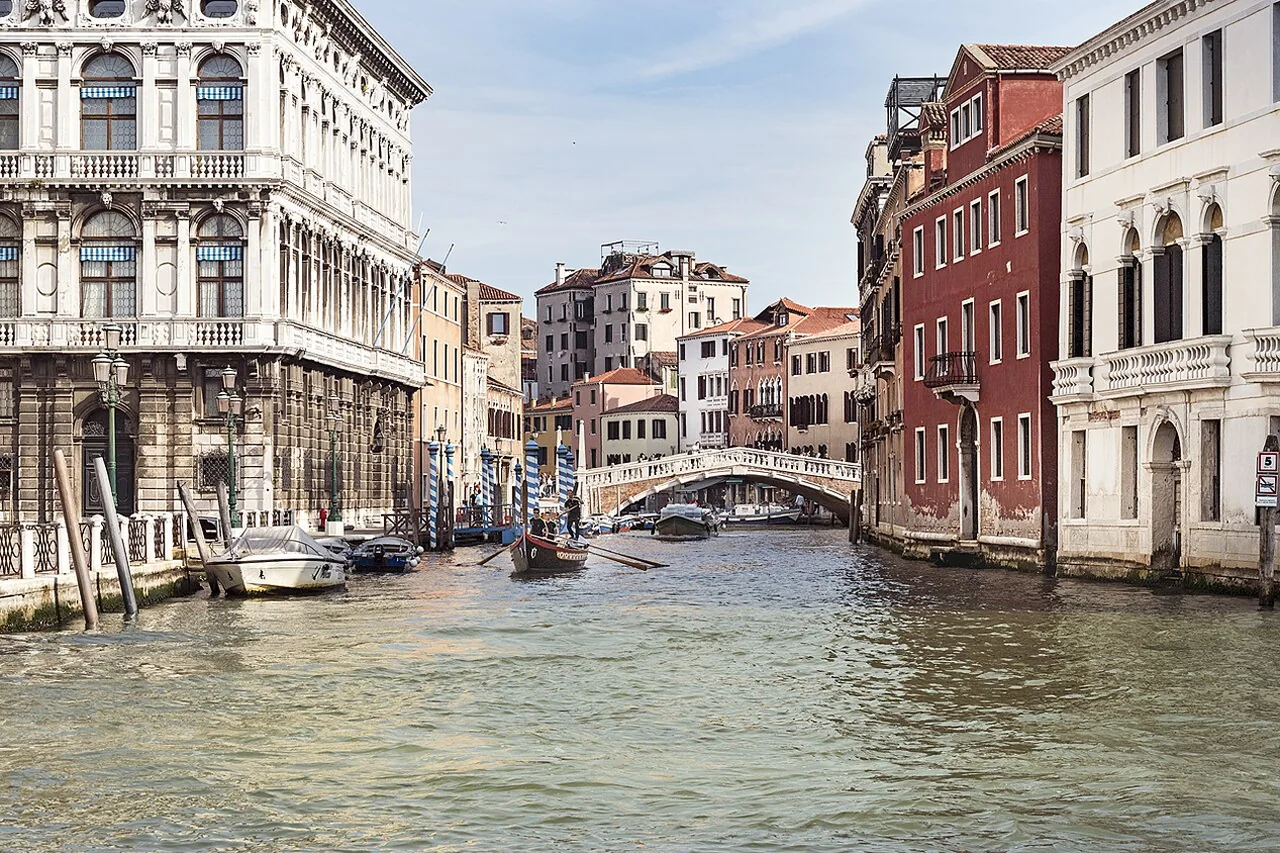
Cannaregio is the most populous and authentic sestiere, the one where you breathe the real Venice, made of workshops, osterie and sunny fondamenta along the canals. Here you’ll find the Jewish Ghetto, the oldest in the world, the Ca’ d’Oro and the long Strada Nova. The area towards the Rialto Bridge is lively and full of bacari, the typical bars where you have an aperitivo with an ombra of wine and cicchetti. It’s also very handy, because it borders the Santa Lucia railway station.
Cannaregio is perfect for those who want to experience Venice like a resident, between local atmosphere and on average more affordable prices than San Marco, while staying a few minutes’ walk from the great attractions. In the evening, the ritual of the aperitivo among the bacari of Fondamenta della Misericordia or the Ormesini is one of the most authentic experiences the city can offer: a round of cicchetti and ombre is worth more than many guidebooks. Here are three properties we recommend in the sestiere.
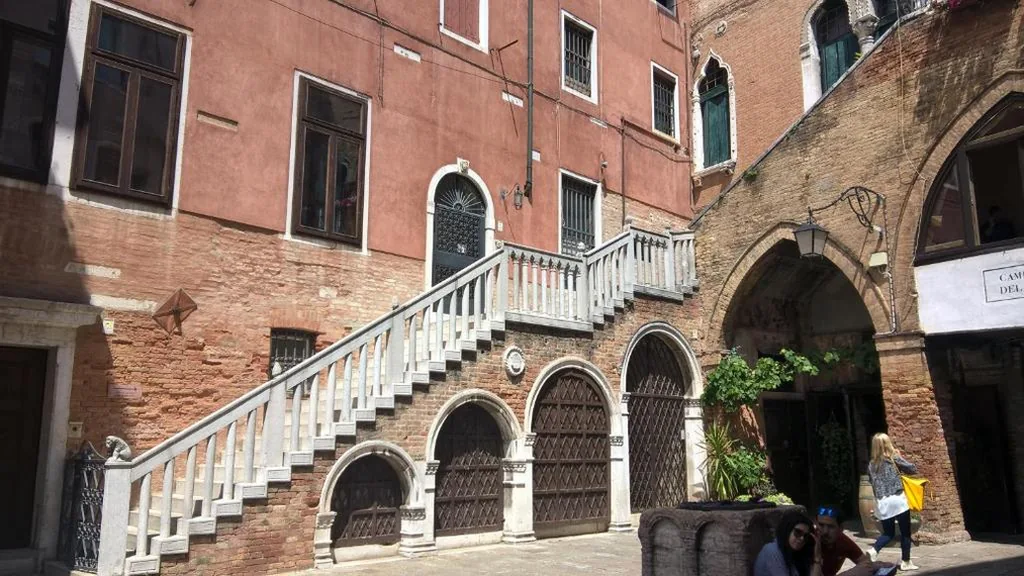
Scalon del Doge B&B
A historic residence overlooking the Grand Canal, a short walk from the Rialto Bridge. Waking up with the view over the water and the coming and going of the gondolas is an experience worth the trip: an address of great charm in the beating heart of the city.
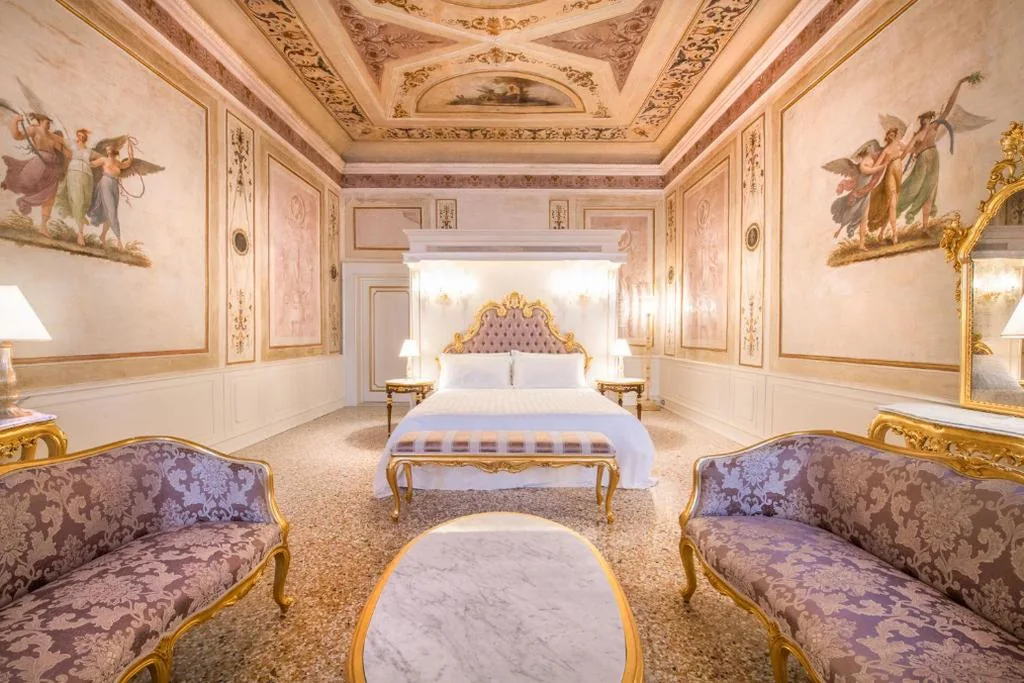
Ca’ Bonfadini Historic Experience
A refined 5-star in a 16th-century palace in the Cannaregio sestiere, with elegant suites overlooking a canal and a garden. The luxury of a historic Venetian residence with impeccable hospitality, for an unforgettable stay.
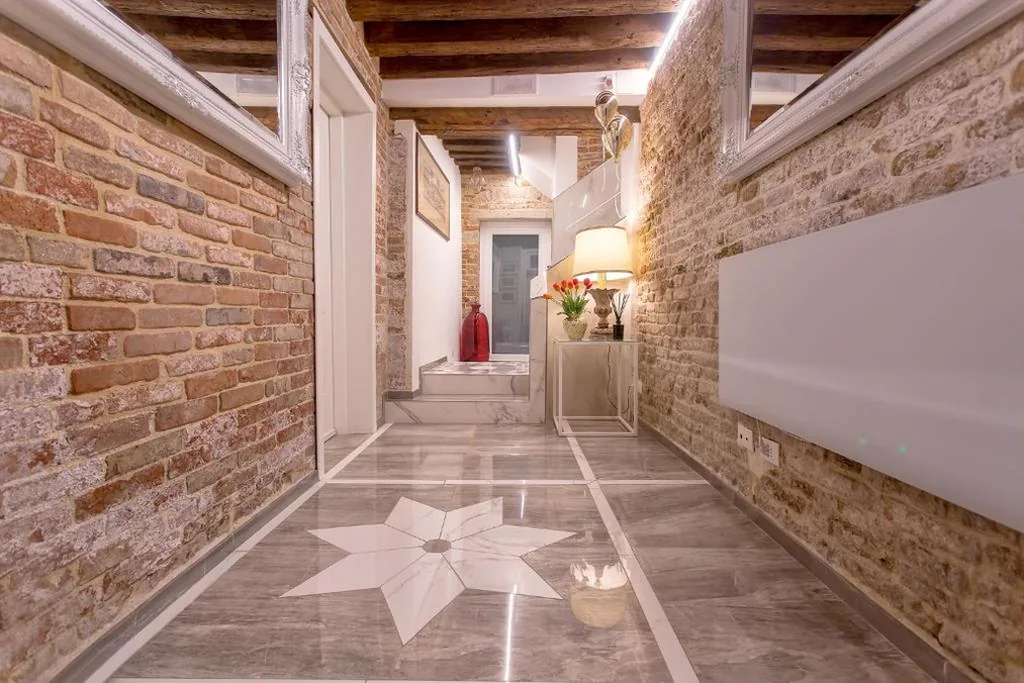
CàPatron
A refined guesthouse in the Cannaregio sestiere, a short distance from the Ca’ d’Oro and the Rialto Bridge. Carefully finished and well located, it’s the ideal base for exploring authentic Venice among workshops, bacari and canal views.
Castello: quiet and residential
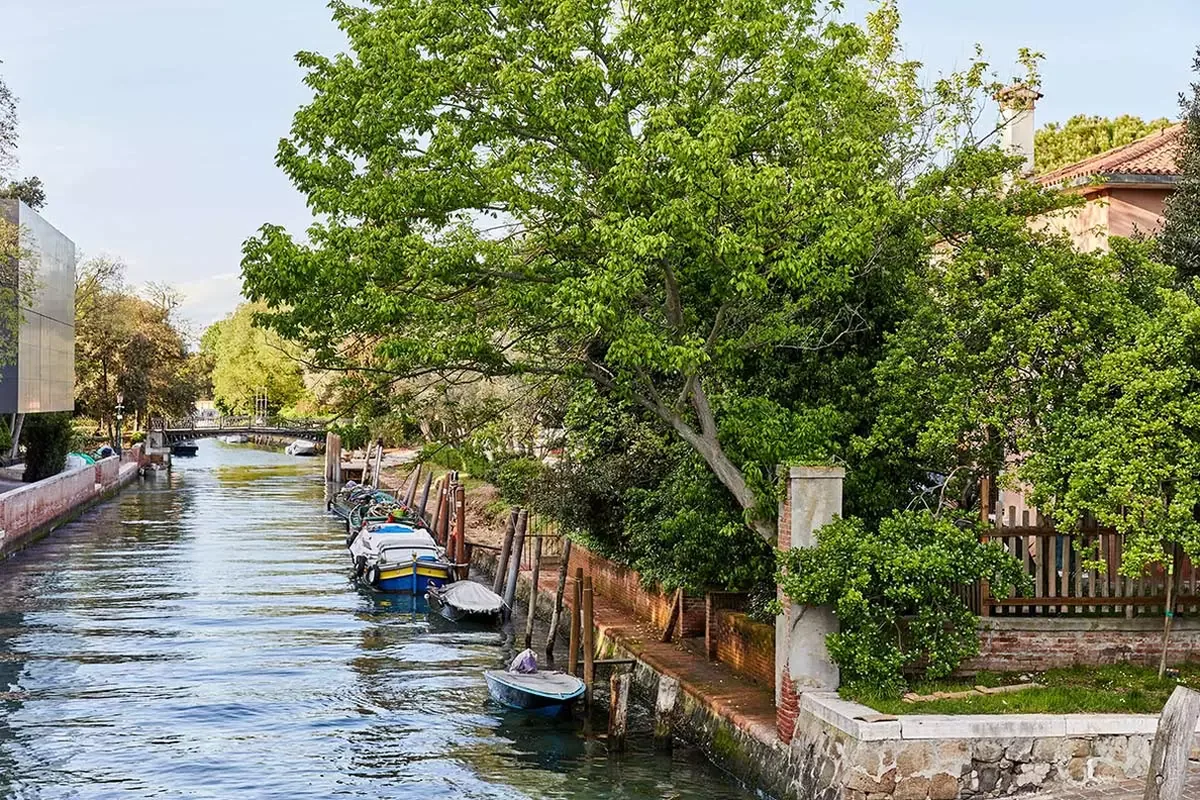
Castello is Venice’s largest sestiere and, moving away from San Marco, one of the quietest and most authentic. The part near the square is very central; heading east you enter a residential, silent Venice, made of little squares, artisans and washing hung out to dry. Here you’ll find the Biennale Gardens and the Arsenale, and every two years the sestiere becomes the heart of world contemporary art. It’s an area that combines convenience and calm, often with lower prices.
Castello is the right choice for those who want to be near San Marco but sleep in a more relaxed, local atmosphere, rediscovering the pleasure of getting lost among the alleys away from the crowds. The long Via Garibaldi, one of the few wide streets in the city, is the sestiere’s popular gathering place, full of osterie and market stalls; further east, the Sant’Elena park offers greenery and quiet that are rare in Venice. It’s the everyday, genuine face of the city, the one many visitors never get to see. Here are two recommended addresses.
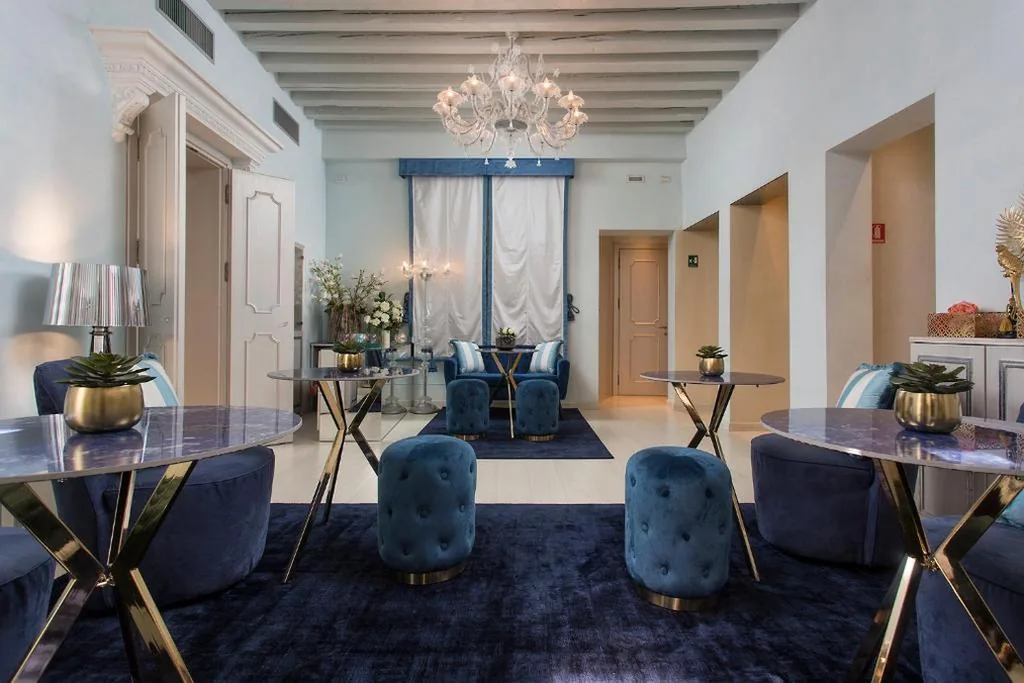
Relais Venezia
An elegant 3-star residence in a 15th-century palace in the Castello sestiere, a short walk from St Mark’s Square. The charm of a period residence combined with a very convenient location and attentive hospitality: an excellent balance between centrality and calm.
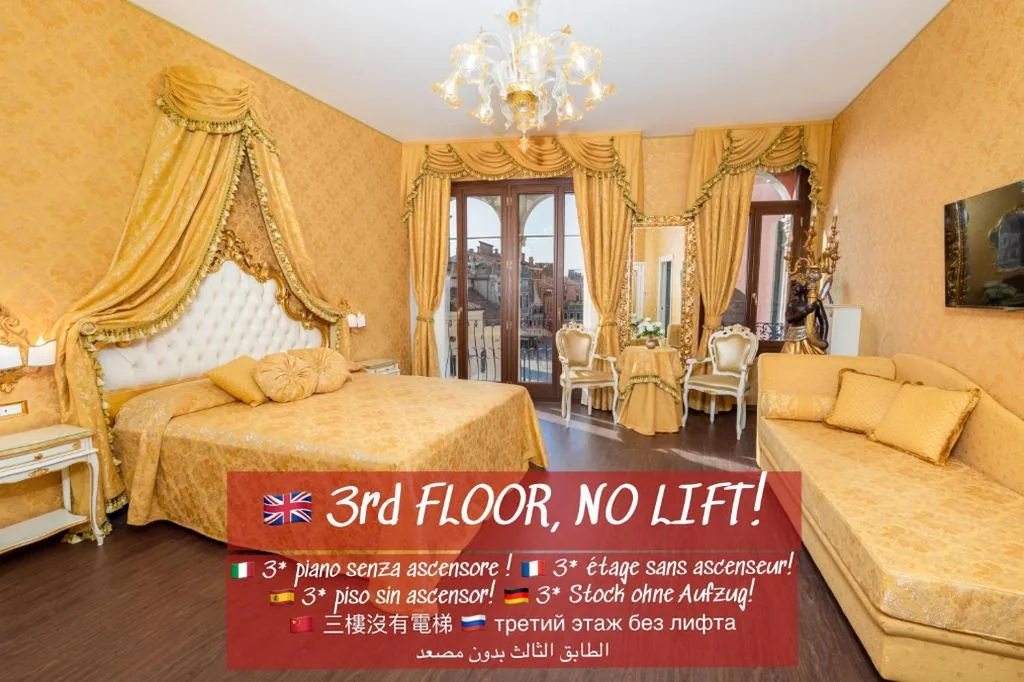
La Veneziana Boutique Rooms
An elegant adults-only guesthouse in the Castello sestiere, a short walk from St Mark’s Square. The very long line of satisfied guests speaks of well-kept, reliable hospitality: a refined, very central base for experiencing Venice at a relaxed pace.
Dorsoduro: art and elegance
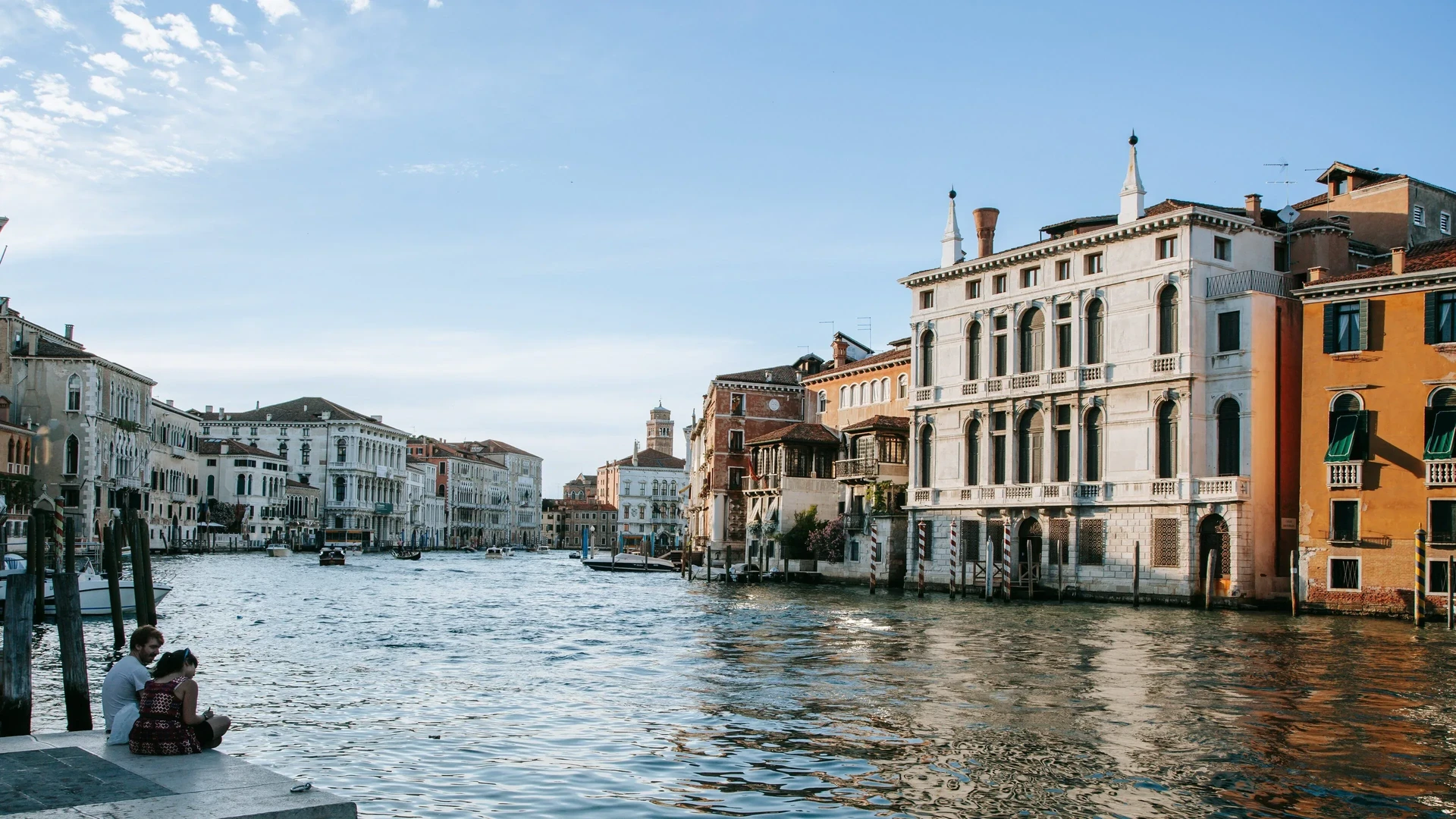
Dorsoduro is the most elegant and artistic sestiere of Venice. Here you’ll find the Gallerie dell’Accademia, the Peggy Guggenheim Collection and the splendid basilica of the Salute, as well as the long Zattere promenade, overlooking the Giudecca canal. Around Campo Santa Margherita and the university, the area comes alive in the evening with students and bars, while the alleys towards the Accademia are among the most refined in the city. It’s a Venice that is cultured and lively at once.
Dorsoduro is perfect for those who love art and want an elegant yet lively atmosphere, with excellent restaurants and beautiful light on the water. Handy for the centre and the islands, it’s one of the areas most loved by those who return to Venice. The Zattere, at sunset, are one of the loveliest places to stroll or stop for an aperitivo looking at the Giudecca; at Punta della Dogana, where the Grand Canal meets the Giudecca canal, the view embraces San Marco and the Salute. Here are two recommended properties.
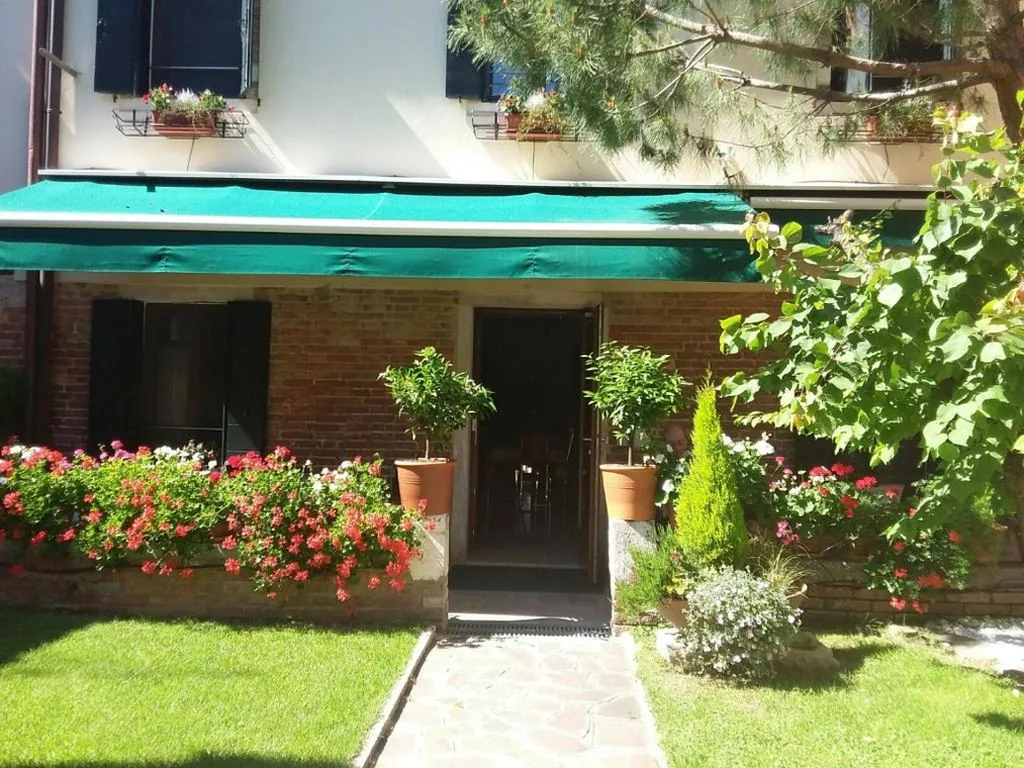
B&B HORTUS
A welcoming B&B in the Dorsoduro sestiere, with a private garden, soundproofed rooms and a canal view. An oasis of calm a short walk from Campo Santa Margherita and the Gallerie dell’Accademia: the ideal address for experiencing the Venice of art.
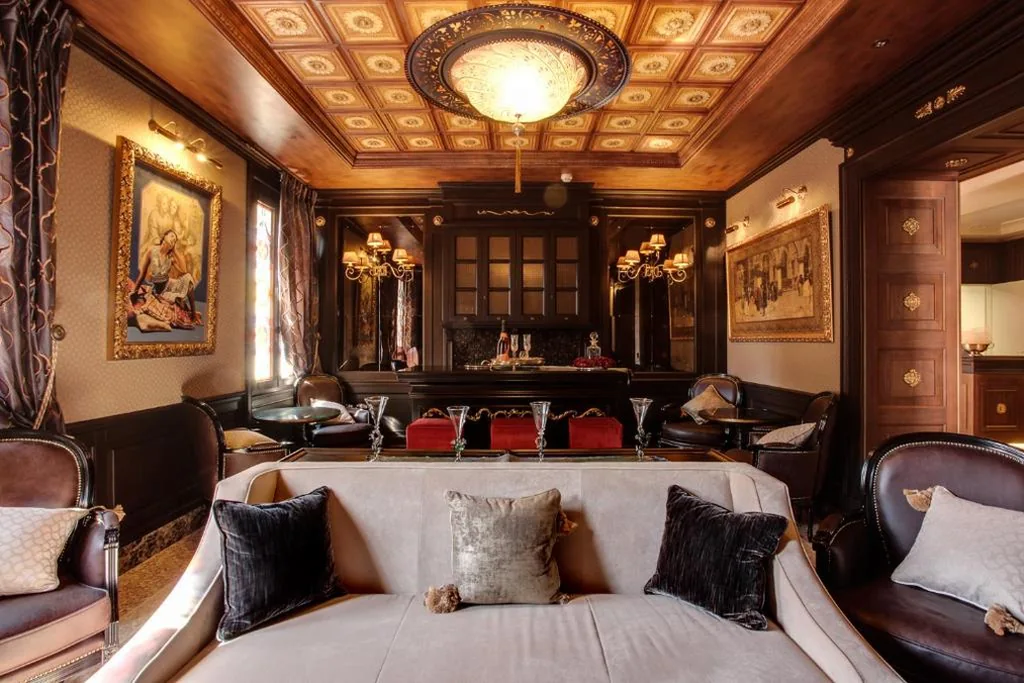
Hotel Moresco
A refined 4-star in the Dorsoduro sestiere, with elegant late-19th-century furnishings and canal views, a few minutes from the station and Piazzale Roma. An address of charm and convenience together, perfect for those arriving by train or car.
San Polo and Santa Croce: the historic centre around Rialto
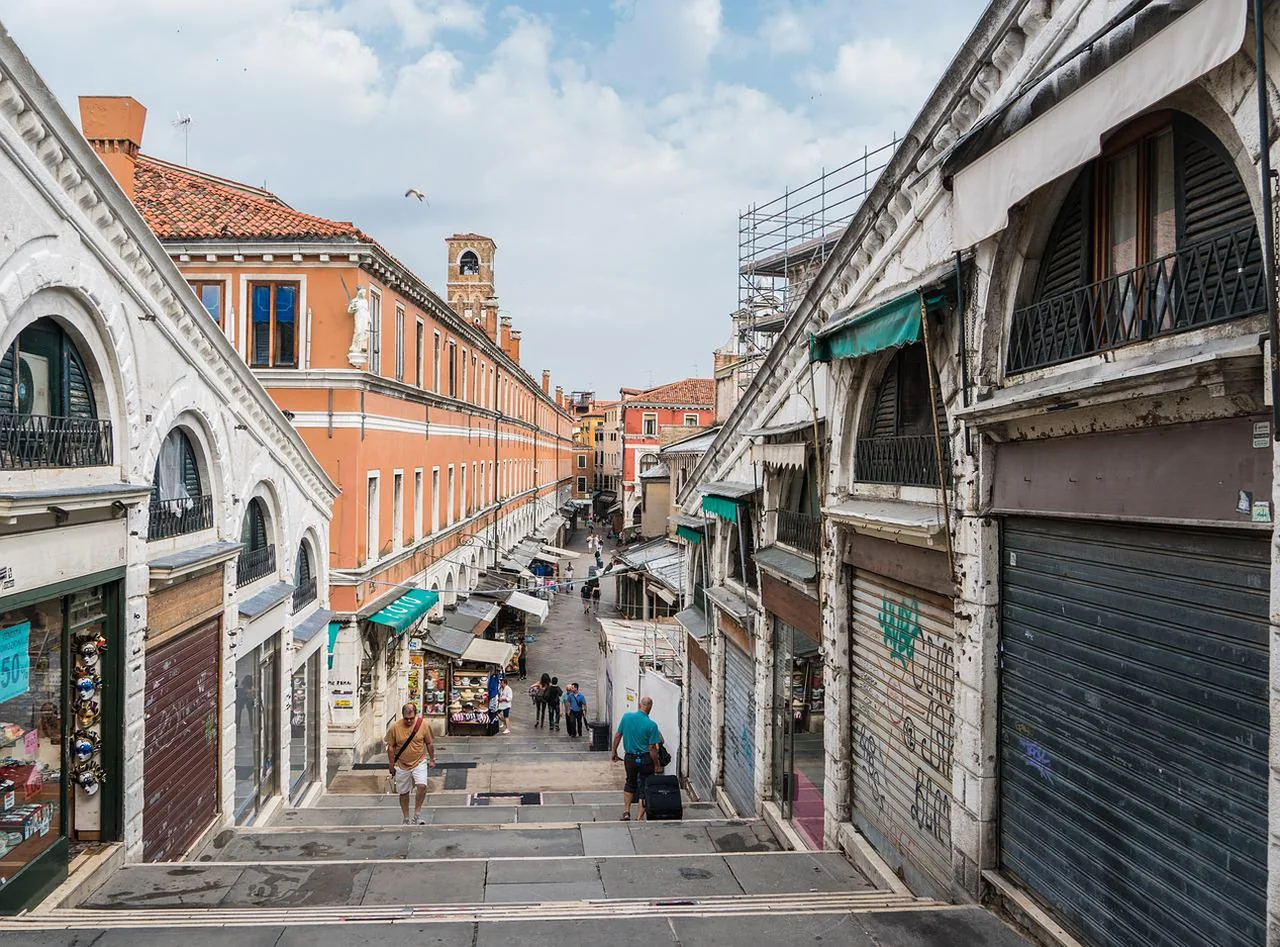
San Polo and Santa Croce are the smallest and oldest sestieri, the commercial heart of historic Venice. Around the Rialto market — with its fish and vegetable stalls — the city’s daily life pulses, among bacari, workshops and the majestic Frari basilica. Santa Croce, which houses Piazzale Roma and the car terminal, is the only point of Venice reachable on wheels, so very handy for those arriving by car or bus.
This area combines authenticity, centrality and a good choice of properties, often with excellent value for money. It’s perfect for those who want to be in the historic heart, near Rialto and well connected to the arrival points. Not to be missed, besides the Frari basilica with Titian’s works, is the nearby Scuola Grande di San Rocco, a treasure chest of Tintoretto’s masterpieces: an immersion in Venetian art far from the crowds of San Marco. Here are three recommended addresses.
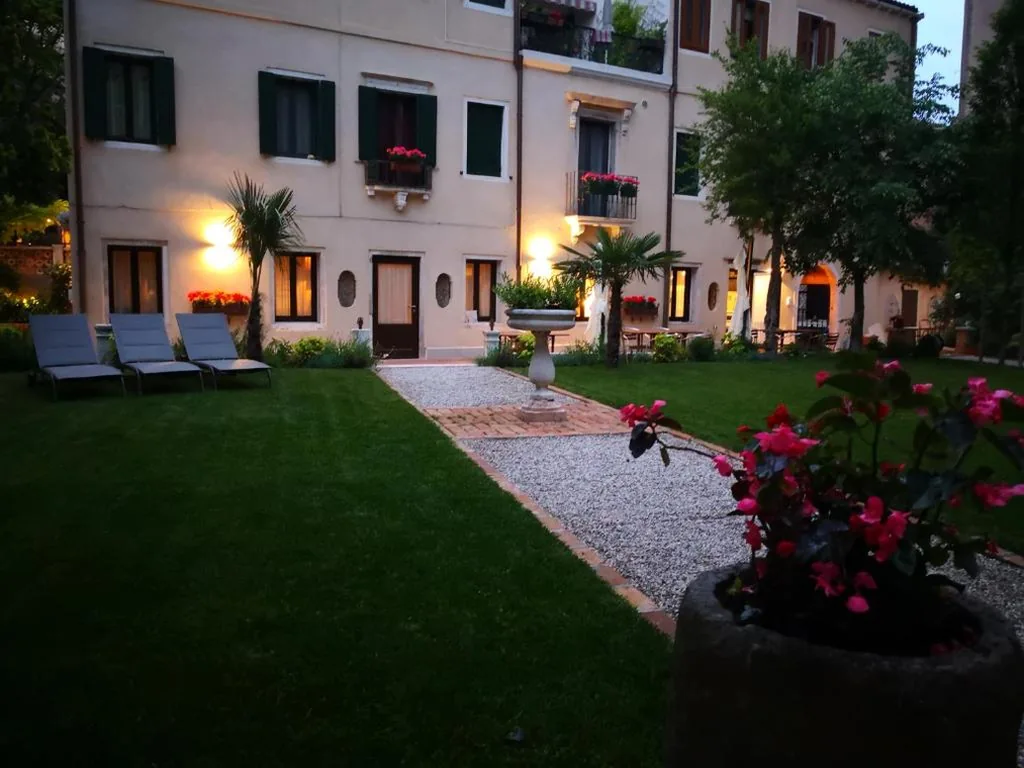
Cinqueteste Luxury Home
A refined adults-only guest house in the Santa Croce sestiere, with soundproofed suites, a private garden and a solarium terrace. An oasis of calm and design in the historic heart of the city, a short walk from the vaporetti and Piazzale Roma.
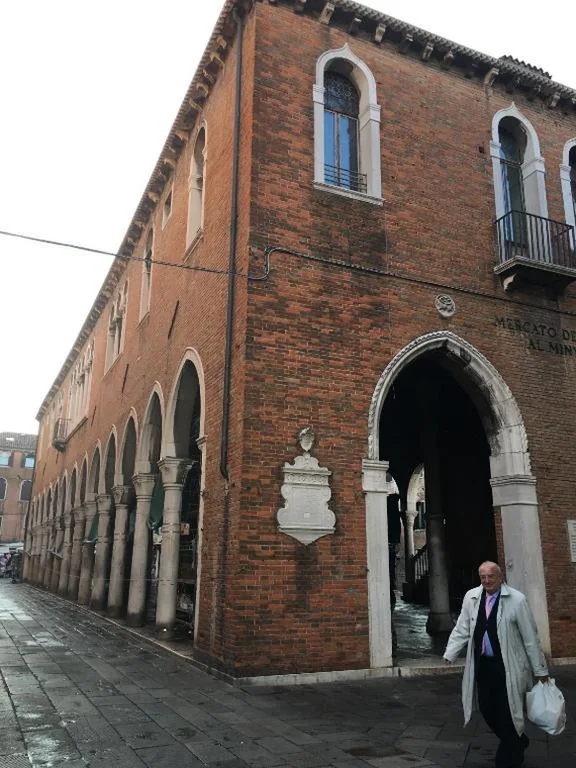
Antico Mercato
A B&B in the San Polo sestiere, two hundred metres from the Rialto Bridge and the market. An unbeatable position for experiencing the most authentic Venice, among the market’s bacari and the lively lanes: the historic centre is all within reach.
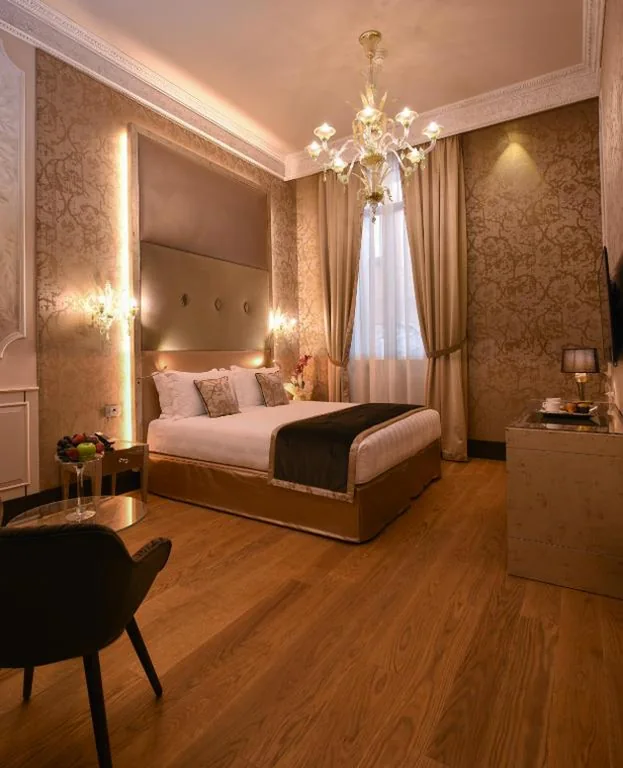
Santa Croce Boutique Hotel
A refined 4-star in the Santa Croce sestiere, with a private garden, an elegant bar and design rooms. Handy for Piazzale Roma and the station, it combines the style of a boutique hotel with the practicality of a strategic location for arrivals and departures.
Islands and mainland: alternatives with a view
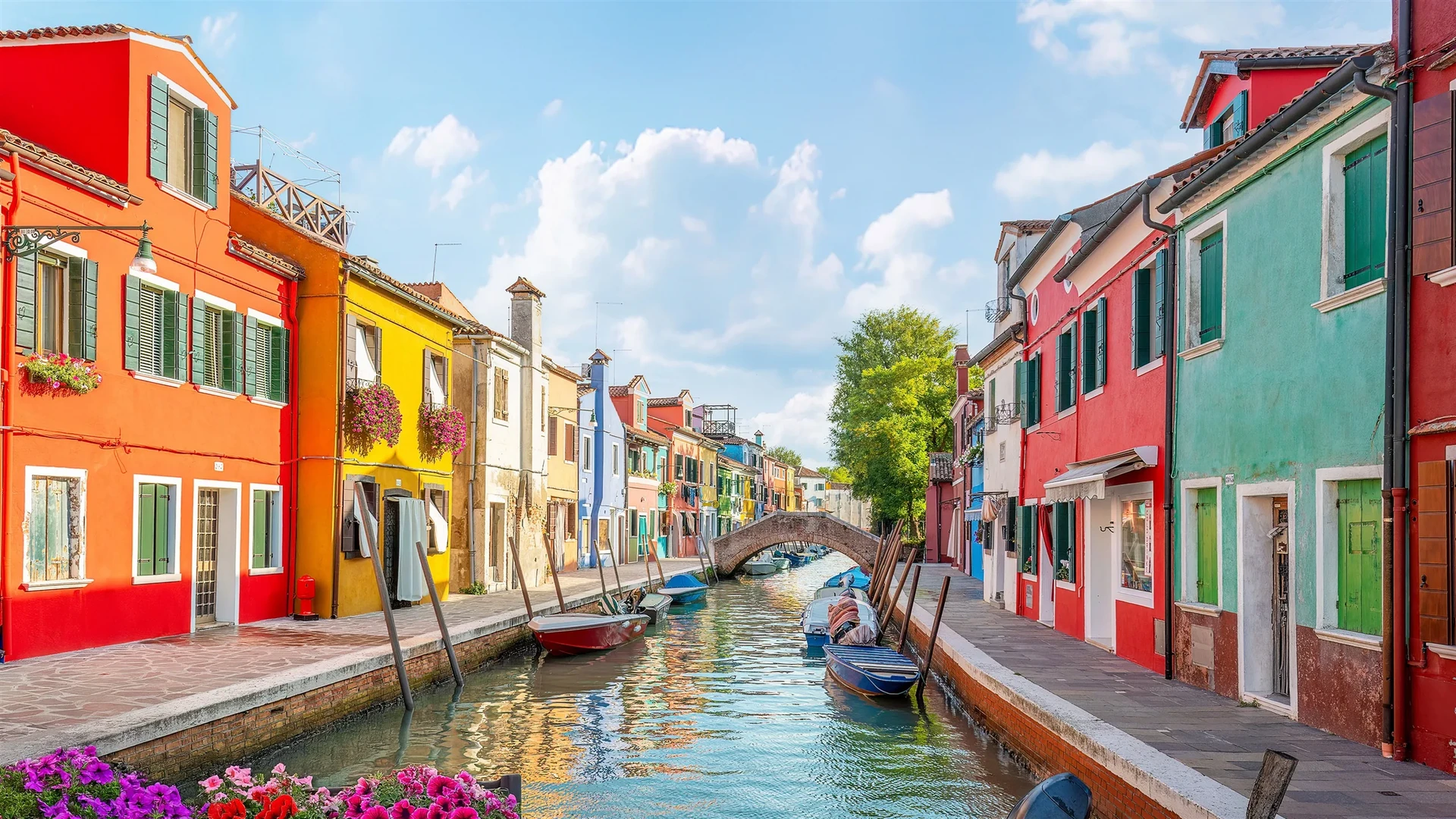
Those seeking a different atmosphere or lower prices can look beyond the historic centre. The Giudecca, opposite the Zattere, is quiet and offers spectacular views of San Marco: a few minutes by vaporetto separate it from the heart of the city, but the atmosphere is that of a separate island. The Lido is the beach island, home of the Film Festival, ideal in summer for those wanting to combine Venice and the sea, with the convenience of getting around by bike. Murano, with its glassworks, and Burano, with its coloured houses and lace, offer a stay out of time. On the mainland, Mestre is the most economical and practical choice, a few minutes by train from Santa Lucia station, ideal too for those arriving by car or visiting several Veneto destinations.
Sleeping outside the centre is worthwhile above all for those travelling on a set budget, staying several days or wanting to combine Venice with other Veneto destinations. Vaporetto and train connections are frequent and efficient. It’s worth devoting at least half a day to the northern lagoon islands: Murano for the glass furnaces, Burano for the very colourful houses and lace, and nearby Torcello, the cradle of Venice, with its ancient basilica and Byzantine mosaics. Here are two recommended addresses between islands and mainland.
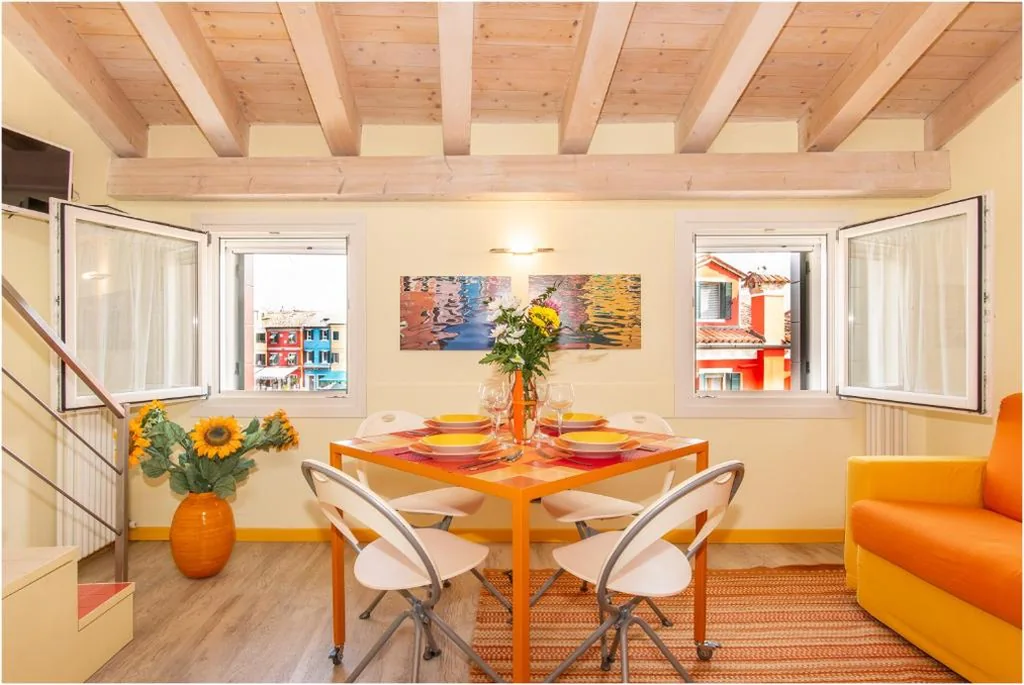
Casa Nova
Welcoming holiday homes with a kitchen, a solarium terrace and WiFi in the heart of Burano island. Experiencing Burano after the day-trippers leave, among coloured houses and lagoon silence, is a rare experience: ideal for those seeking authenticity and calm.
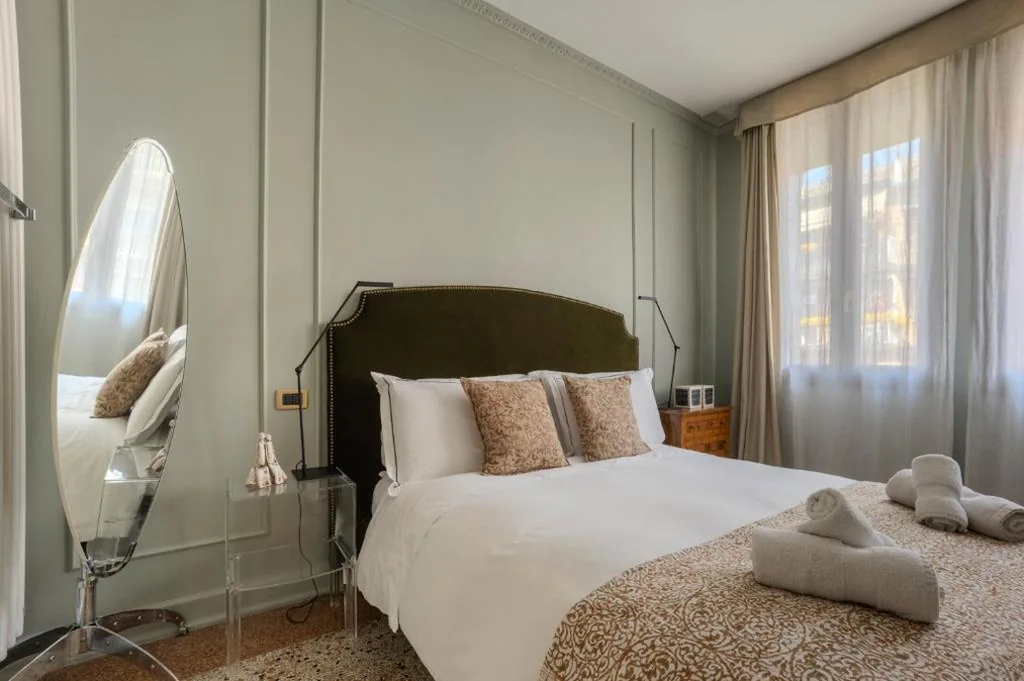
Colombo Bed & Breakfast Mestre
Well-equipped accommodation with a kitchen in central Mestre, a short distance from the station and the connections to Venice. The ideal solution for those wanting to save without giving up convenience, with the historic city a quarter of an hour away by train.
Getting around and practical tips
In Venice you move on foot and by vaporetto, the public boat that plies the Grand Canal and connects the sestieri and the islands. For those staying several days a timed pass (24, 48 or 72 hours) is worthwhile, cheaper than single tickets. Remember the city is a labyrinth: getting lost among the alleys is part of the fun, but it’s useful to download an offline map. From Santa Lucia station and Piazzale Roma the vaporetti leave for every area; Marco Polo airport is connected by bus and by water taxi.
To save money, consider the city cards: the transport pass combined with entry to the civic museums (including the Doge’s Palace and the Correr Museum) and the Chorus Card for the monumental churches can pay for themselves quickly if you plan several visits. Another tip: many of the top attractions, such as the Doge’s Palace and St Mark’s Basilica, have long queues in high season, so it’s best to book entry online in advance. And remember that sleeping in the centre lets you visit the monuments at first opening or in the late afternoon, when the day-tripper crowds thin out.
Two things to know. The access fee concerns only day-trippers on certain dates: those who stay overnight are exempt, but it’s best to check dates and rules on the municipality’s official portal before leaving. The acqua alta, once feared, is today managed by the MOSE mobile barrier system, which protects the city during exceptional high tides; in any case, a pair of comfortable, waterproof shoes in autumn-winter won’t hurt. Finally, book well ahead: Venice is in huge demand all year round, and during Carnival, the Biennale and the Film Festival the best properties sell out fast.
This guide is part of our journey through the region: discover all the areas and destinations in Where to Stay in Veneto.
Frequently asked questions
Quick answers to the questions we’re asked most often about where to stay in Venice.
What’s the best area to stay in Venice?
It depends on what you’re after. San Marco is the most central and scenic, ideal for a first visit but also the priciest. Cannaregio is authentic and lively, with good value for money; Castello is quiet and residential; Dorsoduro is artistic and elegant; San Polo and Santa Croce are the historic heart around Rialto, handy for arrivals. Those seeking lower prices look to the islands or Mestre on the mainland. In all cases, it’s best to be near a vaporetto stop.
Is it better to stay in Venice or Mestre?
Sleeping in the historic centre gifts you the city in its most magical moments, at dawn and in the evening, when the day-trippers leave, and exempts you from the access fee. Mestre, on the mainland, is the most economical and practical choice, a few minutes by train from Santa Lucia, ideal if budget is a constraint or if you’re also visiting the rest of Veneto. The difference is mostly one of atmosphere: in Venice you pay more, but you experience the lagoon at night too.
How does Venice’s access fee work?
Venice applies an access fee for day-trippers on certain high-traffic days, during daytime hours. Those who stay overnight in a city accommodation (hotel, B&B, holiday home) are exempt and pay only the tourist tax. Residents, minors and other categories are also exempt. The dates and rules change from year to year: it’s best to check them on the municipality’s official portal before your trip.
How do you get around Venice?
In Venice you move on foot and by vaporetto, the public boat that connects the sestieri and the islands along the Grand Canal. For those staying several days a timed pass (24, 48 or 72 hours) is worthwhile, better value than single tickets. Cars are left at Piazzale Roma or Tronchetto, the only points reachable on wheels. Marco Polo airport is connected by bus and by water taxi. Getting lost among the alleys, in any case, is part of the experience.
When should I book for Venice?
As early as possible: Venice is in huge demand all year round and the best properties sell out fast, especially during Carnival, the Biennale, the Film Festival and on public holidays. The shoulder seasons — spring and autumn — offer pleasant weather and slightly fewer crowds, while winter gifts you the magic of the city in the mist. In any case, booking well ahead guarantees more choice and better prices.
Is it worth staying on the lagoon islands?
Yes, if you’re after a different experience. The Giudecca offers spectacular views of San Marco and is quiet; the Lido is the beach island, perfect in summer; Murano and Burano offer a stay out of time, with the enchantment of the islands once the day-trippers leave. Vaporetto connections are frequent, but you should factor in slightly longer transfer times to the centre. It’s an ideal choice for those staying several days who love the lagoon.