
Verona is one of Italy’s most loved art cities: romantic, elegant and lively, it’s a UNESCO World Heritage site and is enclosed in a spectacular bend of the river Adige. It holds the Arena, the great Roman amphitheatre that every summer hosts the famous opera festival, Juliet’s House, the medieval squares and the Scaliger palaces. It’s also the ideal gateway to Lake Garda and Valpolicella, which makes it a perfect base for exploring the whole area.
The beauty of Verona is that the historic centre is compact and easily walked: sleeping in a central position lets you experience the city at any hour, from an aperitivo in the square to evenings at the Arena. In this guide we tell you the best areas to stay — from the monumental heart to the riverside, from Veronetta to the neighbourhoods outside the walls — with practical tips and a selection of properties among the most appreciated by travellers.
An important Roman city, then a Scaliger capital in the Middle Ages, Verona has layered two thousand years of history into an urban fabric that has remained extraordinarily intact: it’s precisely this continuity — from the Arena to the Renaissance palaces, from the Romanesque churches to the bridges over the Adige — that earned it the UNESCO recognition. The area you choose to sleep in changes not only convenience, but also the kind of Verona you experience: monumental and buzzing in the centre, more intimate and panoramic across the river, authentic and good-value in the neighbourhoods outside the walls.
Then there’s Shakespeare’s Verona, that of Romeo and Juliet, which every year draws lovers from all over the world to the balcony on Via Cappello. It’s a literary myth the city has turned into a widespread experience, between the famous balcony, Juliet’s tomb and the letters that arrive from every corner of the planet. But Verona is much more than this: it’s a living, elegant and refined city, a capital of wine and good living, where history coexists with a lively cultural and food scene. Choosing it as a base means having art, nature and food and wine within a few kilometres.
Historic centre and Arena: in the heart of the city
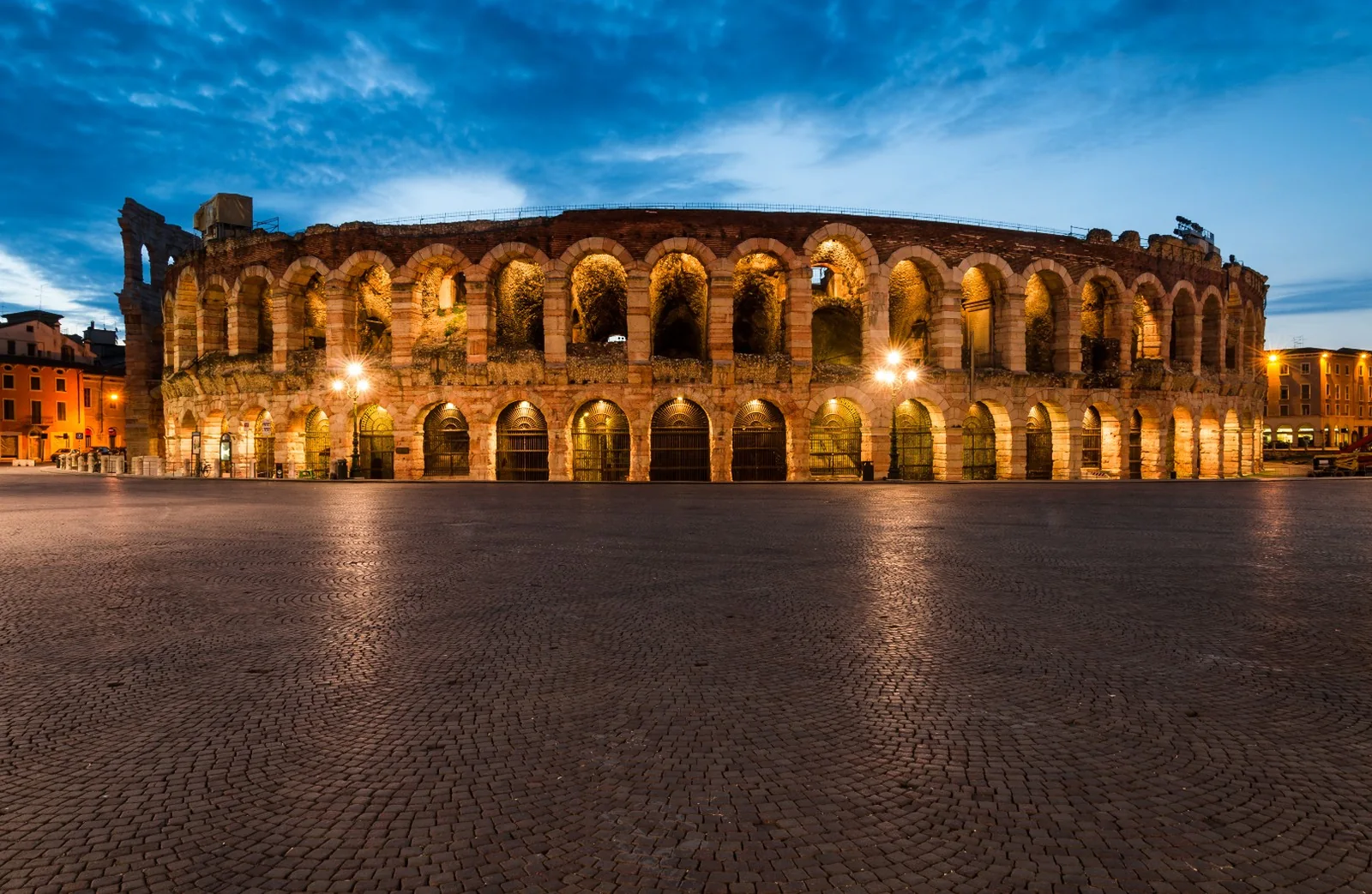
The historic centre is without doubt the best area to stay in Verona for a first visit. Here the great attractions are concentrated: the Arena and the scenic Piazza Bra, Juliet’s House with its famous balcony on Via Cappello, Piazza delle Erbe with its market, Piazza dei Signori and the Torre dei Lamberti. Everything is within walking distance, among elegant streets like Via Mazzini, excellent restaurants and wine bars where you can taste the wines of Valpolicella.
Sleeping in the centre means experiencing Verona in its finest moments, early morning and evening, when the city empties of day visitors. It’s the ideal choice for those who want everything within reach and don’t mind a little bustle, especially during the opera season (June to September), when the atmosphere around the Arena is electrifying. It’s worth going up the Torre dei Lamberti for the view from above, getting lost among the stalls of Piazza delle Erbe and treating yourself to a glass of Amarone in one of the many wine bars: the centre of Verona is made to be experienced slowly, at any hour. Here are four recommended addresses in the heart of the city.
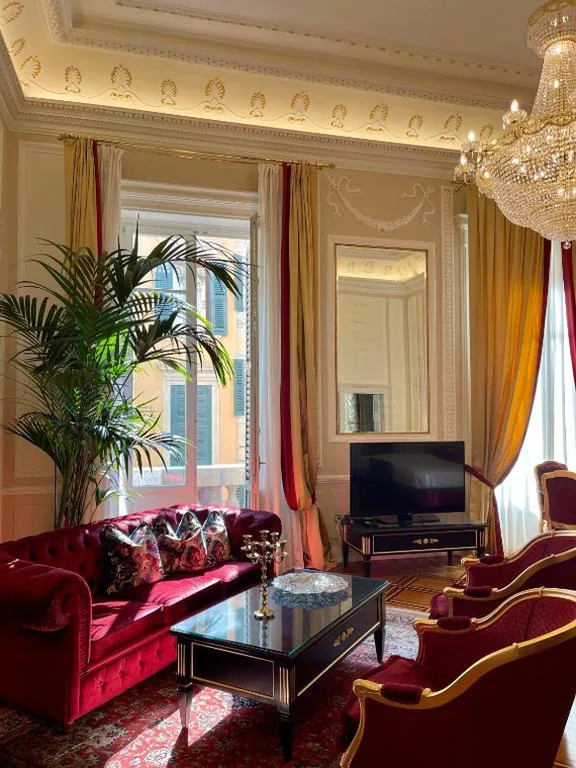
Palazzo Monga Boutique Guesthouse
An elegant 18th-century historic residence on Corso Porta Borsari, one of the loveliest streets in the centre, with luxurious suites, a 24-hour gym and a wellness area. A refined, very central base, a short walk from Piazza delle Erbe and the Arena, for experiencing Verona with a touch of luxury.
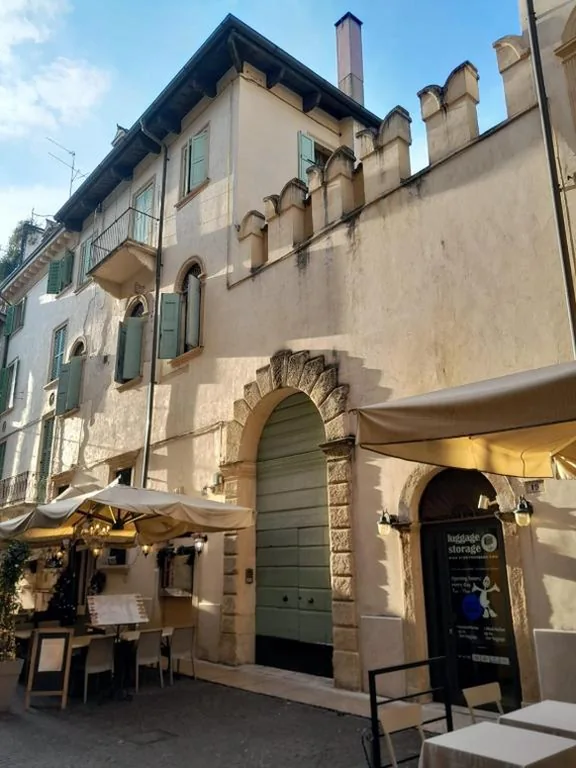
Casa Turandot Verona
A spacious 136 m² holiday home a short walk from the Arena and Piazza Bra, with two bedrooms and a kitchen. The formula with space and independence is perfect for families or groups who want to experience the centre with the convenience of a home, a step from the opera performances.
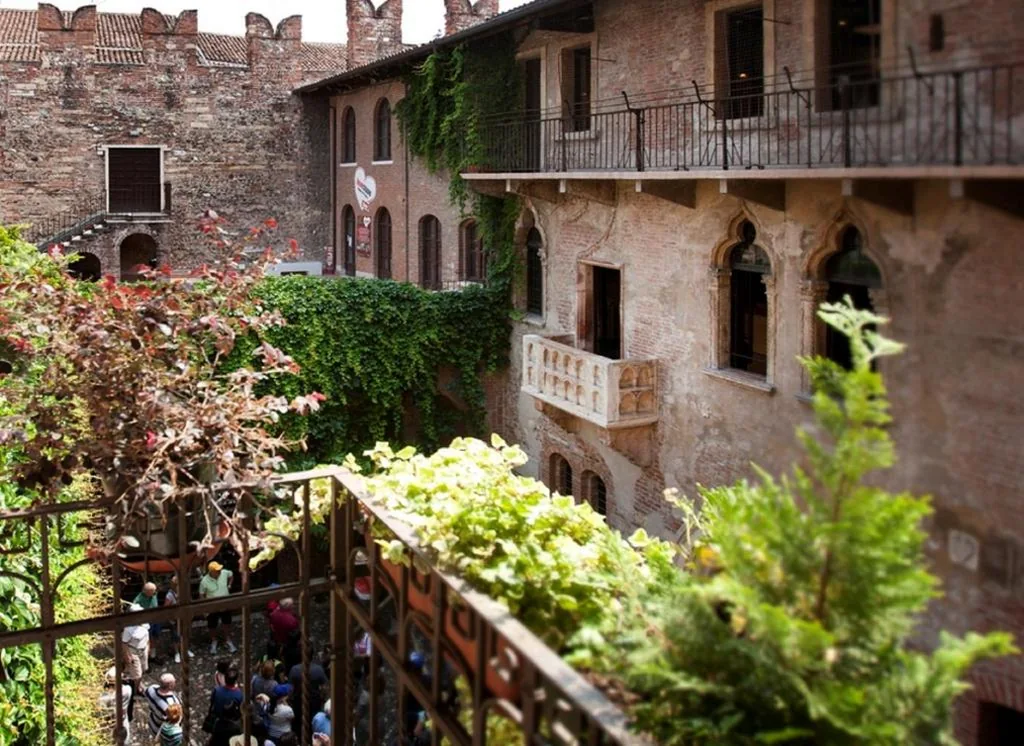
Relais Balcone di Giulietta
A refined residence set right in the courtyard of the famous Juliet’s House, on Via Cappello. Sleeping in the most romantic spot in Verona, with the great attractions on your doorstep, is a unique experience: an address of great charm in the absolute heart of the city.
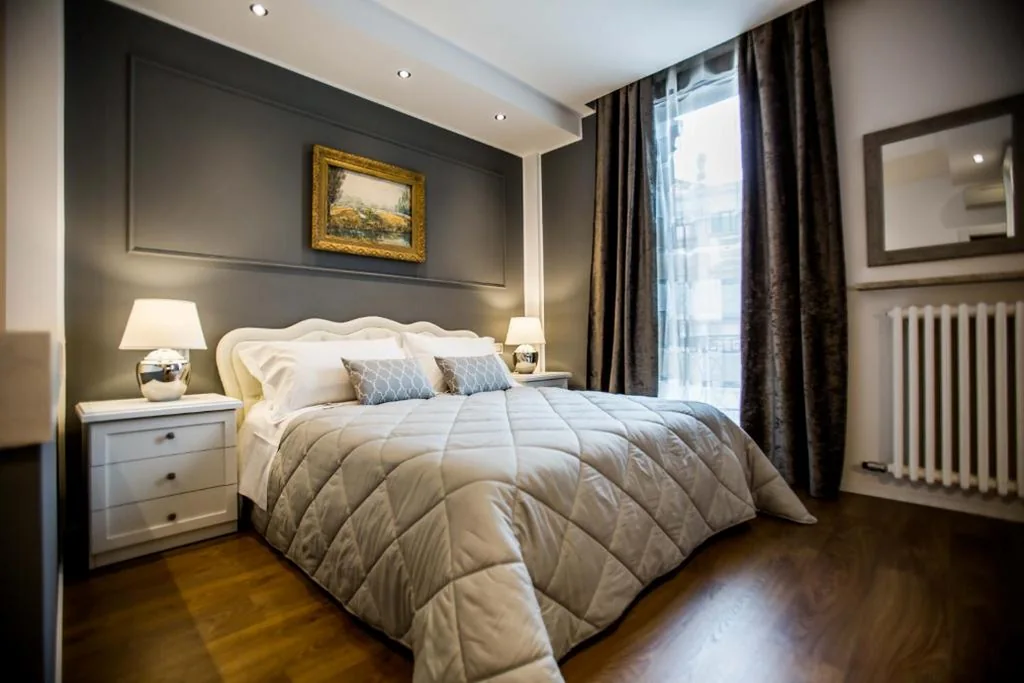
Arena Suite
An elegant guesthouse a short walk from Castelvecchio and the Arena, with well-kept, air-conditioned accommodation. The large crowd of satisfied guests confirms how convenient the location is: a reliable, very central base for discovering Verona on foot.
Riverside and Castelvecchio
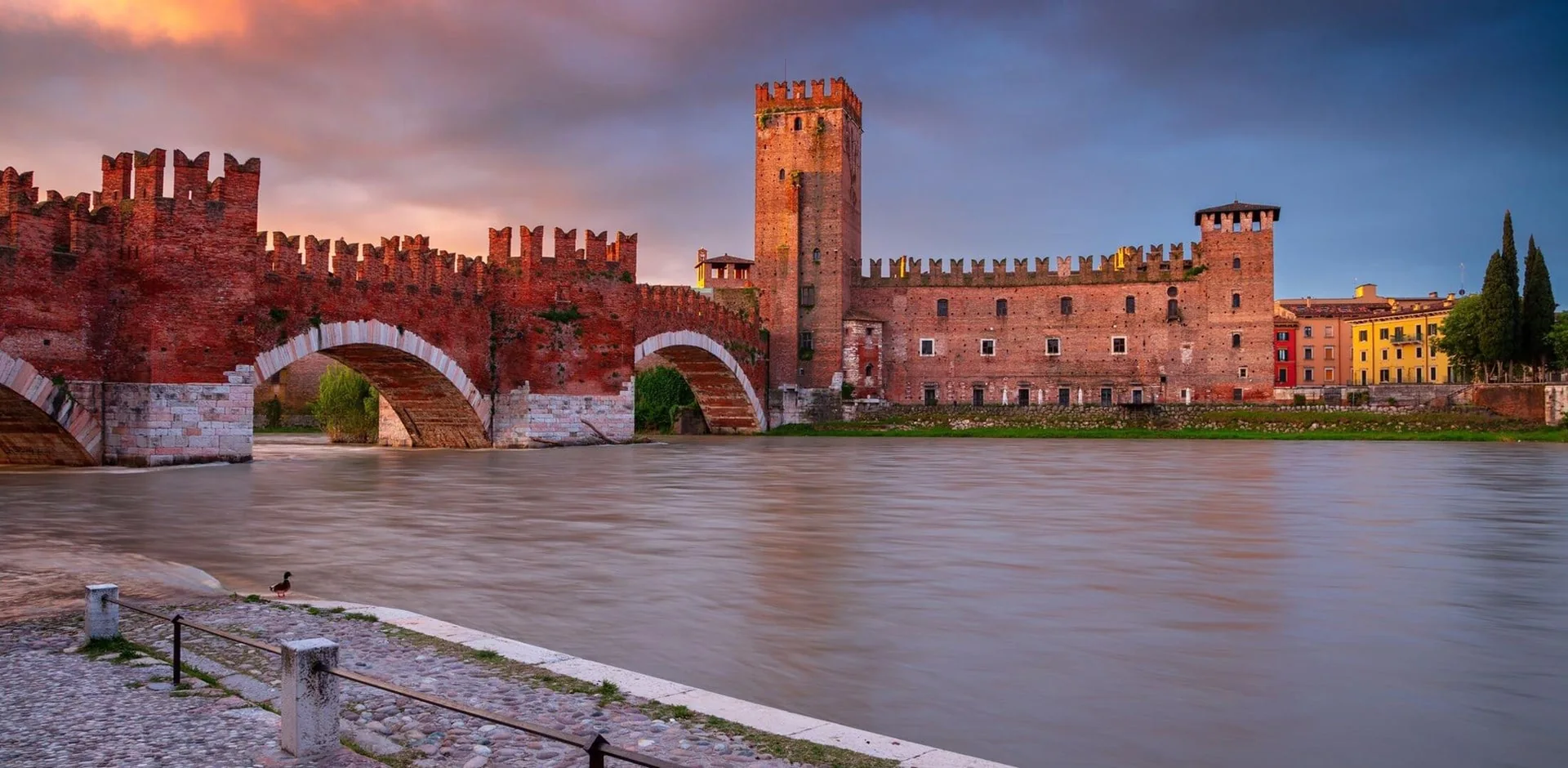
The part of the historic centre facing the Adige, towards Castelvecchio, combines the convenience of a central position with a slightly quieter atmosphere. Here you’ll find the majestic Scaliger castle, now a museum, and the romantic brick Scaliger Bridge, as well as elegant period residences overlooking quiet alleys. It’s a very central area but slightly set back from the bustle of Piazza Bra, perfect for those who want to enjoy the city with a little more calm.
Strolling along the Adige at sunset, with the light reflecting on the water and the bridges, is one of the loveliest experiences in Verona. From here all the attractions are within walking distance, but in the evening you return to a more intimate corner. The Castelvecchio Museum, designed by the great architect Carlo Scarpa, is a must for art lovers, while the nearby Arco dei Gavi and Corso Cavour tell of Roman and elegant Verona. Here are three recommended addresses in this area.
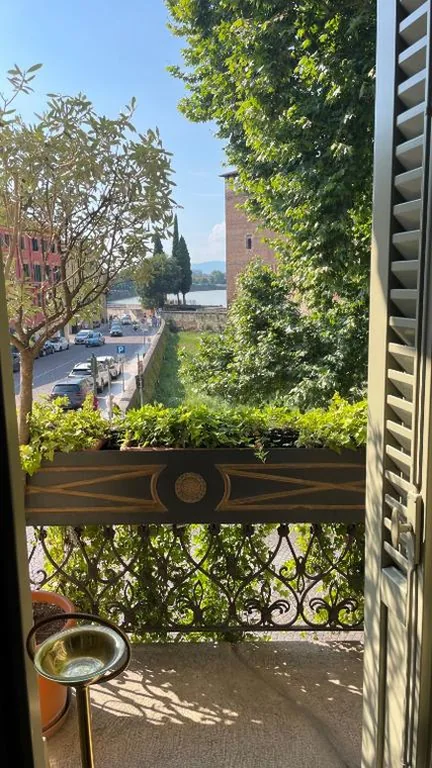
Il Relais
An elegant period residence inside the historic Palazzo Tommasi, on Corso Castelvecchio. An unbeatable position a short walk from the castle and the Scaliger Bridge, with the charm of a refined residence: ideal for experiencing the centre with style and calm.
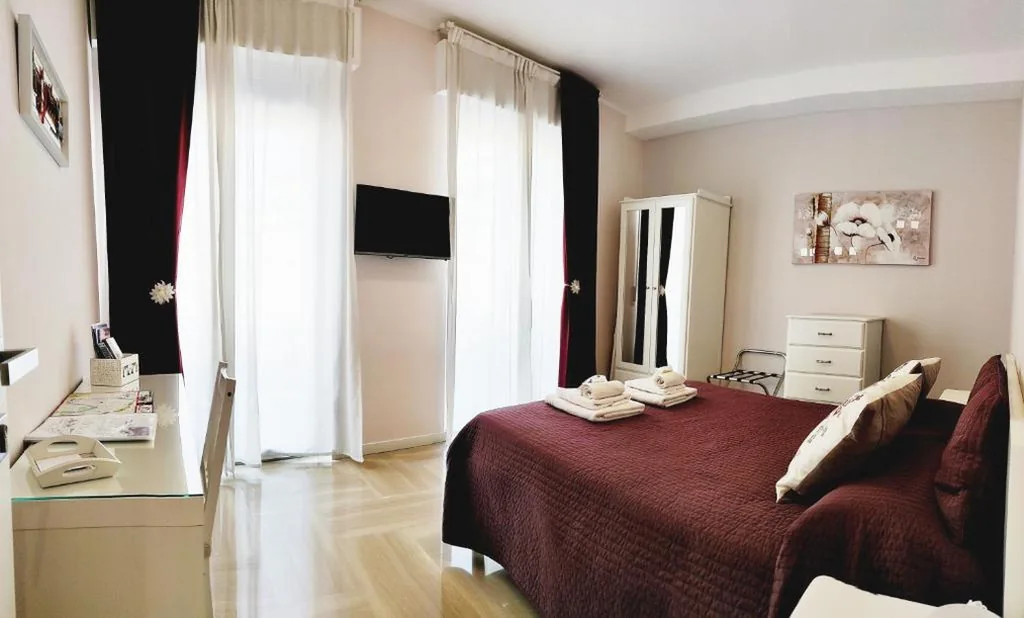
B&B Valverde
An adults-only B&B in the historic centre, a few minutes’ walk from the Arena and Castelvecchio. A well-kept, quiet address, ideal for those seeking a refined base in a very central position but away from the bustle of the busiest streets.
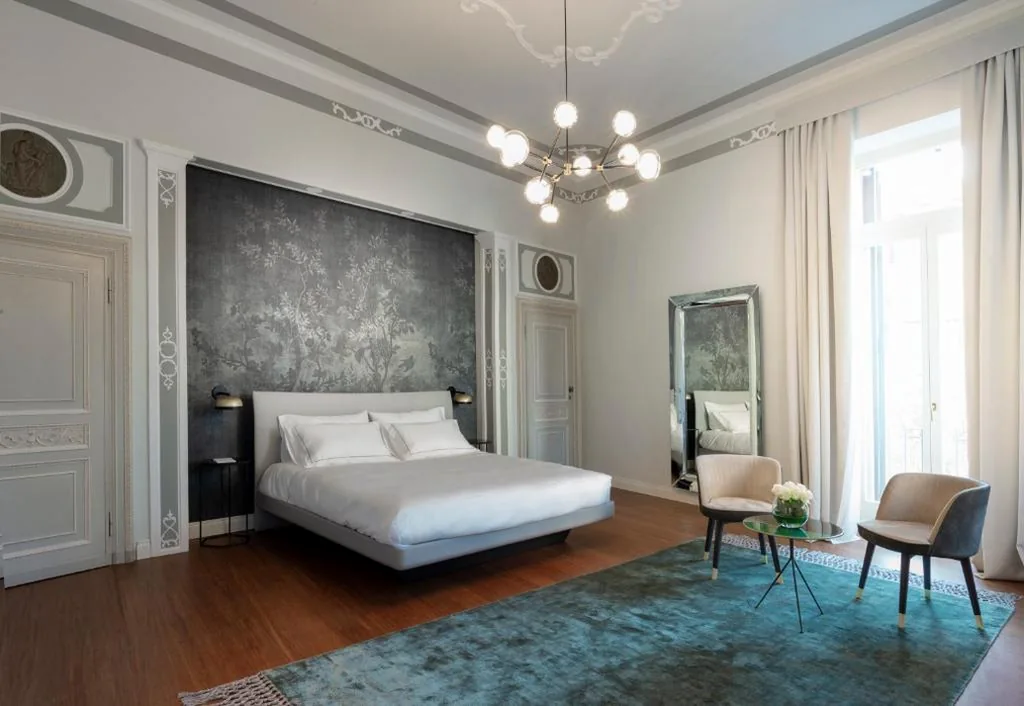
Butterfly Verona
An elegant guest house in the historic centre, a short walk from Piazza Bra and the Arena, with soundproofed suites. Comfort and style in a strategic position: the ideal base for those who want to experience the heart of Verona and return to a well-kept, quiet setting.
Veronetta and the San Pietro hill
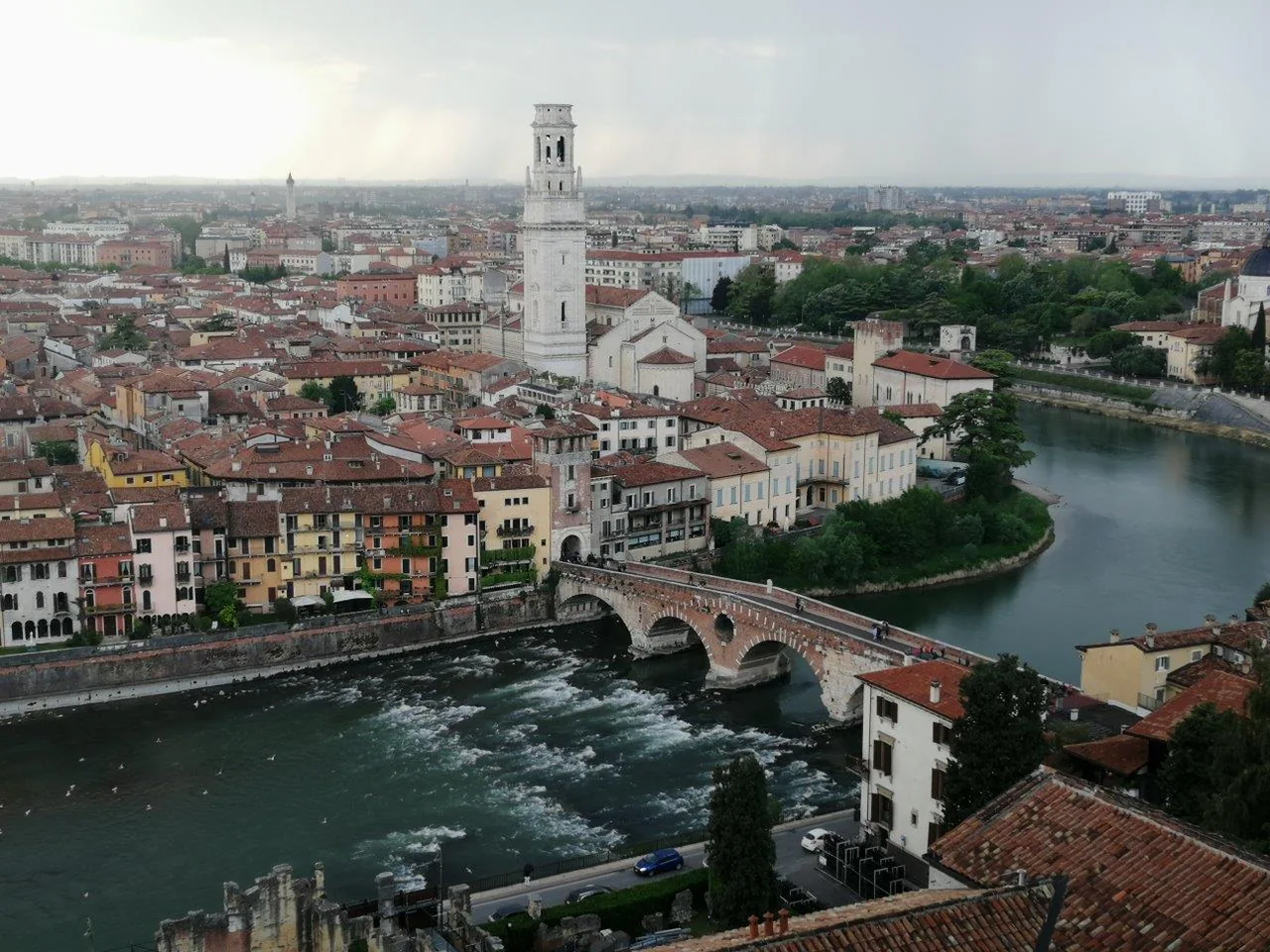
On the other bank of the Adige, beyond the Roman Ponte Pietra, lies Veronetta, the university and most authentic district of the city, and the San Pietro hill rises, offering the finest view over Verona. Here you’ll find the Roman Theatre, the Castel San Pietro (also reachable by funicular) and a more local atmosphere, with osterie frequented by students and often more affordable prices. It’s an area a stone’s throw from the centre — just cross a bridge — but with a character all its own.
Veronetta is the right choice for those seeking authenticity, panoramic views and a truer contact with the daily life of the city, while staying a few minutes’ walk from the great attractions. The tip is to go up to Castel San Pietro at sunset: from up there, with Verona lighting up beneath your feet and the Adige tracing its bend, you understand why the city has inspired poets and lovers for centuries. Here are two recommended addresses.
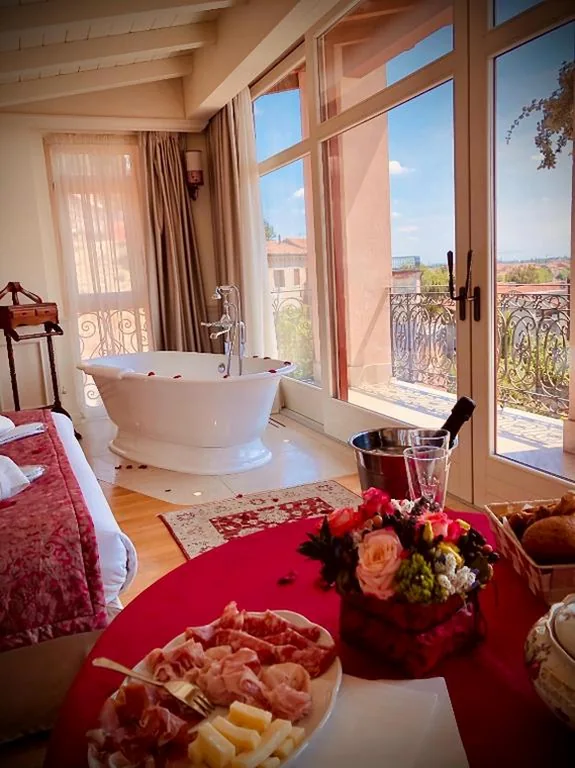
Relais Colle San Pietro
A refined B&B a short walk from Ponte Pietra, with elegant rooms and a panoramic terrace. The position, between the centre and the San Pietro hill, gifts unforgettable views over the rooftops and the Adige: a romantic address for those seeking the most evocative side of Verona.
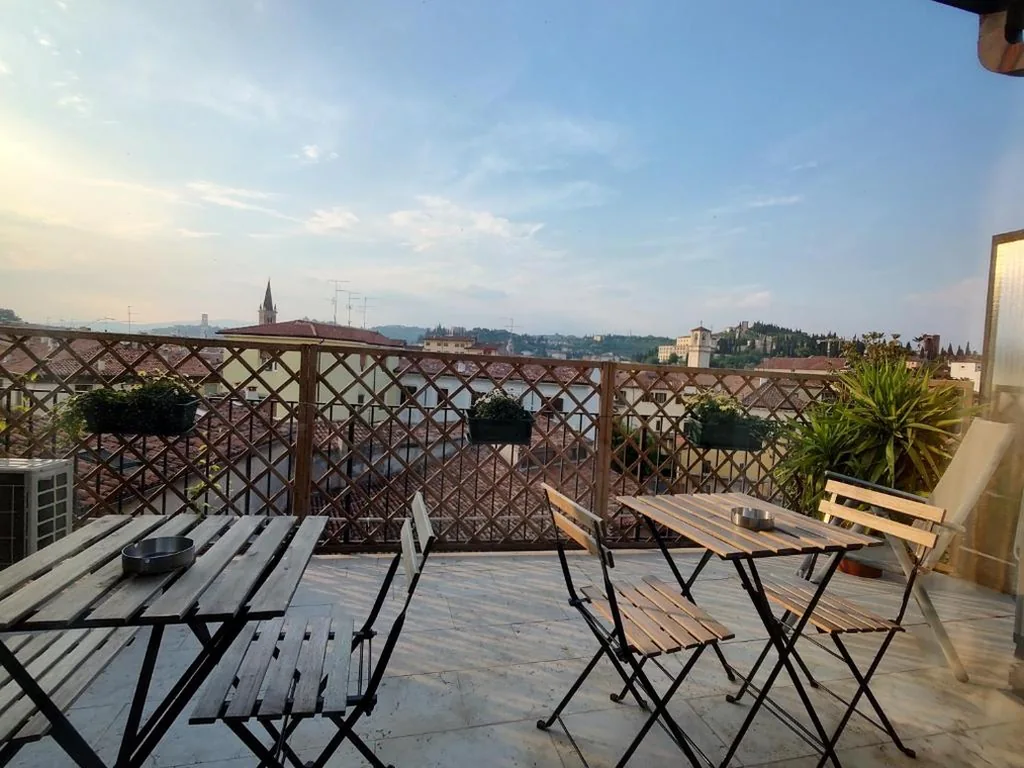
Verona Relax & Stay ROOMS
A welcoming guesthouse a short distance from Juliet’s House and the Arena, in a lively, well-connected district. Well-kept and convenient, it’s the ideal base for those who want to explore Verona on foot while staying close to the attractions but in a quieter setting.
Outside the walls and the station
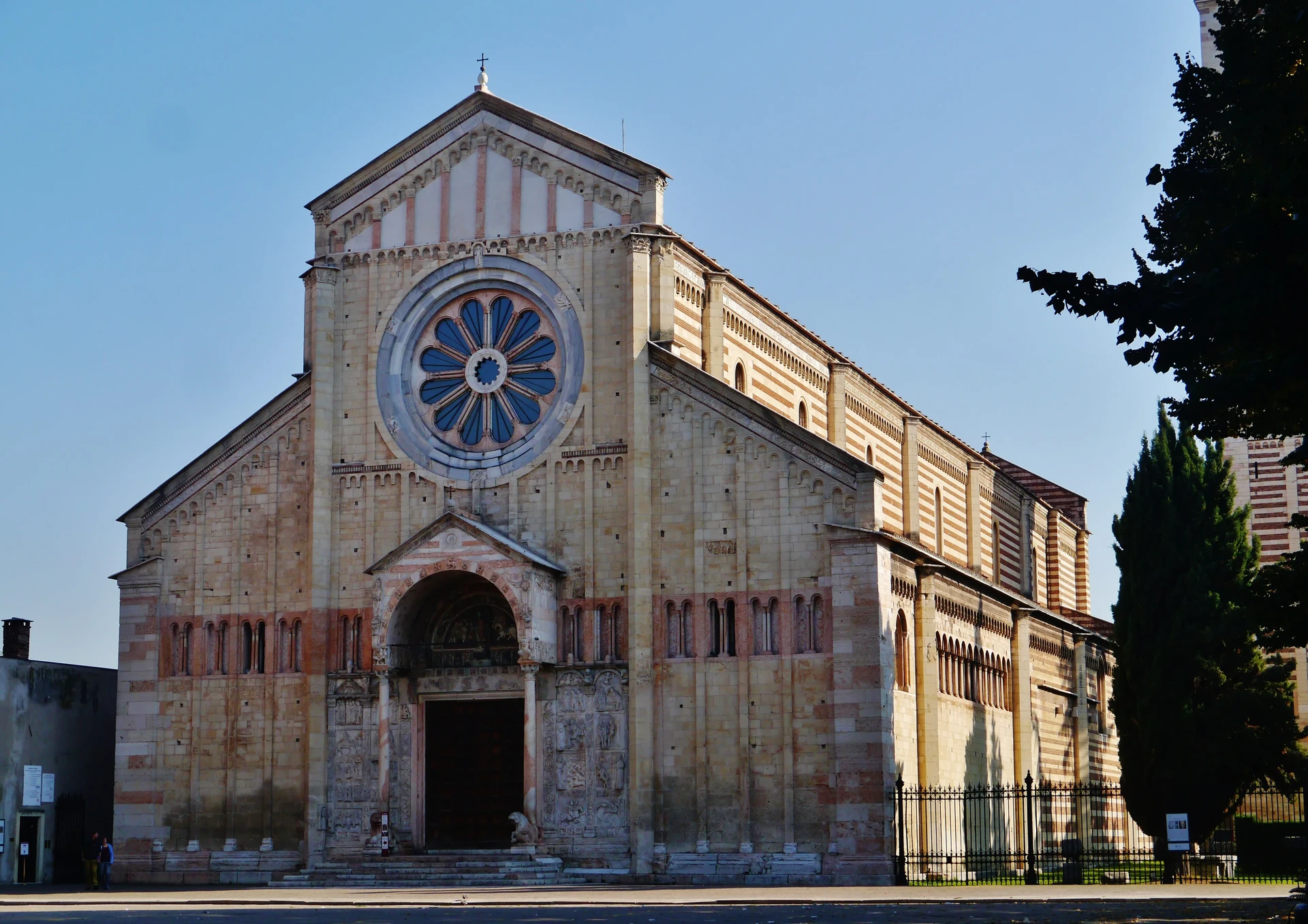
Those arriving by car or train, or seeking lower prices, can look to the neighbourhoods just outside the walls. The Porta Nuova station area is very handy for arrivals and for reaching Lake Garda and the other cities on a day trip; the district of San Zeno, with its splendid Romanesque basilica — which holds the famous Mantegna altarpiece — is one of the most authentic and characteristic corners of Verona, a few minutes’ walk from the centre. These are ideal areas for combining convenience, authenticity and budget, with a choice of properties that is often wider and better value than the tourist heart.
Sleeping outside the historic centre is worthwhile above all for those who move around a lot, arrive by car (thus avoiding the ZTL restrictions) or want to use Verona as a base to explore the area. Connections on foot and by public transport are excellent anyway. San Zeno, in particular, is a district with a strong working-class character, with historic shops, authentic trattorias and the patron saint’s festival much felt by the Veronese: a way to experience a more genuine Verona, away from the tourist circuits but a quarter of an hour on foot from Piazza Bra. Here are two recommended addresses.
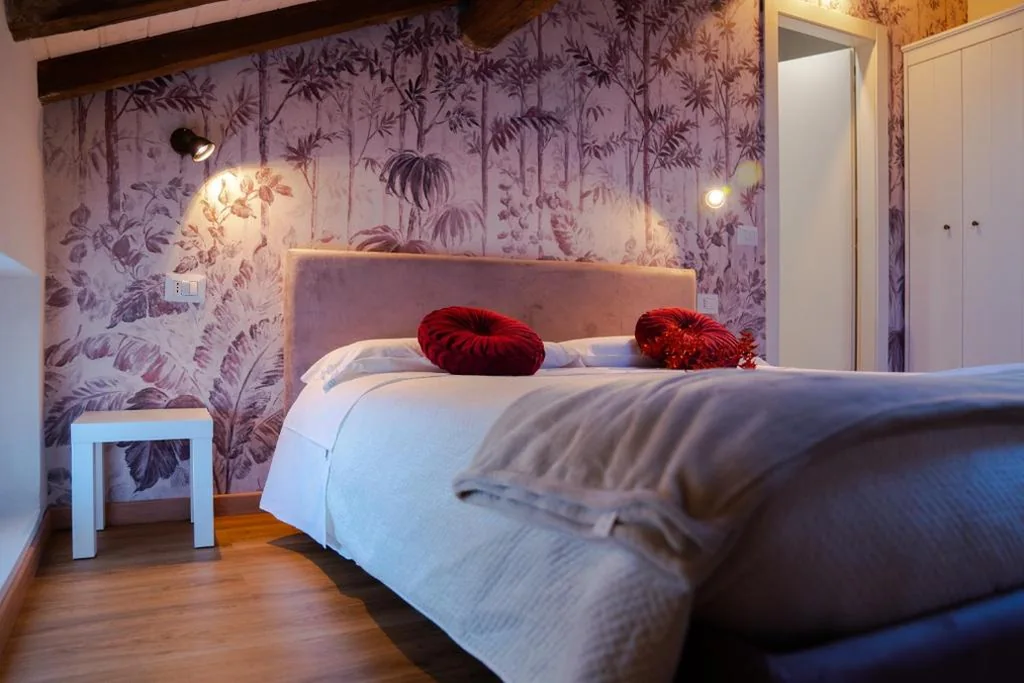
Domus 44 Rooms – Porta Nuova
A welcoming guesthouse near the Porta Nuova station, a short distance from Piazza Bra, with a garden. The position is perfect for those arriving by train or wanting to reach Garda and the other destinations quickly, with the centre still a few minutes’ walk away.
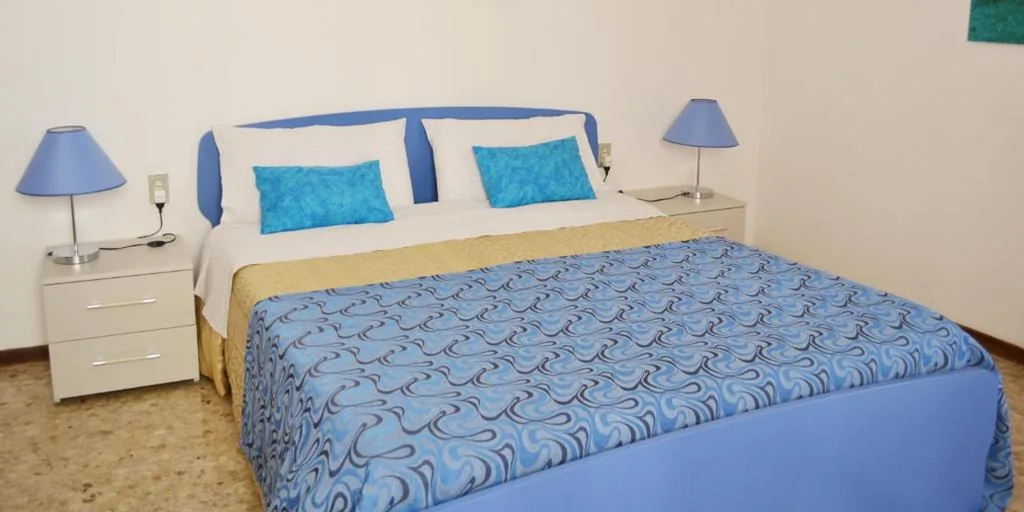
Da Virginia B&B
A welcoming property in the famous San Zeno district, with a panoramic terrace. Sleeping in the heart of one of Verona’s most authentic neighbourhoods, a stone’s throw from the Romanesque basilica and the centre, is the ideal choice for those seeking a local atmosphere and good value for money.
Getting around and practical tips
Verona is comfortably visited on foot: the historic centre is compact and most attractions are reachable in a few minutes. Those arriving by car, however, must bear in mind the ZTL, the limited-traffic zone that covers much of the centre: it’s best to choose a property with parking or leave the car in a garage and get around on foot. The Porta Nuova station, the main rail hub, is about twenty minutes’ walk from Piazza Bra and is served by city buses.
Those arriving by air land at Verona-Villafranca airport (Valerio Catullo), connected to the centre and the Porta Nuova station by a shuttle service; alternatively, the Venice and Bergamo Orio al Serio airports are just over an hour away. The city is in any case an important rail hub on the Milan-Venice and Brenner lines, so the train is often the most convenient way to arrive.
For those visiting several monuments, the VeronaCard is often worthwhile: it includes entry to the main attractions — from the Arena to Castelvecchio, from Juliet’s House to the monumental churches — and the use of city buses, and it pays for itself quickly. In high season and during the opera season it’s best to book online for the busiest sites, such as the Arena and Juliet’s House, to avoid queues. Remember that many churches are part of a dedicated circuit and have specific visiting hours.
If your trip coincides with the opera season at the Arena (June to September), book your accommodation well in advance: these are the most in-demand weeks of the year and the best properties sell out fast. Remember also to buy performance tickets ahead. Verona is also a perfect base for day trips: Lake Garda is half an hour away, Valpolicella with its cellars is a step away, and by train you can easily reach Vicenza, Padua and Venice. The shoulder seasons, spring and autumn, are ideal for visiting the city with mild weather and fewer crowds; autumn also gifts the magic of the harvest in the Valpolicella hills. To plan your travel, see the guide on how to get to Veneto.
This guide is part of our journey through the region: discover all the areas and destinations in Where to Stay in Veneto.
Frequently asked questions
Quick answers to the questions we’re asked most often about where to stay in Verona.
What’s the best area to stay in Verona?
The historic centre is the best choice, especially for a first visit: here the Arena, Piazza Bra, Juliet’s House and the medieval squares are concentrated, all reachable on foot. The area towards Castelvecchio and the riverside is very central but quieter. Veronetta and the San Pietro hill offer authenticity and panoramic views, while the neighbourhoods outside the walls and the Porta Nuova station are handy for those arriving by car or train and seeking lower prices.
Is it better to stay in central Verona or outside?
Sleeping in the centre lets you experience Verona on foot and enjoy the city in the evening too, when the day visitors leave: it’s ideal if you want to immerse yourself in the atmosphere and don’t move around much. The neighbourhoods outside the walls or near Porta Nuova suit those arriving by car (avoiding the ZTL), seeking lower prices or using Verona as a base for Garda and the rest of Veneto. In both cases distances stay short.
Where to stay in Verona during the Arena opera season?
During the opera festival (June to September) the most evocative area is the historic centre, a short walk from the Arena, so you can reach the theatre on foot and experience the atmosphere of the opera evenings. These are, however, the most in-demand weeks of the year: it’s best to book your accommodation well ahead and buy performance tickets in good time. Those seeking more quiet can choose the riverside or Veronetta, still very close.
Can you drive into the centre of Verona?
Verona’s historic centre is largely a limited-traffic zone (ZTL), with access reserved for residents and authorised vehicles. Those arriving by car should choose a property with parking or leave the car in one of the garages near the centre and get around on foot. Properties outside the walls and near Porta Nuova station are more convenient for those travelling by car. In the city, however, a car isn’t needed: everything is walkable.
How many days do you need to visit Verona?
To see the heart of Verona one or two days are enough: the Arena, Piazza Bra, Juliet’s House, Piazza delle Erbe, Castelvecchio and the view from the San Pietro hill are comfortably visited on foot. With an extra night or two you can add day trips to Lake Garda, the cellars of Valpolicella or nearby Vicenza and Mantua. Verona is an ideal base for exploring the whole surrounding area.
Is Verona a good base for visiting Lake Garda?
Yes, excellent. Verona is about half an hour from the Verona shore of Lake Garda (Peschiera, Lazise, Bardolino) and is well connected by train and car. Many choose Verona as a base to combine art cities, lake and Valpolicella cellars in a single trip, taking advantage of the strategic position and the excellent connections. Alternatively, you can do the opposite and sleep on the lake, visiting Verona on a day trip.