
Veneto is one of the richest tourist regions in Europe: in 2025 it hit a new all-time record, with over 22 million arrivals and 74 million overnight stays, confirming its place as Italy’s most visited region. The reason is simple: no other territory concentrates such a variety of landscapes and experiences. In a few hours by car or train you go from the canals of Venice to the slopes of the Dolomites, from the Adriatic beaches to the Prosecco vineyards, from Verona’s Arena to the spas of the Euganean Hills.
Precisely because of this richness, choosing where to stay in Veneto means first of all choosing what kind of holiday you want. In this guide we take you through the region’s main areas, with the character of each, practical tips and a symbol address for every area, selected among the properties most appreciated by travellers. For each destination you’ll then find a link to the dedicated guide, with the full overview and other recommended hotels.
Venice, unique in the world
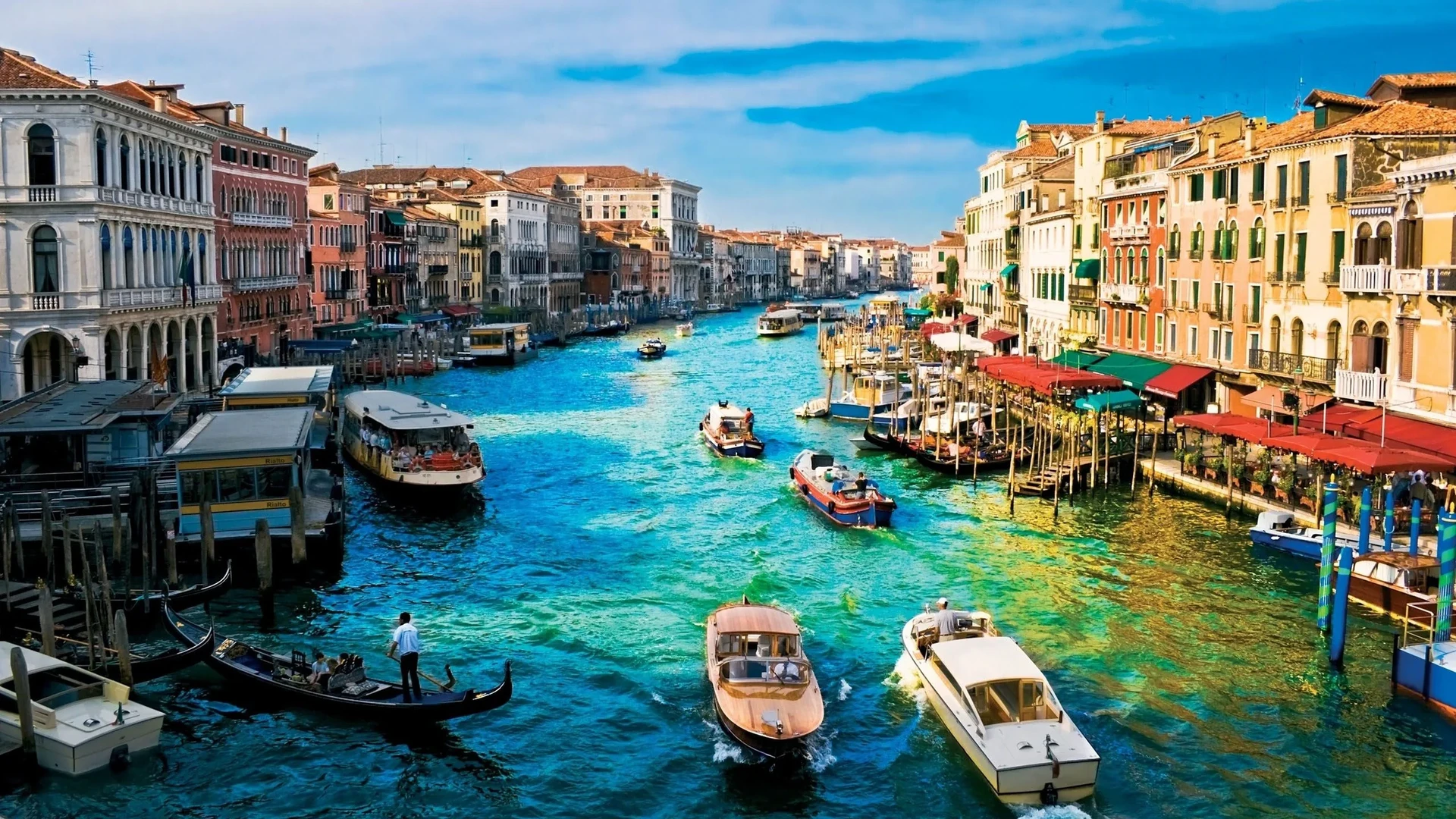
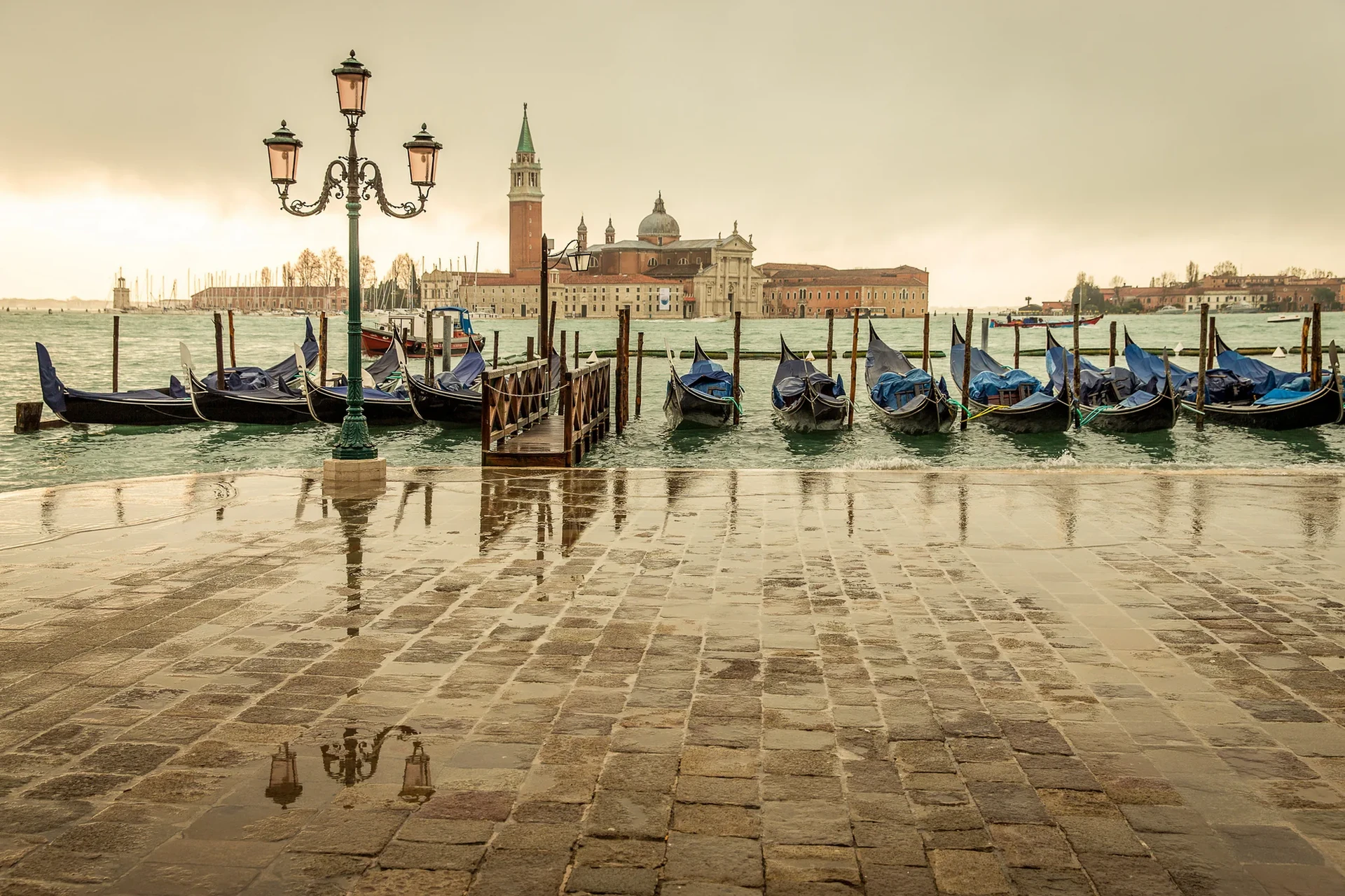
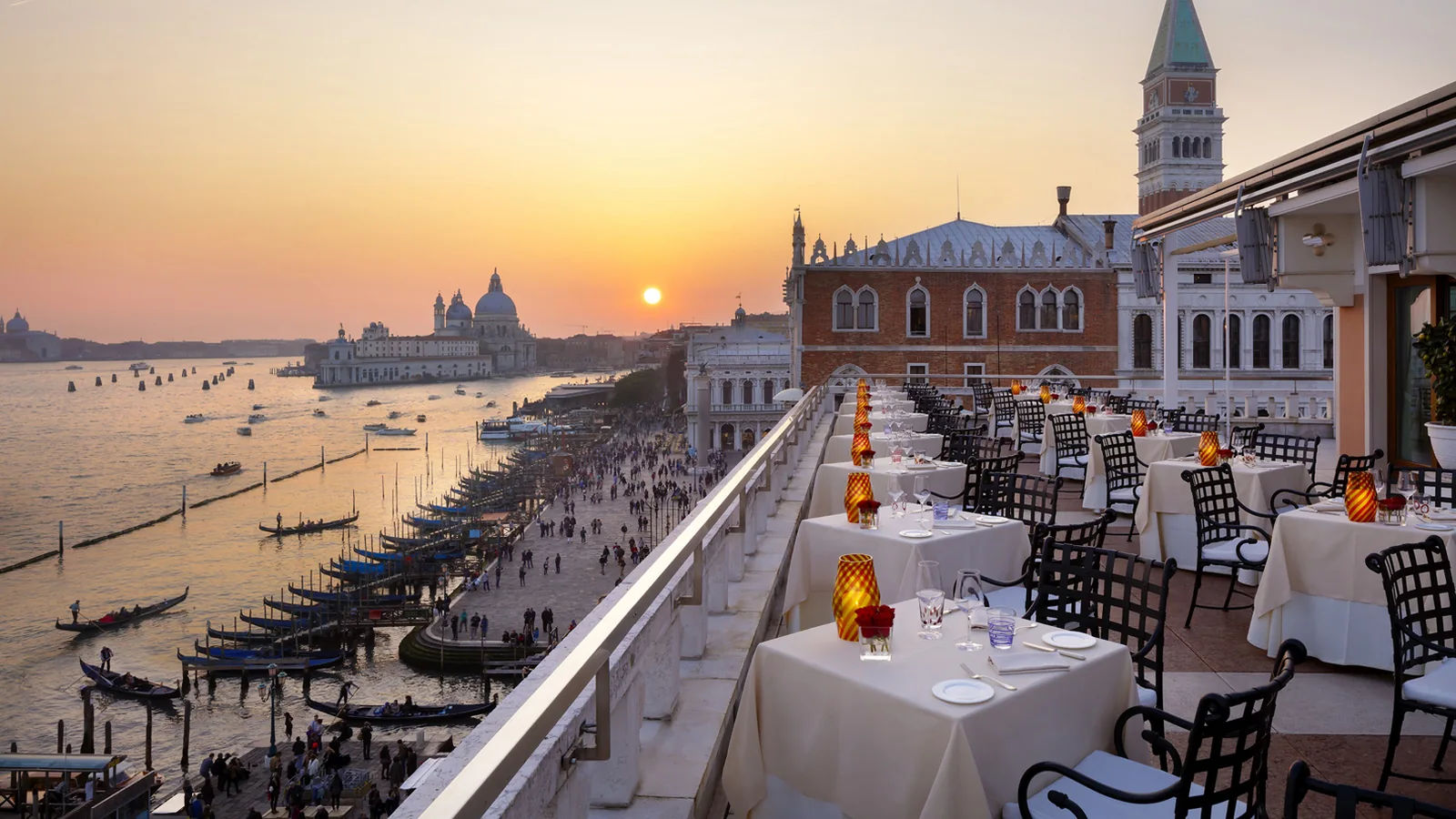
Venice is Veneto’s symbol destination and one of the most extraordinary cities in the world: a labyrinth of canals, bridges and little squares where there are no cars and you move on foot or by vaporetto. Sleeping in the historic centre — among the sestieri of San Marco, Cannaregio, Castello, Dorsoduro and San Polo — means living the city in the evening too, when the day-trippers leave and the lagoon turns magical again. Those seeking lower prices find alternatives on the islands or on the mainland, in Mestre, very handy by train.
One important detail: Venice applies an access fee for day-trippers on certain high-traffic days, but those who stay overnight are exempt and pay only the tourist tax. Sleeping in Venice, in short, not only gifts you the city in its finest moments, but also avoids the entry ticket.
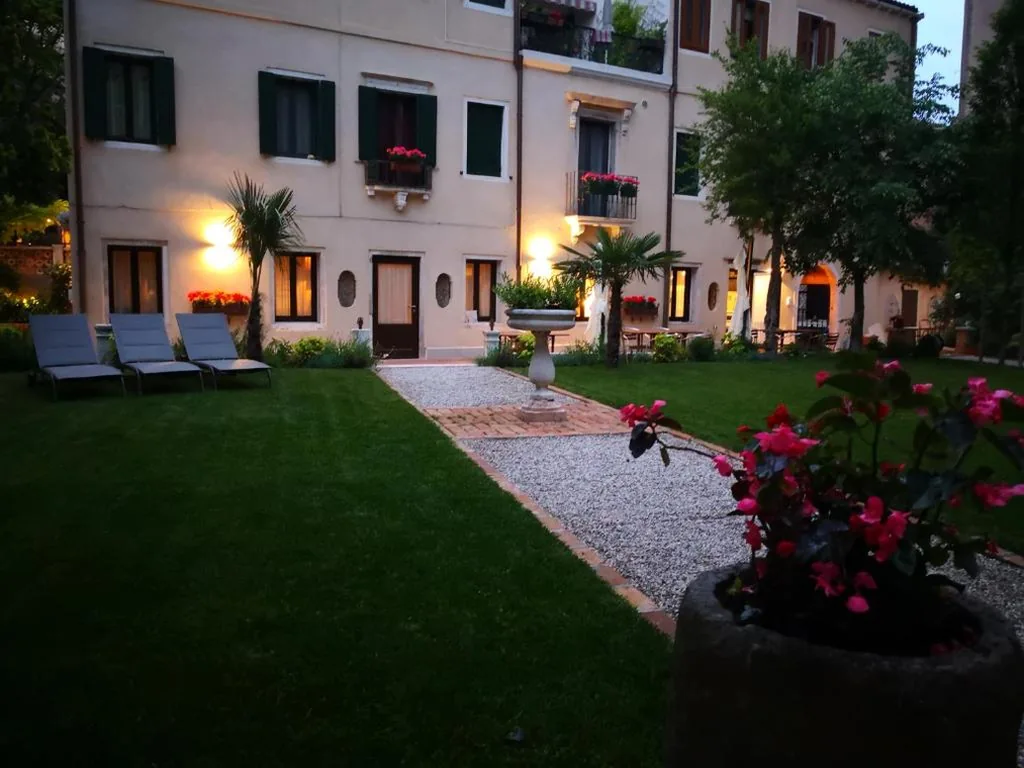
Cinqueteste Luxury Home
A refined adults-only guest house in the Santa Croce sestiere, with soundproofed suites, a private garden and a solarium terrace. An oasis of calm in the heart of Venice, perfect for experiencing the city away from the crowds and a short walk from the vaporetti.
Discover all the sestieri, the islands and recommended hotels in the guide on where to stay in Venice.
Verona, the city of love and the Arena
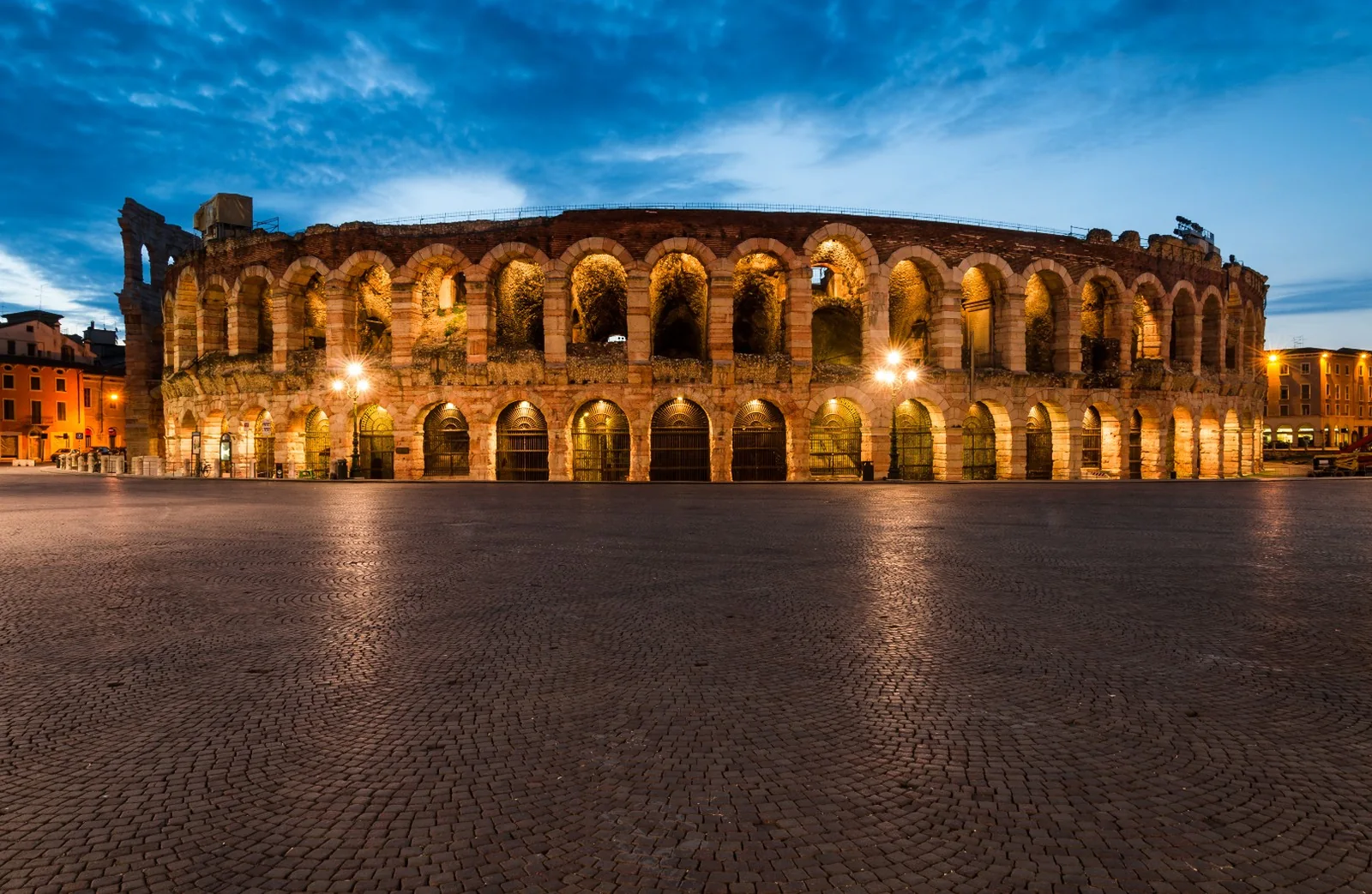
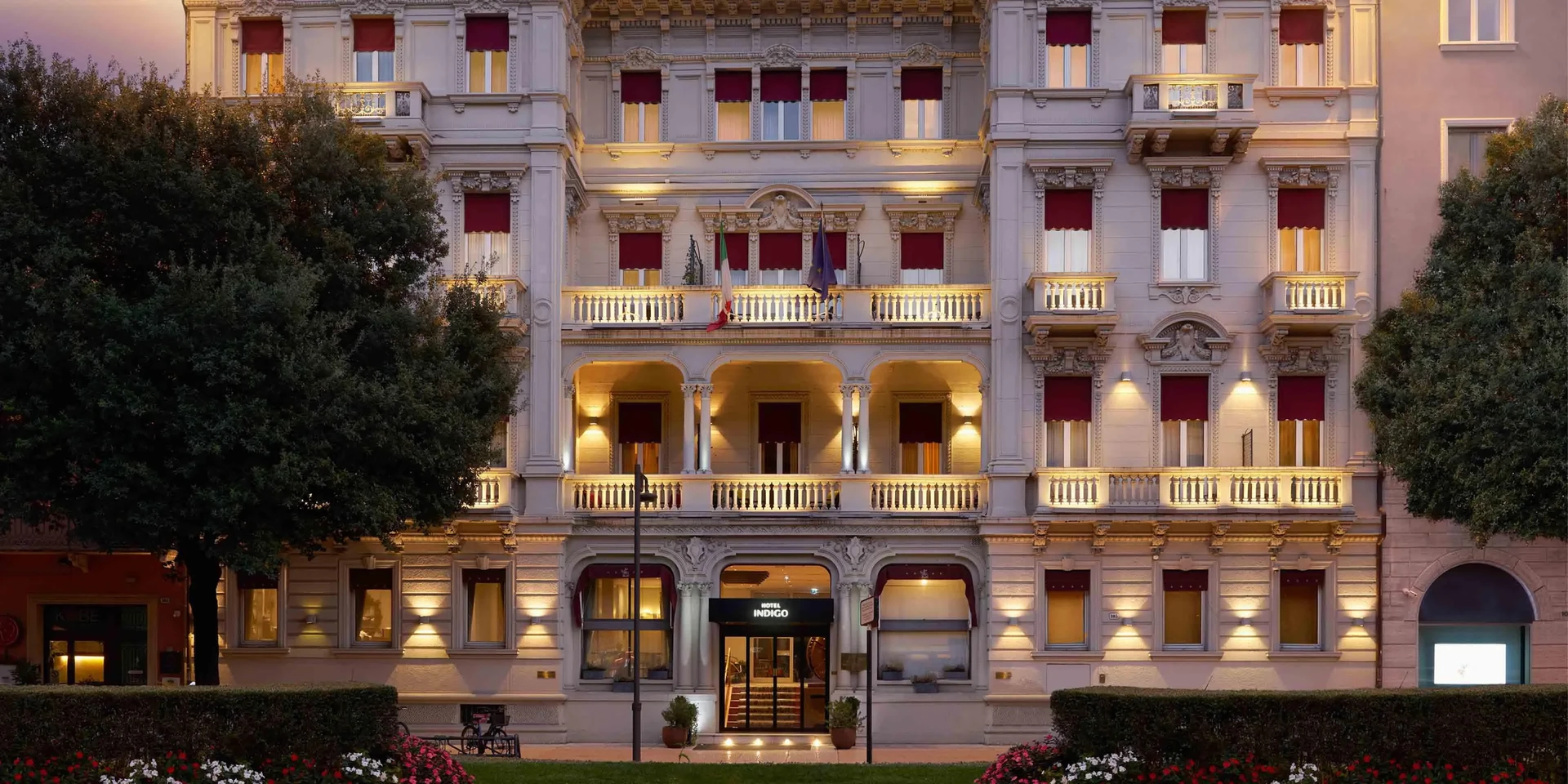
Verona is one of Italy’s most loved art cities: a UNESCO site, romantic and lively, it holds the Roman Arena — which every summer hosts the famous opera festival — Juliet’s house, Piazza delle Erbe and an elegant old town wrapped in a bend of the Adige. It’s also the gateway to Lake Garda and Valpolicella. Sleeping in the old town, in or near the ZTL, lets you experience the city on foot; the areas just outside the walls offer good, quieter alternatives that are still well connected.
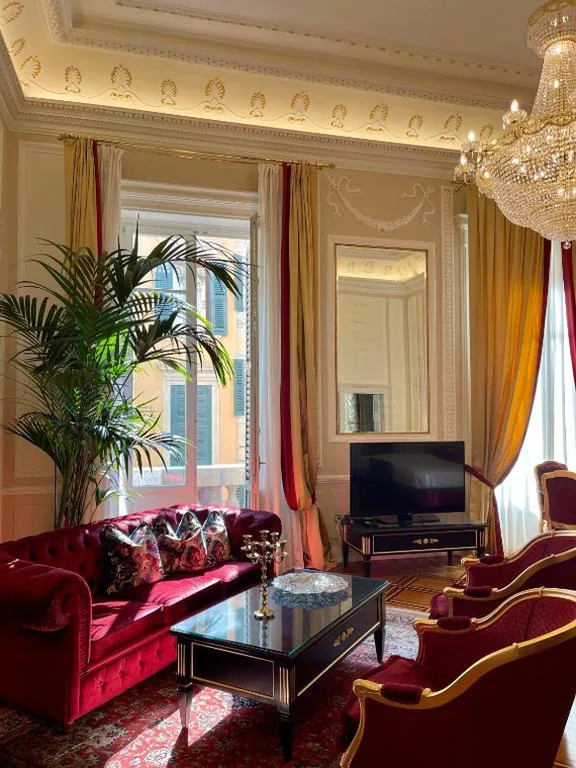
Palazzo Monga Boutique Guesthouse
An elegant 18th-century historic residence in central Verona, with luxurious suites, a 24-hour gym and a wellness area. A refined base a short walk from the Arena and Piazza delle Erbe, ideal for experiencing the city on foot with a touch of luxury.
All the areas and hotels of Verona in the guide on where to stay in Verona.
Lake Garda, the Veneto shore
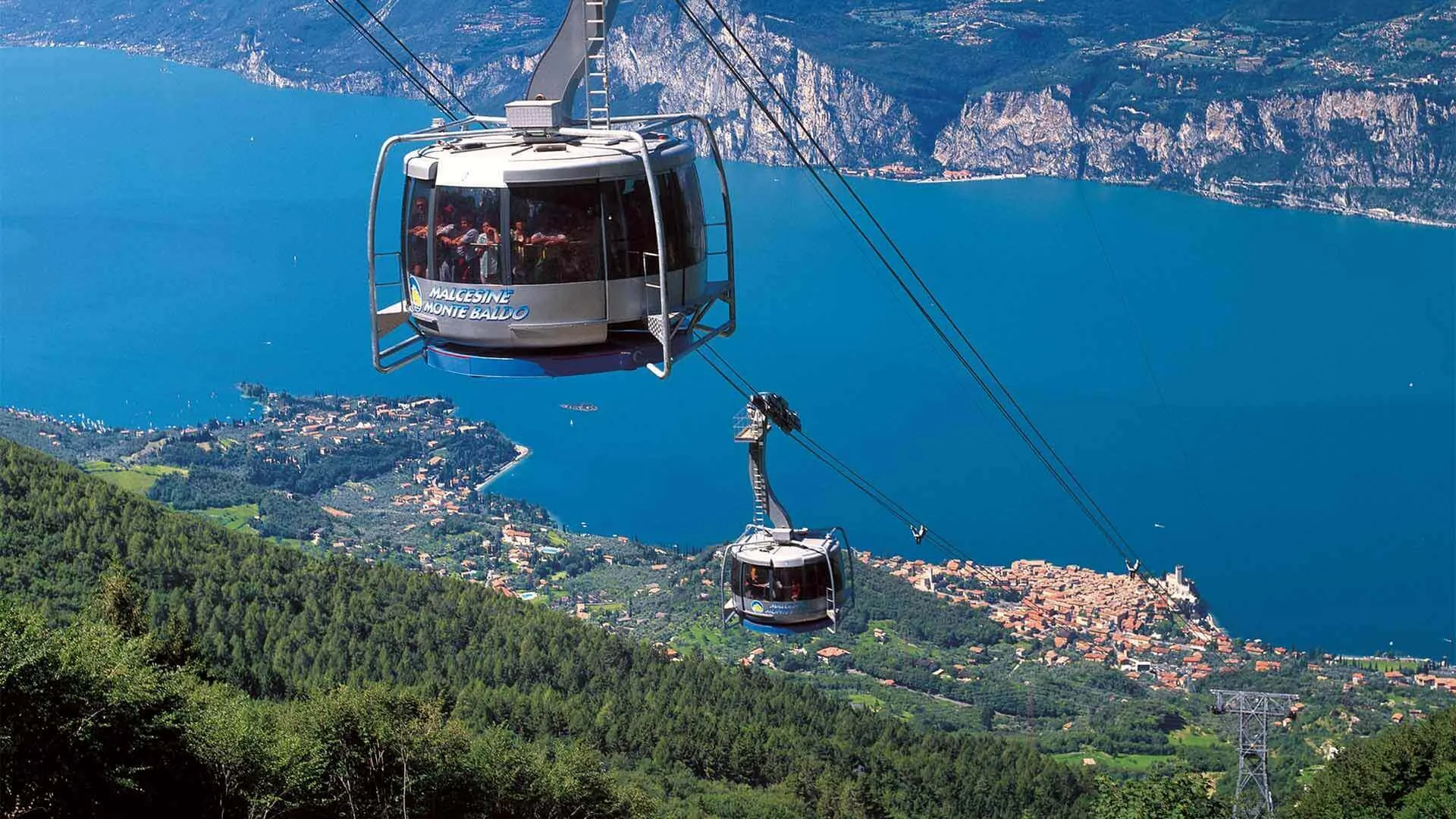
The Verona shore of Lake Garda is one of the most loved tourist areas in Italy, with postcard villages, a mild climate, beaches, sport and theme parks. From Malcesine, at the foot of Monte Baldo, you head down towards Torri del Benaco, Garda, Bardolino and Lazise, all the way to Peschiera, a UNESCO site and transport hub. It’s the perfect destination for families (Gardaland and the big parks are close by), couples and sports lovers. The tip is to choose a village on the lake and get around by boat too, avoiding the summer traffic of the lakeside road.
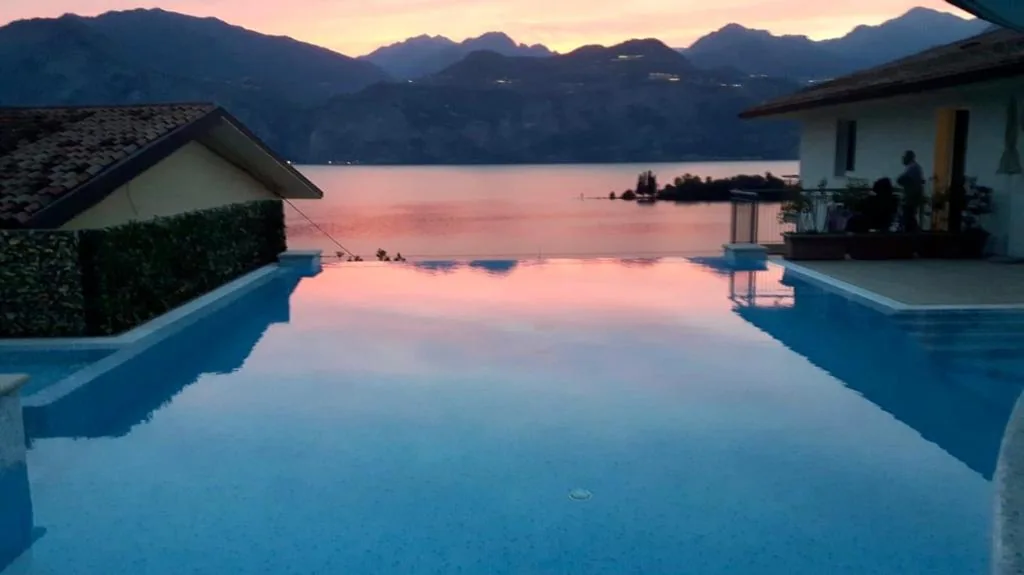
Hotel Garden
A 3-star overlooking Garda in Malcesine, with a panoramic pool, a lush garden and free parking. A postcard position at the foot of Monte Baldo and attentive hospitality: the ideal base for enjoying the lake between relaxation, villages and sport.
All the villages and hotels of the lake in the guide on where to stay on Lake Garda (Veneto shore).
The Adriatic beaches
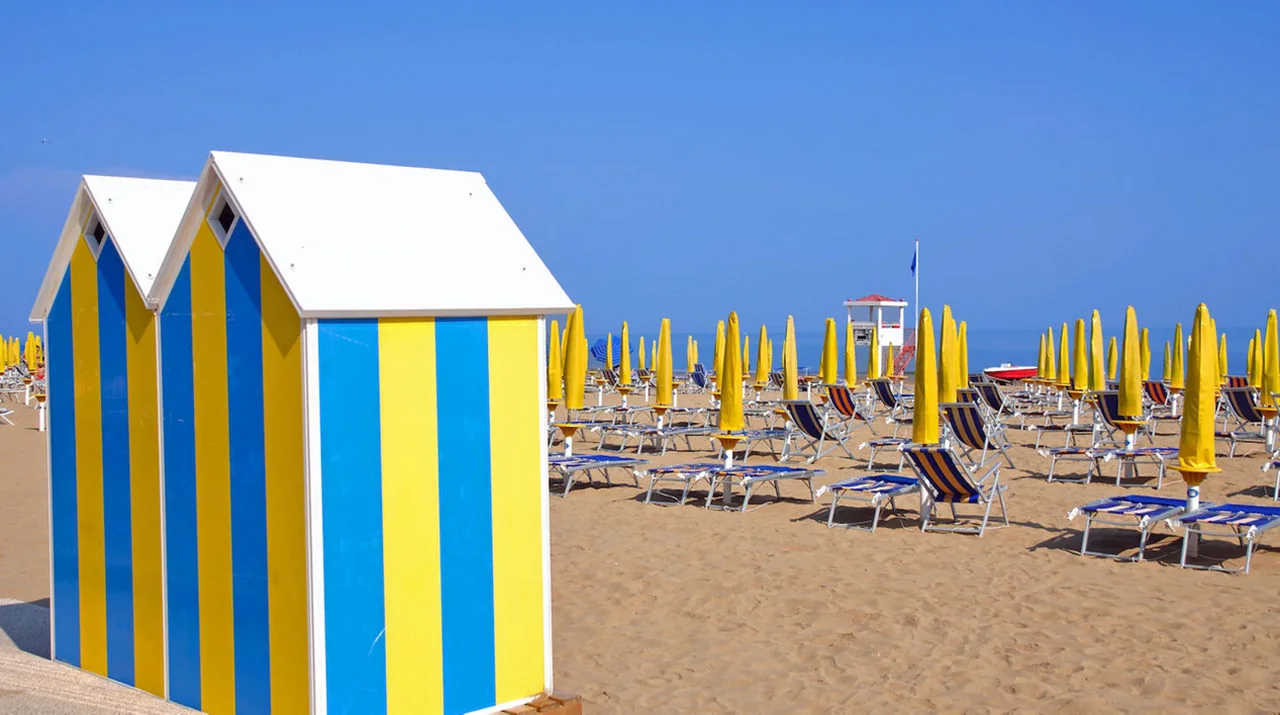
The Veneto coast is a realm of sandy beaches, well-equipped lidos and family-friendly resorts. Lido di Jesolo is the most famous and lively, with kilometres of sand, a pedestrian promenade and an intense nightlife; Caorle keeps the charm of a colourful fishing village; Bibione, with its spa, is among the favourites of families from northern Europe; Cavallino-Treporti is the capital of open-air camping. They are convenient, well-organised destinations, perfect for a relaxed seaside holiday, often a step from Venice.
Hotel Rosa
A 3-star in central Lido di Jesolo, with free parking, soundproofed rooms with balcony and the beach just 200 metres away. The large crowd of returning guests speaks of reliable hospitality: ideal for a convenient, carefree seaside holiday.
All the resorts and hotels of the coast in the guide on where to stay in Jesolo and on the Veneto beaches.
The Dolomites and Cortina
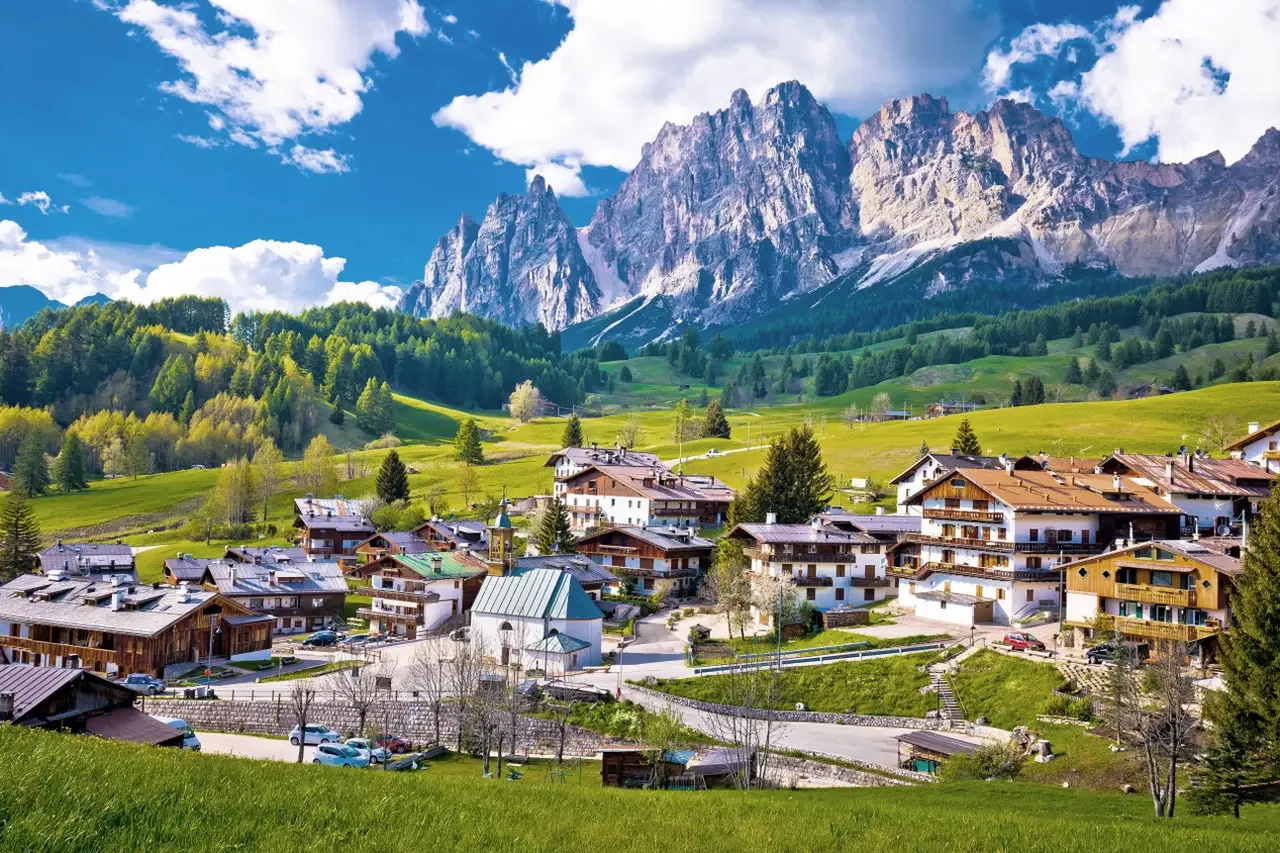
The Veneto Dolomites, a UNESCO World Heritage site, offer some of the most spectacular mountains on the planet. Cortina d’Ampezzo, the “Queen of the Dolomites”, is the most glamorous destination, between winter skiing, summer trekking and an Olympic legacy freshly renewed by the Milano-Cortina 2026 Games. Around it, Arabba is a skiers’ paradise on the Sellaronda, Auronzo di Cadore is the gateway to the Tre Cime di Lavaredo, and Belluno and Feltre combine nature with intimate old towns. A destination for all seasons, from skiing to hikes among the mountain huts.
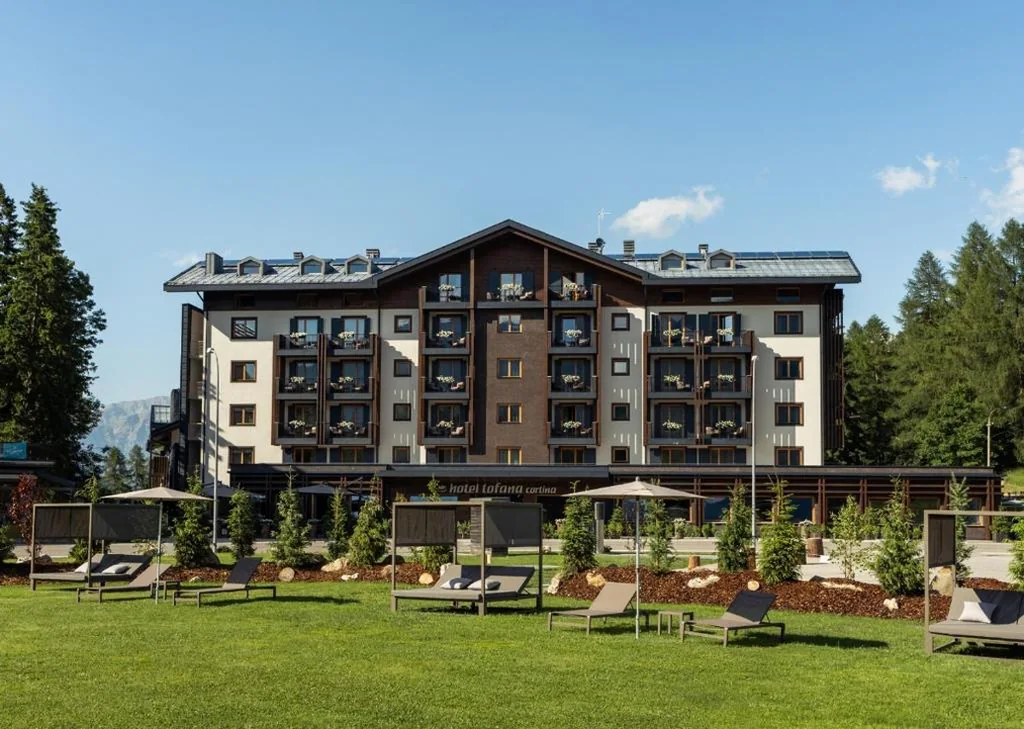
Hotel Tofana Cortina
A 5-star property in the Pocol area of Cortina, with a full spa centre, a restaurant and Dolomite views. The right address for those seeking luxury in the mountains, between skiing, nature and the timeless charm of the Queen of the Dolomites.
All the resorts and hotels of the mountains in the guide on where to stay in Cortina and the Dolomites.
Padua, the Euganean Hills and the spas
Padua is one of Veneto’s great art cities: it holds the Scrovegni Chapel with Giotto’s frescoes (a UNESCO site), the Basilica of Saint Anthony and Prato della Valle, one of the largest squares in Europe. It’s lively, a university city and a very handy base, half an hour from Venice by train. A step away open the Euganean Hills and the famous spas of Abano and Montegrotto, among the most renowned in Europe for wellness.
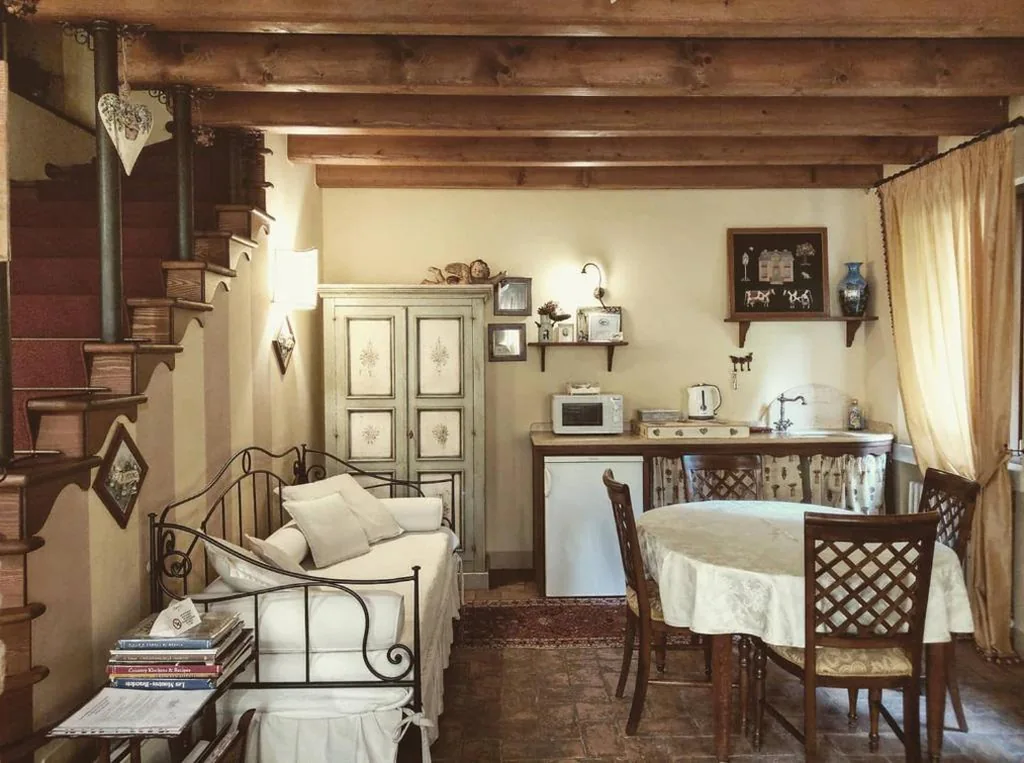
B&B Casa Camilla
A refined eco-friendly B&B set in a private garden in Padua, with free parking, breakfast on the patio and bikes available. A green, well-kept oasis, hugely loved by guests, ideal for visiting the city and the hills at a relaxed pace.
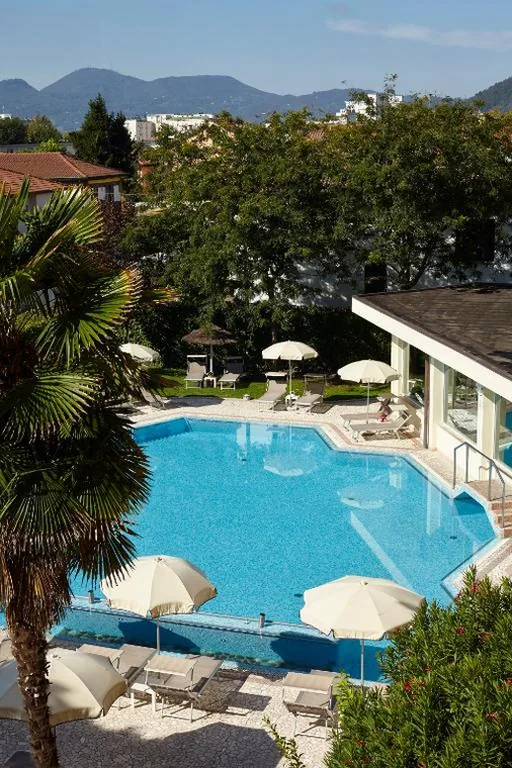
Hotel Aqua
A 3-star in Abano Terme with thermal pools, a wellness centre and a restaurant, in a quiet position with hill views. The perfect base for a holiday devoted to relaxation and spa treatments, a few minutes from Padua and the villages of the Euganean Hills.
City, hills and spas in the guides on where to stay in Padua and where to stay in the Euganean Hills and spas.
Treviso and the Prosecco Hills
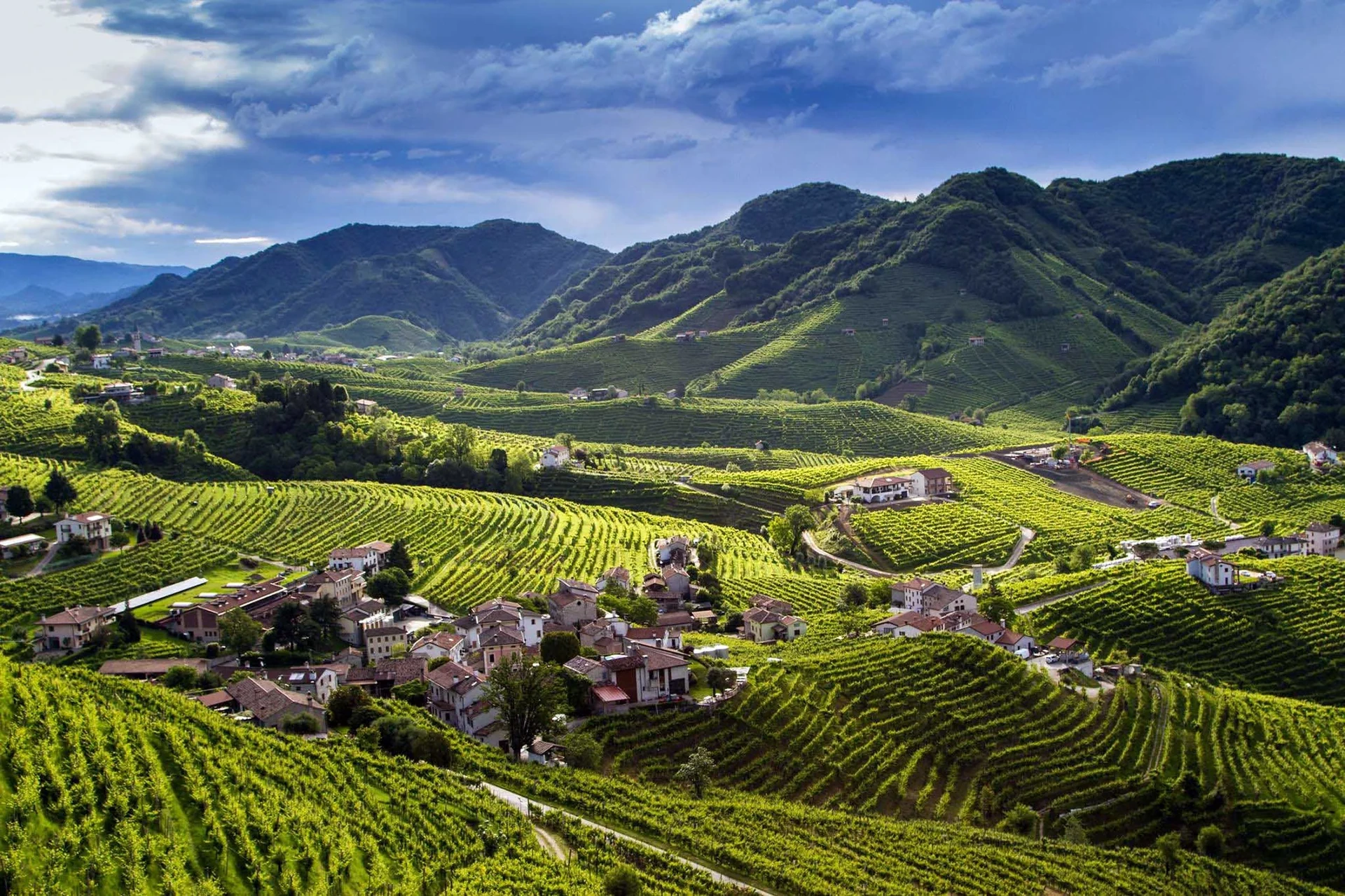
Treviso is a little gem crossed by canals, with porticoes, frescoes and an intimate, authentic atmosphere, often unfairly overlooked by tourists. Behind it open the Prosecco Hills of Conegliano and Valdobbiadene, a UNESCO site: a sea of rolling vineyards where you can taste Italy’s most famous sparkling wine, among cellars, farmhouses and villages like Asolo. It’s the perfect destination for a weekend of food, wine and relaxation in nature.
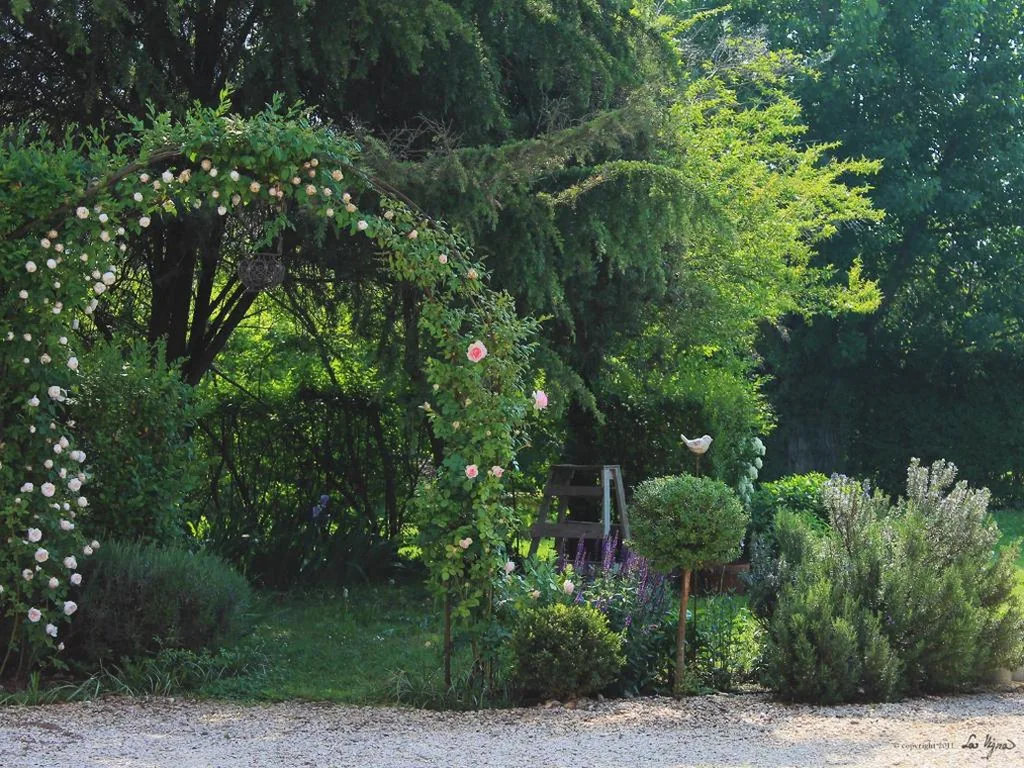
La Vigna B&B
A welcoming self-contained holiday home with a garden in Treviso, in a 17th-century building, with free parking. The charm of a historic residence combined with the convenience of independence: the ideal base for discovering the city and the Prosecco hills.
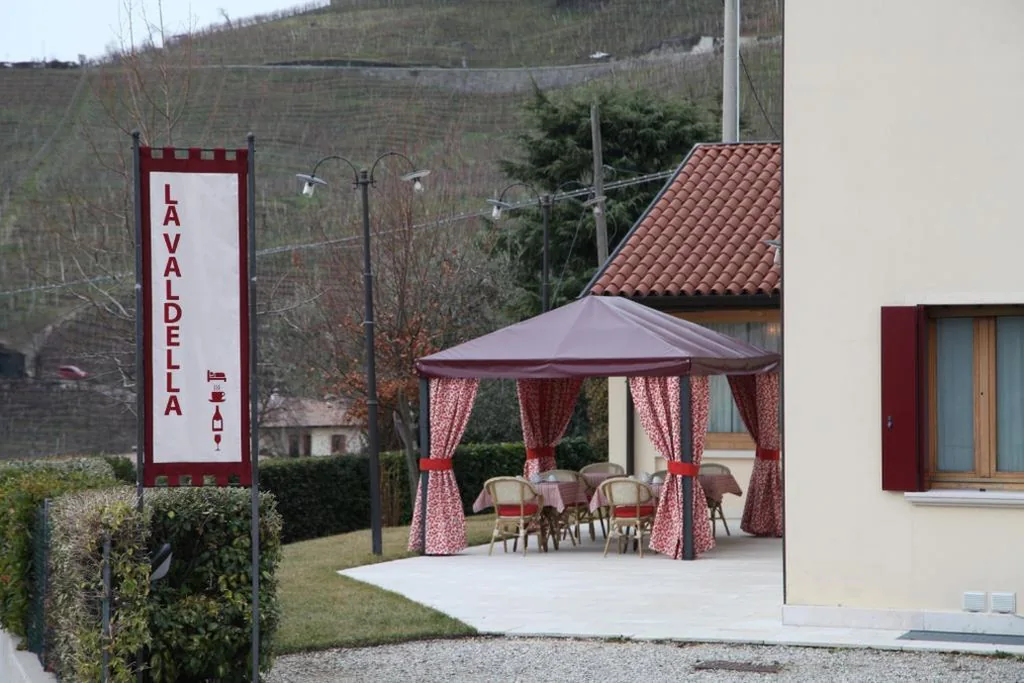
La Valdella
A B&B set among the vineyards of Valdobbiadene, with air-conditioned rooms, a terrace and parking. Waking up among the Prosecco hills, with the cellars within reach: the right address for a slow stay in the heart of the UNESCO area.
City and hills in the guides on where to stay in Treviso and where to stay in the Prosecco Hills.
Vicenza and Bassano del Grappa
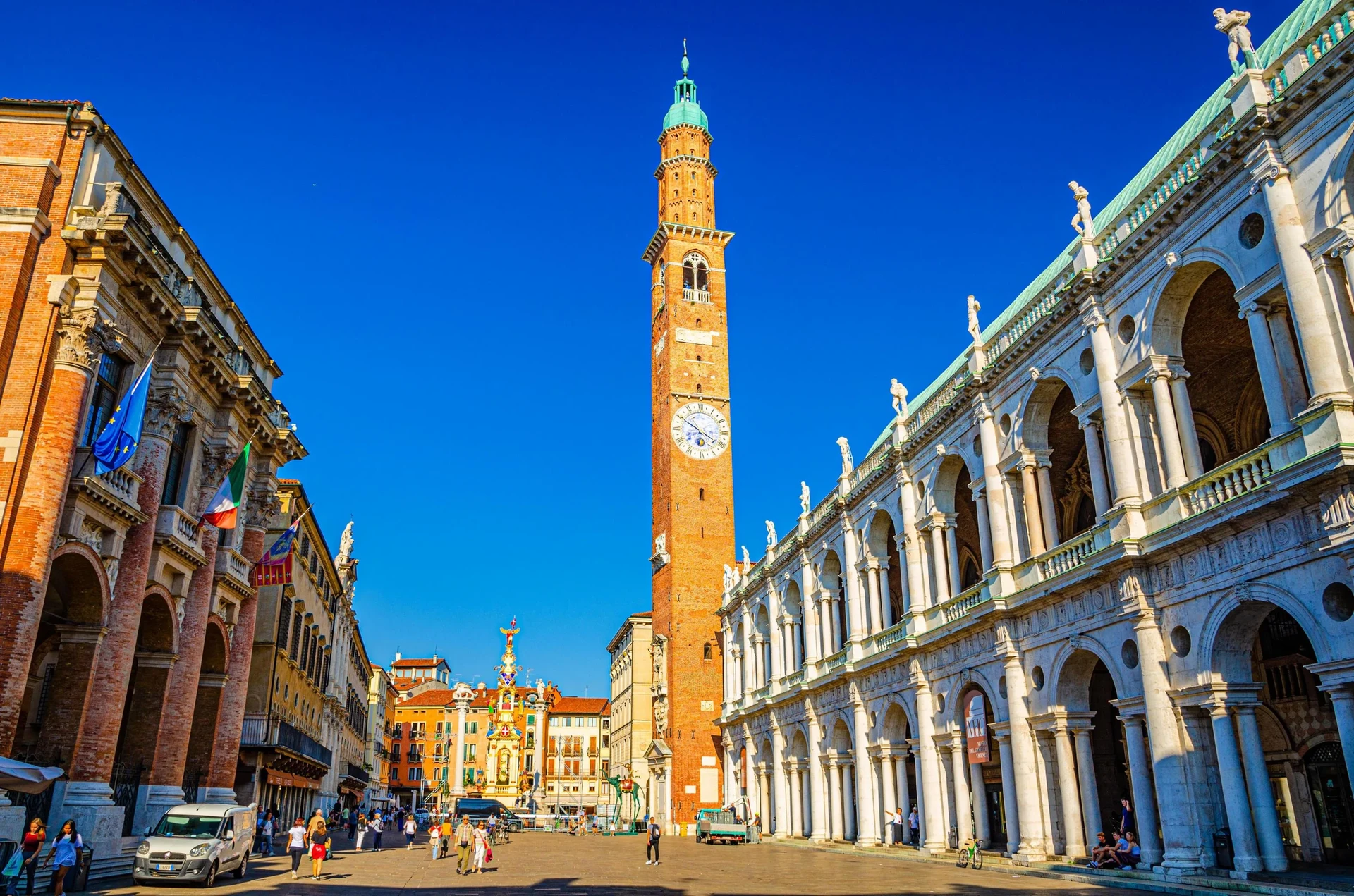
Vicenza, the “city of Palladio”, is an open-air Renaissance masterpiece, a UNESCO site for the villas and palaces of the great architect, from the Teatro Olimpico to the Palladian Basilica. Not far away, Bassano del Grappa enchants with the famous Ponte degli Alpini designed by Palladio, its grappa and a lively old town, while Marostica is famous for its living chess game in the square. An area of great charm, less crowded and perfect for those seeking the authentic.
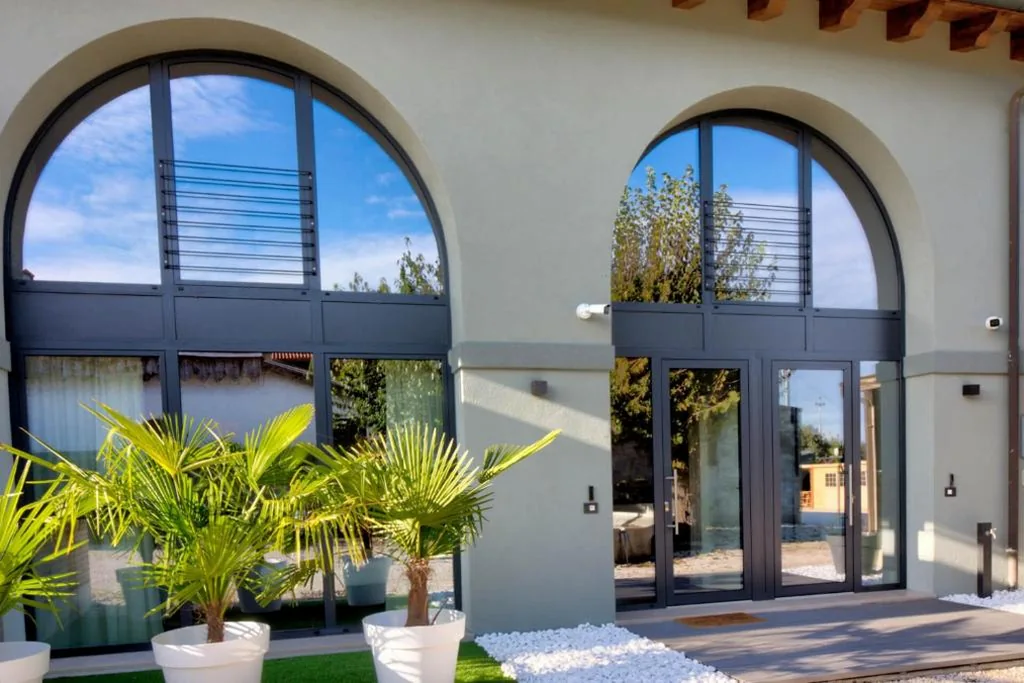
Nuovo B&B WhyNot? a Vicenza
A welcoming adults-only B&B in Vicenza, with a garden, free parking and a generous buffet breakfast with vegan options. A well-kept, quiet address, ideal for discovering the city of Palladio in comfort and at a relaxed pace.
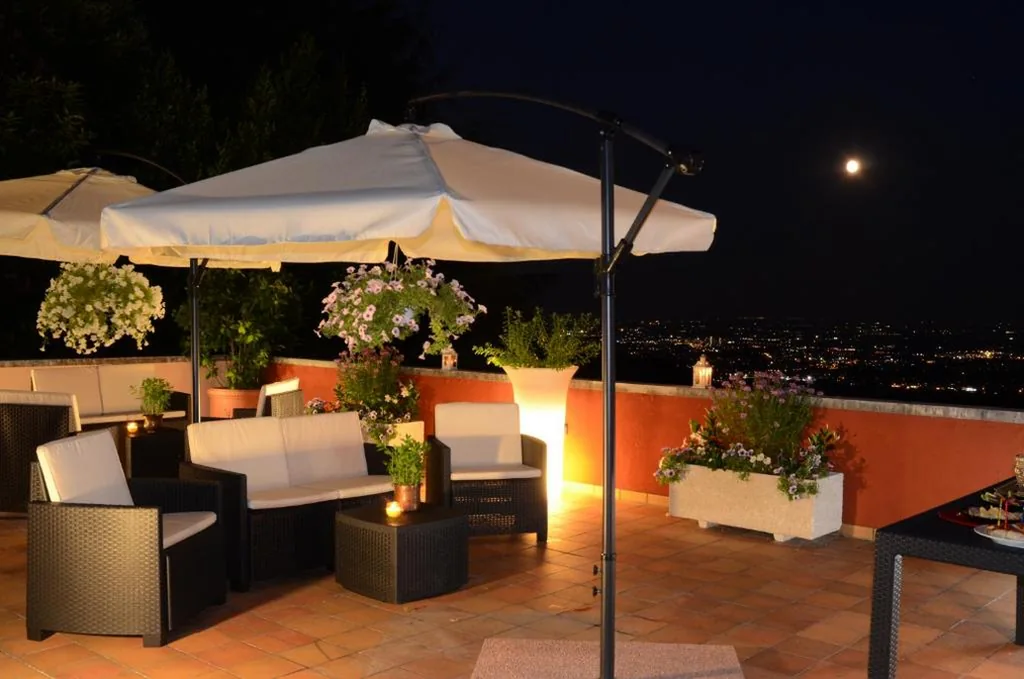
B&B Ca’Baracca Bellavista
A welcoming B&B in Bassano del Grappa with a garden, a hot tub, free parking and rooms with a terrace. A relaxing, panoramic base, perfect for visiting the village of the Ponte degli Alpini and the surroundings between grappa and Monte Grappa.
Read more in where to stay in Vicenza and where to stay in Bassano del Grappa.
Valpolicella, Soave and Chioggia
Anyone who loves wine and good food can’t miss Valpolicella, the land of Amarone, with its hills of vineyards, villas and cellars north of Verona, and Soave, with its castle and famous white wines. On the sea side, lively Chioggia — nicknamed “little Venice” — and its beach at Sottomarina offer a mix of lagoon authenticity and seaside holiday, a step from the Po Delta.
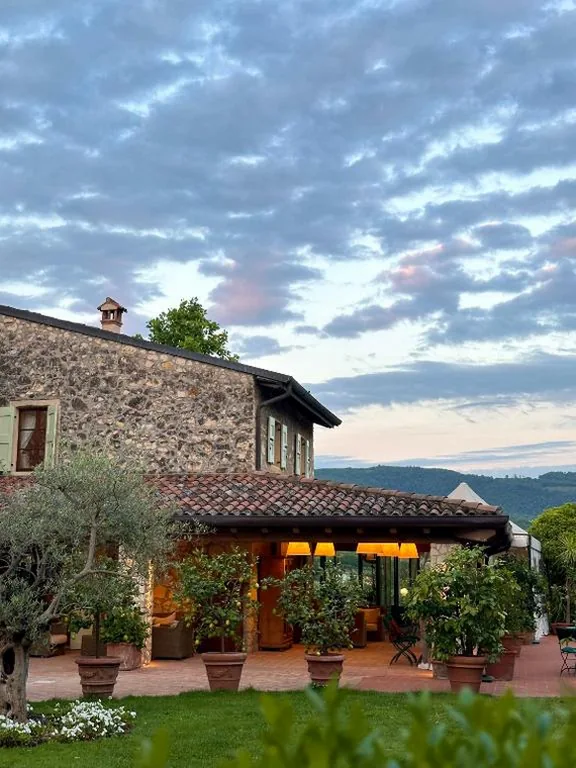
Relais La Magioca
An exclusive adults-only relais among the Valpolicella hills in Negrar, with a seasonal pool and hot tub set in the vineyards. An elegant, romantic retreat in the heart of the land of Amarone, for a stay of pure relaxation among the cellars.
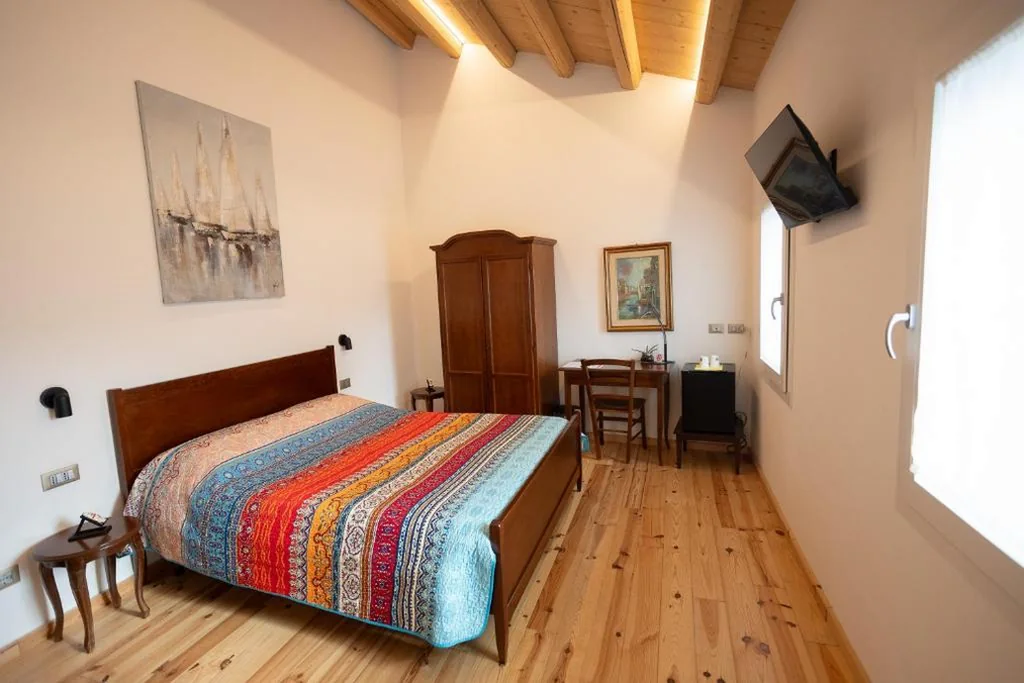
B&B Basta Bussare
A welcoming B&B in the old town of Chioggia, with a solarium terrace, air-conditioned rooms and city views. The right way to experience “little Venice” between canals and the fish market, with Sottomarina beach a short distance away.
Find out more in where to stay in Valpolicella and Soave and where to stay in Chioggia and Sottomarina.
How to choose where to stay in Veneto
There’s no single answer: Veneto is many regions in one. Choose Venice for a trip unique in the world, factoring in higher prices; Verona and the art cities for culture, romance and food and wine; Lake Garda for families, couples and sports lovers; the Adriatic beaches for a convenient seaside holiday; the Dolomites for mountains in every season; the Prosecco hills and Valpolicella for a slow stay among vineyards and cellars.
The beauty of Veneto is that distances are short and connections excellent: you can base yourself in one area and visit the others on a day trip. Many choose Venice or Verona as a starting point, but Padua, Treviso and Vicenza are also excellent, central bases. Whatever the destination, it’s best to book ahead in high season and consider the shoulder seasons for pleasant weather and fewer crowds. To plan your travel, see the guide on how to get to Veneto.
Frequently asked questions
Quick answers to the questions we’re asked most often about where to stay in Veneto.
What’s the best area to stay in Veneto?
It depends on the trip you’re after. Venice is the symbol destination, unique in the world; Verona and the art cities offer culture and food and wine; Lake Garda is perfect for families and sports lovers; the Adriatic beaches (Jesolo, Caorle, Bibione) for the sea; the Dolomites of Cortina for the mountains; the Prosecco hills and Valpolicella for wine and relaxation. Thanks to the short distances, you can base yourself in one area and visit the others on a day trip.
Is it better to stay in Venice or on the mainland?
Sleeping in Venice’s historic centre gifts you the city in its finest moments, early in the morning and in the evening, when the day-trippers leave. What’s more, those who stay overnight are exempt from the access fee. If budget is a constraint, the mainland (Mestre) or the islands offer good alternatives, handy by train or vaporetto. The choice depends on how much you want to experience the lagoon’s night-time atmosphere.
How does Venice’s access fee work?
Venice applies an access fee for day-trippers on certain high-traffic days, during daytime hours. Those who stay overnight in a city accommodation (hotel, B&B, holiday home) are exempt and pay only the tourist tax. Residents, minors and other categories are also exempt. The dates and rules change from year to year: it’s best to check them on the municipality’s official portal before your trip.
What’s the best base for visiting several Veneto cities?
Distances in Veneto are short and rail links excellent, so many cities work well as a base. Padua, Verona, Vicenza and Treviso are central and well served, ideal for reaching Venice and the other destinations on a day trip. Venice itself is convenient but pricier. If your trip combines cities, lake and hills, a base like Verona or Padua lets you move easily in every direction.
When is the best time to visit Veneto?
Veneto can be visited all year round, but the shoulder seasons — spring and autumn — are ideal for art cities, hills and lakes, with pleasant weather and fewer crowds. Summer is the peak season for the Adriatic beaches and Garda, but also the busiest. Winter is perfect for the Dolomites and for the charm of Venice in the mist, as well as for the winter opera season. In high season it’s always best to book well ahead.
Is Veneto suitable for families?
Very much so. Lake Garda, with the big theme parks close by, and the well-equipped Adriatic beaches (Bibione and Cavallino-Treporti above all) are among the favourite destinations for families in Italy and Europe. The Dolomites too offer activities for children in every season, and the art cities are easy to visit on foot. Everywhere you’ll find hotels and residences with services and apartments designed for those travelling with children.