
Lombardy is the most central and best-connected region in Italy: in the middle of the Po Valley, with Milan as its pivot, it is easy to reach from anywhere in the world by air, from anywhere in Italy by train and car, and superbly served internally. Whether you want to visit the city, unwind on the lakes or ski in Valtellina, the journey is simple: here you’ll find every way to get here and our tips for reaching the main destinations.
By air: Milan’s three airports
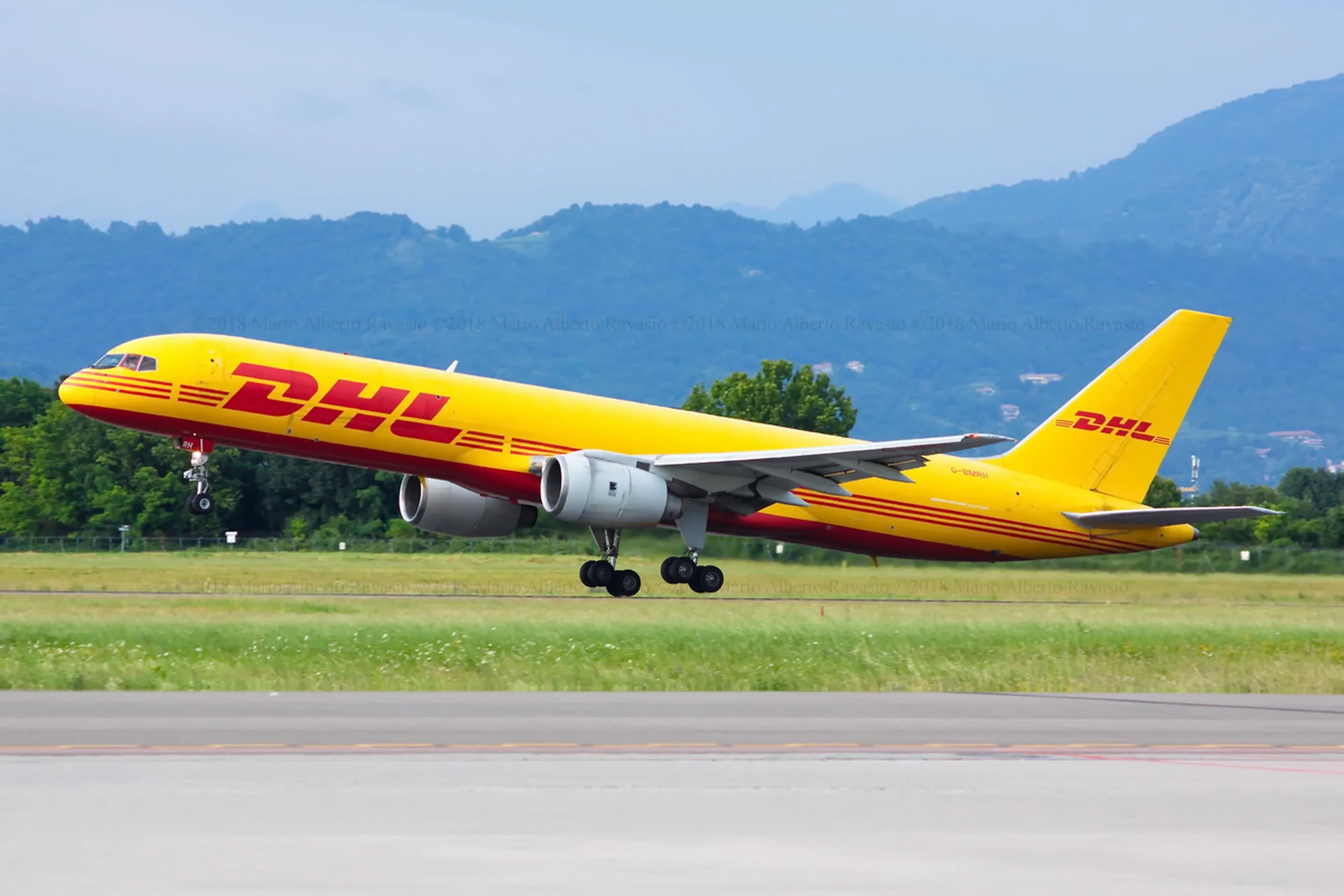
Lombardy is served by three airports, all in the Milan area. Malpensa is Italy’s main intercontinental gateway, with flights from all over the world and two terminals; you reach central Milan on the Malpensa Express, the train linking the airport to Cadorna and Milan Central stations in about 35-55 minutes. Linate, smaller but very close to the city, is connected to the centre by the new M4 “blue” metro line in just a dozen minutes: it’s ideal for a city break. Bergamo Orio al Serio (Il Caravaggio) is the big low-cost hub, Italy’s third-busiest airport: you reach Milan by direct coach from Milan Central or by train to Bergamo plus a bus, and it’s very handy for those staying in Bergamo or heading to the lakes.
To these you can add the small airport of Brescia-Montichiari, used mainly for charter and cargo flights. Thanks to this network, Lombardy is one of the most convenient gateways in Europe, with links that keep improving — such as the new rail connection to Orio al Serio now under construction.
A practical tip: choose your airport based on your final destination, not just the flight price. If your goal is central Milan, Linate saves you precious time; if you’re heading for the eastern lakes, Franciacorta or Bergamo, Orio al Serio is often the most convenient; if you’re arriving from afar on a long-haul flight, Malpensa is nearly always the only option. All three airports have on-site car rental and frequent public links even late in the evening, so you can plan your arrival stress-free at any hour.
By train: Milan, the heart of high-speed rail
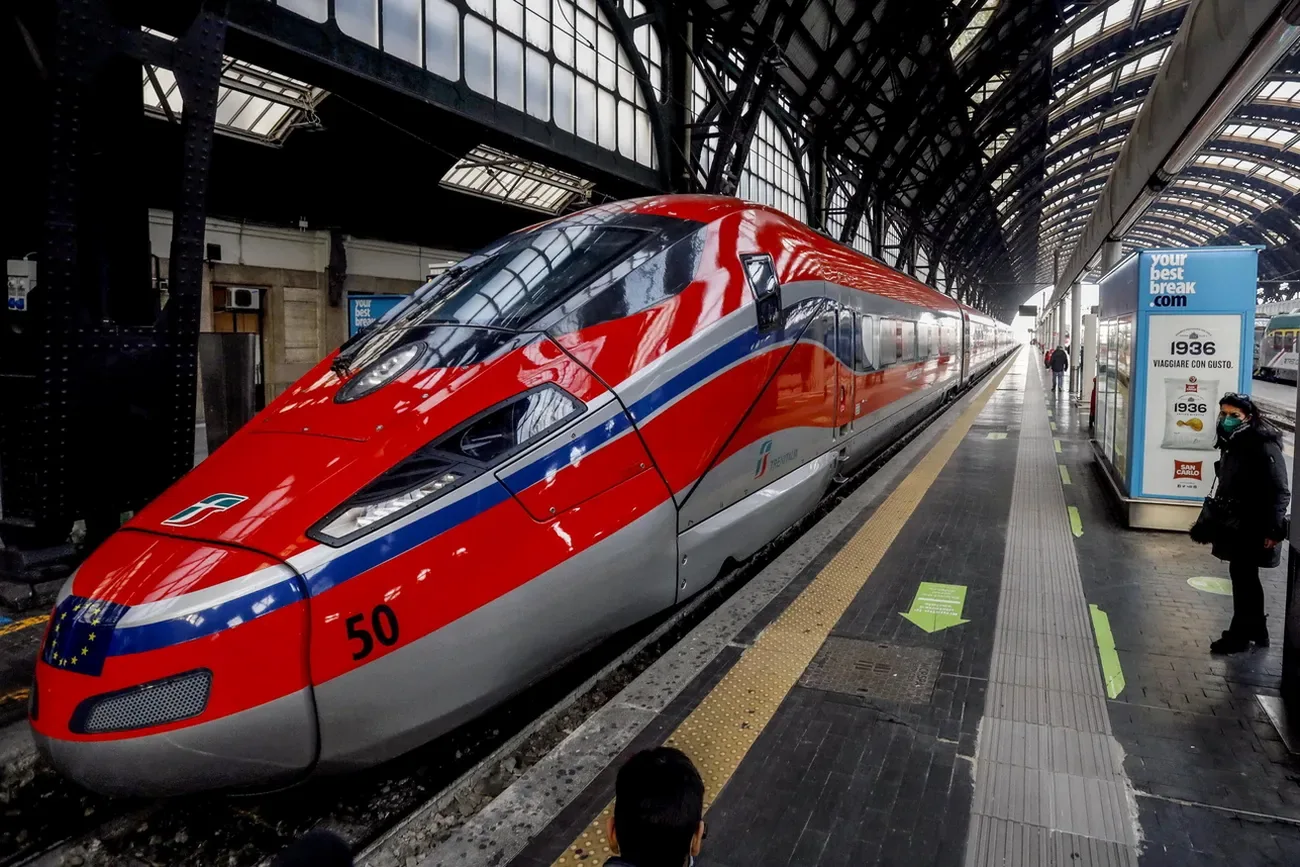
The train is often the best way to reach Lombardy. Milan is the heart of Italy’s high-speed network: Central Station, served by Frecce and Italo trains, connects Milan to Rome in about three hours, and within a few hours to Turin, Bologna, Florence, Venice and Naples. It’s the country’s most important rail junction, ideal for anyone arriving from Italy or Europe without worrying about traffic and parking.
From Milan and the other Lombard cities a dense network of regional trains then reaches almost every tourist destination: Lakes Como, Garda and Iseo, Varese, Bergamo, Brescia, Mantua, Pavia and Valtellina. For a sustainable and comfortable trip, it’s nearly always the smartest choice, especially for reaching the cities and lakeside villages, where in high season a car is more of a problem than an advantage.
Lombardy is also well connected internationally: from Milan there are cross-border trains to Switzerland (Lugano, Zurich) and, through the Simplon, towards France, while Malpensa airport is tied into the rail network. Travellers arriving from northern Europe can therefore enter the region comfortably by rail. One useful detail: Milan has several stations (Central, Porta Garibaldi, Rogoredo, Lambrate), all linked by the metro; always check which station your train uses so you can plan the final stretch to your hotel.
By car: the motorways
Those arriving by car find a dense motorway network. The main axis is the A4 Turin-Milan-Brescia-Verona-Venice, the “backbone” of the north that crosses the whole region; the A1 links Milan to Bologna, Florence and Rome to the south. For the lakes there’s the Autostrada dei Laghi (A8/A9), running towards Varese, Lake Maggiore and Como up to the Swiss border, while the A35 BreBeMi connects Brescia and Milan directly.
A car is handy for exploring the territory freely, especially the mountains and the areas less served by trains. Bear in mind, though, that central Milan is largely pedestrian and subject to traffic restrictions (Area C), and that in high season the lakeside villages have difficult traffic and parking: in those cases it’s best to leave the car and use trains and boats.
If your itinerary is mixed — a city as a base plus a few day trips — a good strategy is to arrive by train, move around the city by metro and public transport, and rent a car only for the out-of-town legs that truly need one. Many hotels, especially in the centre, have no parking of their own and rely on partner garages for a fee: if you arrive by car, always check availability and the cost of a space in advance to avoid surprises on arrival.
How to reach the lakes, the mountains and the cities
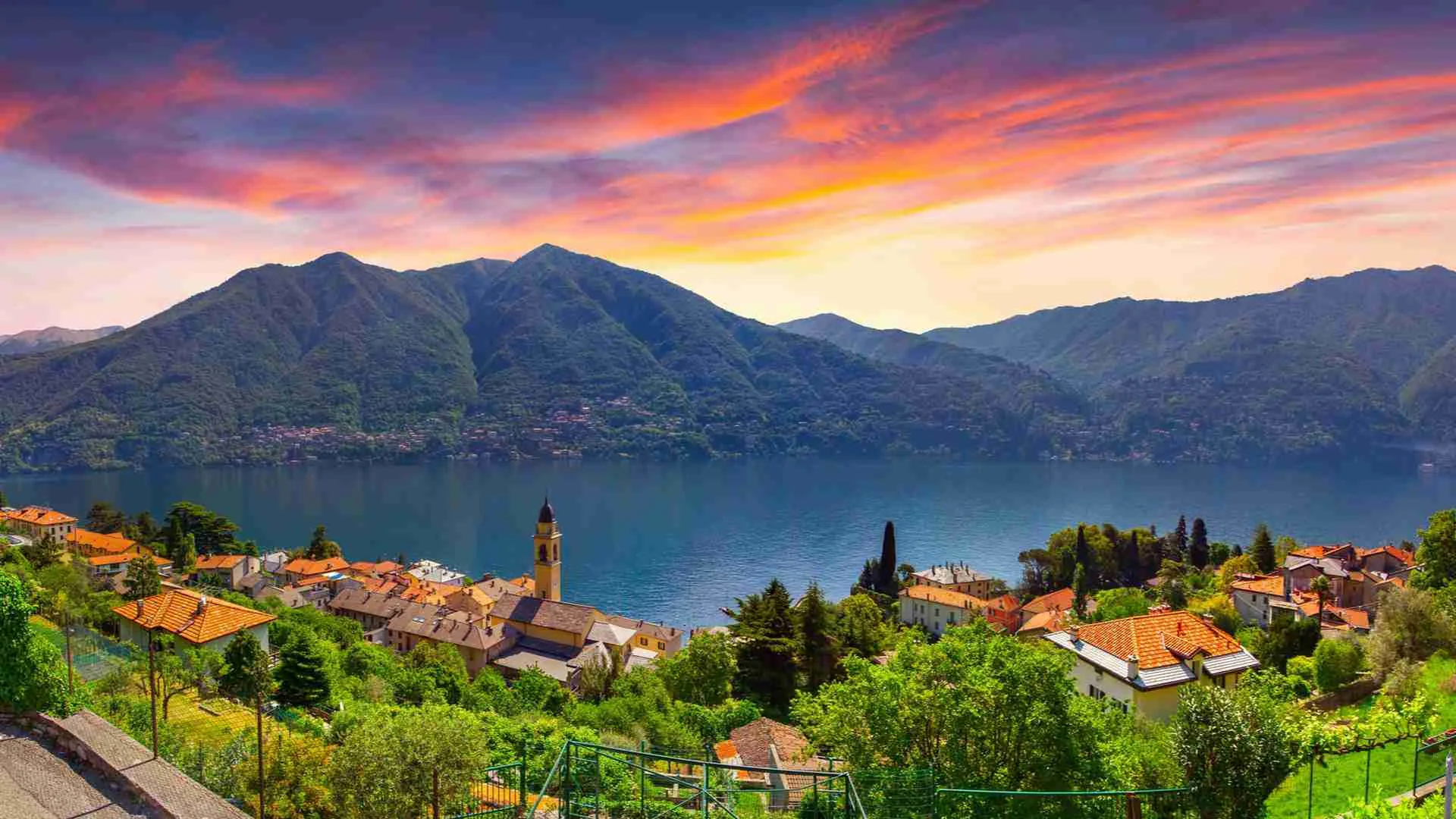
Once you’re in Lombardy, getting around is easy. The lakes are within train reach of Milan: Como and Lecco in about 40 minutes to an hour, Desenzano on Garda on the Venice line, Iseo from Brescia; once there, boats connect the villages better than a car. For an overview of all the waterside destinations, see the guide on where to stay on the Lombard lakes.
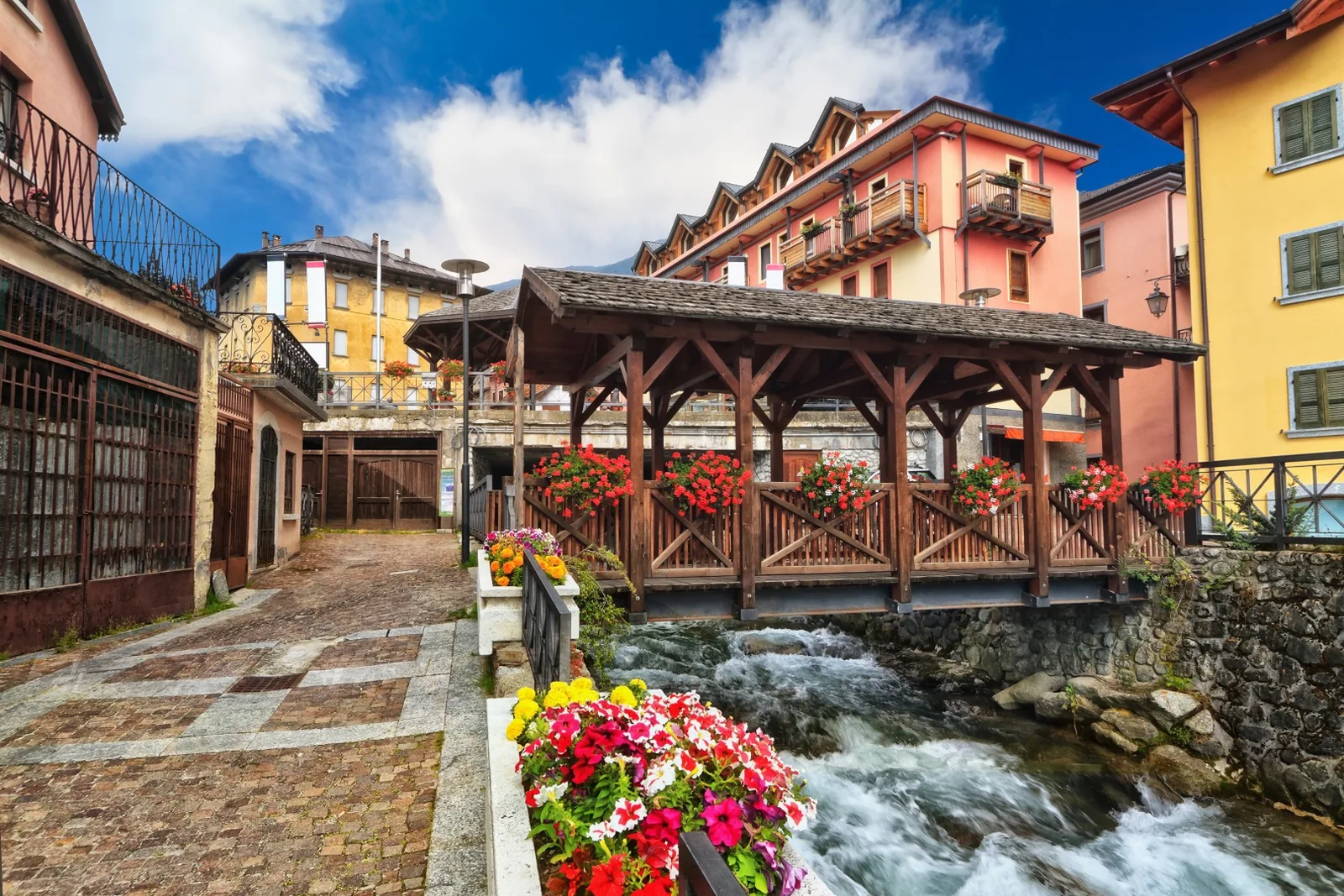
The mountains are reached by heading up the valleys: Valtellina on the Milan-Lecco-Sondrio-Tirano train, from which you continue by bus towards Bormio and Livigno or board the Bernina Red Train; Ponte di Legno by heading up the Val Camonica from Brescia. For skiing, see the guide on where to stay for skiing in Lombardy. The art cities — Bergamo, Brescia, Mantua, Pavia and Cremona — are all connected by train and close to one another, perfect for an itinerary. And of course there’s Milan, the ideal starting point for everything.
This guide is part of our journey through the region: discover all the areas and destinations in Where to Stay in Lombardy.
Frequently asked questions
Quick answers to the questions we’re asked most often about getting to Lombardy.
Which airport is best for reaching Lombardy?
It depends on where you’re coming from and your destination. Malpensa is the main intercontinental gateway, ideal for long-haul and international flights. Linate, very close to Milan and served by the M4 metro, is the handiest for a city break in town. Bergamo Orio al Serio is the big low-cost hub, perfect for budget European flights and convenient for Bergamo and the lakes too. For central Milan, Linate is the fastest; to save money, Orio is often the best bet.
How do I get to central Milan from the airports?
From Malpensa take the Malpensa Express, the train to Cadorna and Milan Central stations, in about 35-55 minutes. From Linate, the new M4 “blue” metro connects the airport to the centre in just over ten minutes, on a city ticket. From Orio al Serio there are direct coaches to Milan Central (about an hour) or the regional train to Bergamo plus a bus. In every case the links are frequent and well organised, even in the evening.
Is it worth reaching Lombardy by train?
Yes, very much: Milan is Italy’s main high-speed rail node, linked to Rome in about three hours and to all the big cities within a few hours. From Milan and the other Lombard capitals a dense network of regional trains reaches the lakes, mountains and art cities. The train avoids traffic and parking, and it’s nearly always the best way to get around the region, especially towards the cities and lakeside villages.
Do I need a car to visit Lombardy?
It’s not essential, but it depends on your destination. For Milan and the art cities a car is more of a hindrance than a help, given the excellent train and metro network and the traffic restrictions. For the lakes it’s best to arrive by train and use the boats. A car is useful, instead, for freely exploring the mountains, the valleys and the less-served areas, such as Valtellina, Franciacorta or the upper Garda. In many cases, the train + local transport combination is the most convenient.
How do I reach the Lombard lakes?
The main lakes are reachable by train from Milan: Como and Lecco in about 40 minutes to an hour, Desenzano on Garda on the Venice line, Iseo from Brescia. Once you arrive, the best way to move between the villages is by boat, which avoids the traffic on the lakeside roads. By car you can get anywhere, but in high season parking is scarce and expensive. To choose the lake and the right base, see our dedicated guide to the Lombard lakes.
How do I get to Valtellina and the ski resorts?
Valtellina is reached by train from Milan via Lecco to Sondrio and Tirano; from Tirano you continue by bus towards Bormio and Livigno, or board the scenic Bernina Red Train. Ponte di Legno is reached by heading up the Val Camonica from Brescia, by train to Edolo and then bus, or by car. In winter it’s wise to check the pass conditions and winter equipment requirements. For skiing, our dedicated guide gathers all the destinations and hotels.