
Trentino-Alto Adige is one of the easiest mountain regions in the Alps to reach: it is crossed by the great Brenner corridor, the historic route between Italy and Northern Europe, served by both motorway and railway. Whether you arrive by car, train or plane, the two capitals — Trento and Bolzano — are the main hubs from which you then climb towards the valleys, the Dolomites and the lakes. In this guide you’ll find all the ways to arrive and to get around on the spot, with a few practical tips to enjoy your holiday from the journey itself.
The region is long and varied, from the shores of Lake Garda to the glaciers of the border: the choice of transport depends above all on your final destination and the season. Let’s look at the options one by one, and then how to get around once you’ve arrived.
By car
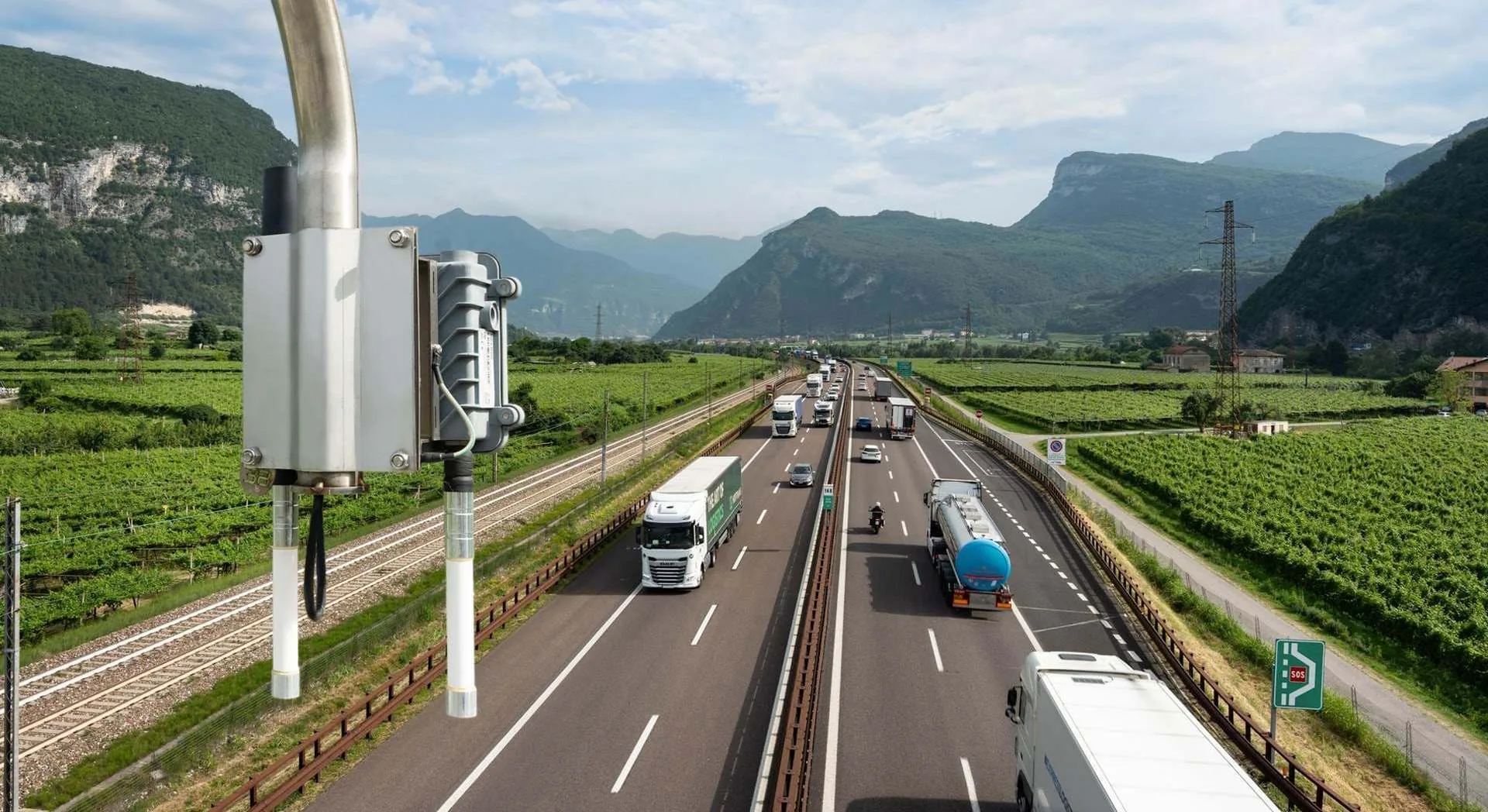
The car is the most flexible option, especially for reaching the side valleys. The region’s backbone is the Brenner motorway (A22), which climbs the Adige valley from Verona (where it joins the A4 Milan-Venice) up to the Brenner Pass and Austria. The main exits are Trento Nord and Sud, Bolzano Nord and Sud, Egna-Ora, Bressanone and Vipiteno. From here you continue along the valley roads: the MeBo expressway for Merano, the main road of the Val Pusteria towards the eastern Dolomites, and the climbs towards Val Gardena, Val di Fassa, Val di Fiemme, Val di Sole and Madonna di Campiglio.
In winter it’s always best to travel with snow tyres or chains on board, compulsory on mountain roads, and to check on the Dolomite passes, some of which close with the snow. In high season, moreover, some famous destinations regulate car access (for example Lake Braies): it’s worth checking the year’s rules before setting off.
By train
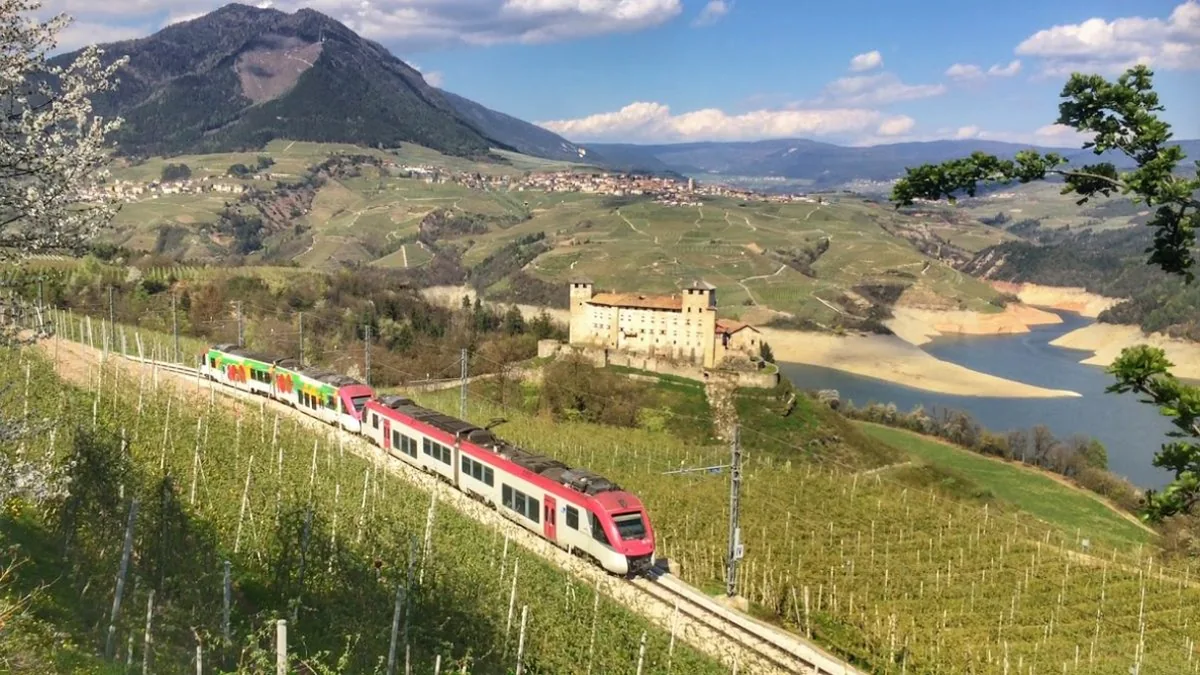
The train is an excellent choice, handy and sustainable. The main Brenner line links the region to the rest of Italy and Europe: the stations of Trento and Bolzano, together with Bressanone and Vipiteno, are served by fast and regional trains from Verona, Milan, Venice, Innsbruck and Munich. From the two capitals the scenic local railways then climb the valleys: the Val Venosta railway from Merano to Malles, the Val Pusteria railway from Fortezza to San Candido, the Trento-Malé towards Val di Sole and the Valsugana railway towards the lakes and Venice.
Many valleys don’t have a direct station, but are linked by handy buses connecting with the trains. For the destinations without a railway — such as Val Gardena, Madonna di Campiglio or the Paganella plateau — you arrive by train at Bolzano or Trento and continue by scheduled bus. It’s a scenic, relaxing way to travel, which lets you leave the car at home.
By plane
Those arriving from far away have several options. The region has its own airport in Bolzano, with scheduled flights linking it to some Italian and European cities, handy for those who want to land in the heart of South Tyrol. The larger and nearby airports are Verona and Innsbruck (in Austria), both a short distance away, followed by Bergamo, Milan and Venice, all well linked by train and bus to Trento and Bolzano. The choice depends on your destination: for Trentino’s Lake Garda and western Trentino, Verona and Bergamo are handy, for South Tyrol and the eastern Dolomites, Innsbruck and Bolzano.
From the airports you continue easily by train or with the seasonal shuttle services, very common towards the main ski resorts in winter. It’s always useful to check the connections in advance, especially for the more distant valleys.
Getting around and the guest cards
Once you’ve arrived, Trentino-Alto Adige is a region where you can get around very well without a car. The network of regional trains, valley buses and ski buses is widespread and efficient, and links villages, ski lifts, lakes and trails. Added to this are the many cable cars and gondolas, which in summer become real gateways to the mountains.
The great advantage is the guest cards: the Trentino Guest Card and the South Tyrol cards (such as the Südtirol Guest Pass or the Mobilcard), often included free by the properties, let you use public transport and, depending on the card, access museums and attractions with discounts. They are the ideal tool for a handy, sustainable holiday. A car remains useful for the more remote side valleys and for trips outside the transport timetables, but for many holidays it is not essential at all.
From here, where to go
Once you’ve chosen how to arrive, all that’s left is to decide your base. For the art cities, see our guides on Bolzano, Trento, Merano and Bressanone. For the mountains and skiing, take a look at Val Gardena, Val di Fassa, Val Pusteria and Madonna di Campiglio; for the lake, at Riva del Garda. And to get your bearings among the ski areas, see the guide where to stay for skiing.
This guide is part of our grand journey through the region: discover all the destinations and areas in Where to Stay in Trentino-Alto Adige.
Frequently asked questions
Quick answers to the questions we’re asked most often about how to get to Trentino-Alto Adige.
Which is the handiest airport for Trentino-Alto Adige?
It depends on your destination. The region has its own airport in Bolzano, with scheduled flights, handy for South Tyrol. The larger and nearby airports are Verona and Innsbruck, excellent respectively for Trentino and Garda and for the Dolomites; then come Bergamo, Milan and Venice. From all of them you continue easily by train or shuttle towards Trento and Bolzano.
Is it easy to arrive by train in Trentino-Alto Adige?
Yes, very much so: the Brenner line links Trento and Bolzano to the rest of Italy and Europe with fast and regional trains. From the capitals the local railways set off for Val Venosta, Val Pusteria, Val di Sole and the Valsugana, and handy buses reach the valleys without a station. It is a scenic and sustainable way to travel, which lets you leave the car at home.
Do you need a car for a holiday in Trentino-Alto Adige?
Not necessarily. The network of trains, buses and ski buses is widespread, and with the guest cards included by many properties public transport is good value. For the cities, the big resorts and many valleys a car is not essential. It remains useful, however, for the more remote side valleys and for trips outside the transport timetables.
What are the Trentino and South Tyrol guest cards?
They are tourist cards, often included free by the properties, that let you use regional public transport and, depending on the card, access museums and attractions with discounts. The Trentino Guest Card and the South Tyrol cards such as the Südtirol Guest Pass or the Mobilcard are ideal for getting around in a handy, sustainable way during your holiday.
How do you arrive by car and what are the motorway exits?
You arrive on the Brenner motorway (A22), which climbs the Adige valley from Verona to the Austrian border. The main exits are Trento Nord and Sud, Bolzano Nord and Sud, Egna-Ora, Bressanone and Vipiteno, from which you continue along the valley roads. In winter you need snow tyres or chains, and it’s worth checking the opening of the Dolomite passes before setting off.