
Val Pusteria (Pustertal) is the great valley that runs across eastern South Tyrol, from Bressanone to the border with Austria and the Cadore. It is a land of farmsteads, meadows and legendary Dolomites: here you’ll find the skiing of Plan de Corones (Kronplatz), the symbol-mountain overlooking the whole valley, the famous Lake Braies and the Tre Cime di Lavaredo, among the most famous peaks in the world. It is a valley that shines in every season: skiing in winter, trekking in summer, and a culture that weaves together German and Ladin. Here you’ll find where to stay best, with the small addresses we choose one by one, never by hearsay.
The valley is long and it pays to pick your base according to what you’re after: Brunico and the villages at the foot of Plan de Corones for the skiing and the central location; San Vigilio di Marebbe for the Fanes Dolomites and the Ladin soul; Braies for the lake and the quiet; the Alta Pusteria, between Dobbiaco (Toblach) and Sesto (Sexten), for the Tre Cime. Let’s look at the bases one by one, and then the skiing and the seasons.
Brunico and Plan de Corones
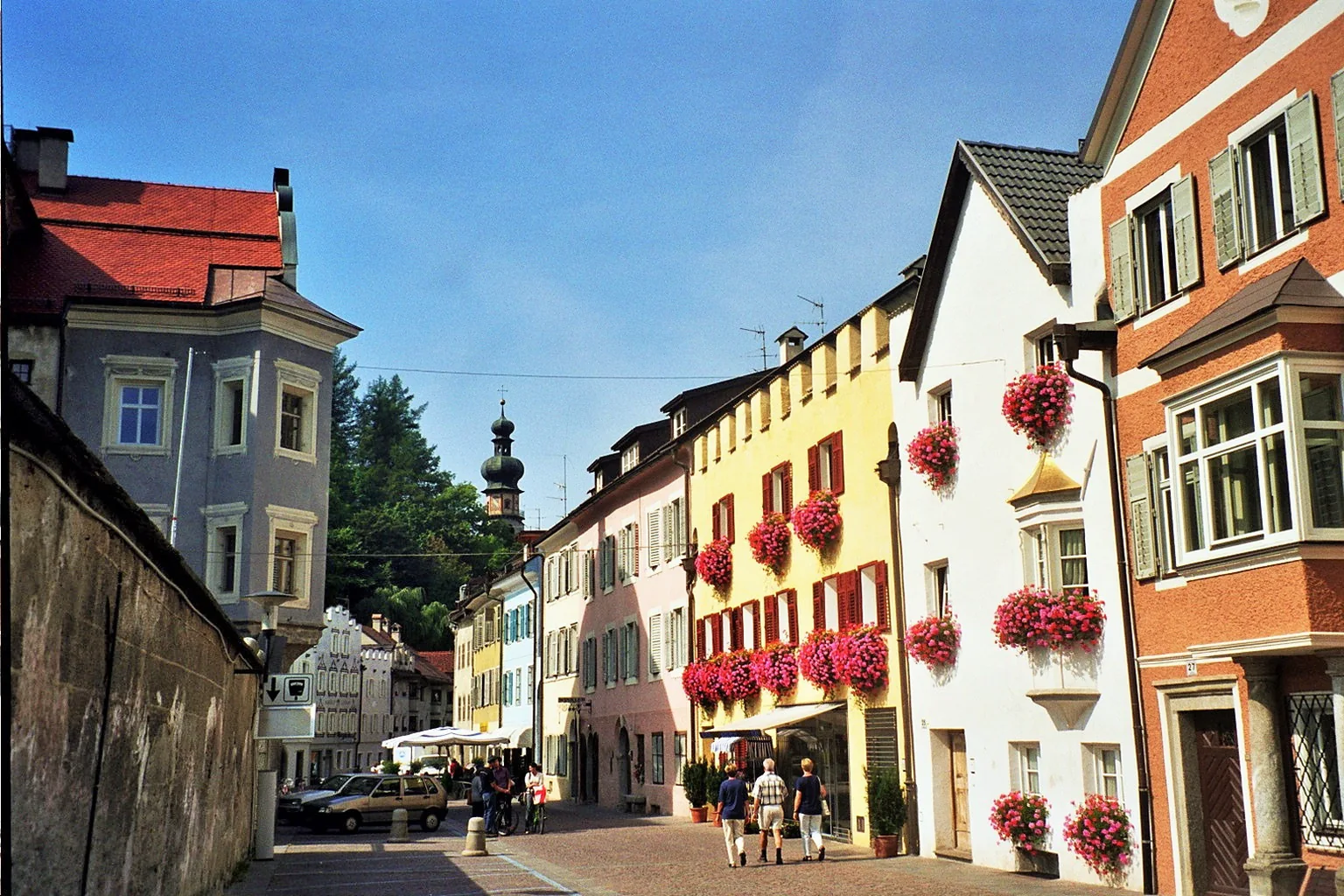
Brunico (Bruneck) is the main town of Val Pusteria and the handiest base: a lively little town, with a charming old centre crowned by its castle, and the gateway to Plan de Corones (Kronplatz), the ski mountain of the Pusteria. From here and from the nearby villages (Riscone, San Lorenzo, Valdaora) you ride up to the lifts, and in town there is no shortage of shops, restaurants and services. It is the choice for those who want everything within reach, slopes included, with a real mountain-town atmosphere.
The addresses we recommend in and around Brunico:
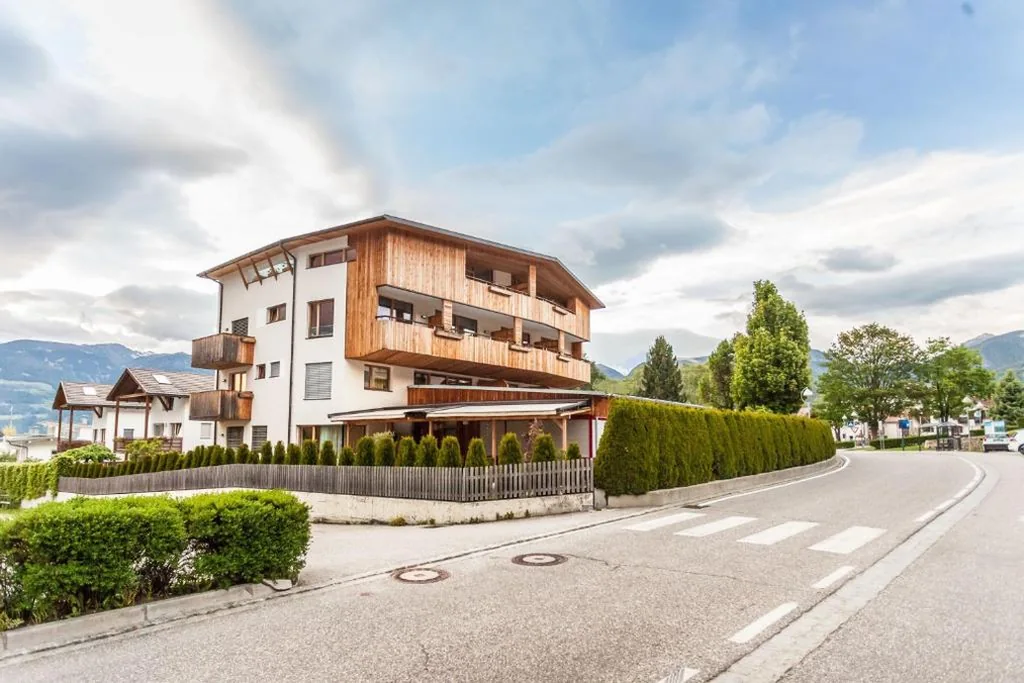
Residence Aichner
A well-kept residence in Brunico, with spacious apartments and the warmth of wood, ideal for those who want independence and comfort at the foot of Plan de Corones. The self-catering formula is perfect for families and week-long stays, with the centre and the lifts close at hand.
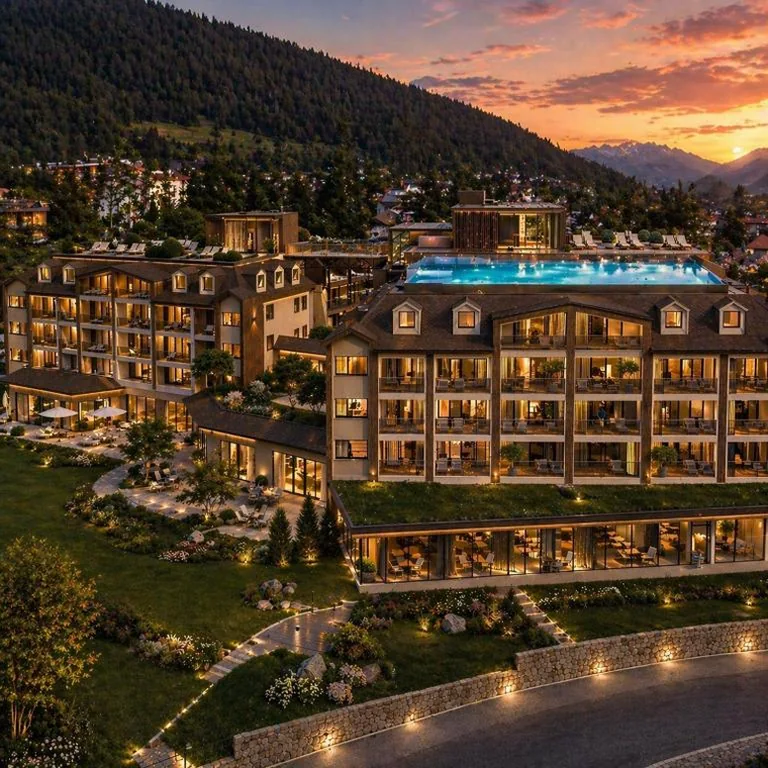
Hotel Majestic – Unique Spa Resort
A hotel with a serious spa in Riscone, set in the greenery a stone’s throw from Plan de Corones. Its wellness areas and its position between slopes and nature make it perfect for pairing skiing with relaxation, in any season. Ideal for couples and families looking for comfort and pampering after a day outdoors.
All the properties in the village: all hotels in Brunico →
San Vigilio di Marebbe and the Fanes Dolomites
San Vigilio di Marebbe (St. Vigil in Enneberg) is the Ladin gateway to the Dolomites, in a side valley overlooking the Fanes-Senes-Braies nature park. It is a compact, authentic village, linked to the southern side of Plan de Corones and much loved in summer for the walks up to the Fanes plateau. The choice for those who want skiing and nature in an atmosphere more intimate than the main town.
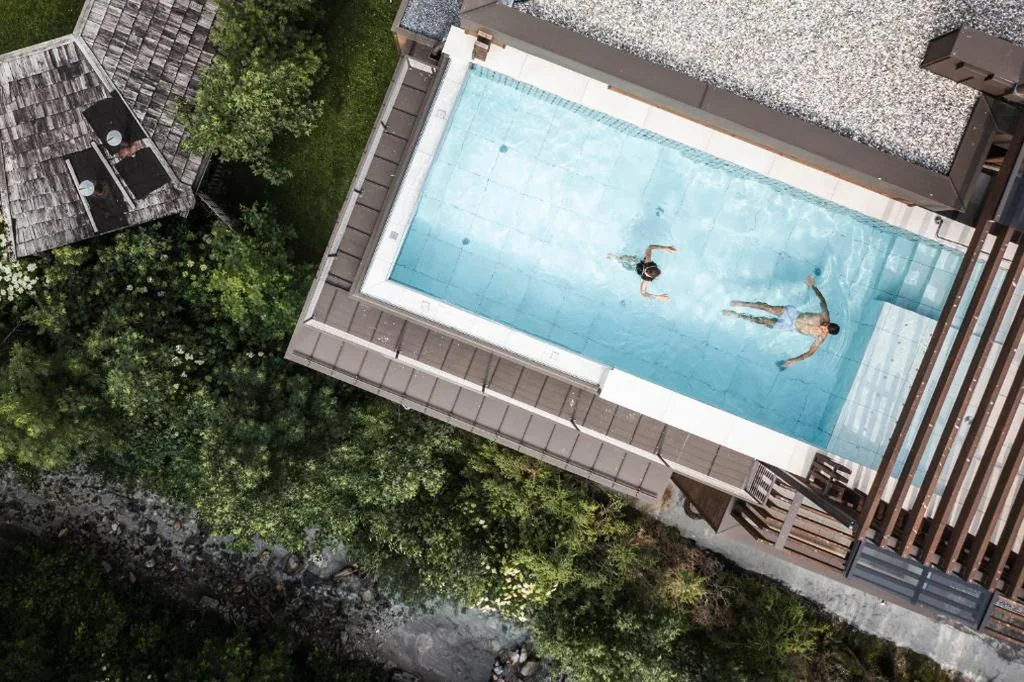
Stoa – Elegant & Romantic Guest House
An elegant, romantic adults-only guest house in San Vigilio, with careful design and an intimate atmosphere. It is the ideal retreat for a couple seeking quiet and style at the foot of the Fanes Dolomites, after skiing or the walks. Perfect for a getaway for two far from the crowds.
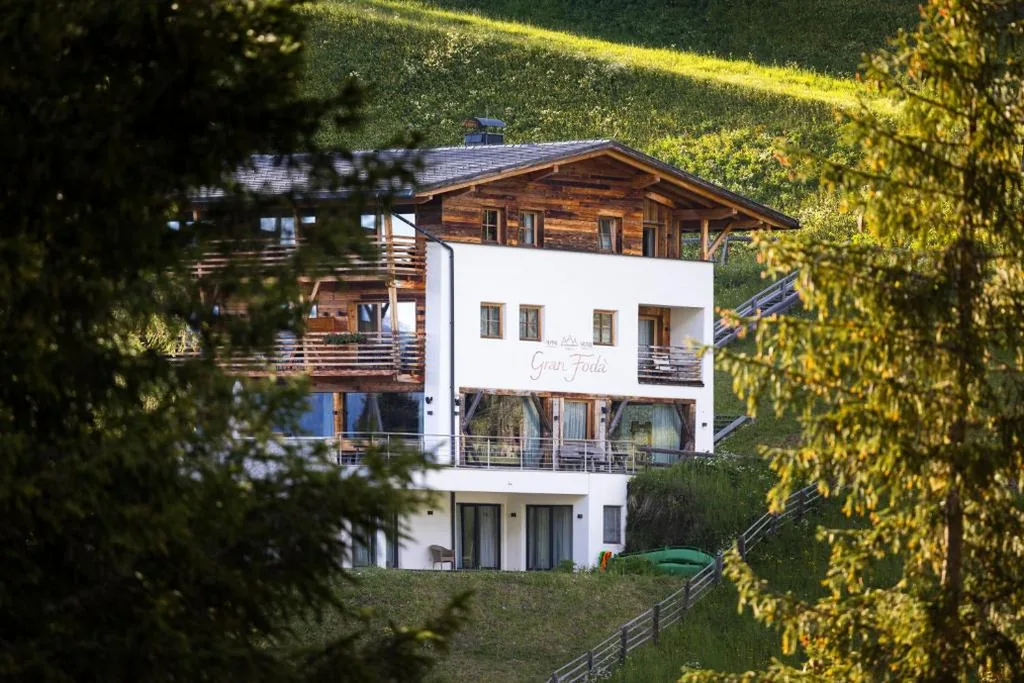
Bio Alpine Hotel Gran Fodà
A hotel with a green soul in San Vigilio, blending Alpine style with a bio, nature-conscious approach. Its warm interiors and family management make it a welcoming base for families and mountain lovers, between Plan de Corones and Fanes. Ideal for those seeking authenticity and sustainability on holiday.
All the properties in the village: all hotels in San Vigilio →
Braies and its lake
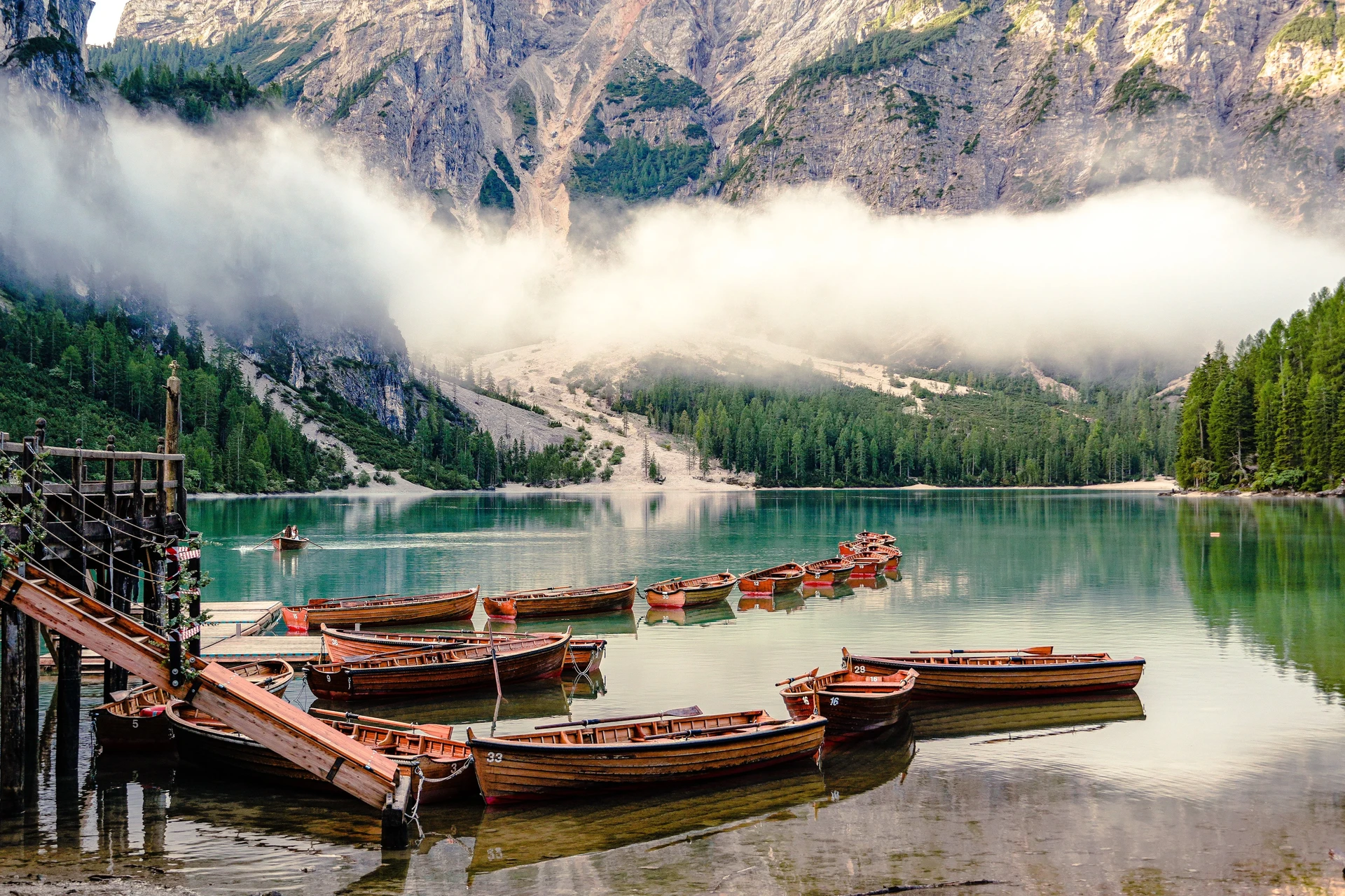
Braies (Prags) is the valley of Lake Braies (Pragser Wildsee), the turquoise mirror of water beneath the Croda del Becco that has become an icon of the Dolomites. To stay here, or in the nearby villages of the Val di Braies, means choosing quiet and nature, with the lake and the trails close at hand. It is the base for those who want to experience the lake outside the rush hours, away from the daytime crowds.
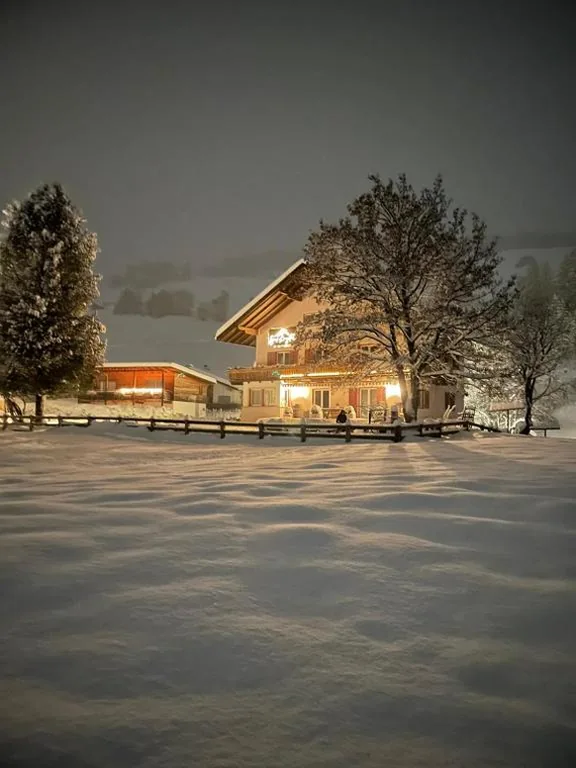
Garni Bergblick
A much-loved garni in Braies, with the classic Pusteria hospitality and a handy position for reaching the lake and the trails. Wood-lined interiors and a genuine breakfast make it a warm, reliable base in the quiet of the valley. Perfect for those who want to take Braies slowly, between walks and nature.
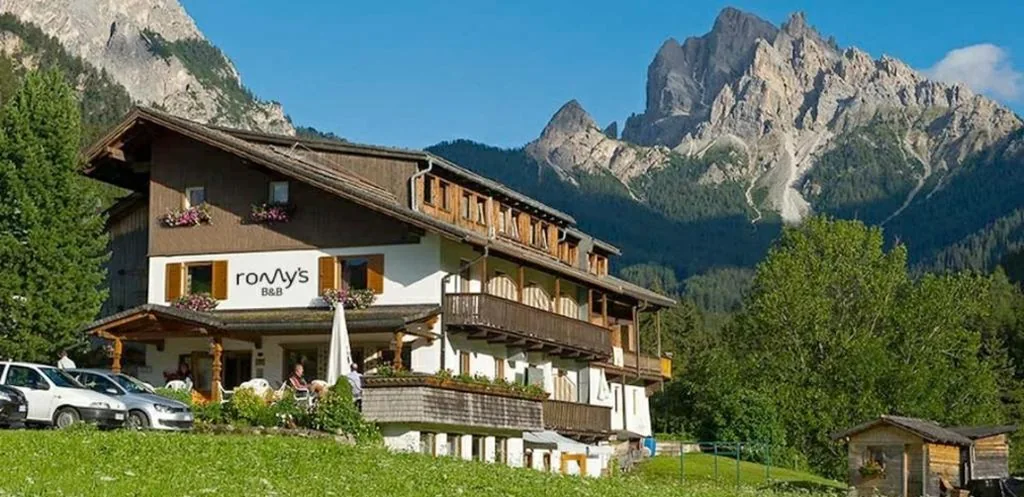
romy’s B&B
A welcoming bed and breakfast in Braies, prized for the warmth of the welcome and its quiet position near the lake. The well-kept interiors and the breakfast get days of walking among the Dolomites off to a good start. Ideal for couples and families after a simple, genuine base surrounded by nature.
All the properties in the village: all hotels in Braies →
The Alta Pusteria: Dobbiaco, Sesto and the Tre Cime
Climbing towards the Austrian border, the Alta Pusteria opens up, the realm of the Tre Cime di Lavaredo (Drei Zinnen). Dobbiaco (Toblach), Villabassa (Niederdorf), Monguelfo (Welsberg) and Sesto (Sexten) are quiet, well-served villages, perfect as a base for the great outdoors: in winter the skiing of the 3 Cime Dolomiti area and cross-country, in summer the walks up to the Tre Cime and the Val Fiscalina. It is the choice for those seeking the most authentic Dolomites and a slow rhythm, with the Pusteria railway conveniently linking the villages.
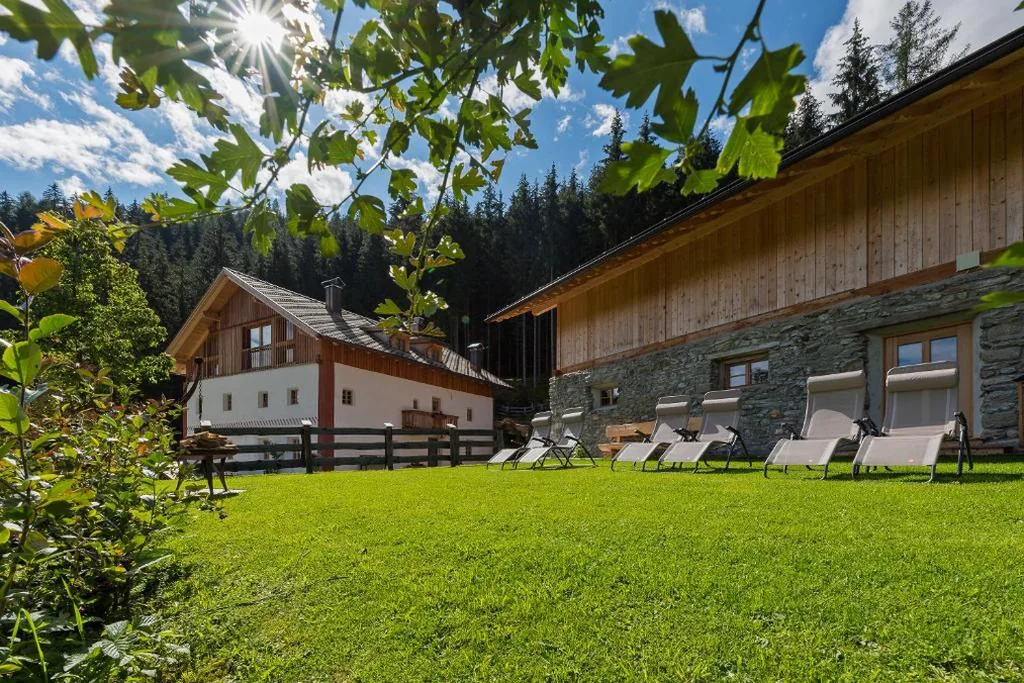
Silentium Dolomites Chalet
A small chalet whose name is a promise, in Monguelfo, where silence and nature are the true stars. The well-kept interiors and the intimate atmosphere make it a special retreat for a couple after peace among the Dolomites. Perfect for truly switching off, between the Val Casies and the Alta Pusteria.
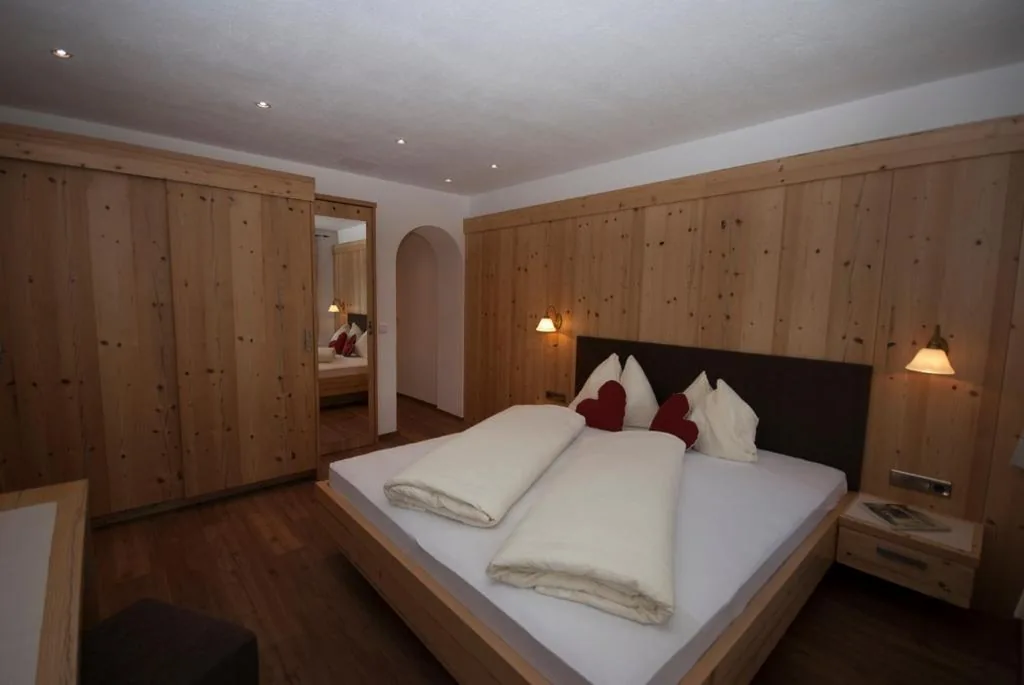
Landhaus Summerer
A welcoming guest house in Sesto, at the foot of the Sesto Dolomites and a step from the Val Fiscalina. The warmth of the family management and the quiet position make it an ideal base for trekking towards the Tre Cime and for skiing the 3 Cime area.
Skiing and Plan de Corones
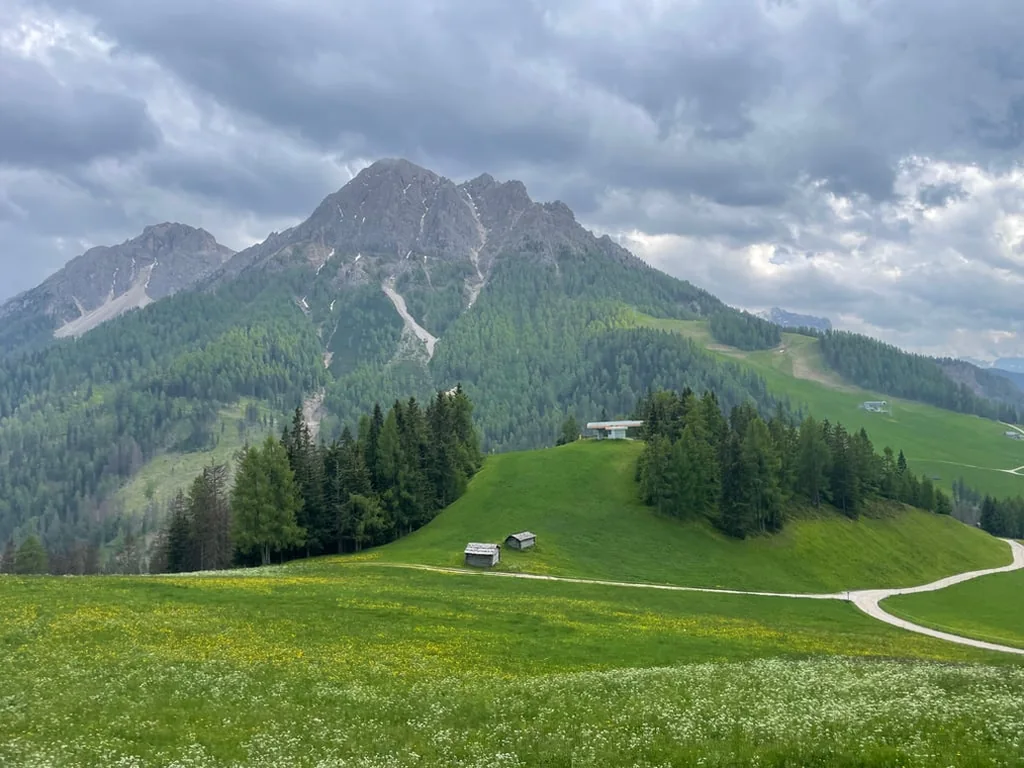
Plan de Corones (Kronplatz) is the ski mountain of the Pusteria: a panoramic summit above Brunico, with wide, well-groomed slopes on every side, modern gondolas and a 360-degree view over the Dolomites. It is part of Dolomiti Superski, the great carousel with a single ski pass, and is famous too for its mountain-top museums. Further east, the Alta Pusteria offers the 3 Cime Dolomiti area and some of the finest cross-country trails in the Alps, around Dobbiaco and Sesto. The season runs roughly from late November to April, depending on snow cover, to be checked year by year.
To get your bearings among the ski areas and pick the right base, see the guide where to stay for skiing in Trentino-Alto Adige; if you’re after a hotel with direct access to the slopes, the selection of ski-in ski-out hotels in the Dolomites. The neighbouring Ladin valley is Alta Badia, linked to San Vigilio by the Fanes Dolomites.
Summer: Lake Braies and the Tre Cime
In summer Val Pusteria is a trekking paradise, a UNESCO World Heritage Site. The Tre Cime di Lavaredo are the symbol-destination, with the classic loop around the peaks; Lake Braies is the most celebrated image of the Dolomites; and there is no shortage of the Fanes plateau, the Val Fiscalina and dozens of mountain huts and pastures. A word of caution, though: both Lake Braies and the road to the Tre Cime are subject to heavy crowds and regulated access in high season (bookings, shuttles, road closures). It is worth finding out about the year’s rules in advance and avoiding the middle of the day.
For the other summer destinations among the crags, see also the Dolomites in summer. And if you’re after wellness after the walks, the selection of hotels with spa and thermal baths.
When to go
Val Pusteria is a two-full-season destination. Winter (from late November to April, depending on snow cover and openings — to be checked season by season) is the realm of skiing, between Plan de Corones and the cross-country of the Alta Pusteria; it is high season, so it pays to book well ahead, especially over the holidays. Summer (from June to September) is the season of trekking and lakes, with a cool climate and long days among the Dolomites.
The shoulder seasons need planning: in autumn the woods light up and the villages are quieter, while in late spring the snow retreats and the summer mountain is not yet fully open, so it’s worth checking openings and connections before you set off. In December, moreover, Brunico hosts one of the most loved Christmas markets in South Tyrol: see the guide to Christmas markets in South Tyrol.
Getting there
Val Pusteria is reached by car from the Brenner motorway (A22): you exit at Bressanone-Val Pusteria and continue along the valley’s main road. By train the handy Pusteria railway links Fortezza to San Candido, with stops in Brunico, Monguelfo, Villabassa, Dobbiaco and the other villages, and is one of the finest and most practical ways to get around without a car. The nearest airports are Venice, Verona, Innsbruck (in Austria) and Bergamo.
Once in the valley, you get around well by public transport: the Pusteria railway and the valley buses link villages and lifts, and with the South Tyrol Mobilcard travel is even simpler. For the full picture on motorway, trains and airports of the region, see the guide how to get to Trentino-Alto Adige.
This guide is part of our grand journey through the region: discover all the destinations and areas in Where to Stay in Trentino-Alto Adige.
Frequently asked questions
Quick answers to the questions we’re asked most often about where to stay in Val Pusteria.
Which is the best base for staying in Val Pusteria?
It depends on what you’re after. Brunico (Bruneck) is the main town and the handiest base, at the foot of Plan de Corones, with services and town life; San Vigilio di Marebbe is the Ladin gateway to the Fanes Dolomites, more intimate; Braies is the valley of the lake, for those who love quiet and nature; the Alta Pusteria, between Dobbiaco and Sesto, is the realm of the Tre Cime. The Pusteria railway links the villages well, so the choice is above all a question of atmosphere.
Where to stay for skiing at Plan de Corones?
The handiest base for Plan de Corones (Kronplatz) is Brunico and the villages at the foot of the mountain, such as Riscone, San Lorenzo and Valdaora, from which the lifts run. San Vigilio di Marebbe serves the southern side of the area. Plan de Corones is part of Dolomiti Superski, with a single ski pass; to compare the region’s ski areas and find the right hotel, see our guide on where to stay for skiing.
How can you visit Lake Braies without the crowds?
Lake Braies is beautiful but very crowded, and in high season access is regulated with bookings, shuttles and road closures at certain times of day. It’s worth finding out about the year’s rules in advance, arriving early in the morning or late in the afternoon and avoiding the middle of the day. Staying in the area helps a lot: you get to enjoy the lake and the trails once the day-visitor coaches have already left.
Is Val Pusteria suitable for families?
Very much so. Plan de Corones is a wide, well-served ski area, with ski schools and slopes for every level, and the Alta Pusteria offers quiet skiing and cross-country. In summer the easy walks, the mountain pastures, the lakes and the valley’s cycle paths are perfect with children, and many properties, from residences to garnis, are designed for families. The Pusteria railway also makes getting around without a car simple.
What to see in Val Pusteria in summer?
In summer Val Pusteria is an outstanding trekking destination: the Tre Cime di Lavaredo with the classic loop, Lake Braies, the Fanes plateau, the Val Fiscalina and dozens of mountain huts and pastures. Brunico offers its old town and castle, and the Pusteria railway allows easy trips along the valley. Ideal for those who love the active mountains, remembering to manage access carefully at the busiest spots such as Braies and the Tre Cime.
How do you get around Val Pusteria without a car?
Very well: the Pusteria railway links Fortezza to San Candido with stops in Brunico, Monguelfo, Villabassa, Dobbiaco and the other villages, and the valley buses reach lifts and trails. With the South Tyrol Mobilcard public transport is even better value. You arrive by train from the Brenner line, changing at Fortezza. A car remains handy for the side valleys, but in Val Pusteria it is not essential.