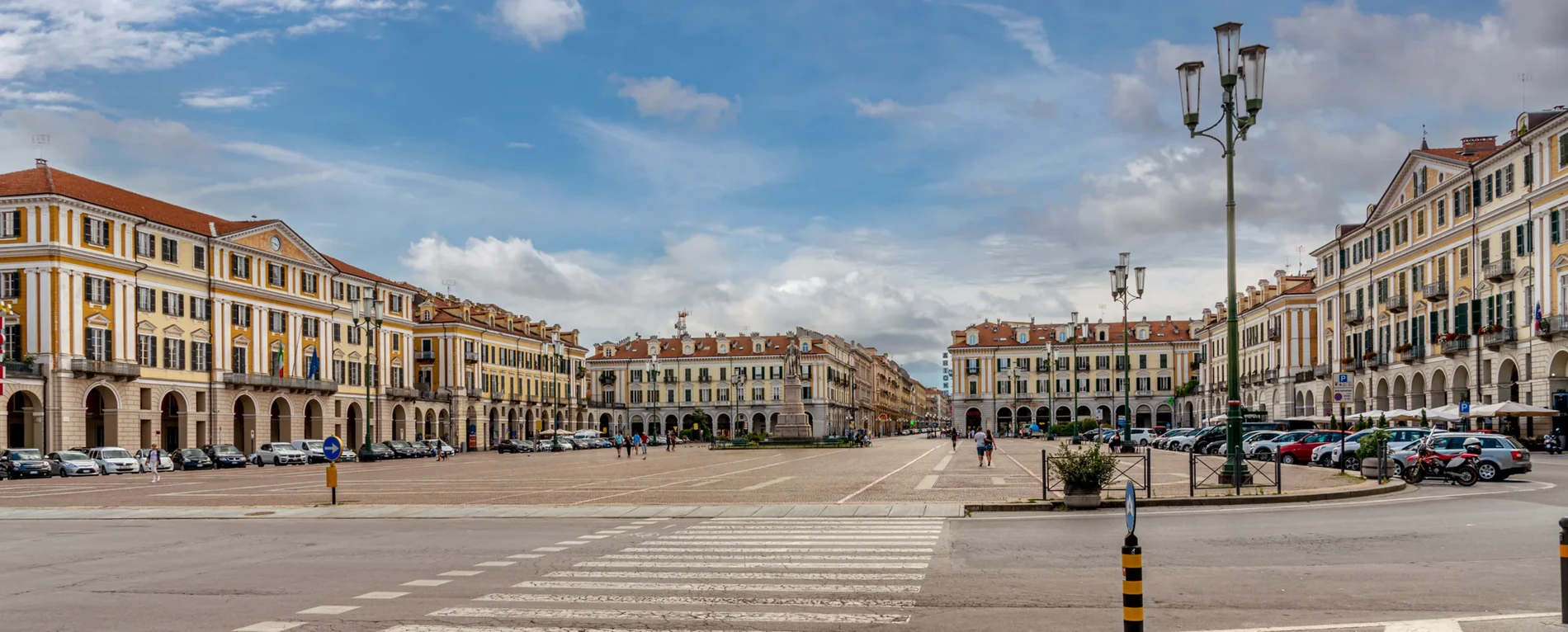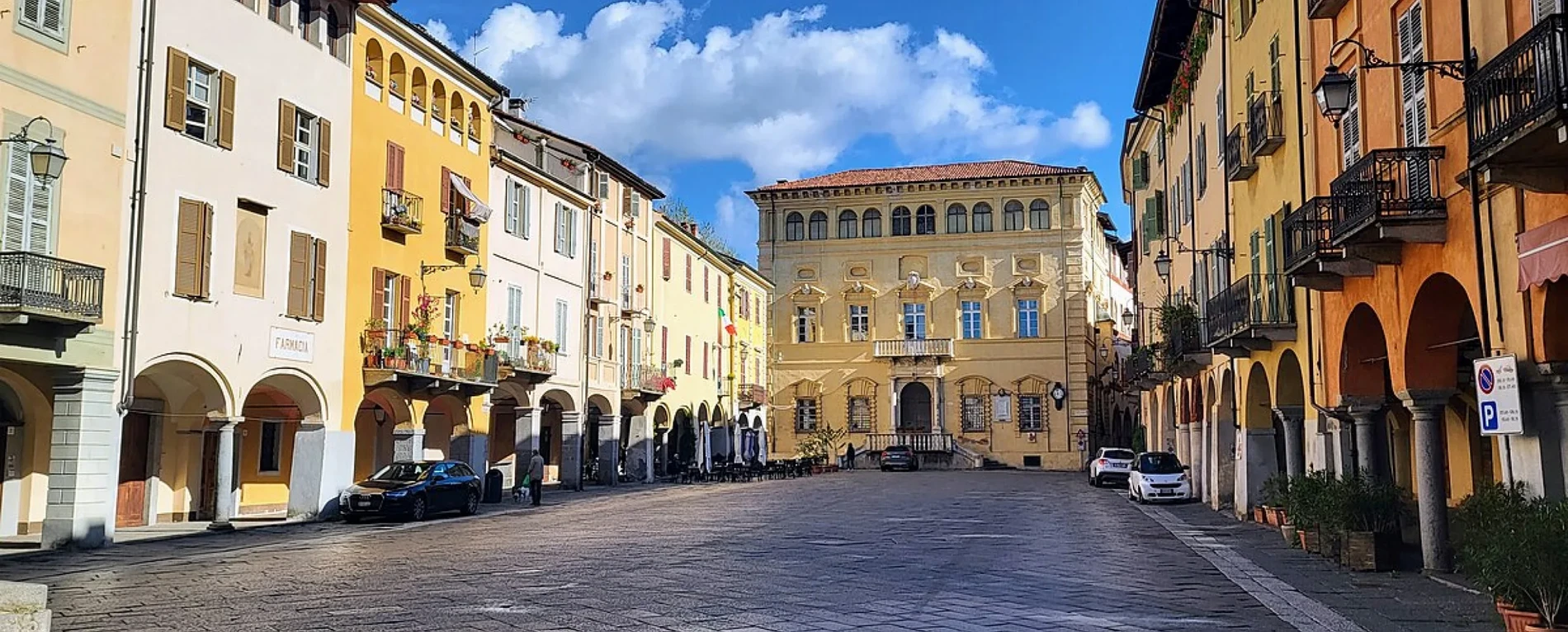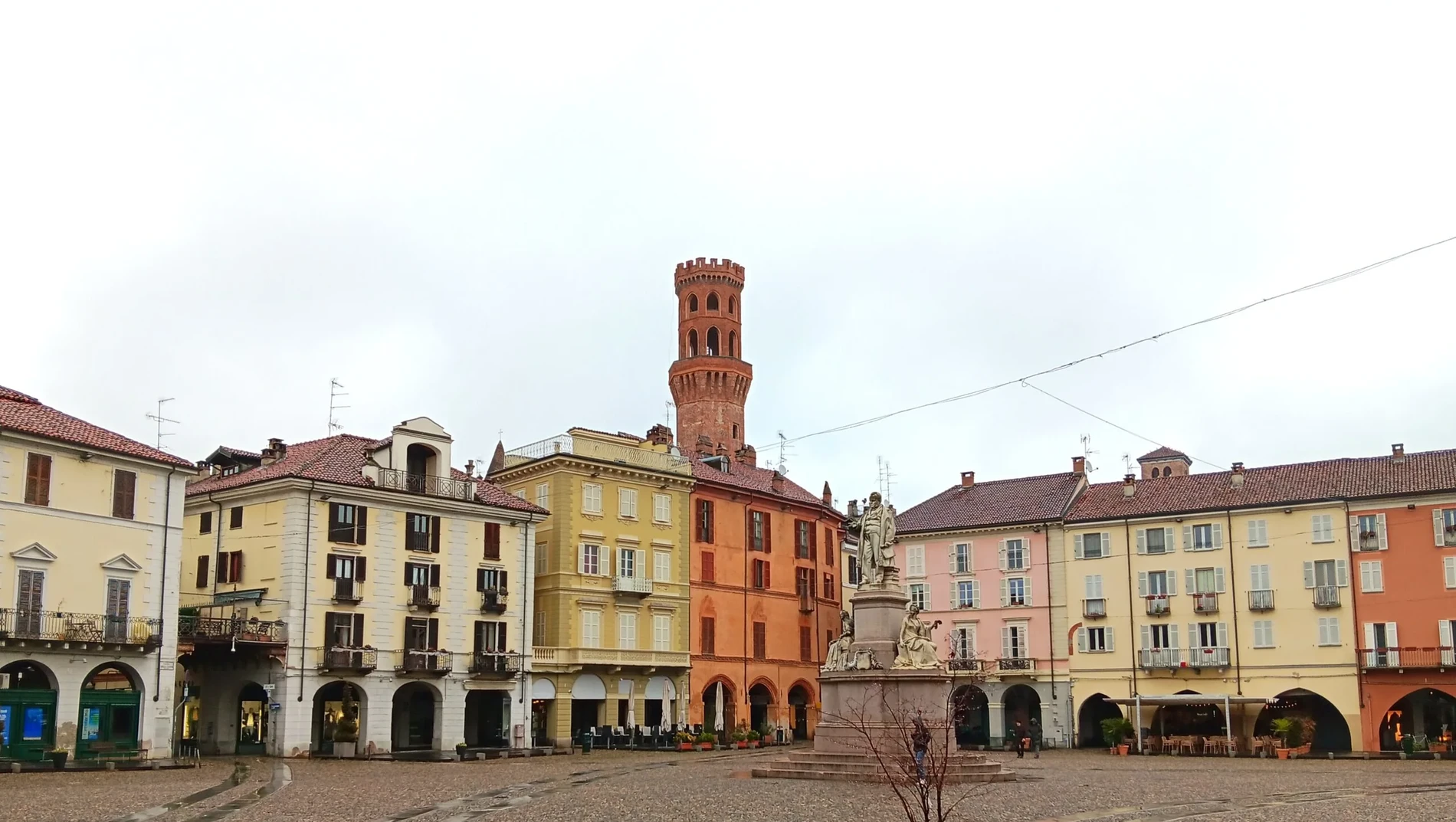

Vercelli is a town that surprises those who discover it: a capital of art set in a sea of rice paddies, on the plain between Turin and Milan. It’s the heart of the Terre del Riso (Rice Lands), with an ancient farming tradition that has made it the European capital of the grain, yet it also holds an old town rich in churches, palaces and medieval lanes. Here is where to stay best, with the small addresses we choose one by one, never by hearsay.
Choosing where to stay in Vercelli is simple and concentrated in the city: most of the places are in the old town or just outside, handy for the station and the monuments. Let’s look at the city, what makes it special and where it’s best to stop.
Vercelli, the rice capital
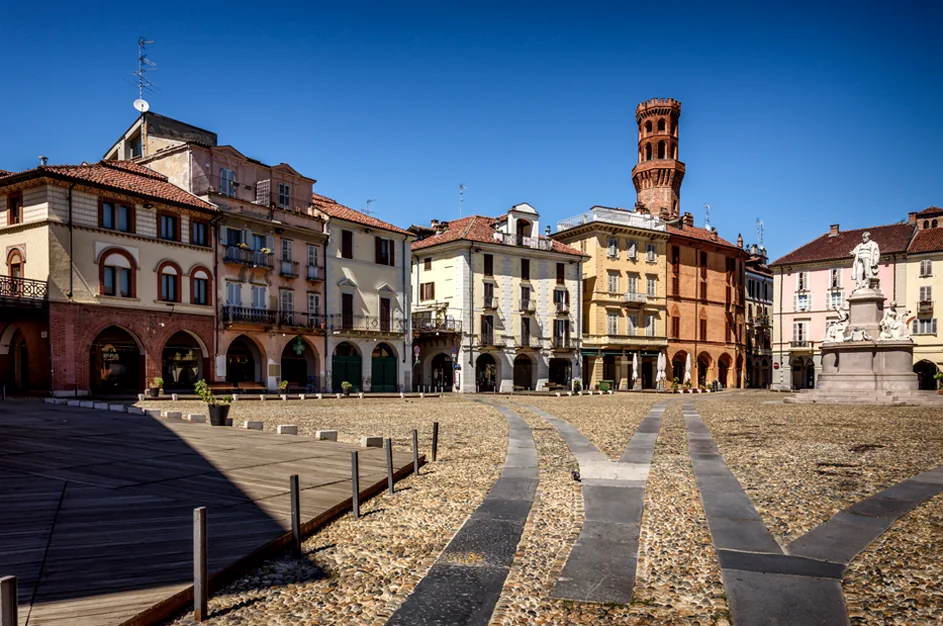
Vercelli is the European rice capital, surrounded by a unique landscape: rice paddies stretching as far as the eye can see, among the most extensive on the continent. It’s a fascinating, ever-changing environment that in spring offers a rare spectacle: with the flooding of the fields comes the “checkerboard sea”, when the water reflects the sky between the banks and turns the countryside into a glittering mosaic. It’s a strong draw for photography and cycle tourism, with bike routes among the paddies setting off from the city.
But Vercelli is not only rice: its old town is a little treasure chest of art. The jewel is the Basilica of Sant’Andrea, built between 1219 and 1227, one of the masterpieces of the transition from Romanesque to Gothic in Italy, with its elegant façade and cloister. The city is also a historic stage on the Via Francigena, the ancient pilgrim route to Rome mentioned as far back as Archbishop Sigeric’s 10th-century diary: pilgrims still pass through today, giving it a special atmosphere, between spirituality and history.
Completing the picture is the good food: here rice takes centre stage, from risottos to the famous panissa vercellese, and the city lives on markets, shops and culinary tradition. It’s an authentic base, still little touched by mass tourism. The addresses we choose in the city:
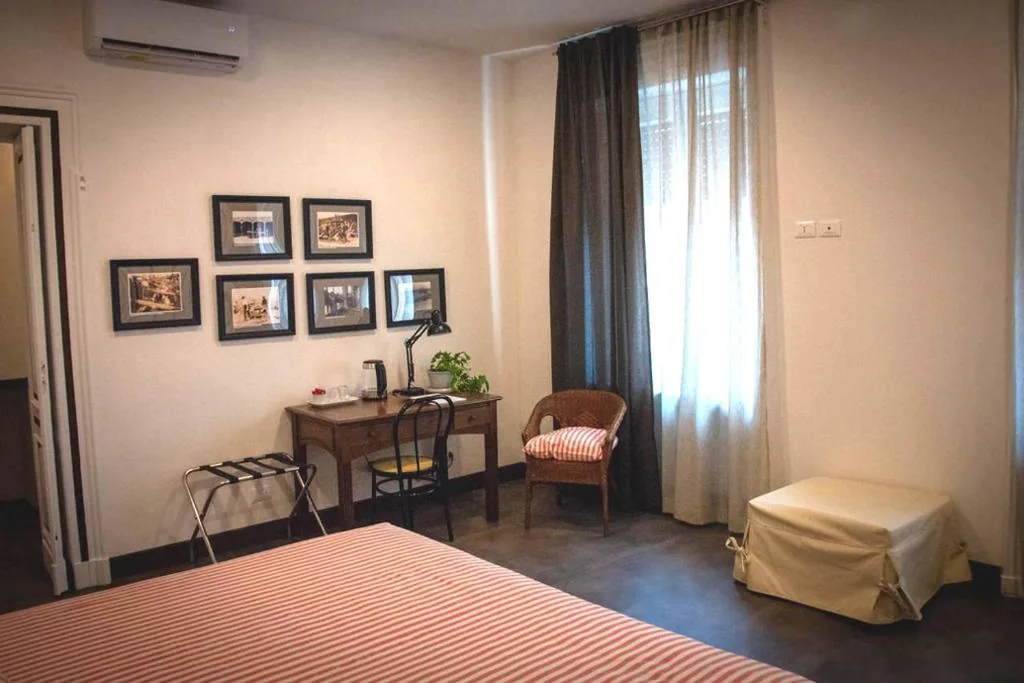
CASABONA1910
A bed and breakfast in the old town of Vercelli, among medieval churches and pedestrian lanes, with well-kept rooms and attentive hospitality. The convenience of having the monuments and arcades within walking distance, with the feel of a residence in the heart of the city. Ideal for those who want to discover Vercelli on foot, between art, markets and good food.
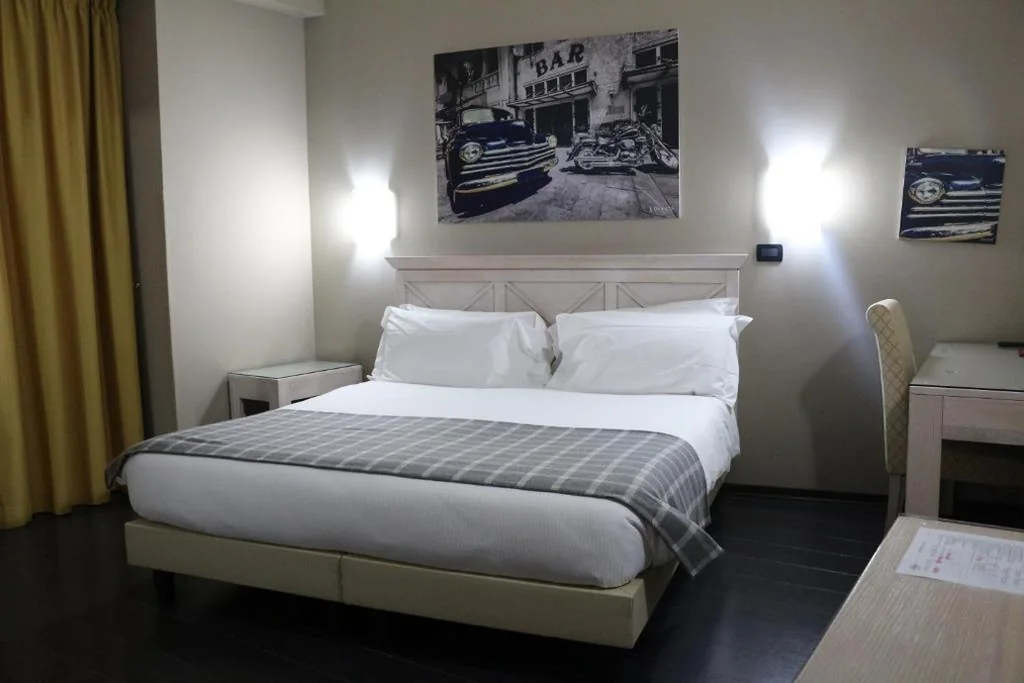
Hotel Garibaldi
A family-run hotel in the centre of Vercelli, with an original chocolate-themed gourmet restaurant and comfortable rooms. The comfort of a four-star with a sweet touch, ideal both for a business trip and for a leisure stop. A solid, central base for exploring the city and its rice paddies.
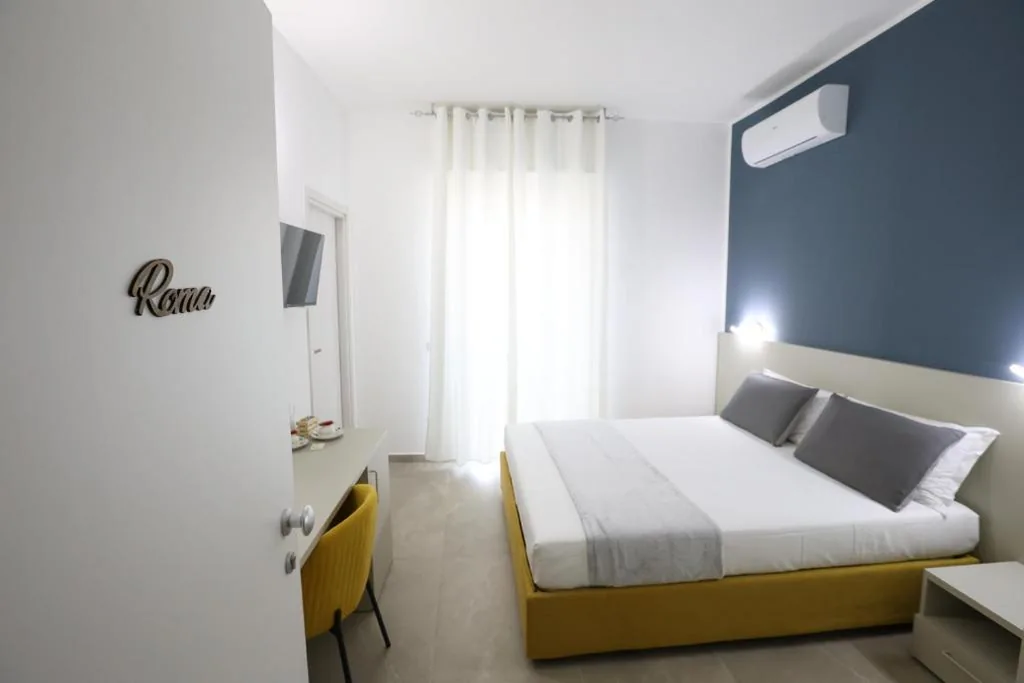
La città del riso
A simple, well-kept guest house in the heart of Vercelli, with air-conditioned rooms and WiFi, carrying the city’s soul in its very name. The practicality of a central, affordable base, a stone’s throw from the monuments and the station. Ideal for those seeking a handy, carefree foothold to visit Vercelli and the Terre del Riso.
All the small hotels in Vercelli →
When to go
Vercelli is worth a visit all year round, but spring is the most magical moment: between April and May the flooding of the paddies gives the spectacle of the “checkerboard sea”, not to be missed by those who love photography and countryside cycling. Autumn is the season of the harvest and of flavours, ideal for discovering rice cuisine, while in September the city celebrates its product with the international rice festival. Summer on the plain can be hot, and winter is quiet and suited to an art-focused stay among churches and museums. In every season, it’s a convenient base for short stays.
Getting there
Vercelli is very easy to reach: the station is on the historic Turin–Milan railway, just over half an hour from both cities, which makes it an ideal base for those travelling by train too. By car you arrive from the exits of the A26 motorway (Vercelli Est and Vercelli Ovest, depending on your direction). Its position in the middle of the plain also makes it a handy stopover base towards the Valsesia and the mountains of the north.
For the full picture on roads, trains and getting around the region: how to get to Piedmont. From Vercelli you easily head up the Valsesia towards Alagna Valsesia; the city pairs well with Biella and with Novara, the other rice capital.
This guide is part of our grand tour of the region: discover all the destinations and areas in Where to Stay in Piedmont.
Frequently asked questions
Quick answers to the questions we’re asked most often about where to stay in Vercelli.
Where is the best area to stay in Vercelli?
The most convenient choice is the old town or its immediate surroundings: this is where most of the places are, within walking distance of the Basilica of Sant’Andrea, the squares and the museums, and well connected to the station. As a walkable city, the central location is what matters most to enjoy Vercelli without transfers.
What is there to see in Vercelli?
The jewel is the Basilica of Sant’Andrea, a masterpiece of the transition from Romanesque to Gothic built in the 13th century. The Cathedral, the museums and the lanes of the old town are also worth it. All around, the rice paddies are an attraction in themselves, especially in spring with the “checkerboard sea”. Vercelli is also a historic stage on the Via Francigena.
What is the “checkerboard sea” of the paddies?
It’s the phenomenon that occurs in spring, between April and May, when the paddies around Vercelli are flooded for rice cultivation: the water reflects the sky between the banks and turns the countryside into a glittering mosaic, a “checkerboard sea”. It’s a spectacle much loved by photographers and cycle tourists.
Why is Vercelli the rice capital?
Vercelli is considered the European rice capital because it sits at the heart of the most extensive rice paddies in Europe, with a centuries-old farming tradition. Rice is central to the economy, the landscape and the local cuisine, from risottos to the panissa vercellese. Every year in September the city celebrates its product with a dedicated international festival.
How do you get to Vercelli?
By train it’s very convenient: the station is on the Turin–Milan line, just over half an hour from both cities. By car you arrive from the exits of the A26 motorway (Vercelli Est and Vercelli Ovest). Its central position on the plain also makes it a handy stopover base towards the Valsesia and the mountains of northern Piedmont.