
Biella is a discreet, surprising city, set at the foot of the Biellese Alps, where the plain meets the mountains. For centuries it has been Italy’s wool capital, with a textile tradition that earned it recognition as a UNESCO Creative City, and at the same time a land of spirituality, nature and craftsmanship. It’s a niche, authentic destination, made of short, intense stays. Here is where to stay best, with the small addresses we choose one by one, never by hearsay.
Choosing where to stay in Biella is simple: most of the places are in the city, an excellent base to explore the whole Biellese, from the Sanctuary of Oropa to the villages of the plain and up to the mountains of the Oasi Zegna. Let’s look at the city and its destinations.
Biella city and the Piazzo old town
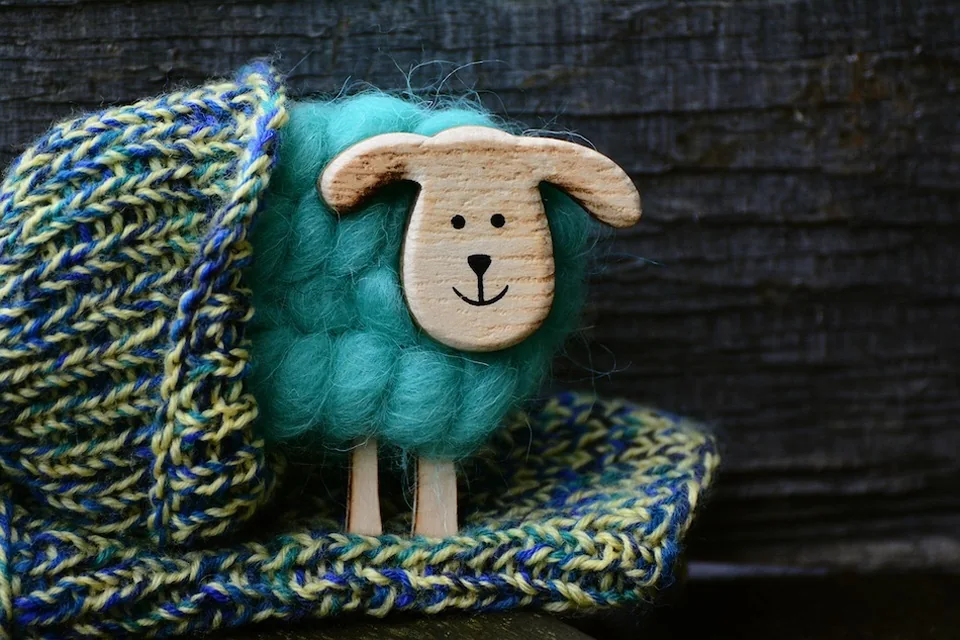
Biella is split between the lower town, modern and commercial, with the Duomo, the Baptistery and the shopping streets, and the Piazzo, the medieval borough on the hill, the ancient and most evocative heart of the city, made of cobbled lanes, noble palaces and panoramic views. The two levels are linked by the historic funicular, a characterful way to climb up to the upper borough (during maintenance the service is replaced by a bus). Everywhere the city tells its wool soul, with the old factories and mills that today become creative spaces. The addresses we choose in Biella:
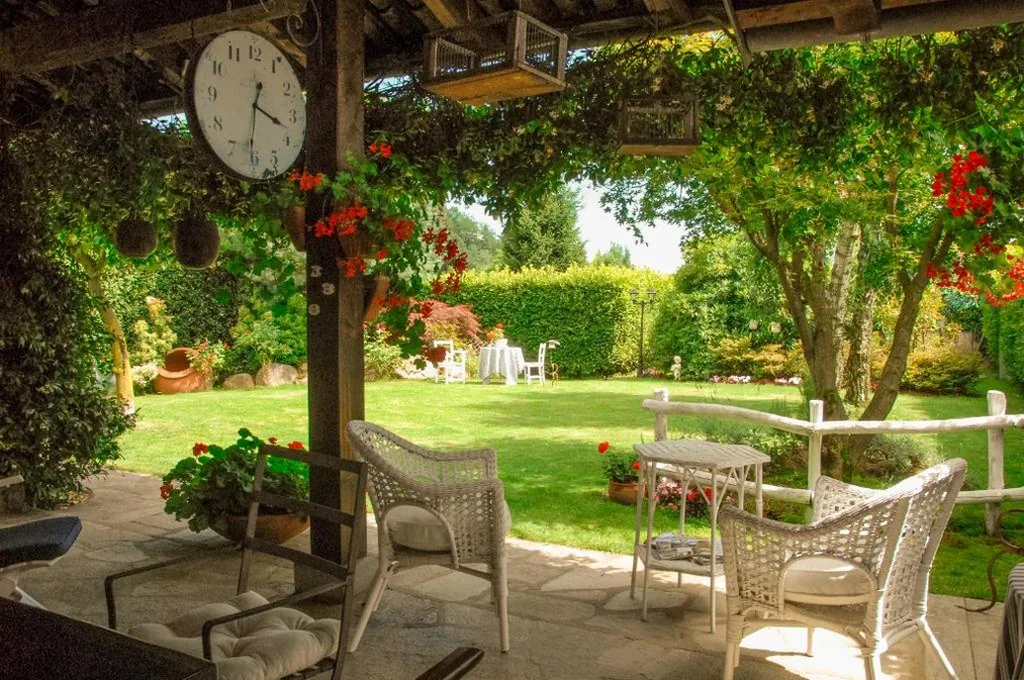
Il Gomitolo
A family-run bed and breakfast in Biella with mountain views, a garden, a terrace and parking. The warmth of a family welcome and the quiet of a panoramic retreat, a short walk from the city. Its very name is a nod to the Biellese wool tradition. Ideal for a couple seeking a caring welcome and calm as a base for the area.
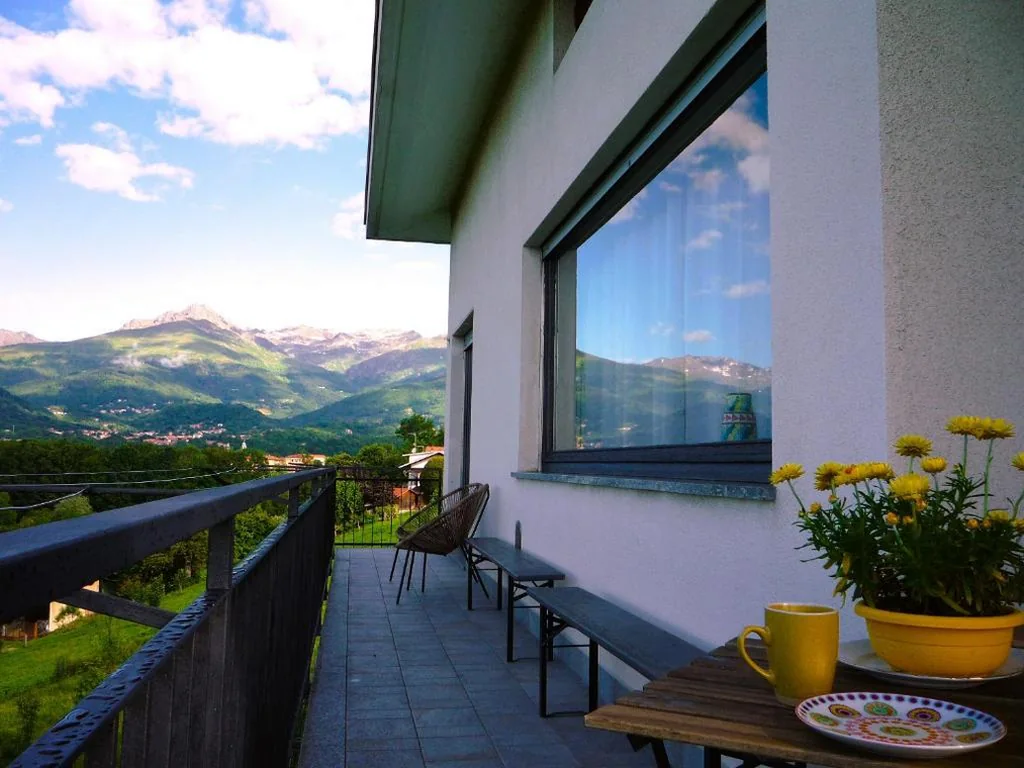
B&B Monte Bo Biella
A family-run bed and breakfast on the hill of Biella, with panoramic terraces overlooking the garden and the mountains. The space and breathing room of a house set in the green, with the city within reach and views sweeping over the Biellese Alps. Ideal for those who want quiet, nature and a handy base for Oropa and the surroundings.
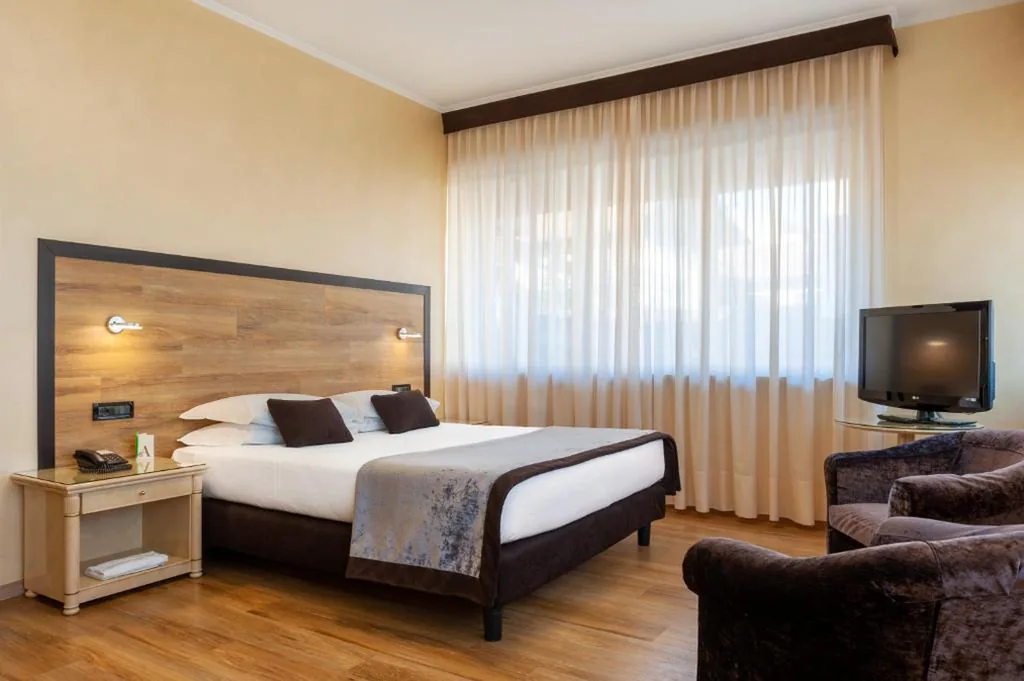
Augustus Hotel
A charming hotel in the pedestrian heart of Biella, a few steps from the Duomo and the funicular that climbs to the Piazzo. The convenience of a truly central location, with art and shops on your doorstep and the upper borough a funicular ride away. Ideal for those who want to live the city on foot, between history, shopping and good food.
Agorà Palace Hotel
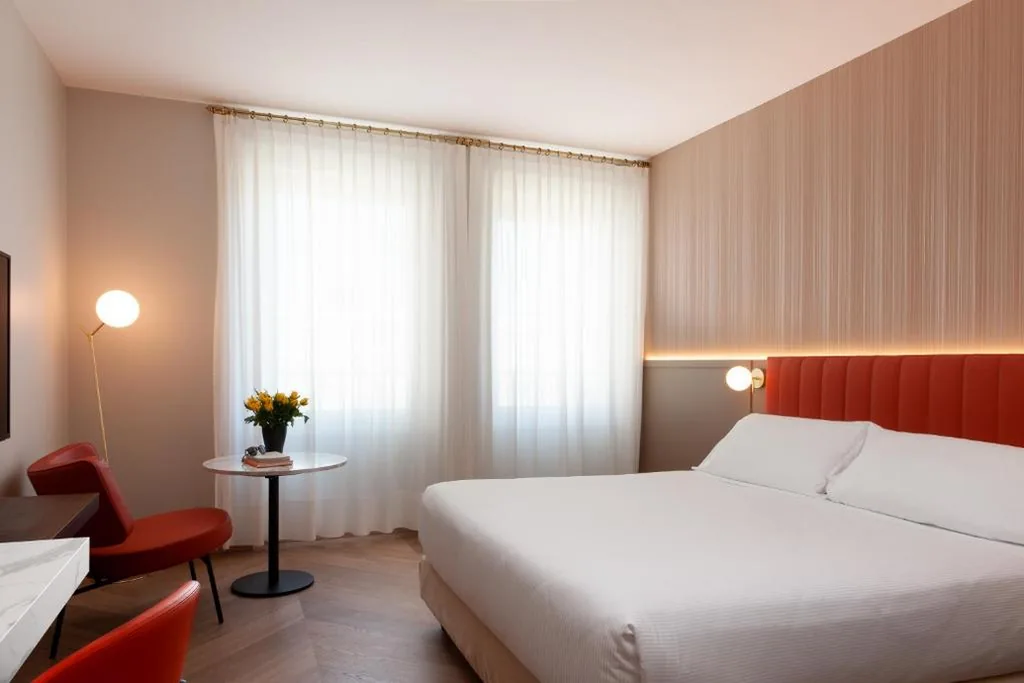
A four-star hotel in the heart of Biella, facing Zumaglini park, with its own restaurant and spacious rooms. The comfort of a full-service hotel, ideal for those travelling for work or who want every service within reach. A solid, central base for discovering the city and the whole Biellese.
All the small hotels in Biella →
The Sanctuary of Oropa
A handful of kilometres from the city, climbing towards the mountains, stands the Sanctuary of Oropa, the most important and ancient Marian sanctuary in the Alps, set in a splendid basin at over 1,100 metres. Its Sacred Mount, with chapels telling the life of the Virgin, is part of the “Sacred Mounts of Piedmont and Lombardy”, a UNESCO World Heritage Site since 2003. It’s a place of great spiritual and scenic appeal, a destination for pilgrimages but also for simple visits, with its monumental basilica and the greenery all around. It’s easily reached by car or bus from Biella; from the sanctuary, for mountain lovers, a cable car climbs towards Lake Mucrone and the high-altitude trails (it’s worth checking its seasonal opening before heading up).
Candelo and the Oasi Zegna
The Biellese offers two trips that are worth the journey on their own. The Ricetto di Candelo is a remarkably well-preserved medieval fortified village, a maze of cobbled lanes born as a farmers’ warehouse-refuge: it is one of the “Borghi più belli d’Italia” (most beautiful villages in Italy) and a Touring Club “Bandiera Arancione”, perfect for a walk out of time. The Oasi Zegna, on the other hand, is a large open, free mountain nature area created by the Zegna family, crossed by the panoramic Strada Panoramica Zegna: woods, rhododendron blooms in spring and trails in summer, slopes and snowshoeing in winter. Two faces of the Biellese, between history and nature, both a short distance from the city.
When to go
Biella is a year-round destination, with a different character in every season. In spring and summer nature and trips are at their best: the blooms and trails of the Oasi Zegna, walks at Oropa and in the villages, mild days on the hills. Autumn sets the woods alight with colour and is the most evocative moment for the sanctuary and the mountains. In winter the atmosphere turns intimate, between the spirituality of Oropa under the snow and the chance to ski and snowshoe at the Oasi Zegna. In every season, the city and its museums remain a pleasant discovery.
Getting there
By train Biella is served by the Biella San Paolo station, with connections towards Novara and the regional network. By car you arrive from the exits of the A4 (Turin–Milan) and A26 motorways, then climb towards the city and the valleys. To reach Oropa, Candelo and the Oasi Zegna and to get around the villages of the Biellese, the car remains the most convenient option.
For the full picture on roads, trains and getting around the region: how to get to Piedmont. Biella pairs well with Vercelli and Lake Orta; on the Monte Rosa side, just to the north, lies Alagna Valsesia.
This guide is part of our grand tour of the region: discover all the destinations and areas in Where to Stay in Piedmont.
Frequently asked questions
Quick answers to the questions we’re asked most often about where to stay in Biella and the Biellese.
Where is the best base to stay in Biella?
The city of Biella is the most convenient choice: most of the places are here, well connected and central to the whole Biellese. From Biella you easily reach the Sanctuary of Oropa, the Ricetto di Candelo and the Oasi Zegna. Those who love a historic atmosphere can look for an address in the upper borough of the Piazzo.
What is the Piazzo borough?
The Piazzo is the medieval core of Biella, on the hill above the lower town: a borough of cobbled lanes, noble palaces and panoramic views, the oldest and most evocative heart of Biella. It’s reached on foot or by the historic funicular linking Biella Piano to the upper borough (during maintenance works the link is guaranteed by a replacement bus).
What is there to see in Biella and nearby?
In the city the Duomo, the Baptistery and the Piazzo borough; just above, the Sanctuary of Oropa with its Sacred Mount, a UNESCO World Heritage Site. Nearby the two must-sees are the Ricetto di Candelo, a medieval fortified village, and the Oasi Zegna, with its panoramic mountain road. Biella is also a UNESCO Creative City of wool.
Why is Biella a UNESCO Creative City?
Biella joined the UNESCO Creative Cities Network in 2019 in the Crafts and Folk Art category, thanks to its historic textile and wool tradition. For centuries it has been considered Italy’s wool capital, with a heritage of mills and skilled workers that still today make it a world reference point for quality textiles.
How do you get to Biella?
By train with the Biella San Paolo station, connected to Novara and the regional network; by car from the exits of the A4 Turin–Milan and A26 motorways. To reach Oropa, Candelo and the Oasi Zegna and to get around the villages of the Biellese, the car is the most convenient option.