Bed and Breakfast
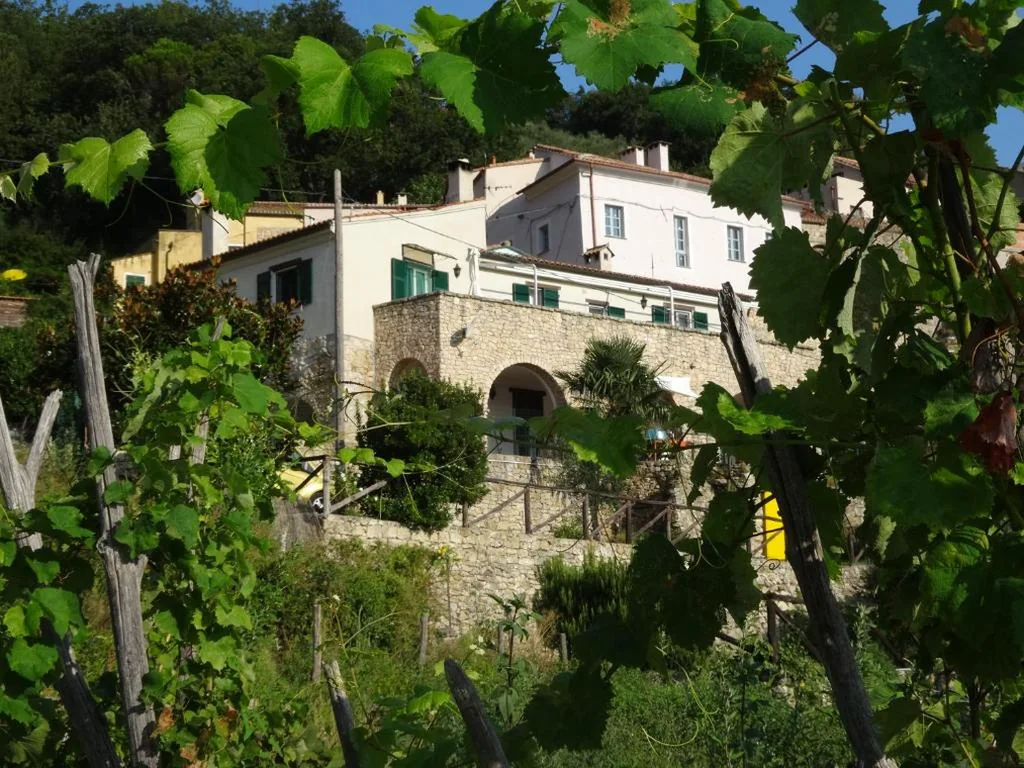
Orco Feglino · Liguria
B&B Rubando le Nuvole
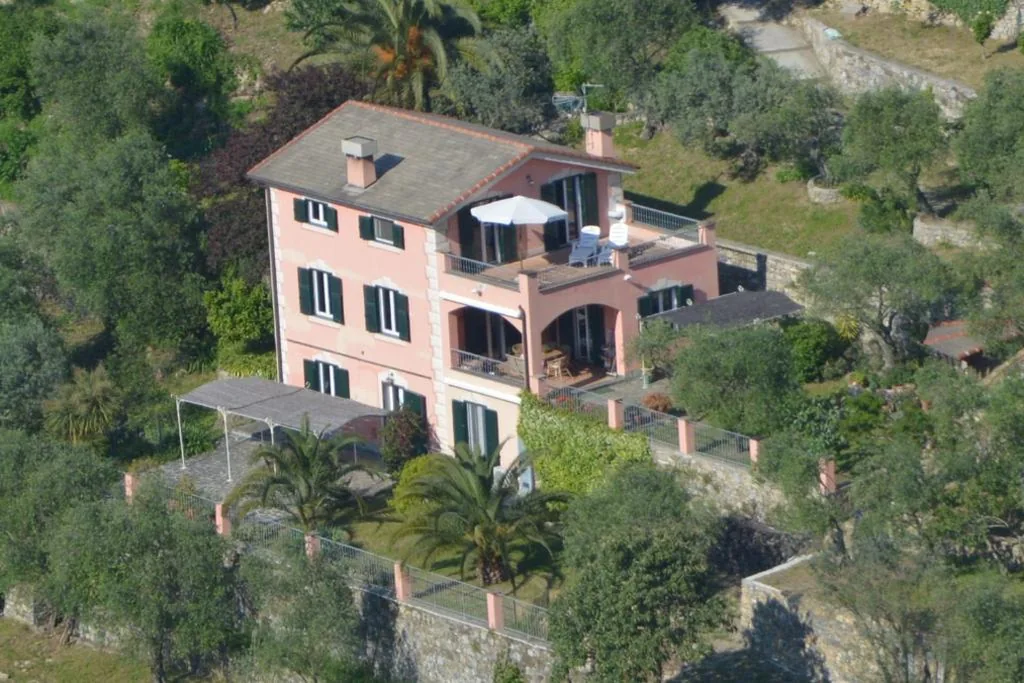
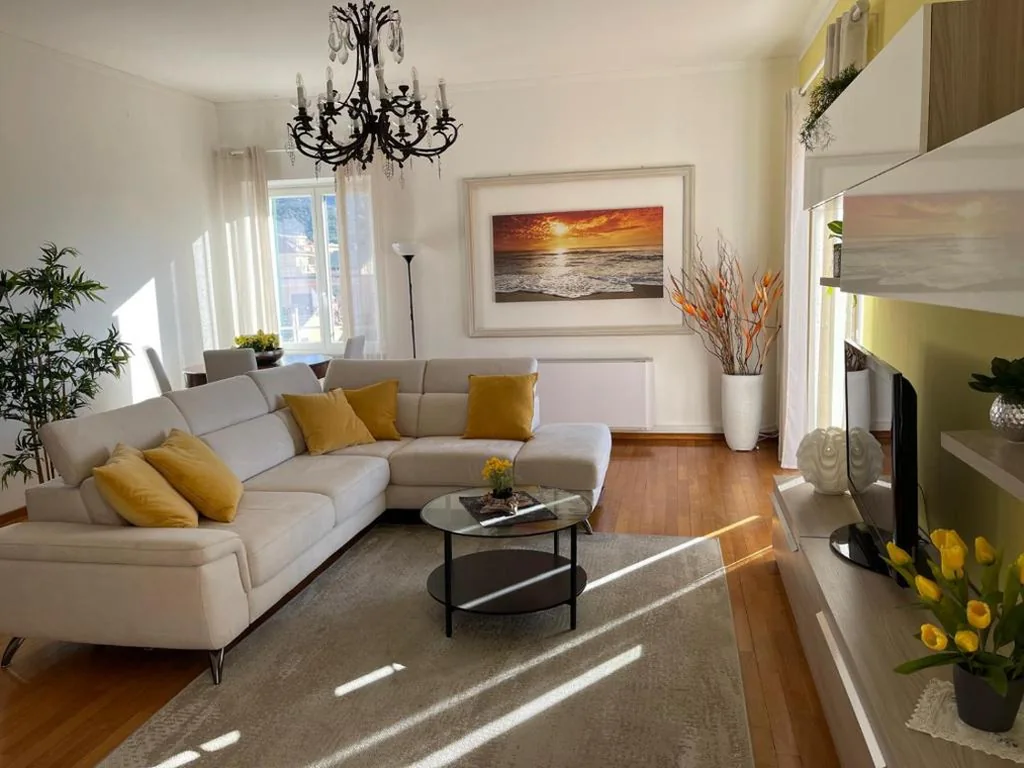
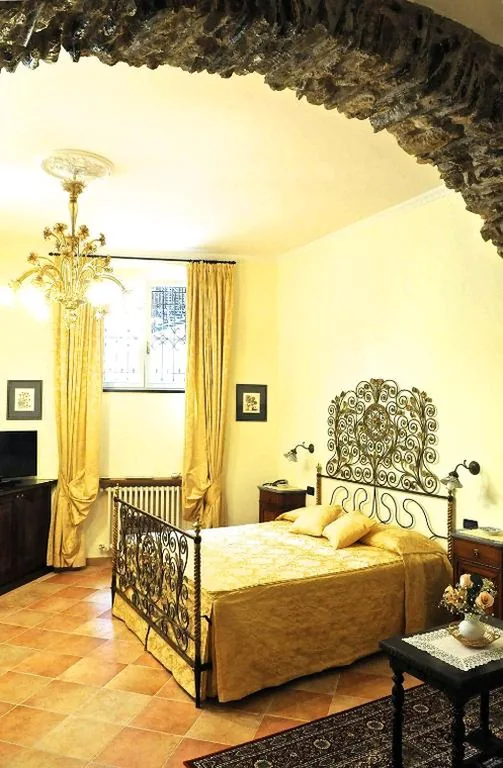
Bed and breakfast among the hills inland from Finale Ligure, with garden, panoramic terrace and air-conditioned rooms just minutes from the sea.
Hotels in region
2.297 properties found
Liguria is a thin strip between sea and Apennines, where in under an hour you pass from the beaches to the ridges. On one side the Riviera di Levante with the Cinque Terre and the Gulf of Poets, on the other the Ponente of Sanremo and Alassio, and Genoa with its old town in between. A region best travelled by train along the coast, with no need for a car.
2.297 properties found
Bed and breakfast among the hills inland from Finale Ligure, with garden, panoramic terrace and air-conditioned rooms just minutes from the sea.
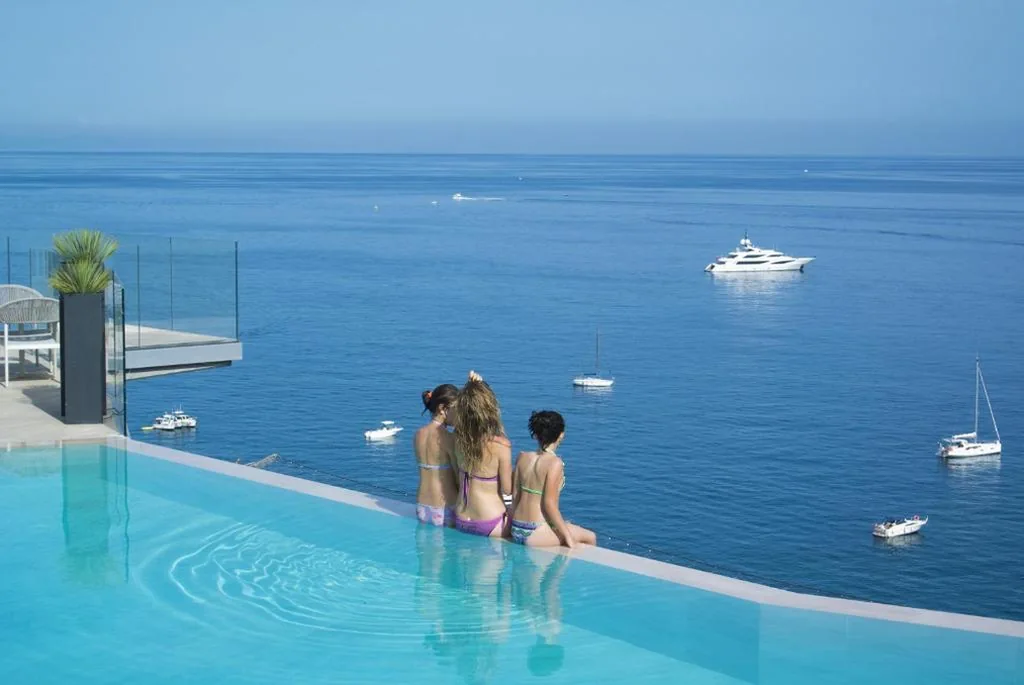
Bed and breakfast with spa in Albisola Superiore, just steps from the sea, with a panoramic pool, sauna and hot tub for a relaxing stay in Liguria.
Bed and breakfast in Camogli with garden, terrace and air conditioning, just steps from the sea and the village's historic centre.
Holiday home in Lavagna with four bedrooms, balcony and mountain view, just steps from the old town and the sea.
Adults-only guest house in the centre of Monterosso al Mare, in the Cinque Terre, just steps from the sea and the train station.
Guest house in Lerici with terrace and balconies overlooking the garden, just steps from Baia Blu Beach and with free private parking included.
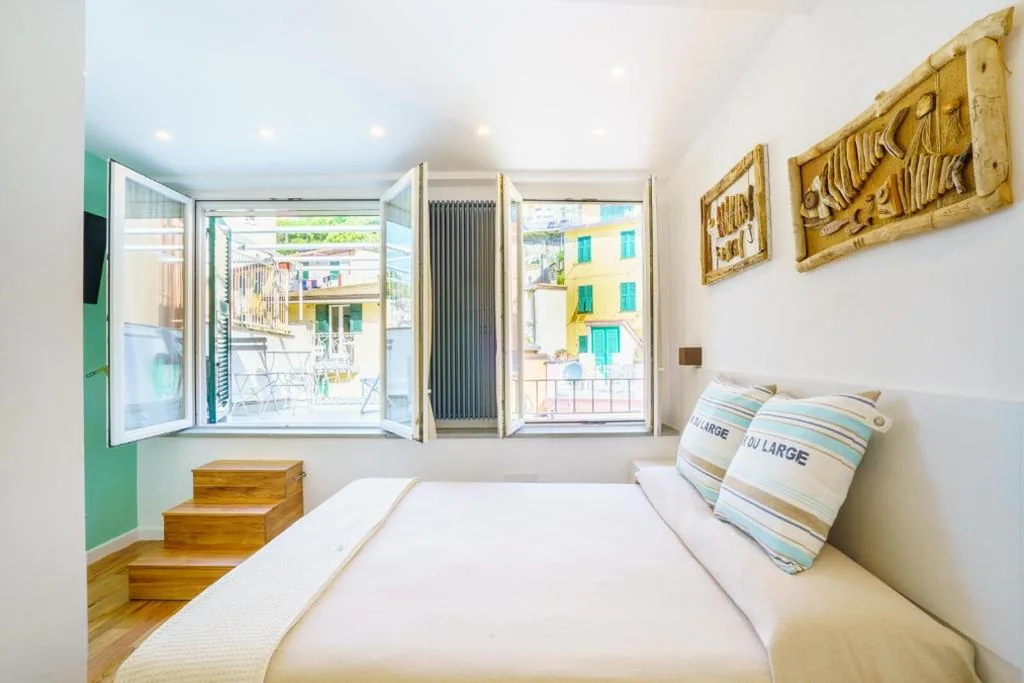
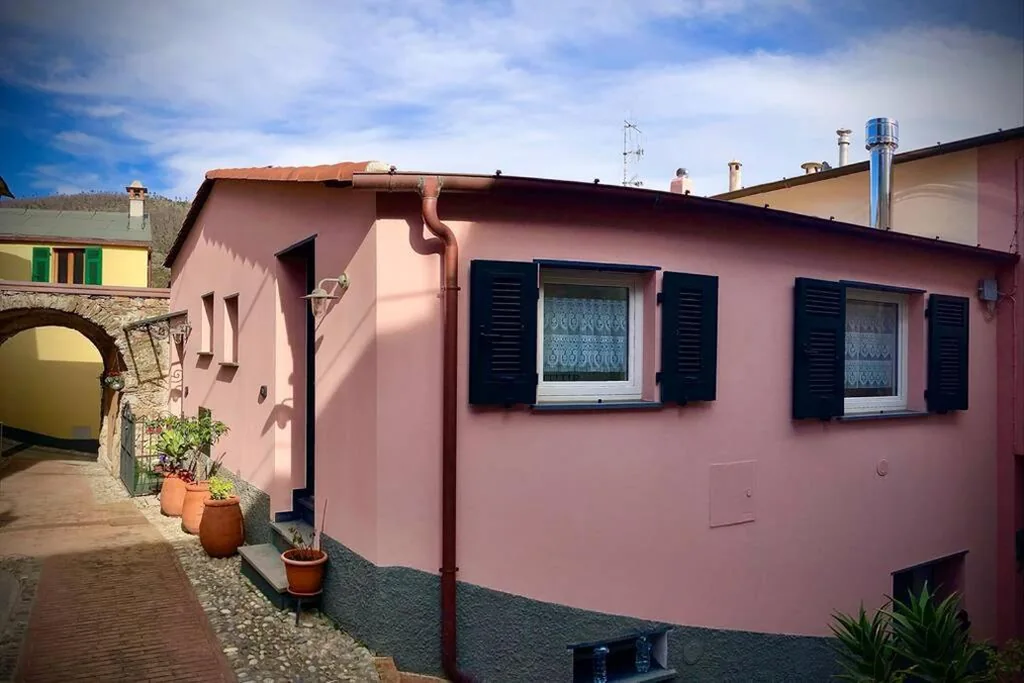
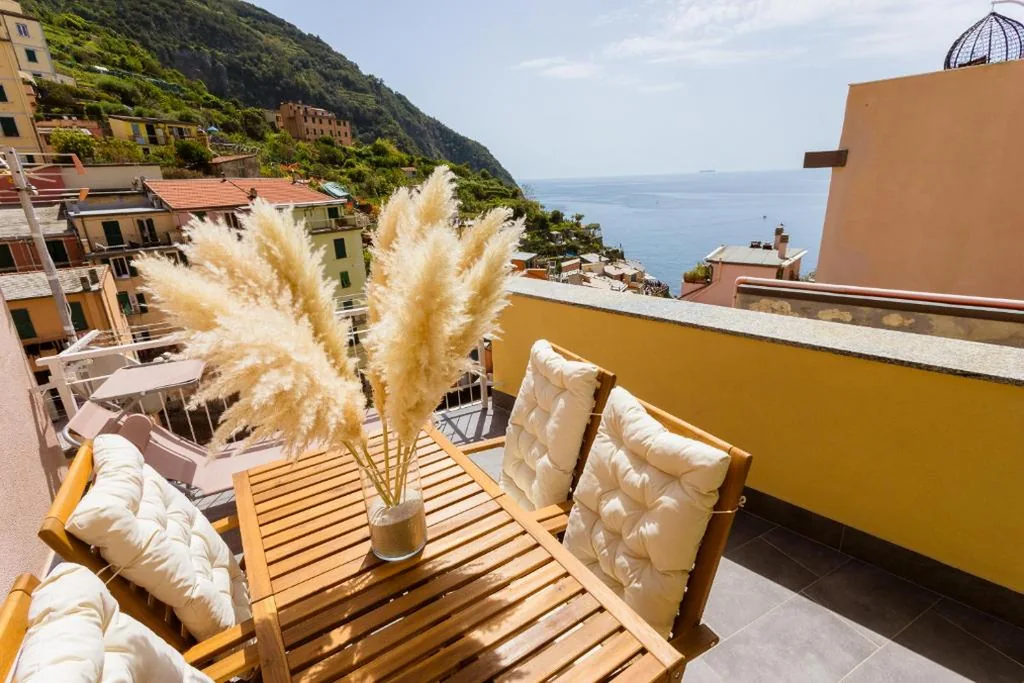
Cosy guest house in Riomaggiore, in the Cinque Terre, with city views, a panoramic terrace and air-conditioned rooms just steps from the sea.
A holiday home in the hills of Levanto, with air conditioning, kitchenette and free parking, just minutes from the beaches and the historic centre.
A holiday home in Riomaggiore with a sea-view terrace, private kitchen and independent entrance, just steps from the beach and the Cinque Terre trails.
Liguria is Italy’s narrowest region: between the Apennine ridge and the sea there are in places just a few kilometres, and the greatest distance from the mountain border to the coast does not exceed fifty. This compression has shaped everything — buildings clinging to slopes, terraces held by dry-stone walls, villages facing narrow inlets — and makes it possible to go from the beach to mountain paths in under an hour. The coast traditionally divides in two: the Riviera di Levante east of Genoa, rockier and more indented, and the Riviera di Ponente towards the French border, with wider beaches and milder winters.
Genoa is the regional capital and its most populous city, with one of the largest historic centres in Europe, a web of narrow caruggi running down towards the old port; the Palazzi dei Rolli — forty-two noble residences out of more than a hundred and sixty, drawn by lot in turn to host the Republic’s state visits — have been a UNESCO World Heritage Site since 2006. It is also the most convenient starting point for both rivieras. Just to the east opens the Portofino headland, protected by a regional park and a marine reserve, while westwards the coast continues towards Savona, a port city and a base for the Bormida valley inland.
The Cinque Terre are the best-known stretch: five villages — Riomaggiore, Manarola, Corniglia, Vernazza and Monterosso — set into fifteen kilometres of rocky coast. Together with Portovenere and the islands of Palmaria, Tino and Tinetto they have been a UNESCO World Heritage Site since 1997, recognised as an example of a cultural landscape shaped by human work: some two thousand hectares of terraces, held by thousands of kilometres of dry-stone walls, where the vines that yield Sciacchetrà wine are grown. The national park, established in 1999, is the smallest in Italy yet the most densely inhabited. Further south, La Spezia is the gateway to the Gulf of Poets, with Lerici and Portovenere; to the north the Tigullio gathers Sestri Levante, Rapallo and Santa Margherita.
West of Genoa the landscape softens. Finale Ligure combines beaches with limestone cliffs that have become an international destination for climbing and mountain biking; Alassio has one of the longest sandy stretches in the region. Further on lie Imperia, the city of olive oil, and Sanremo, which owes much of its economy to greenhouse flower growing as well as its nickname, the city of flowers. The whole strip from Finale to the French border preserves traces of human settlement dating back to the Palaeolithic, among the most significant in Europe.
Behind the coast opens a territory almost ignored by beach tourism: narrow valleys climbing towards the Apennines, stone villages that emptied out and have since been partly revived, paths linking the sea to the ridges. The Alta Via dei Monti Liguri runs the length of the region from west to east while staying high, with views of both the sea and the Alps on clear days. The Beigua park, behind Savona, has been recognised as a UNESCO Global Geopark since 2015. This is where olive growing and the cultivation of the basil that goes into pesto sit alongside chestnut woods and pasture, and where accommodation is mostly small-scale, often in restored rural buildings.
The coastal railway links almost every town in the region, often with stops a few steps from the sea: it is the most practical way to move around, especially in the Cinque Terre, where a car is more hindrance than help and the villages are largely pedestrian. In summer boats connect the main resorts of the Levante, offering the best view of the coast into the bargain. Details on connections and alternatives are in our guide on how to get to Liguria.
The mild climate makes the region workable almost year-round. May, June and September are the best months: the sea already or still warm, paths walkable without the heat, and prices far from the August peak, when the Cinque Terre and the Tigullio are at their busiest. Winter remains interesting on the Ponente, where temperatures stay mild, and for anyone wanting to see Genoa without queues. A full overview of the areas and how to choose between them is in our guide on where to stay in Liguria.