Bed and Breakfast
Milano · Lombardy
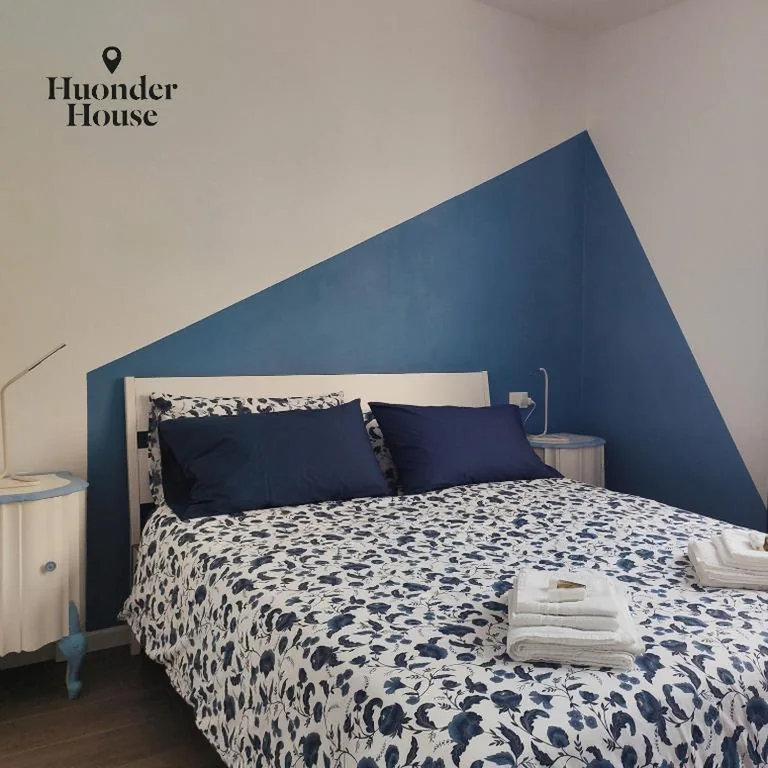
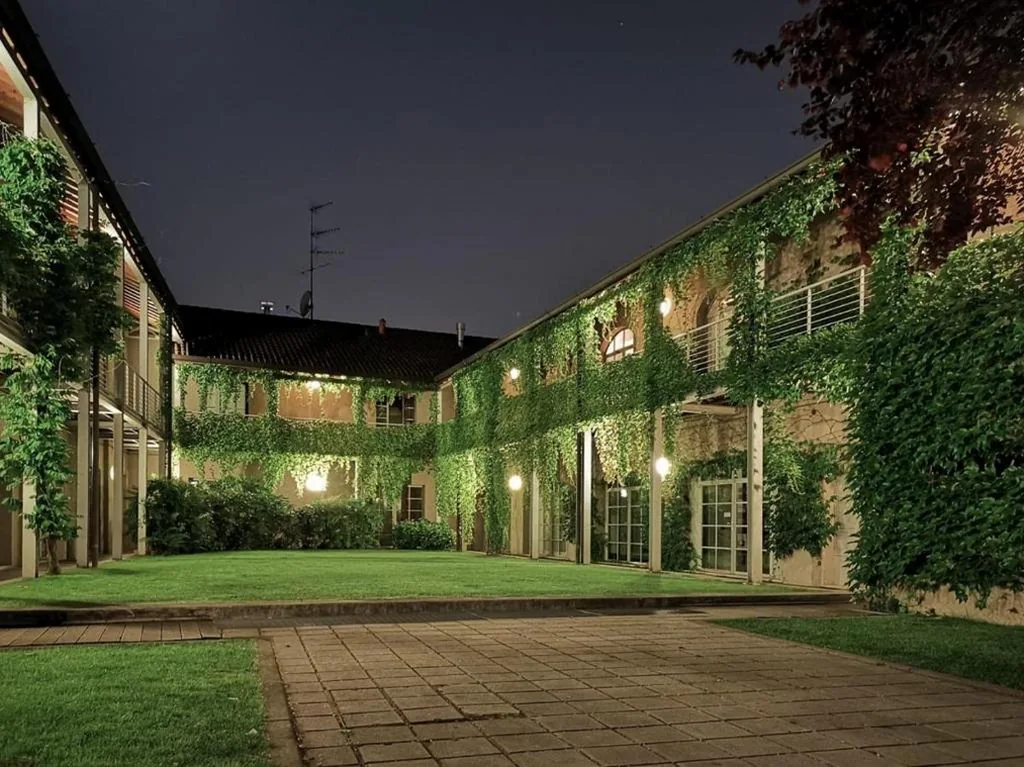
B&B Morindino Design
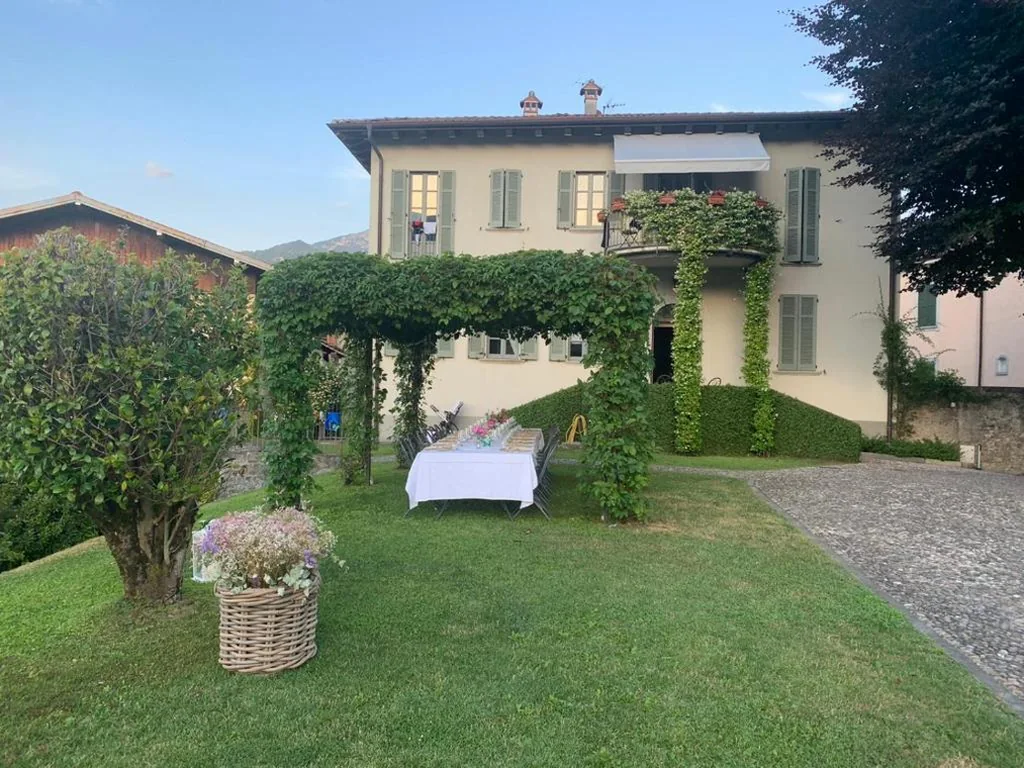
A design bed and breakfast in the Navigli area, with garden, air conditioning and Italian breakfast, just a short walk from MUDEC.
Hotels in region
2.829 properties found
Lombardy brings together four great lakes, the Alpine valleys of the Valtellina and a plain studded with historic cities, with Milan at its centre. It was the region that received Italy's first UNESCO listing, for the rock engravings of Val Camonica, and now holds ten. You can go from the slopes of Livigno to the vineyards of Franciacorta in a few hours' drive.
2.829 properties found
A design bed and breakfast in the Navigli area, with garden, air conditioning and Italian breakfast, just a short walk from MUDEC.
Aparthotel in Bellagio, on Lake Como, with air-conditioned apartments featuring a private pool for exclusive use, lake views and a full kitchen for a self-catering stay.
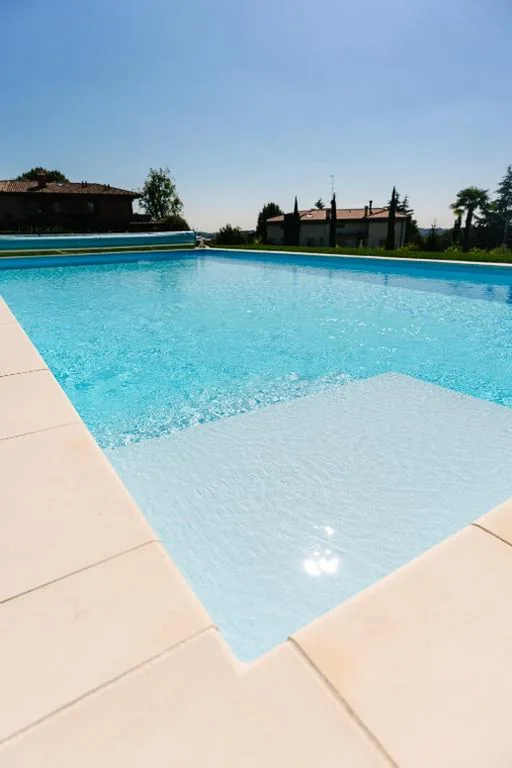
Bed and breakfast in Como with a seasonal pool, hot tub and private garden, appreciated by couples for the quiet setting and free on-site parking.
Independent holiday home in Colico, on Lake Como, with private pool, private beach and large garden for stays with family or friends.
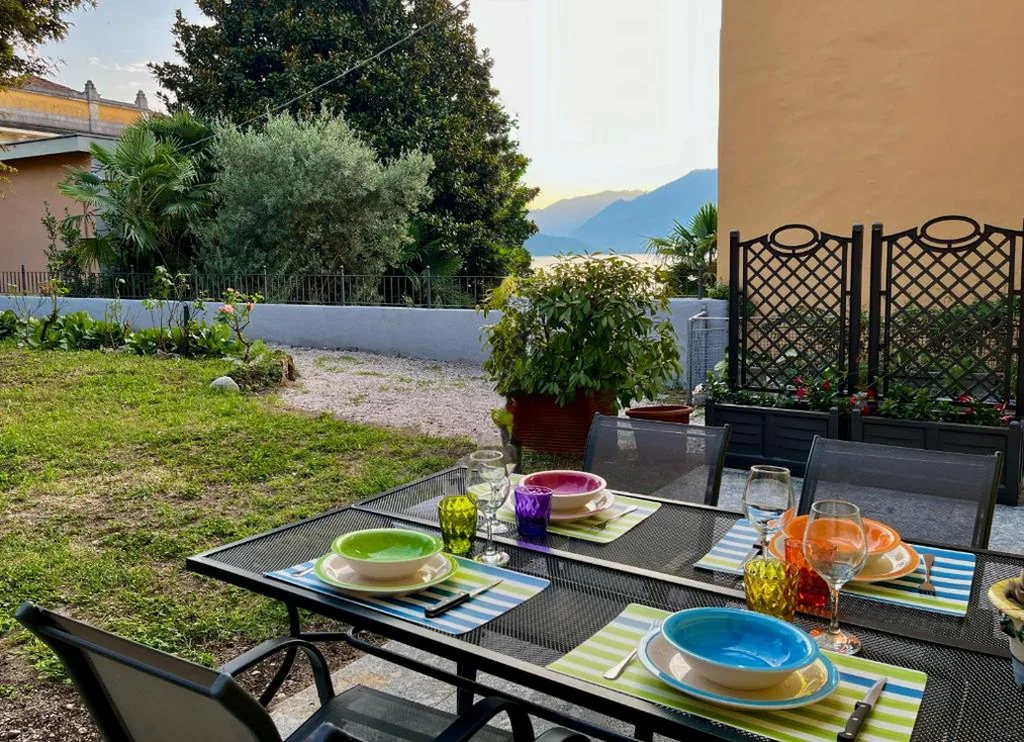
Independent holiday home in the heart of Bellagio, with garden, lake and mountain views, just steps from the ferry landing and the village's historic restaurants.
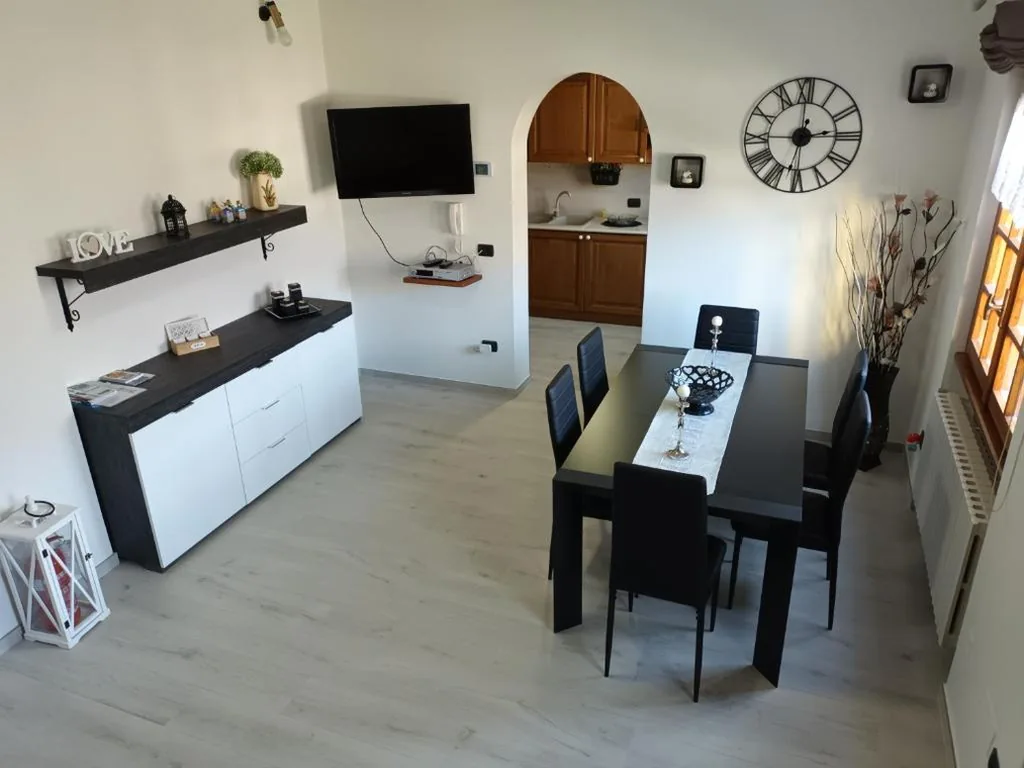
Holiday home in a 1900s building in the center of Lecco, with two bedrooms, a full kitchen and air conditioning, just steps from the lake and the train station.
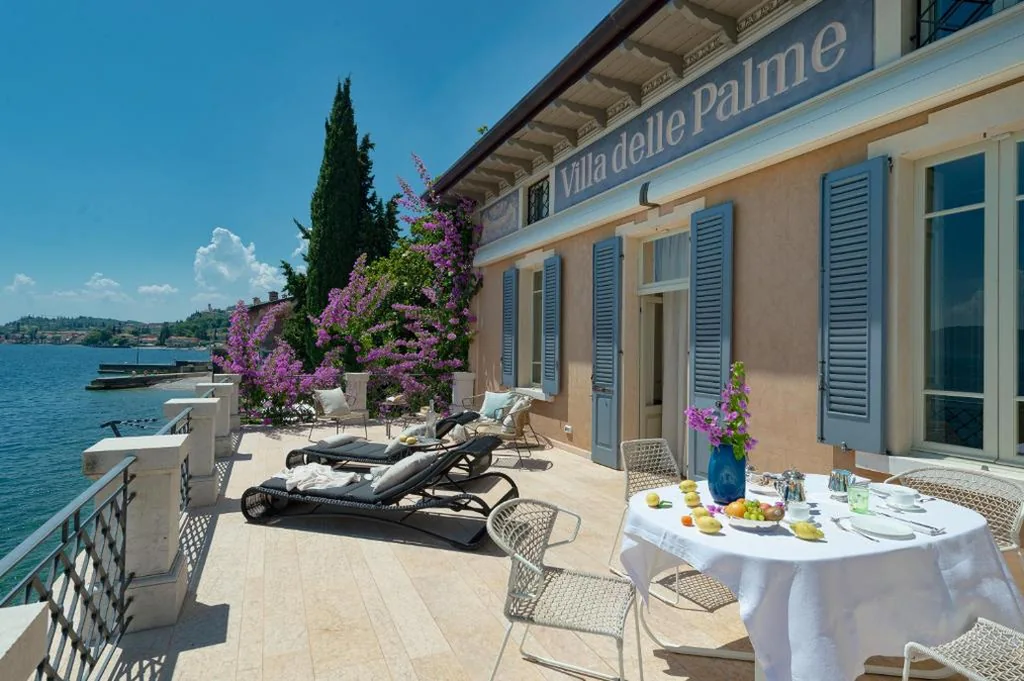
An adults-only hotel on Lake Garda in Gargnano, with private beach, seasonal pool and hot tub, ideal for a romantic stay in total relaxation.
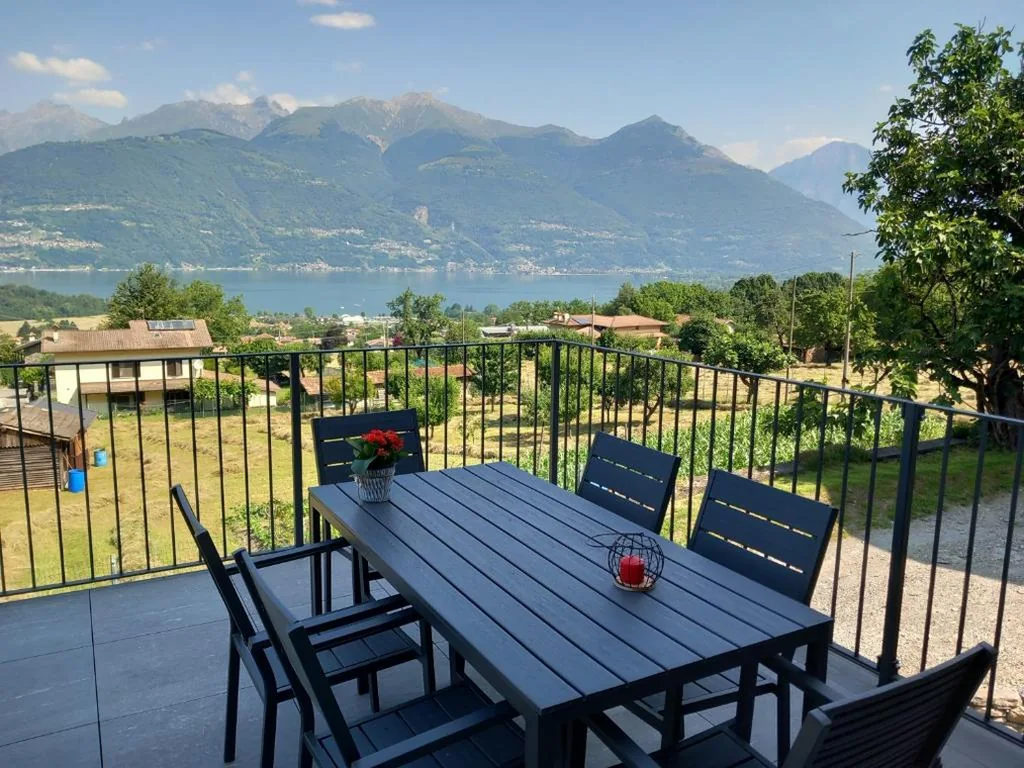
Independent holiday home in Lezzeno, on Lake Como, with garden, terrace and barbecue, ideal for families and groups seeking peace and quiet with a lake view.
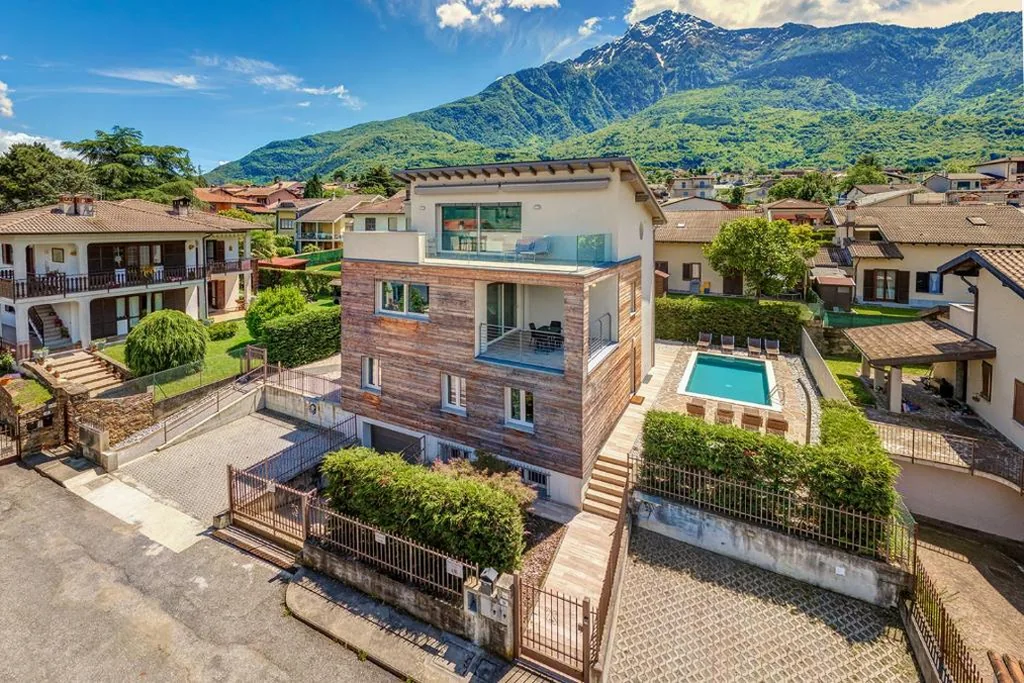
Spacious holiday home in Colico, on Lake Como, with private pool, garden and panoramic terrace: perfect for large groups and families.
Few Italian regions change character so quickly: from the four thousand metres of the Lombard Alps to the Po plain is less than two hundred kilometres, and in between lie the great pre-Alpine lakes, the glacial valleys and a belt of cities that from the Middle Ages onwards produced a heritage recognised worldwide. Lombardy now counts ten UNESCO sites, the first of which — the rock engravings of Val Camonica, inscribed in 1979 — was also the first in all of Italy; the following year Santa Maria delle Grazie and Leonardo’s Last Supper were added. This is no isolated case: under Roman rule Milan, then Mediolanum, served as an imperial seat, and it was from here that Constantine issued the edict granting freedom of worship to Christians in 313.
Milan holds most of the region’s accommodation and is the usual point of entry, but the other cities are no supporting cast. Bergamo has an upper town enclosed by Venetian walls, themselves a UNESCO site; Mantua preserves the layout shaped by the Gonzaga; Cremona is the capital of violin making, an art listed among the intangible heritages; Brescia guards its Roman archaeological area and the Santa Giulia complex; Pavia was capital of the Lombard kingdom. For a short stay in the capital we have gathered everything into a weekend in Milan.
The region has four large ones — Maggiore, Como, Iseo and Garda — plus around eighty smaller bodies of water. Each has its own character: Lake Como, with its historic villas and villages clinging to the slopes; Lake Garda, the largest in Italy, shared with Veneto and Trentino; Lake Iseo, more contained, home to Monte Isola, the largest inhabited lake island in Italy. An overall picture is in our guide to the Lombard lakes. On the shores of Garda, Varese and other basins lie ten of the prehistoric pile-dwelling sites recognised by UNESCO in 2011. On Lake Maggiore, the monastery of Santa Caterina del Sasso is set into a rock face dropping sheer to the water, while on the Swiss border Monte San Giorgio is a World Heritage Site for the richness of its fossil beds.
The Valtellina is the region’s main Alpine area: crossed by the Adda, it gathers Bormio, Livigno, Tirano, Chiavenna and the resorts of Aprica and Santa Caterina Valfurva. From Tirano runs the Bernina line of the Rhaetian Railway, a UNESCO site since 2008 and the highest railway in Europe, reaching Saint Moritz across viaducts and Alpine passes. Further south, in Val Camonica, Ponte di Legno is the gateway to the Adamello ski area. Anyone primarily after snow will find the full picture in our guide on where to stay for skiing in Lombardy.
Between Brescia and the southern shore of Lake Iseo lies Franciacorta, a hilly area known for its traditional-method sparkling wines; further south, the Oltrepò Pavese is Pinot Noir country, with villages set among the vines. The plain, often overlooked by visitors, preserves Cistercian abbeys, fortified farmsteads and the rice fields of the Lomellina, along with a dense system of canals that for centuries linked Milan to the rivers. The table follows the same geography: bresaola and mountain cheeses in the Valtellina, where high-altitude Nebbiolo yields Sforzato; the salamis of Varzi and Cremona across the hills and the plain.
The rail network is among the densest in Italy and connects Milan to every city in the region in under two hours; the lakes are reached by train and then travelled by boat. Malpensa, Linate and Orio al Serio make the region accessible from abroad: for those arriving by air we have gathered the options in where to stay near Malpensa. Spring and autumn suit the cities and lakes best, winter the Alpine valleys, while July and August concentrate demand on Garda and Como. Full details on connections and areas are in how to get to Lombardy and where to stay in Lombardy.