Holiday homes
Arco · Trentino-South Tyrol
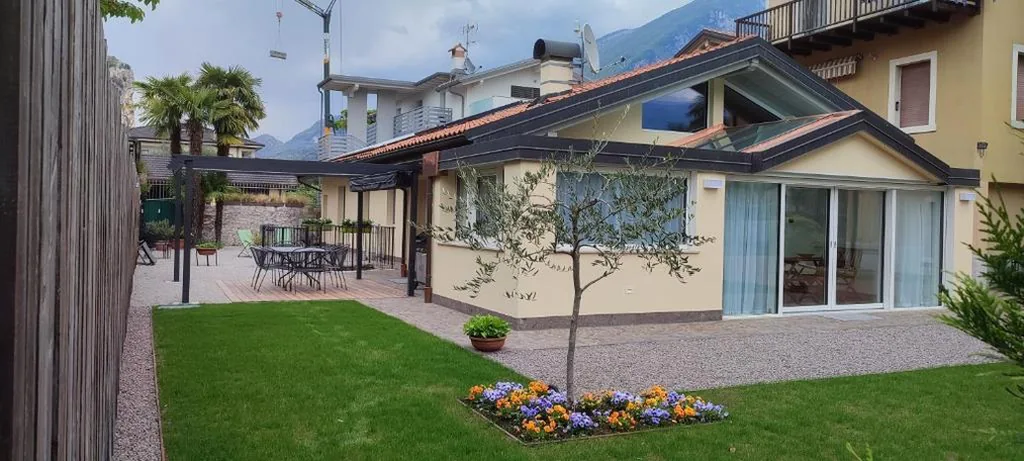
Villa Carmen
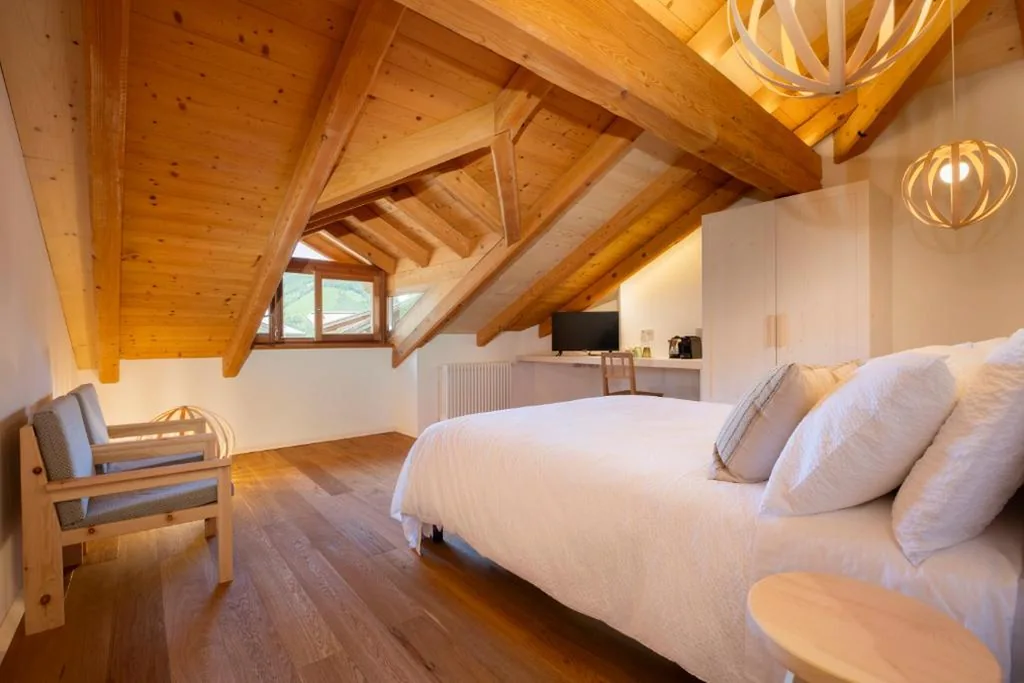
Independent holiday home in Arco with seasonal pool, garden and panoramic terrace overlooking Lake Garda, ideal for families who love cycling and outdoor sports.
Hotels in region
1.953 properties found
Trentino-Alto Adige is Italy's northernmost region, entirely mountainous and divided into two autonomous provinces with three official languages. It holds the Dolomites, a UNESCO site since 2009, along with valleys such as Val Gardena and Val Pusteria, the spas of Merano and the northern tip of Lake Garda: mountains in winter and summer, with some of Europe's best-organised hospitality.
1.953 properties found
Independent holiday home in Arco with seasonal pool, garden and panoramic terrace overlooking Lake Garda, ideal for families who love cycling and outdoor sports.
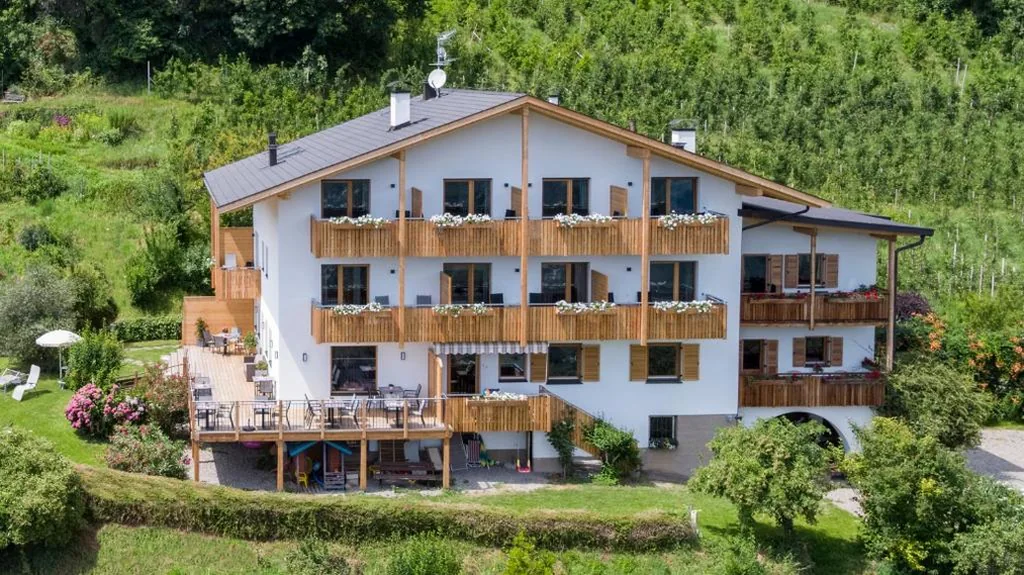
Garni Oberanger is a 3-star hotel in Tirolo, above Merano, with a seasonal outdoor pool, garden and free private parking. Rooms with balcony and views, in a quiet setting among the vineyards of South Tyrol.
A family-run B&B in Vignola, in Trentino, between a garden and a panoramic terrace, with breakfast options including gluten-free and free private parking included.
Independent holiday home in Cagnò, in Val di Non, with garden, barbecue and free private parking, ideal for families and small groups seeking tranquility.
A bed and breakfast among the meadows of Villandro Alp in Collalbo, with an outdoor pool, hot tub and spacious accommodations equipped with a kitchenette or full kitchen, ideal for families and couples seeking mountain quiet.
A bed and breakfast surrounded by greenery in Varda, in Trentino, with a garden, terrace and shared kitchen for a relaxed and informal stay.
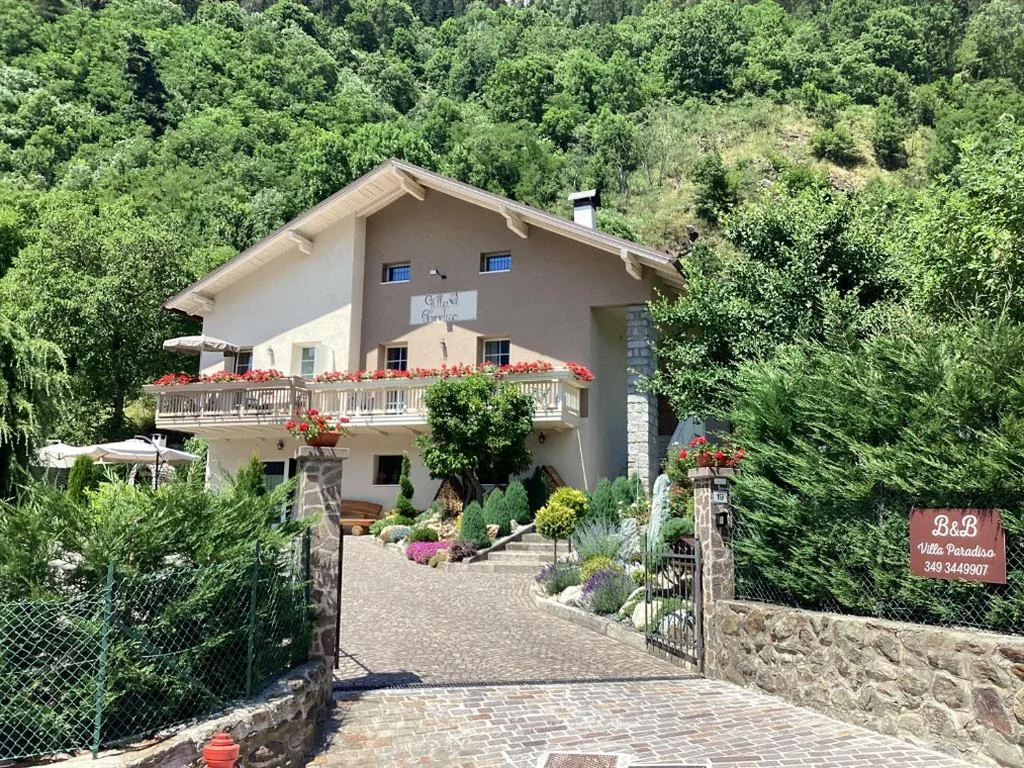
B&b Villa Paradiso is a family-run guest house in Mezzana, in Val di Sole, with a garden, terrace and free private parking, appreciated for its quiet location and attentive service.
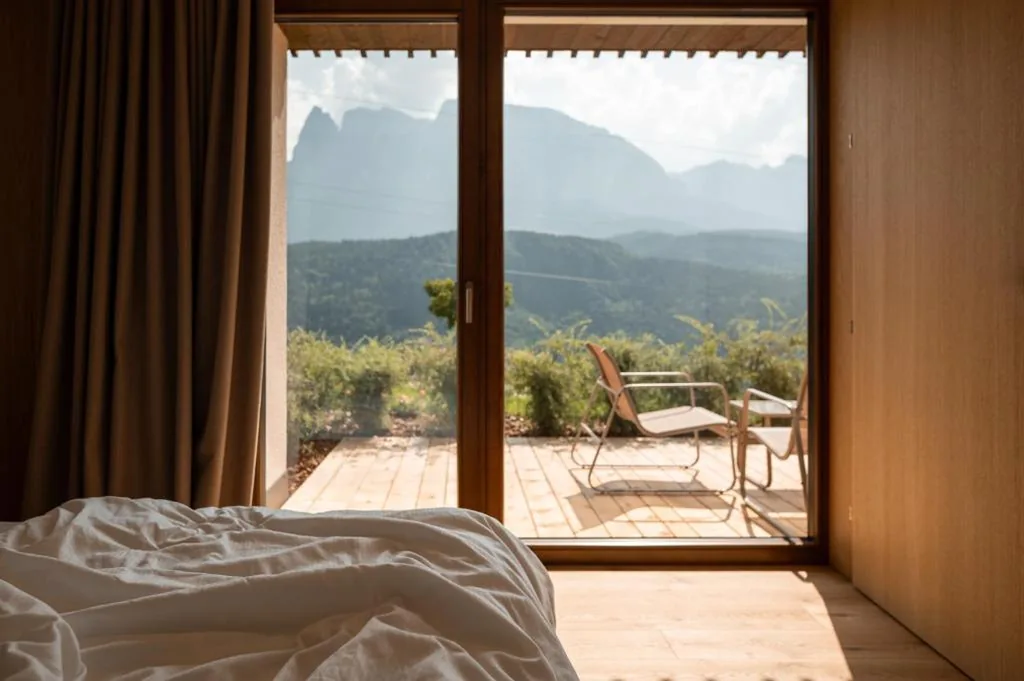
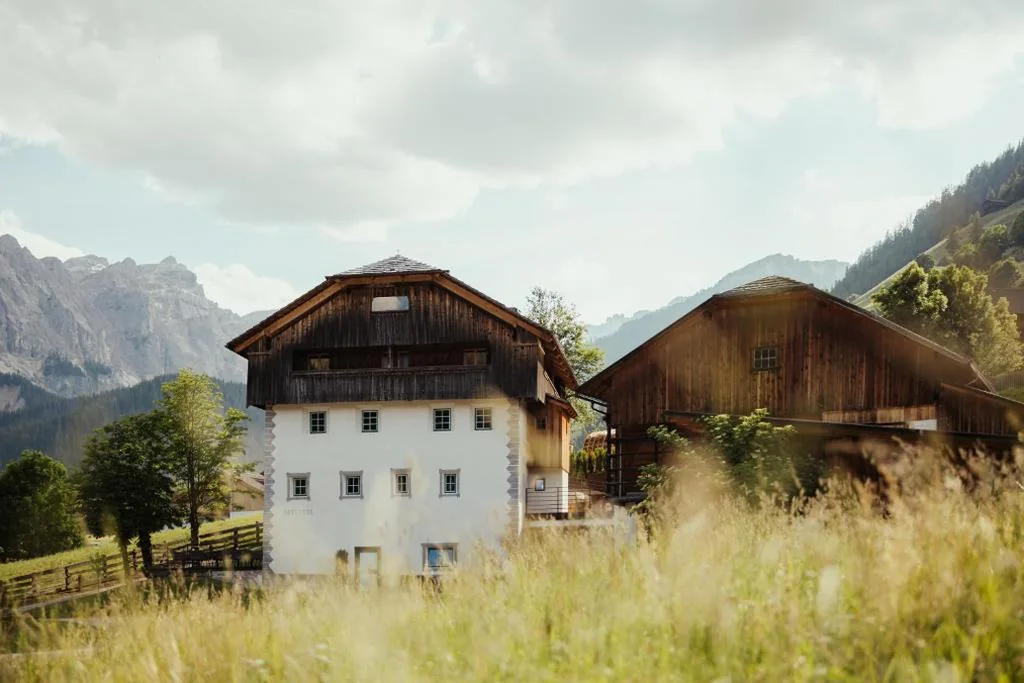
A family-run bed and breakfast in Val Badia, with garden, sauna and hot tub, between views of the Dolomites and alpine-style rooms finished with care.
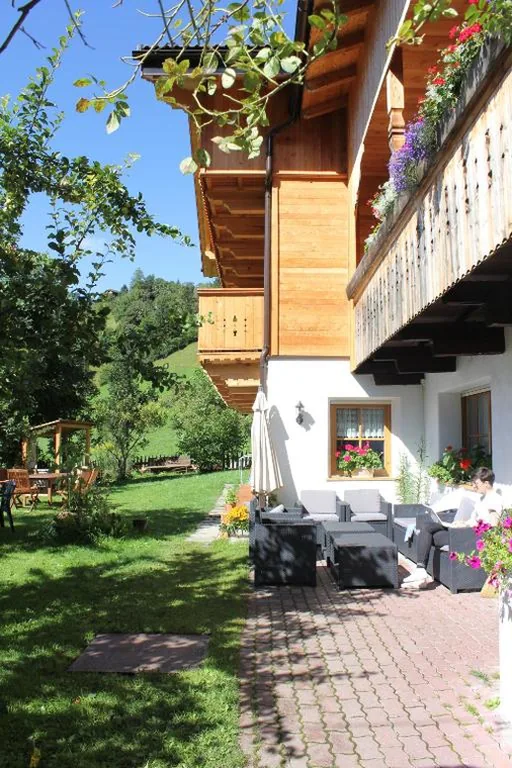
A family-run B&B in San Vigilio di Marebbe, with views of the Dolomites, garden and terrace, ideal for those seeking skiing and nature.
This is Italy’s northernmost region and the only entirely mountainous one: about three quarters of its territory lies above a thousand metres, and its peaks exceed three thousand nine hundred with the Ortles. Administratively it is a case of its own, made up of two autonomous provinces — Trento and Bolzano, the latter also called Alto Adige or Südtirol — with an autonomy created after the war to secure coexistence between different language groups. Three languages are spoken here: Italian prevails in Trentino, German in Alto Adige, while Ladin survives in several Dolomite valleys. The autonomy is not only linguistic: the provinces retain around ninety per cent of the taxes collected, which explains the level of services and infrastructure visitors notice at once, from transport to the upkeep of the trails.
On 26 June 2009 UNESCO inscribed the Dolomites on the World Heritage List for their landscape value and geological importance, calling them among the most beautiful mountain landscapes in the world. They are not a continuous chain but nine systems separated by valleys, spread across 142,000 hectares over five provinces and three regions. Within Trentino and South Tyrol lie the Marmolada, the Catinaccio, the Latemar, the Pale di San Martino and the Brenta Dolomites. Since 2010 a foundation has brought together the provinces and regions involved to coordinate their management. Anyone choosing them in summer will find a dedicated guide in where to stay in the Dolomites in summer.
Each valley has its own character. Val Gardena combines large ski areas with the Ladin tradition of woodcarving; Alta Badia is known for its high-altitude cooking; Val di Fassa sits below the Catinaccio and the Marmolada; Val di Fiemme preserves the spruce woods that yield resonance wood for instrument makers. Further west, Val di Sole opens onto the Adamello and the Presanella, while to the north Val Pusteria runs towards the Austrian border.
Trento is the regional capital, city of the Council and of the Buonconsiglio Castle; Bolzano combines Central European architecture with the museum that holds Ötzi; Merano preserves the layout of a Habsburg spa town with its gardens; Bressanone is South Tyrol’s oldest town, a bishop’s seat for over a thousand years. To the south, Riva del Garda marks the northern tip of the lake, where the climate turns Mediterranean.
The region is crossed end to end by the Adige valley and, in the province of Bolzano, by those of its tributaries the Isarco and the Rienza. The Brenner and Resia passes link it to Austria, and this hinge position between the Mediterranean and Central Europe shows in everything: in the architecture of the mountain farms, in a cuisine that sets dumplings and strudel alongside Italian dishes, in vineyards that climb the slopes to unusual heights. At its southern end the altitude drops to the sixty-five metres of the Trentino shore of Lake Garda, where olives and lemons grow.
The region holds some of the largest ski areas in the Alps, with links that let you ski for days without repeating a run: the full picture is in where to stay for skiing, while for families there is our guide to a family ski holiday and for those who want the pistes on the doorstep the one on ski-in ski-out hotels. Madonna di Campiglio, Folgaria and the Paganella plateau are among the busiest destinations.
Summer brings walking, alpine lakes and mountain dairies: we cover it in what to do in summer and in where to stay on Trentino’s lakes. Autumn in South Tyrol has a season of its own, between Törggelen, foliage and the apple harvest, described in what to do in South Tyrol in autumn; December brings the Christmas markets. The region also has a long spa and wellness tradition, with dedicated properties listed in spa and wellness hotels.
The Adige valley is the natural corridor between central Europe and the Po plain, followed by the Brenner motorway and railway: from Verona or Innsbruck it is little over an hour. The side valleys are served by frequent buses, and many resorts include a mobility card with the stay. Details and alternatives in how to get to Trentino-Alto Adige, while an overview of the areas is in where to stay in Trentino-Alto Adige.