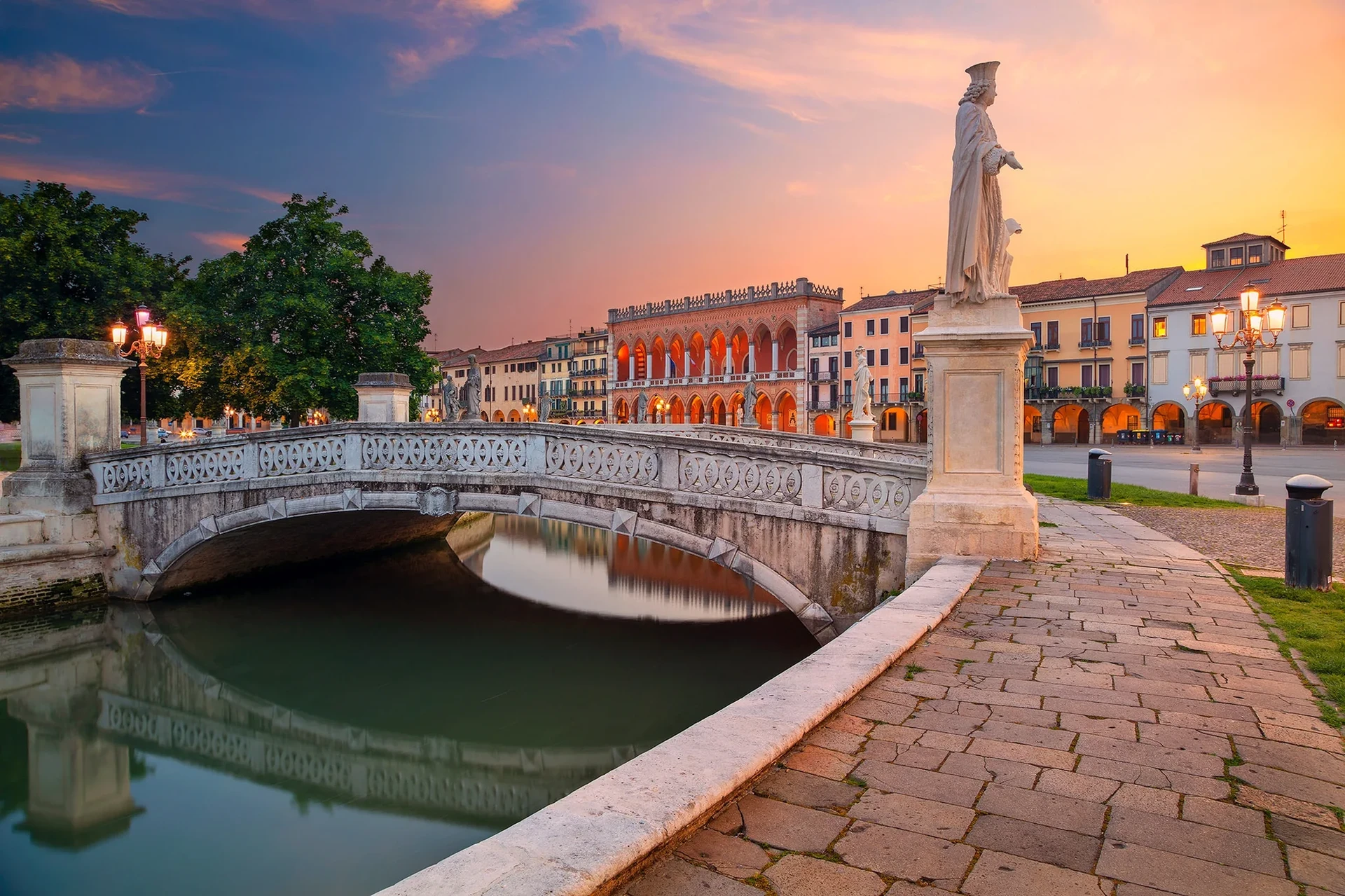

Padua is one of Veneto’s great art cities, often underrated next to nearby Venice and Verona but capable of surprising anyone who visits. An ancient university seat — the University is among the oldest in the world and Galileo taught here — it’s a cultured, dynamic and human-scale city, rich in masterpieces. It holds the Scrovegni Chapel with Giotto’s frescoes, recognised as a UNESCO site within Padova Urbs picta, the majestic Basilica of Saint Anthony, a place of pilgrimage, and Prato della Valle, one of the largest squares in Europe.
Thanks to its strategic position and excellent connections — Venice is half an hour away by train — Padua is also an ideal base for exploring Veneto, the Euganean Hills and the spas. In this guide we tell you where it’s best to sleep in the city, with practical tips and a selection of properties among the most appreciated by travellers, to find the perfect base for your stay.
Padua’s great advantage is its balance: it has the artistic heritage of a great art city, but the size and rhythms of a human-scale centre, where everything is reachable on foot and prices are lower than in Venice. It’s an authentic city, lived in by its residents and the many students, not just a destination to visit in a rush: those who stay a few days discover a quality of life and an atmosphere they don’t easily forget.
The historic centre: where it’s best to stay
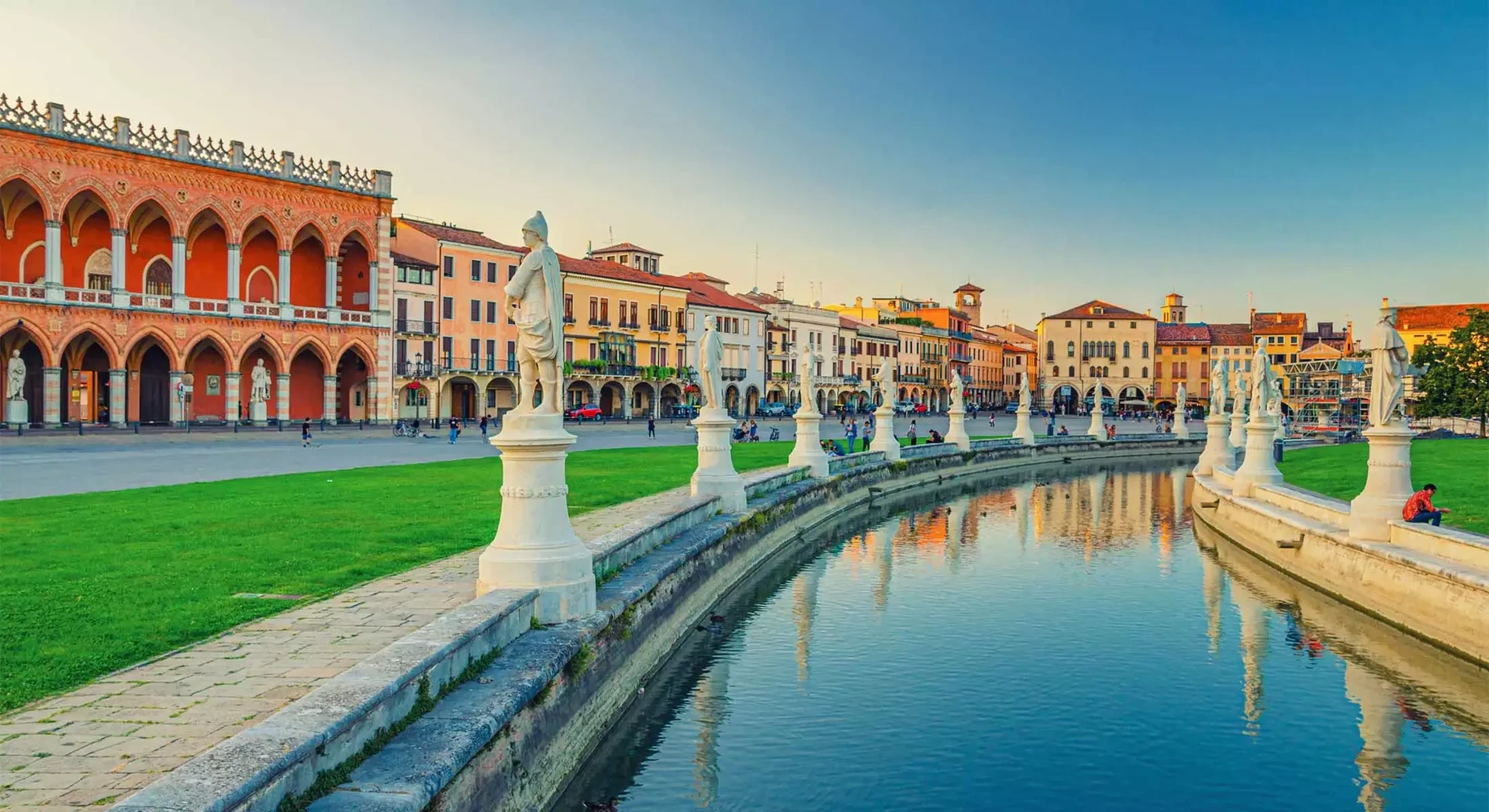
The historic centre is without doubt the best area to stay in Padua. Compact and largely pedestrian, it’s comfortably walked and concentrates the great attractions: from the Scrovegni Chapel and the Eremitani Civic Museums, to the lively Piazza delle Erbe and Piazza della Frutta with the Palazzo della Ragione and the daily markets, to Prato della Valle and the Basilica of Saint Anthony, called by the Paduans simply “il Santo”.
Sleeping in the centre means having everything within walking distance and experiencing the lively atmosphere of the city, animated by the many university students, with historic cafés, osterie and an aperitivo that is a real civic ritual. It’s the ideal choice for those who want to visit Padua without travelling around and enjoy the city in the evening too. Within the centre, some micro-areas have a precise character: the Saint and Prato della Valle area is quieter and more monumental, ideal for those seeking calm; the market squares are the living, commercial heart; the Eremitani area, near the Scrovegni Chapel and the station, is very handy for those arriving by train. Here are the addresses we recommend, all in a central or very convenient position.
Isola Memmia
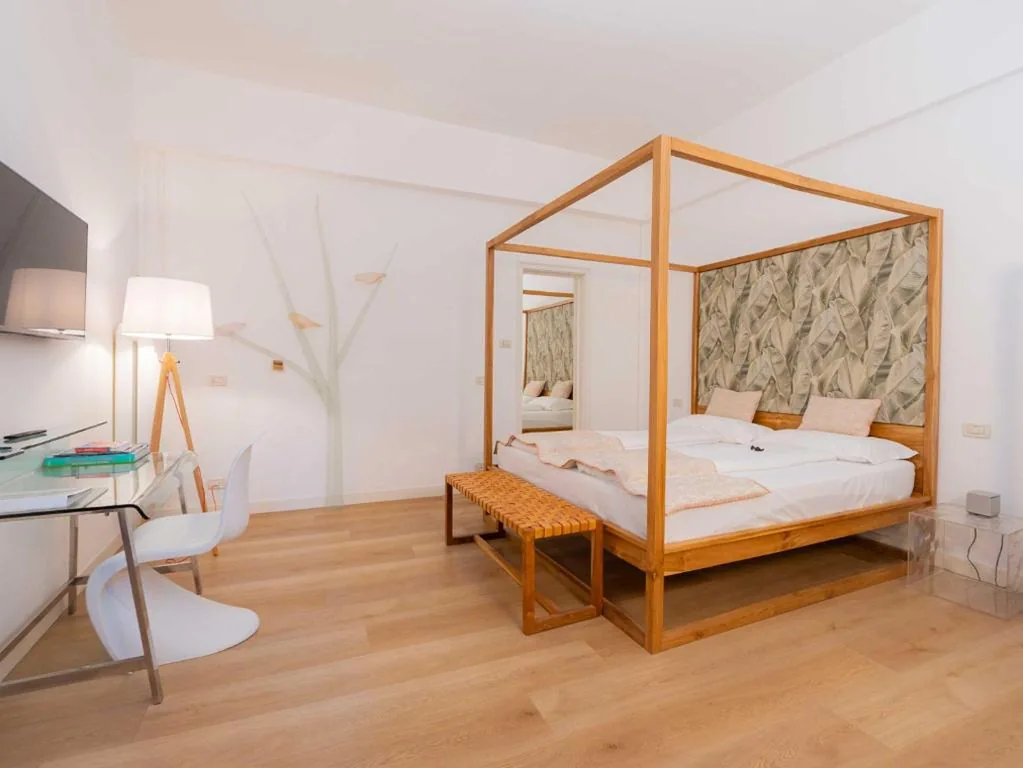
A refined B&B overlooking Prato della Valle directly, one of the most scenic squares in Italy. Waking up with the view over the statues and the canal, a short walk from the Basilica of the Saint, is a unique experience: a base of great charm in the heart of Padua.
Palazzo Mantua Benavides Suites & Apartments
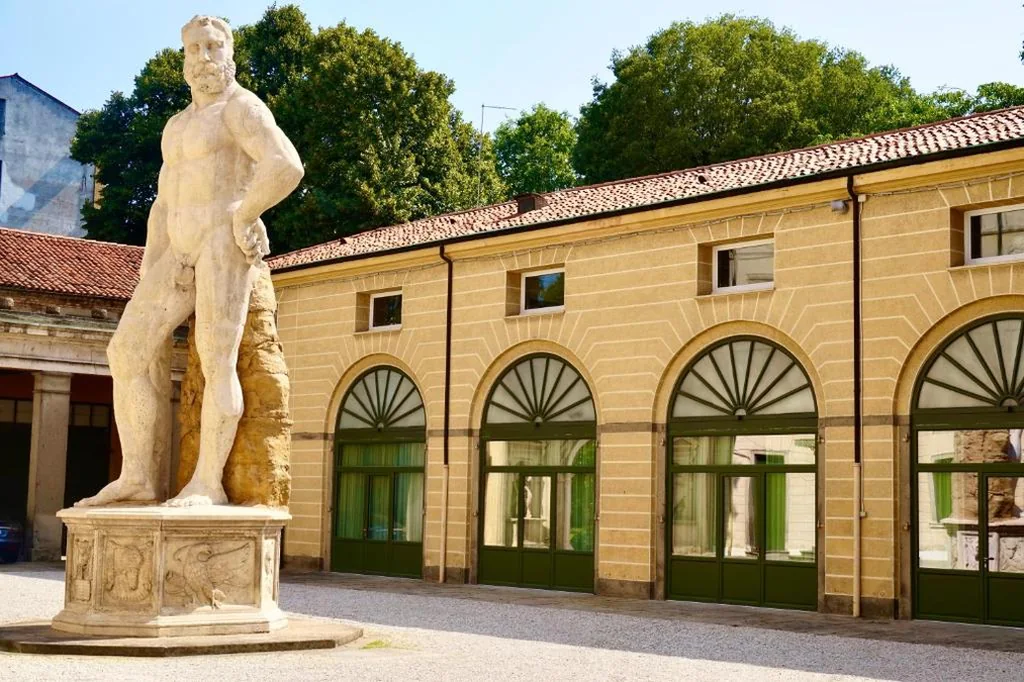
A prestigious guesthouse in the historic centre, next to Piazza Eremitani, with elegant suites and a garden, a short walk from the Scrovegni Chapel. A refined, very central address, perfect for those who want the museums and squares within walking distance.
La Finestra Sul Ghetto
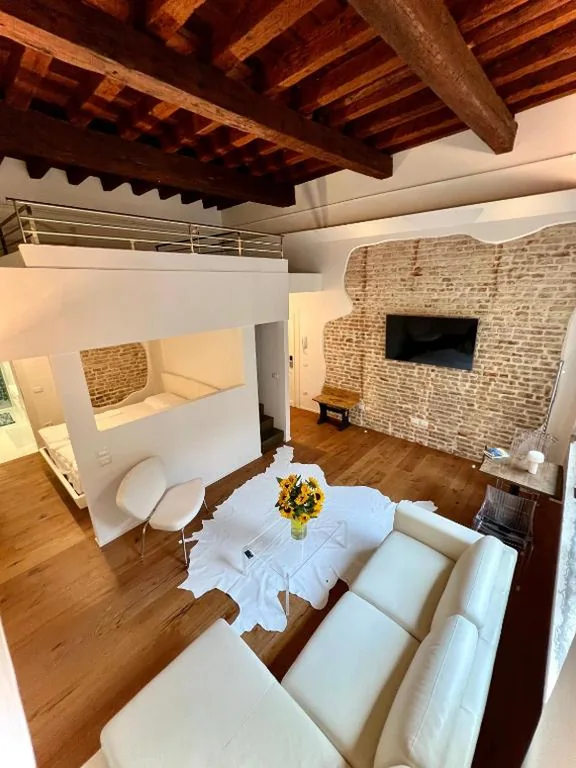
A welcoming holiday home in the heart of the historic centre, a short walk from the Palazzo della Ragione and the market squares, with air-conditioned accommodation. The self-catering formula and the unbeatable position make it ideal for experiencing the most authentic and lively Padua.
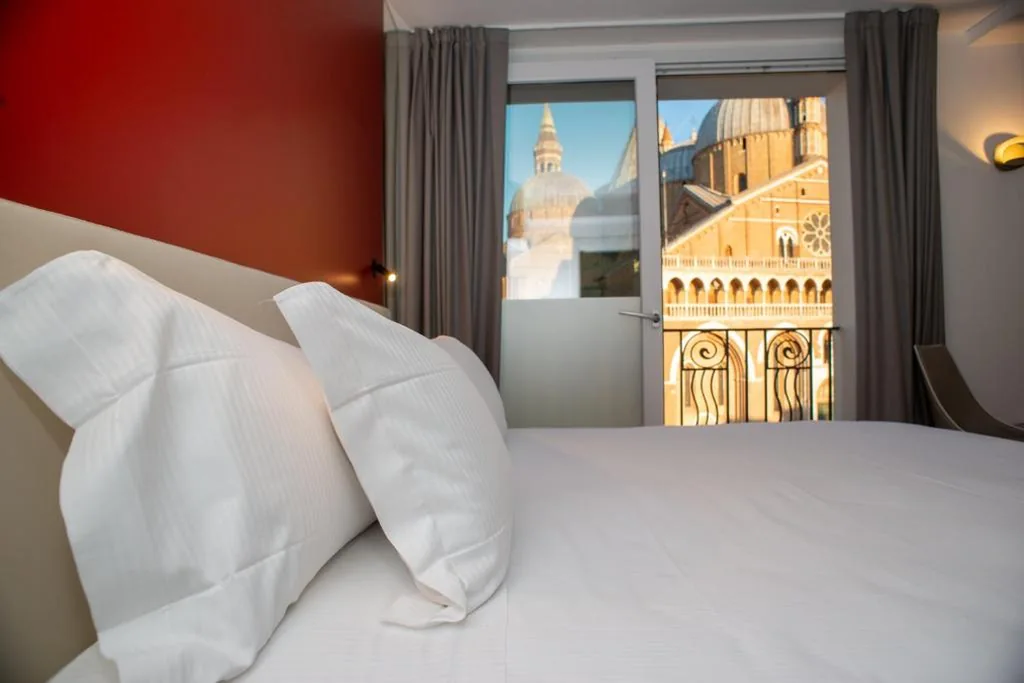
Padova Suites C20
A charming guesthouse right opposite the Basilica of Saint Anthony, with soundproofed suites. Sleeping with a view of the Saint, a short walk from Prato della Valle, is the dream of those visiting Padua for faith or for art: a truly unbeatable position.
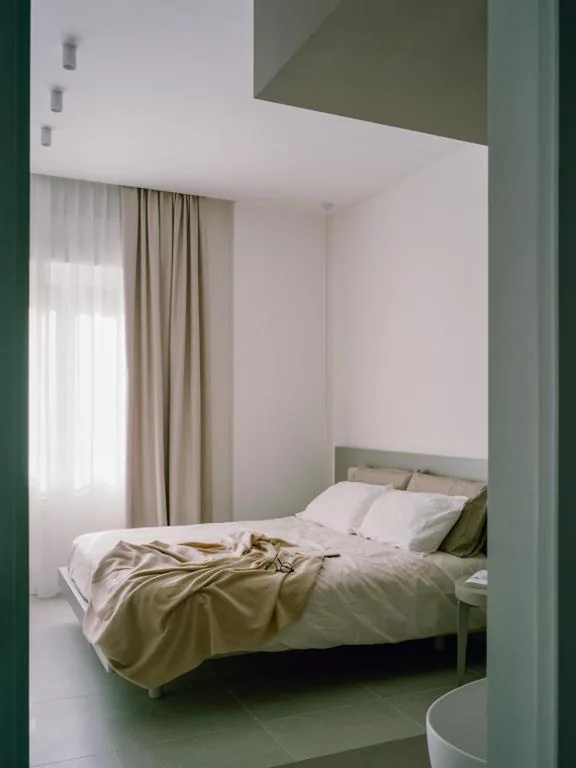
Santa Lucia Suites
An elegant guesthouse in the historic centre, with a panoramic terrace, a short walk from the squares and the main monuments. Well-kept and convenient, it’s the ideal base for those who want to experience Padua on foot with style, returning to a refined, quiet setting.
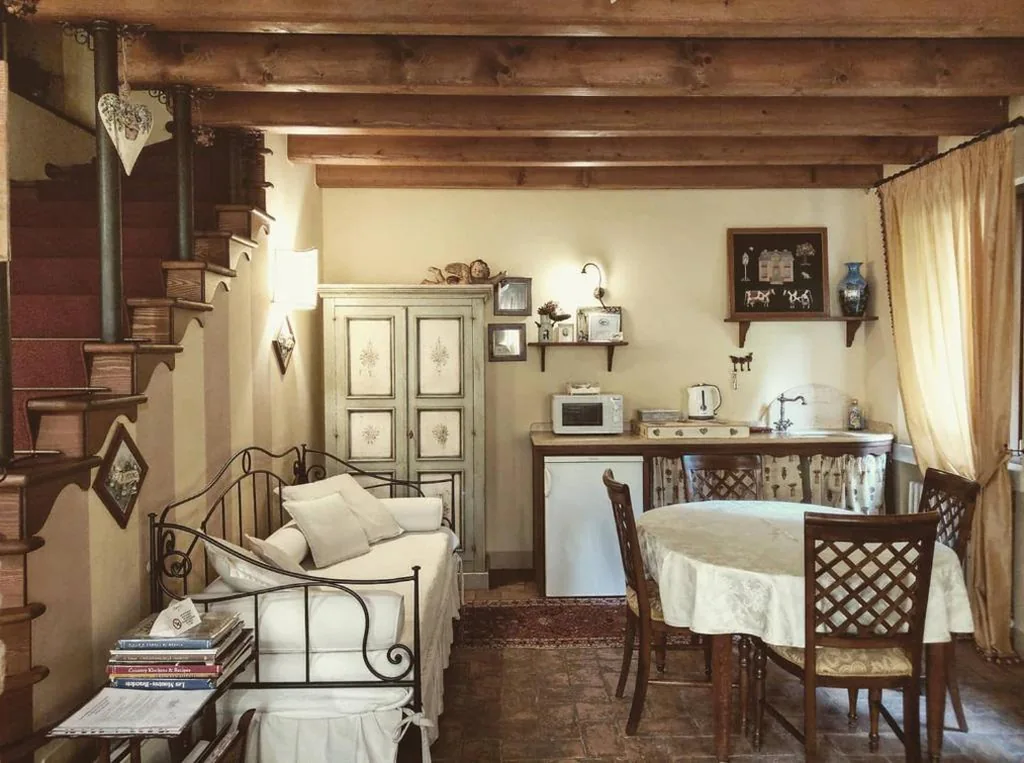
B&B Casa Camilla
A refined eco-friendly B&B set in a private garden, with free parking, breakfast on the patio and bikes available. The large crowd of loyal guests speaks of quality hospitality: a green, well-kept oasis, ideal for those arriving by car who love peace and quiet.
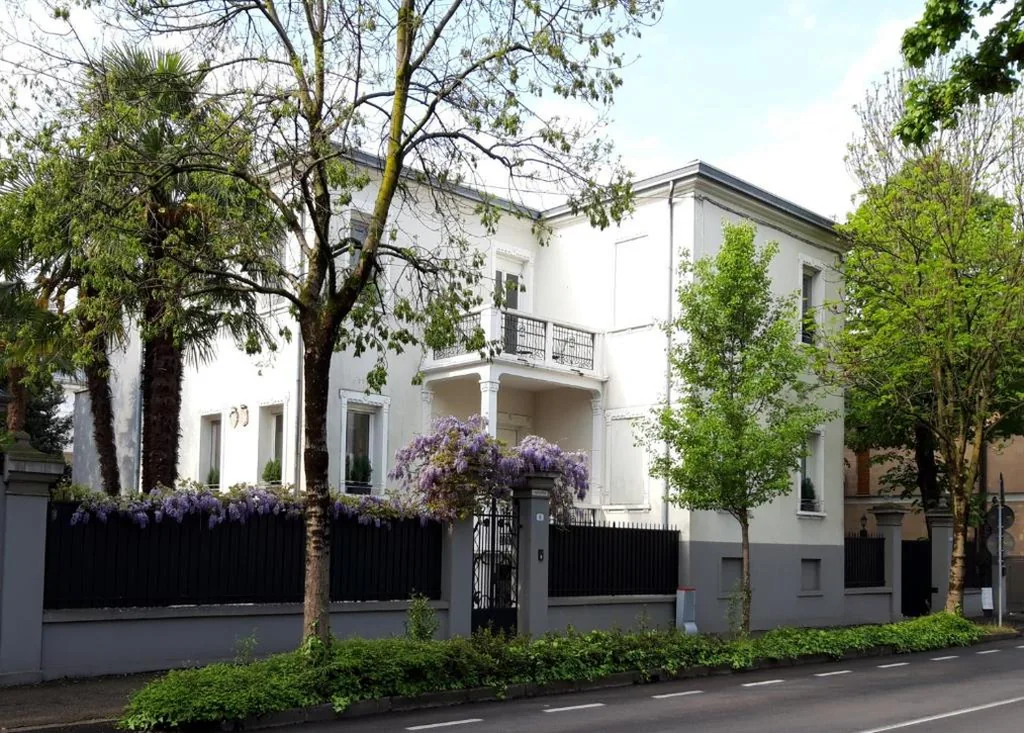
Villa Fiorentino
A welcoming guesthouse in the heart of Padua, with free private parking and an inner garden. It combines the convenience of parking — a precious rarity in the centre — with proximity to the monuments: the right choice for those arriving by car without giving up centrality.
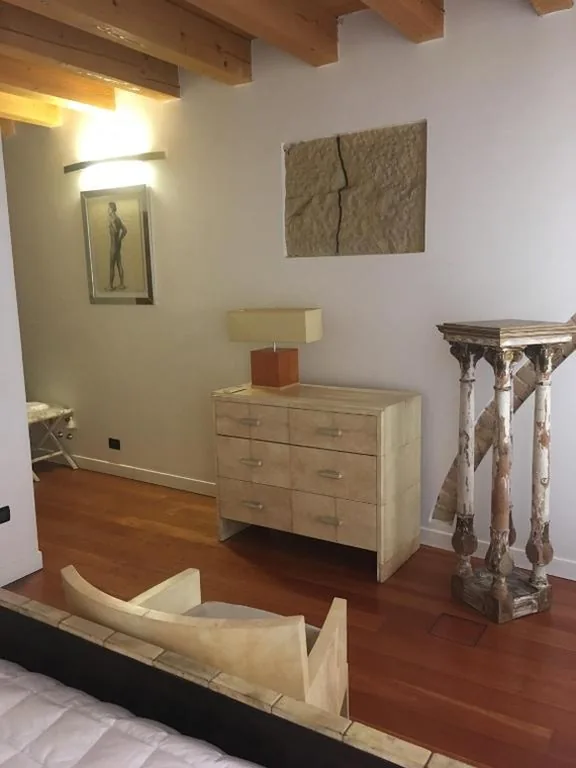
Ciao Amore
A welcoming property in the historic centre, a very short distance from the Basilica of Saint Anthony and Prato della Valle. Well-kept and well located along the historic Via del Santo, it’s a convenient and pleasant base for discovering the monumental heart of the city on foot.
What to see and how to get around
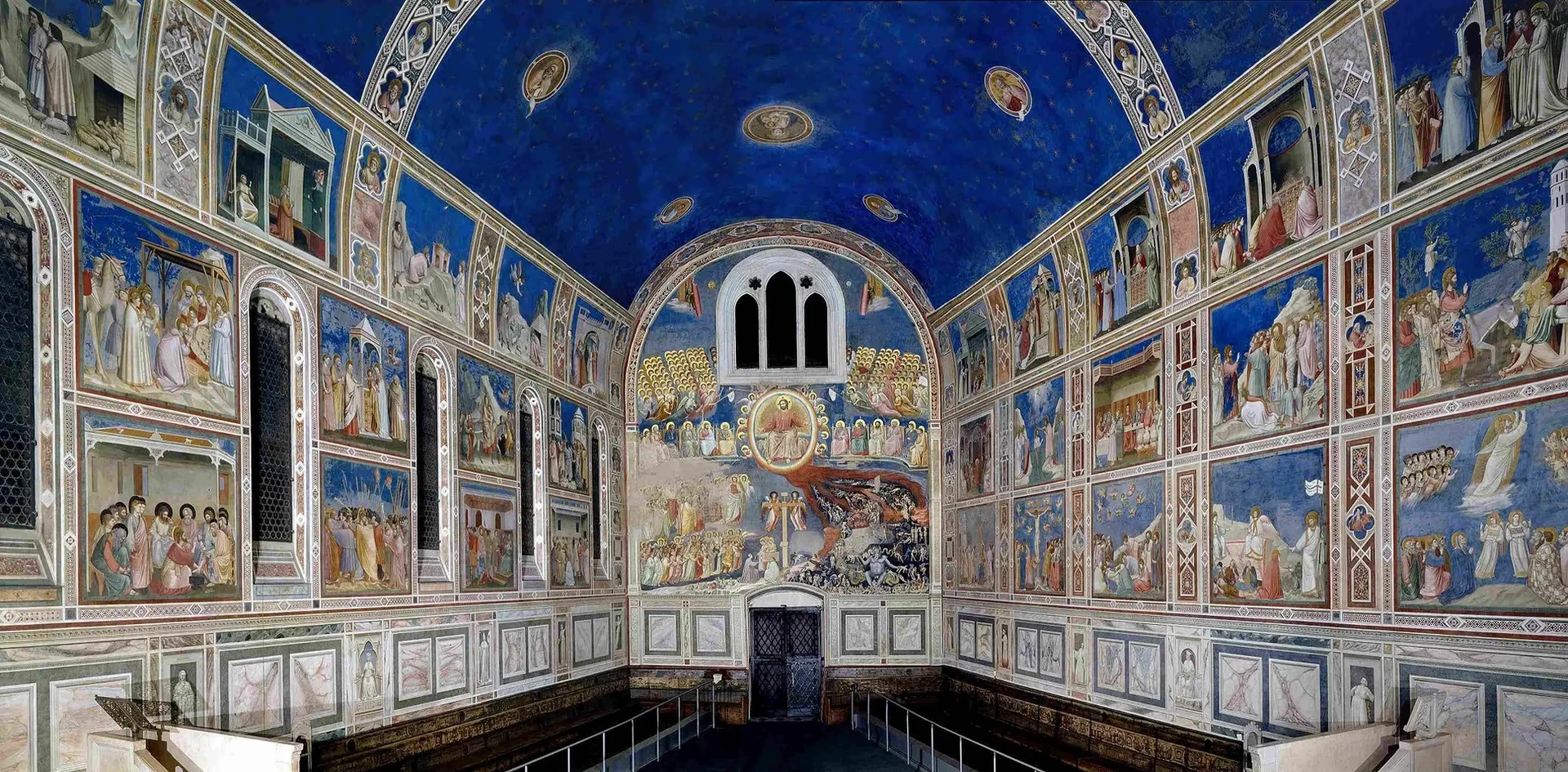
Padua’s absolute masterpiece is the Scrovegni Chapel, with Giotto’s fresco cycle: a peak of Western art, where the painter forever revolutionised the way human emotions are represented. The visit is limited in numbers and requires advance booking, with timed entries in small groups, so it’s best to organise before you leave. The city is part of the UNESCO site Padova Urbs picta precisely for its extraordinary 14th-century fresco cycles, spread across eight different sites.
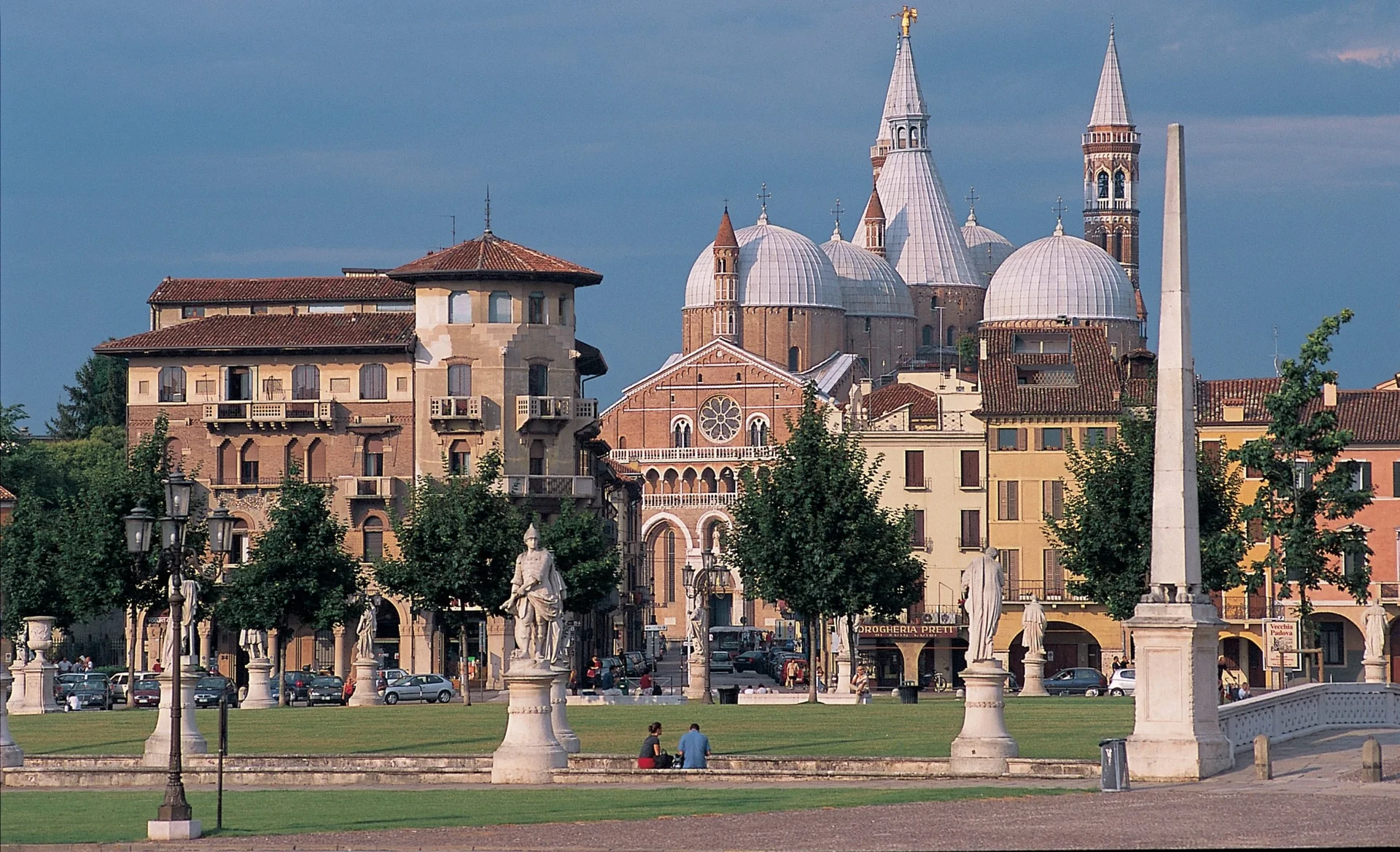
Besides the Chapel, don’t miss the Basilica of Saint Anthony, with the Saint’s relics and Donatello’s masterpieces, a destination for millions of pilgrims each year; the Palazzo della Ragione with its great frescoed hall, suspended above the lively market squares; the Botanical Garden — the oldest university botanical garden in the world, also a UNESCO site — and the famous Caffè Pedrocchi, a historic haunt of intellectuals. A stroll among Piazza delle Erbe and Piazza della Frutta, at aperitivo time, completes the picture of a cultured yet surprisingly lively city.
Padua is comfortably visited on foot: the centre is compact and well served, with a modern tram crossing the city. Those arriving by train get off at the central station, a few minutes’ walk from the Scrovegni Chapel and well connected to Venice (half an hour) and all of Veneto. Those arriving by car must bear in mind the traffic restrictions in the centre: it’s best to choose a property with parking or use the park-and-ride facilities. To plan your travel in the region, see the guide on how to get to Veneto.
Thanks to its position, Padua is a perfect base for day trips: besides Venice, half an hour by train, you can easily reach the Euganean Hills with the spas of Abano and Montegrotto, nearby Vicenza and the walled towns like Montagnana and Este. A city that combines art, spirituality and university life, ideal both for a cultural weekend and as a starting point for exploring the area.
One last practical tip. If you plan to visit several museums and monuments, consider the city cards, which often include the Scrovegni Chapel and the main sites and can save money. The shoulder seasons — spring and autumn — are ideal for enjoying the city with pleasant weather and fewer crowds, while the atmosphere of the centre during the university months, between October and May, is particularly lively. In all cases, booking your accommodation a little in advance guarantees more choice and better prices, especially at weekends and during the great festivals linked to the Saint, when Padua welcomes many pilgrims.
This guide is part of our journey through the region: discover all the areas and destinations in Where to Stay in Veneto.
Frequently asked questions
Quick answers to the questions we’re asked most often about where to stay in Padua.
What’s the best area to stay in Padua?
The historic centre is the best choice: compact and largely pedestrian, it lets you reach the Scrovegni Chapel, the market squares, Prato della Valle and the Basilica of Saint Anthony on foot. It’s also the liveliest area, animated by the university students. Those arriving by car or seeking lower prices can choose a property just outside the centre, with parking, while still being a few minutes from the monuments.
Is Padua a good base for visiting Venice?
Yes, excellent. Padua is about half an hour by train from Venice, with very frequent connections, and offers on average lower prices than the lagoon city. Many choose Padua as a base to visit Venice on a day trip, adding the Euganean Hills, the spas, Vicenza and the walled towns. It’s a smart solution for those wanting to combine several Veneto destinations while saving on accommodation.
Do I need to book for the Scrovegni Chapel?
Yes, absolutely. The visit to the Scrovegni Chapel, with Giotto’s frescoes, is limited in numbers and can only be made by booking, with timed entries in small groups. It’s best to book online in advance, especially in high season and at weekends, when slots sell out fast. It’s the city’s absolute masterpiece and well worth the planning.
How do you get around Padua?
Padua is comfortably visited on foot: the historic centre is compact and concentrates all the attractions. The city is also served by a modern tram and buses. Those arriving by train get off at the central station, a few minutes’ walk from the Scrovegni Chapel. Those arriving by car must bear in mind the traffic restrictions in the centre and should choose a property with parking or use the park-and-ride facilities.
How many days do you need to visit Padua?
To see the heart of Padua one or two days are enough: the Scrovegni Chapel, the Basilica of Saint Anthony, Prato della Valle, the market squares and the Botanical Garden are comfortably visited on foot. With an extra night or two you can add trips to Venice, the Euganean Hills and the spas, or the nearby towns. Padua is an ideal base for a stay that combines art and territory.
Where to stay in Padua for a pilgrimage to the Saint?
Those visiting Padua for the Basilica of Saint Anthony find the ideal accommodation in the Saint and Prato della Valle area, a short walk from the shrine. Several properties overlook the square directly or are located along the historic Via del Santo, handy for reaching the basilica on foot. It’s a quiet and evocative area, perfect both for pilgrims and for those seeking a central, well-connected base.