
Trieste is a border city like few others in Italy: Mitteleuropean at heart, Italian by recent history, with the Habsburg imprint of the old free port still legible in every façade. Here the sea flows right into the main square, the historic cafés are literary institutions, and the bora wind is part of the character. This is the city of Svevo, of Saba and of a James Joyce who lived here for years; and today it is very much on the rise, with over two million overnight stays in 2025 and double-digit growth. Here you’ll find where to stay best, with the small places we choose one by one, never by hearsay.
Its drawing room is Piazza Unità d’Italia, the largest sea-facing square in Europe, framed on three sides by grand palaces and open to the gulf at the Molo Audace pier. Behind it the Old Town climbs to San Giusto hill, with its cathedral and castle; in front lies the Borgo Teresiano, the 18th-century grid cut by the Canal Grande. Just outside, along the coast, Miramare castle is the most visited cultural site in the region, and the Barcola seafront is the city beach of the Triestini.
Where to stay depends on what you’re after and how you’ll get around. In short: the Old Town and Borgo Teresiano to be in the thick of it and walk everywhere; Piazza Unità and the centre for the most scenic setting; San Giusto hill for history and quiet a few steps from the centre; Barcola, Miramare and the gulf for the sea and swimming; the Karst for greenery, silence and views. Let’s look at the best areas, one by one, with the places we recommend in each.
Old Town and Borgo Teresiano
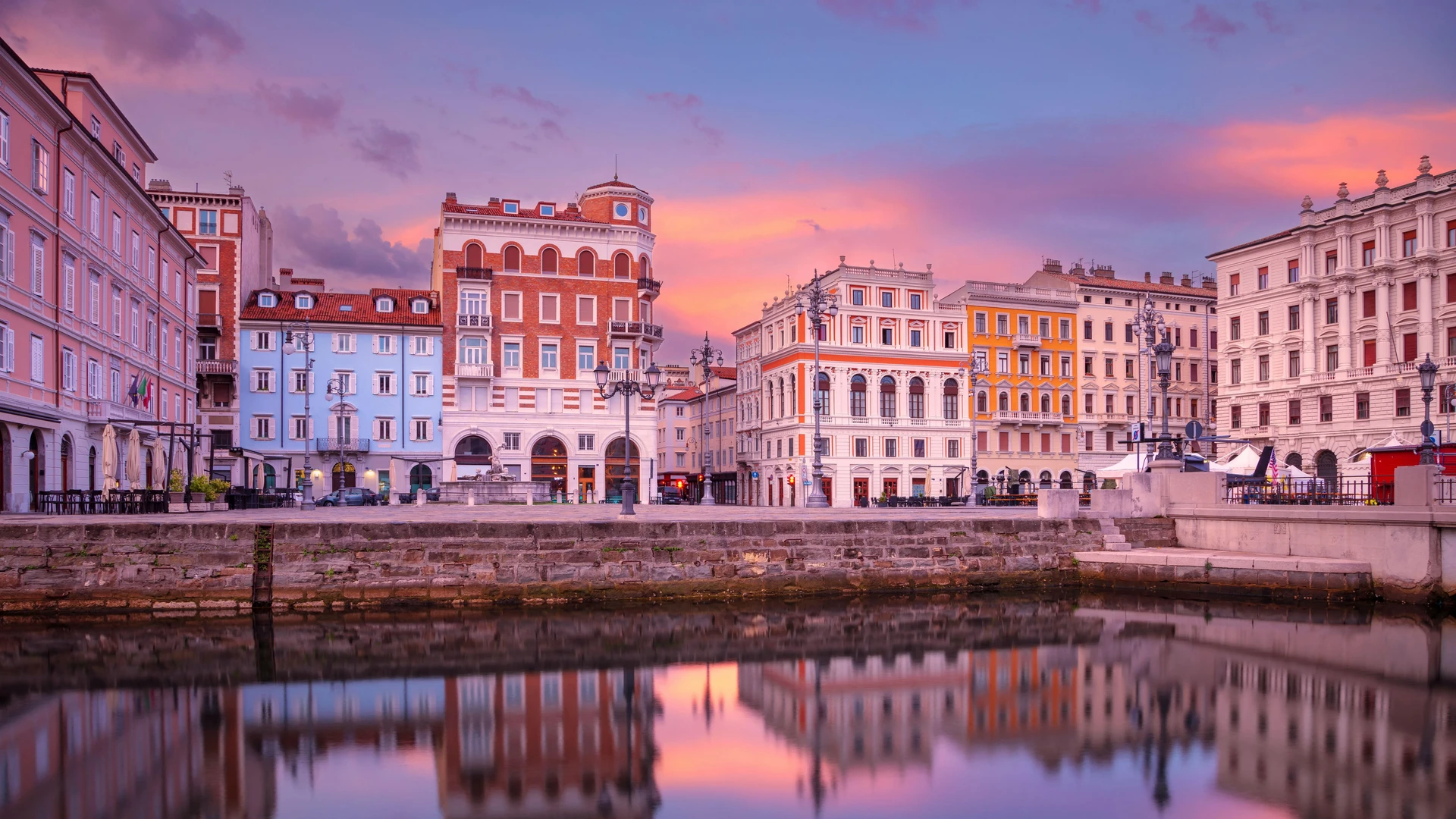
This is Trieste’s living historic centre, split into two neighbouring souls. The Old Town is the maze of medieval lanes climbing towards San Giusto, past the Roman Arch of Riccardo and the Roman Theatre. The Borgo Teresiano, on the other side, is Habsburg Trieste of straight streets, with the Canal Grande, the Serbian Orthodox church and the Ponterosso: this is where the shops, bars and everyday life gather.
It’s the right choice for those who want everything within walking distance, without ever taking transport. Worth keeping in mind:
- All on foot: Piazza Unità, the port and the central station are minutes away.
- Lively atmosphere: the Borgo Teresiano is the busiest area at night, between cafés and taverns.
- Handy if you arrive by train: the station sits at the edge of the Borgo.
The three addresses we choose here:
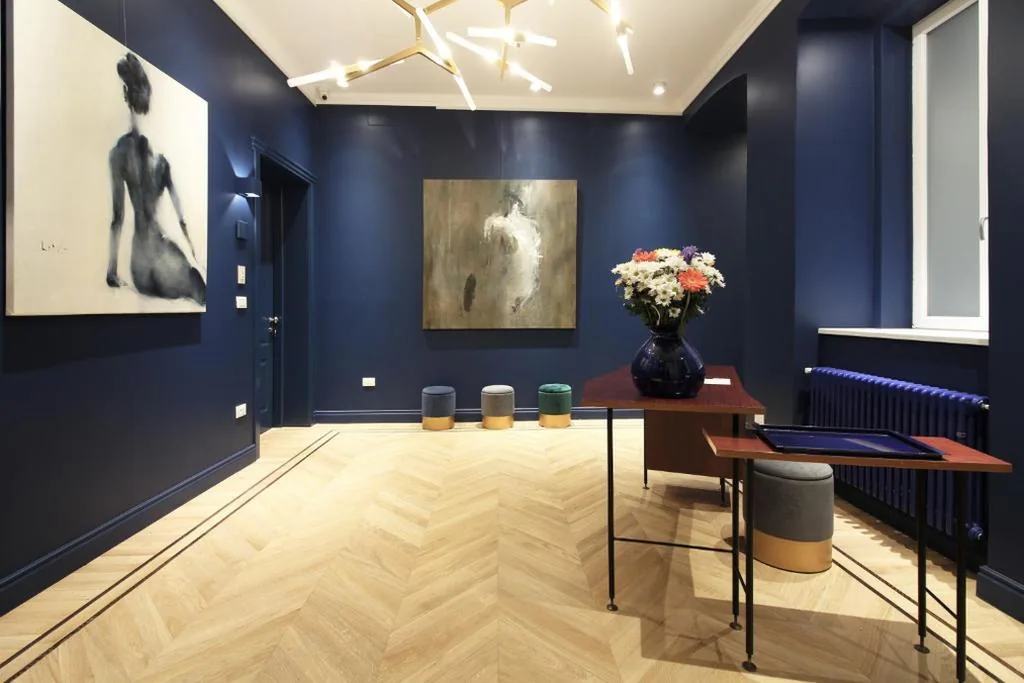
Le Porte Blu
Apartments with kitchenette on Via Valdivirio, in the heart of the Borgo Teresiano, a few minutes’ walk from Piazza Unità and the Canal Grande. The comfort of having space and your own kitchen while staying right in the centre, with everything on foot. Ideal for a stay of a few days and anyone who loves the independence of a home in the city.
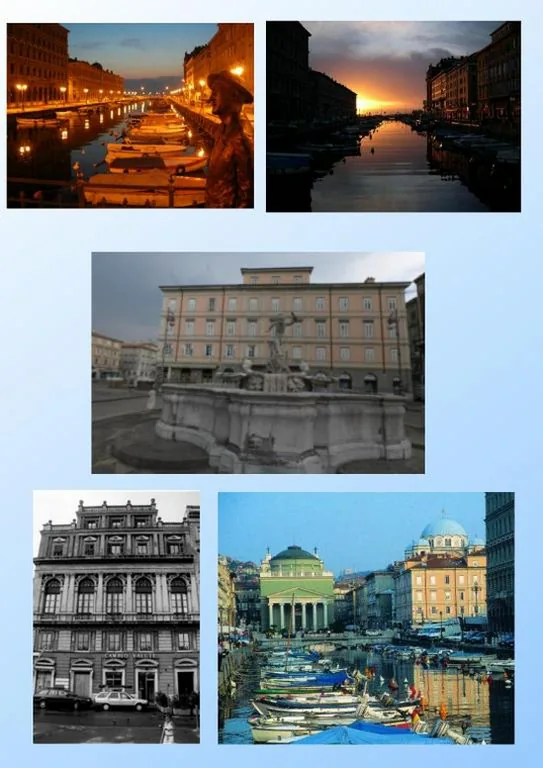
AL PONTEROSSO
A bed and breakfast looking straight onto Piazza del Ponterosso, the most photographed spot on the Canal Grande. You wake to the water and the Habsburg palaces, with bars and shops right downstairs. Perfect for anyone who wants the liveliest, most theatrical corner of the centre, with Piazza Unità a couple of minutes away.
Residence Piazza Giotti 8
Air-conditioned apartments with their own kitchen on Piazza Giotti, halfway between the Borgo Teresiano and Piazza Unità. The residence format gives independence and space — useful for families or longer stays — while keeping you dead centre. A good middle ground between a home and a hotel, with the essentials always to hand.
Piazza Unità and the centre
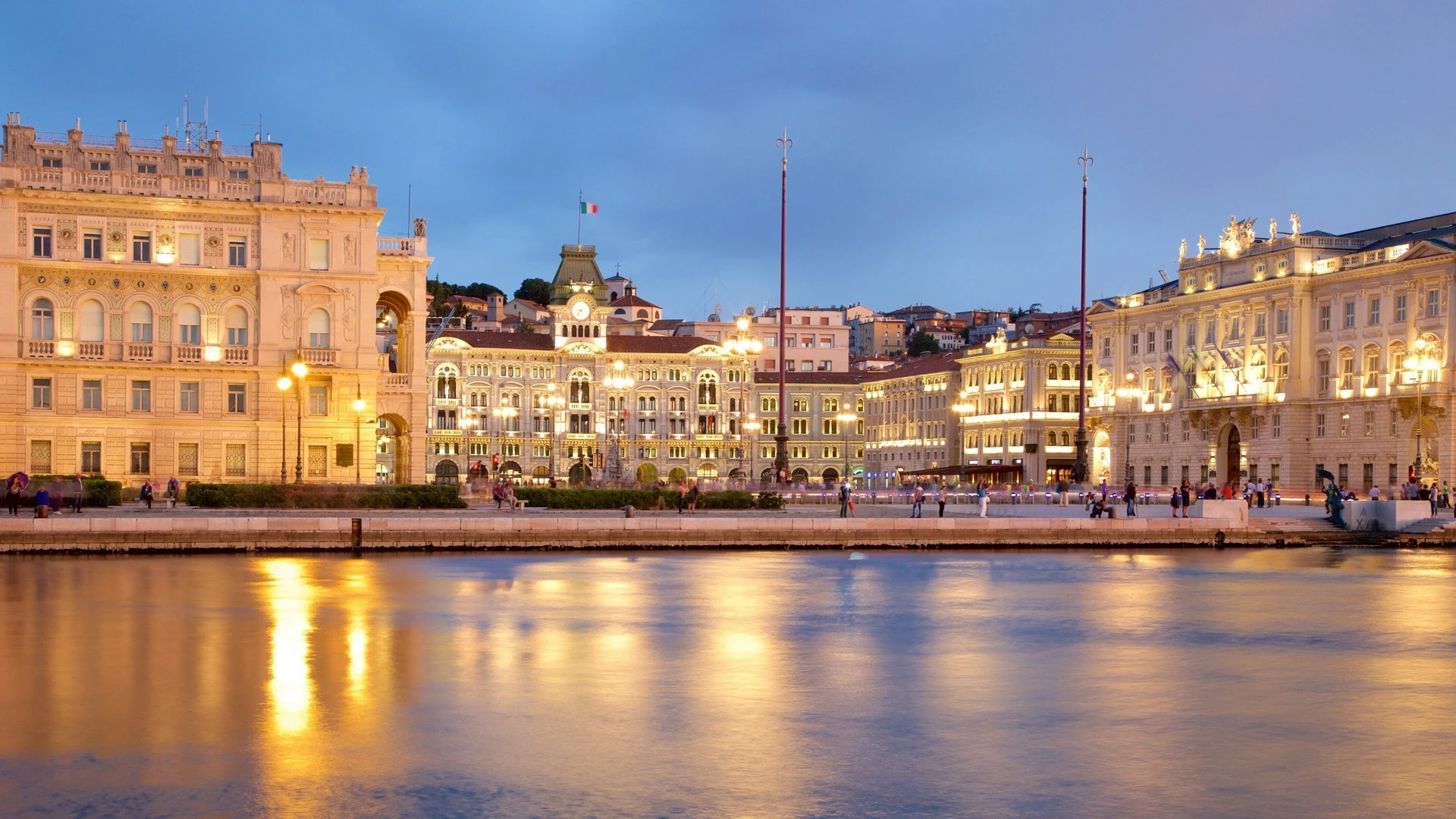
This is Trieste’s grand heart: Piazza Unità d’Italia with the town hall, the insurance palaces and the Molo Audace reaching into the gulf, and around it the grid of elegant streets up to the Borsa and Via San Nicolò. Here are the historic cafés — from Caffè degli Specchi to San Marco and Tommaseo — which in Trieste are genuine places of culture, not just bars.
Staying in this area means having the finest view the moment you step out of the door, with the sea, the museums and the best bars a few steps away. It’s also the ideal base for those arriving by cruise ship, since the Maritime Station faces right onto it. The three choices we recommend:
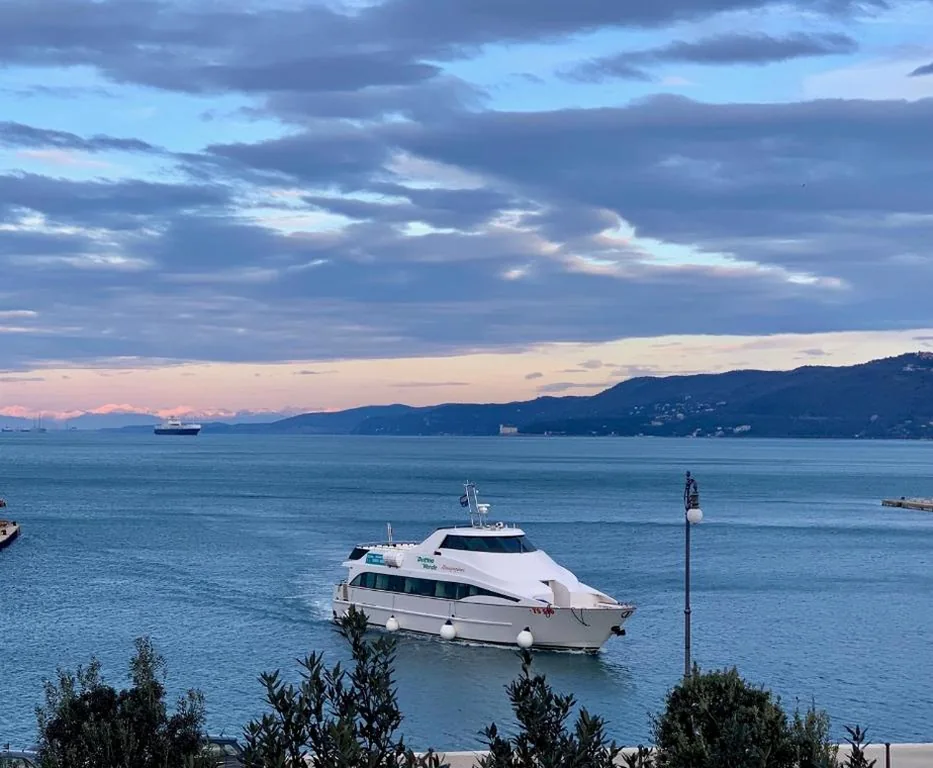
Five Flowers Guest House
A refined guest house on Via Cadorna, a couple of minutes from Piazza Unità, with air-conditioned rooms and some looking onto the sea. The location is the kind that makes the trip: step out and you’re already in the city’s drawing room. Ideal for a couple after the best of the centre, between historic cafés and walks along the pier.
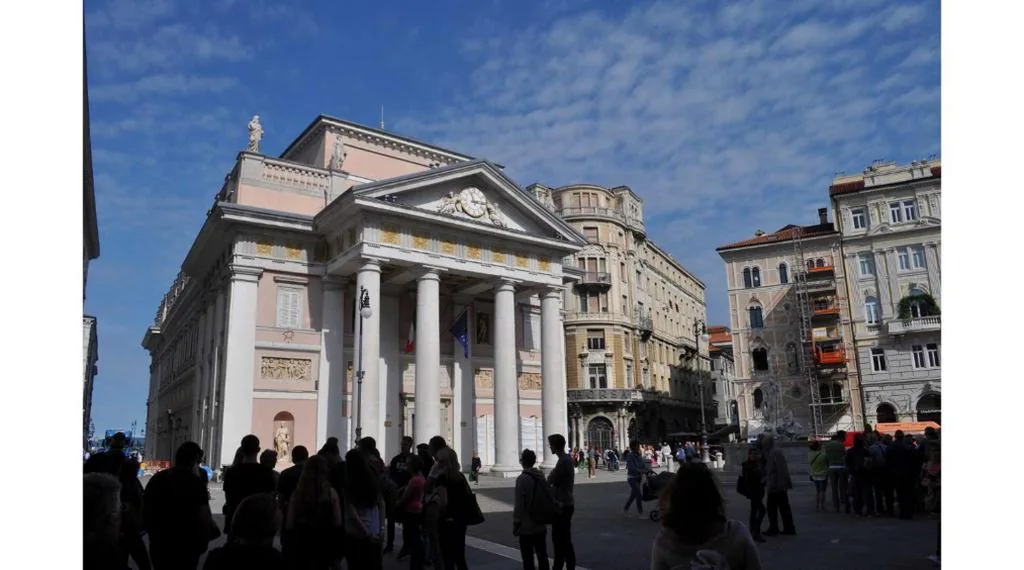
UNICA nel cuore storico di Trieste
A carefully kept bed and breakfast on Piazza della Borsa, in the pedestrian island a couple of steps from Piazza Unità, with a generous breakfast and air-conditioned rooms. You sleep in the most central and quiet spot at once, with the old town and the port within walking reach. Perfect for those who want a little pampering and a proper breakfast to start the day.
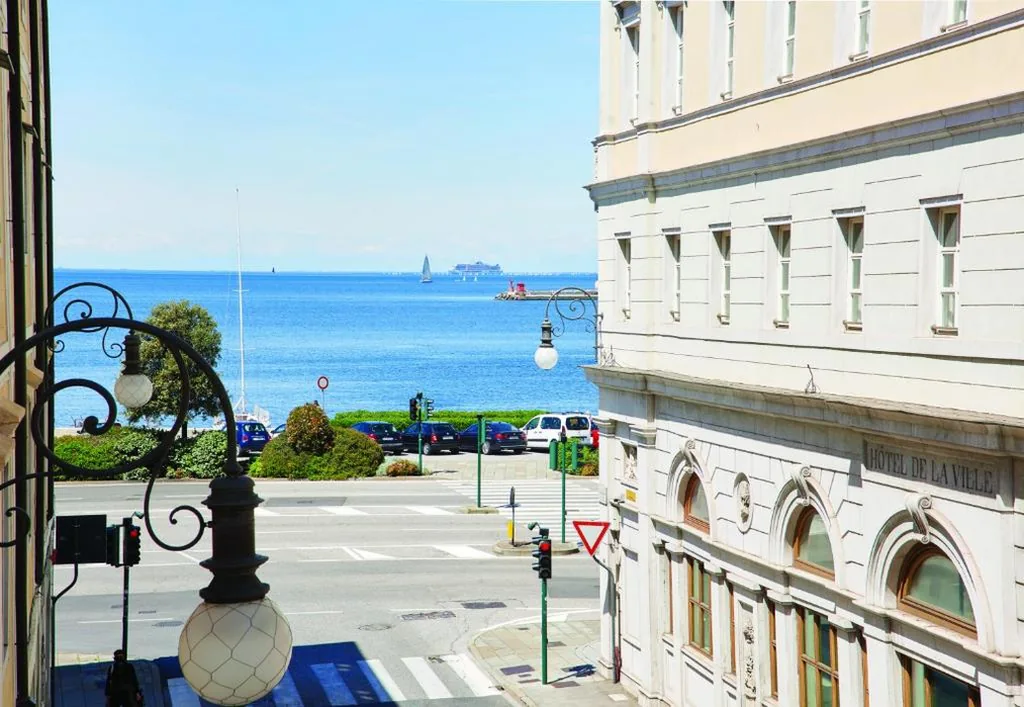
YouMe Design Place Hotel
A design hotel on Via Mazzini, one block from Piazza Unità, with modern interiors and the convenience of a proper front desk. It’s the choice for anyone who prefers the services of a hotel — with a dead-central location — over the more homely formats. Well suited to business travellers who want everything close at hand.
From here, all the properties in the city: all hotels in Trieste →
San Giusto hill
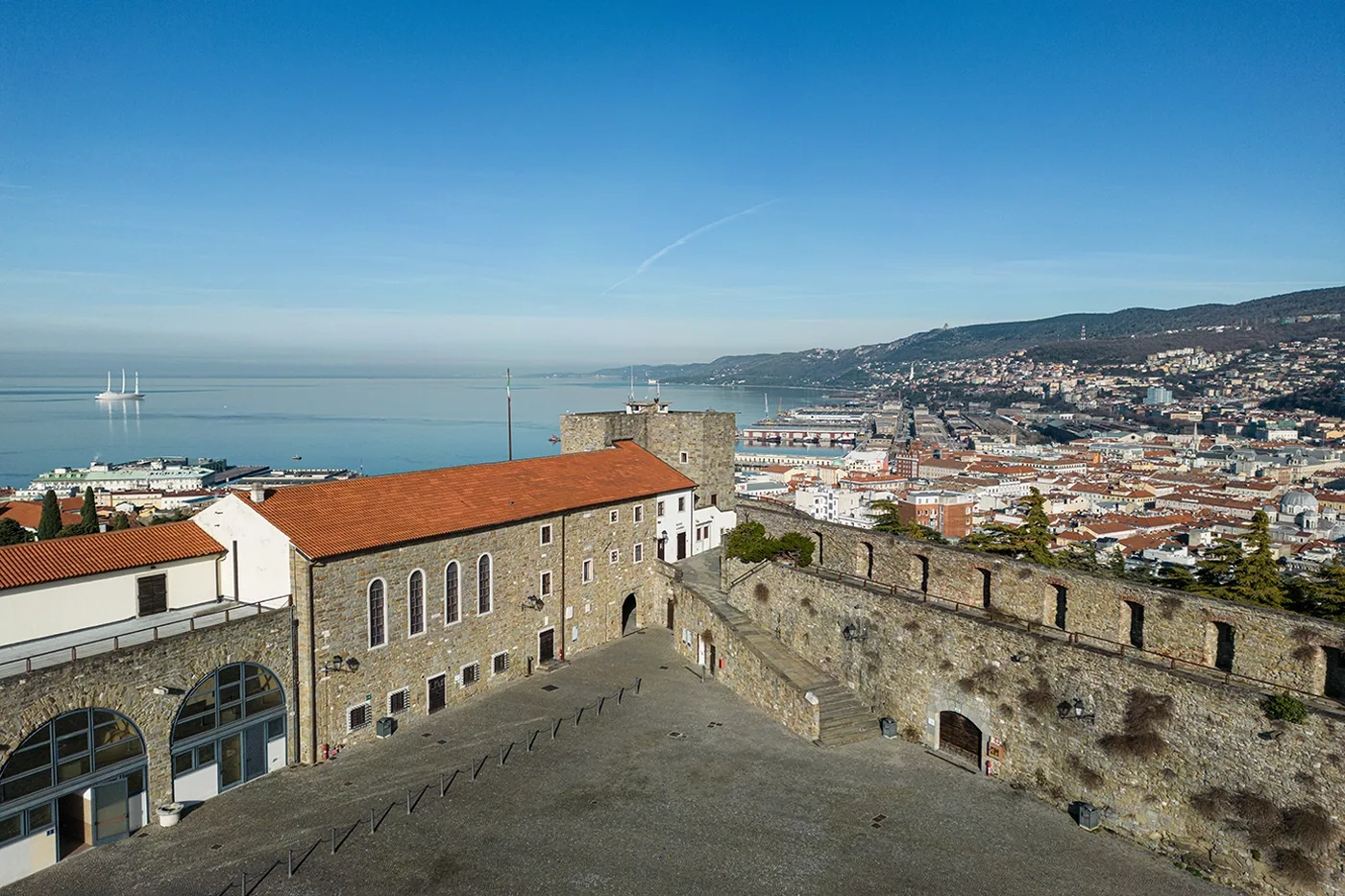
San Giusto hill is the oldest Trieste: the Romanesque cathedral, the castle with its panoramic ramparts, the Roman Theatre at its foot. Beside the cathedral, the Orto Lapidario gathers the city’s Roman finds, while from the castle ramparts the eye takes in the port, the rooftops and the sea as far as Istria. Coming up here gives the finest view over the gulf, and in the evening the area is quiet, almost tucked away from the centre pulsing just below.
It’s the choice for those who love history and calm, without giving up on being close: from the hill you walk down to the centre in ten minutes. The two places we recommend, between the hill and the old town at its foot:
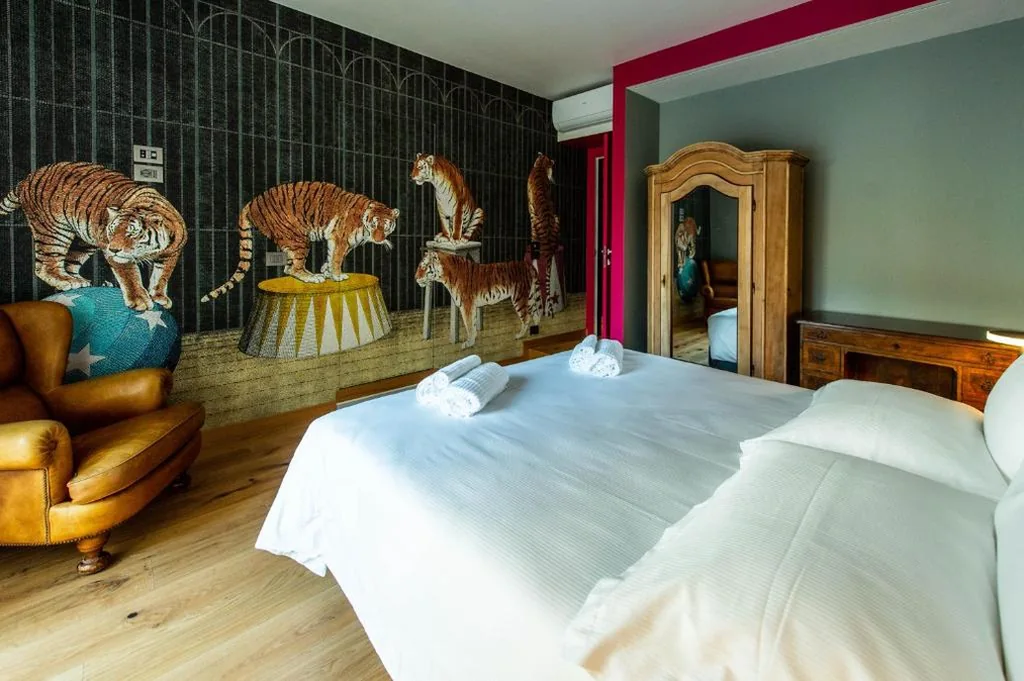
The Lion’s Den BnB
An air-conditioned bed and breakfast a short distance from San Giusto hill, with a buffet breakfast and a shared lounge for guests. A good base for combining the centre with the climb up to the castle and cathedral, with the old town right below. Welcoming and well run, made for a holiday without a care.
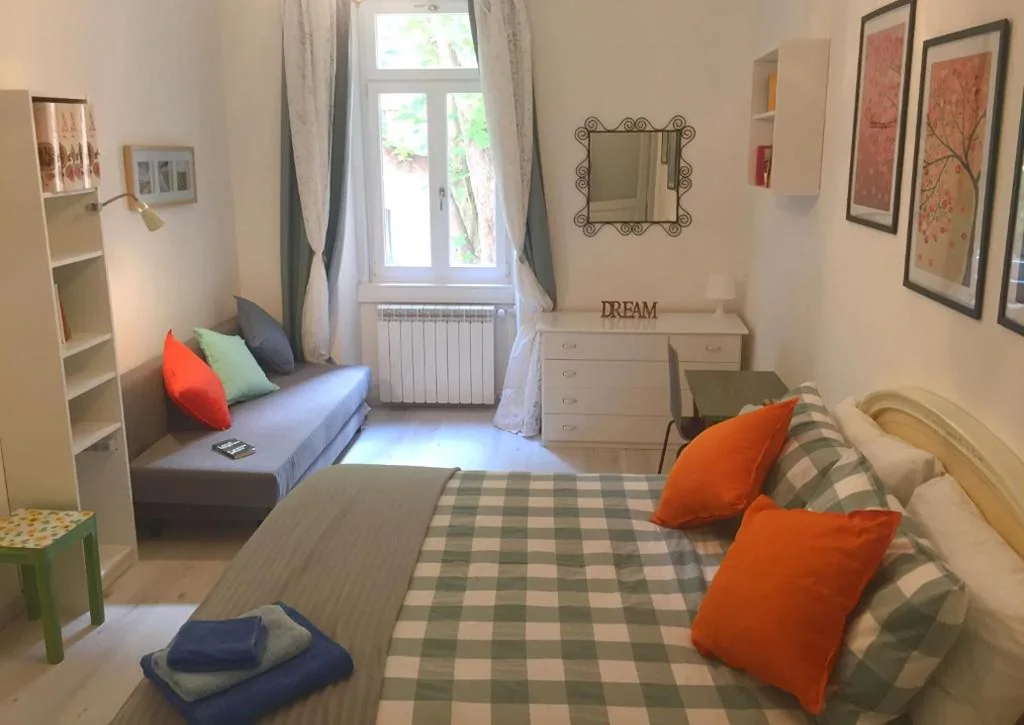
Rivabahn
A holiday home with its own kitchen and a leafy outlook on Via della Cereria, between the old town and San Giusto hill, a short walk from Piazza Unità. The independence of a house with a touch of quiet, while still being right in the centre. Suited to those who want space and a calm corner after a day out and about.
Barcola, Miramare and the gulf
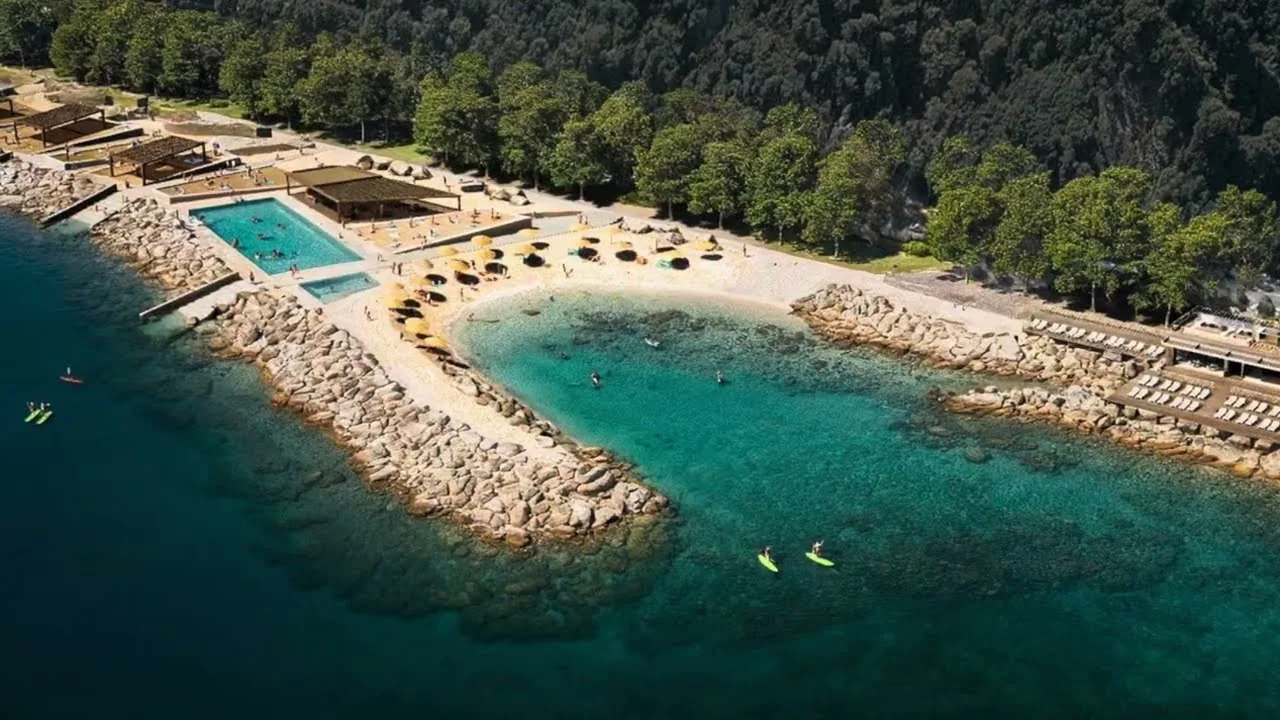
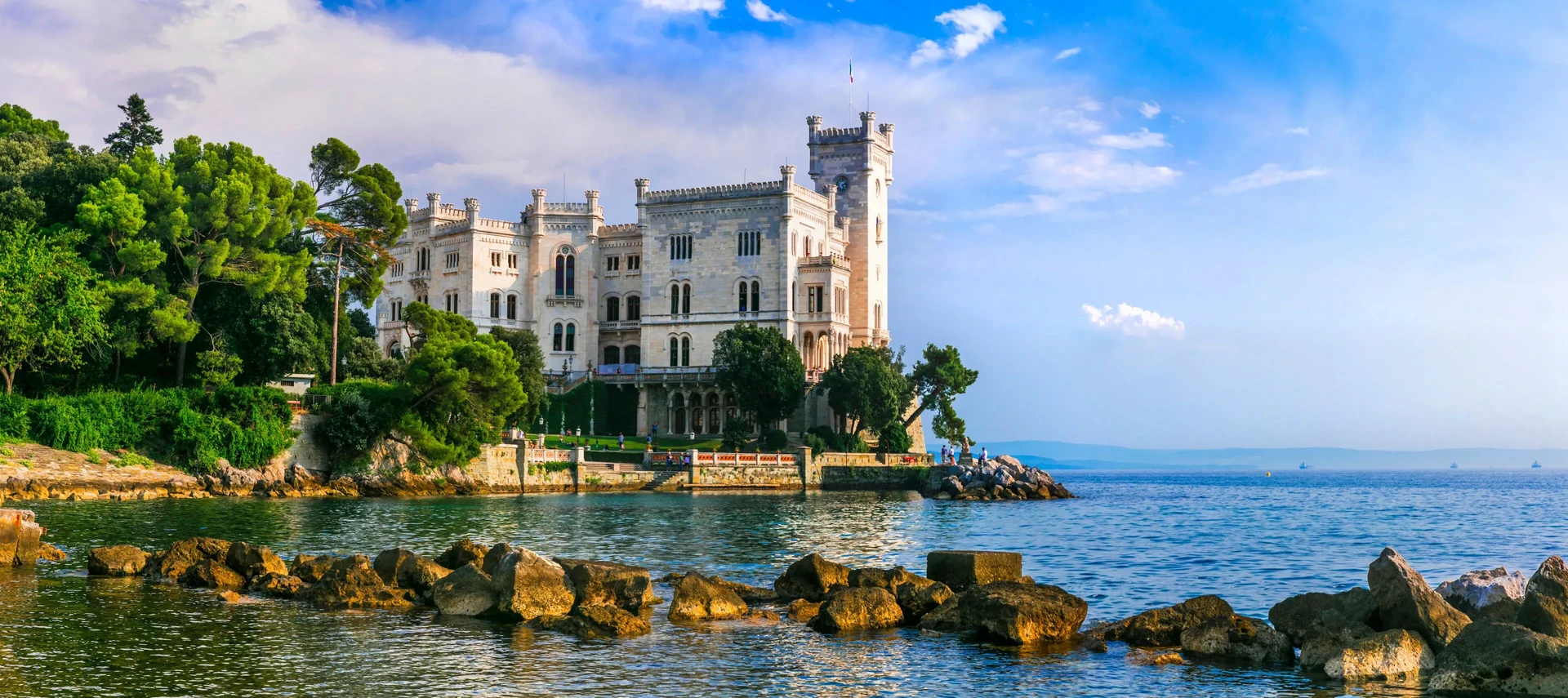
North-west of the centre the city spreads out along the sea: the Barcola seafront is the city beach, a promenade of terraces and pines where the Triestini swim from May to September, and from there the coast road leads to Miramare castle, the Habsburg residence on its headland, with a park and a marine reserve. It’s the most visited site in Friuli-Venezia Giulia, and every October the Barcolana — one of the most crowded regattas in the world — sets off from Barcola.
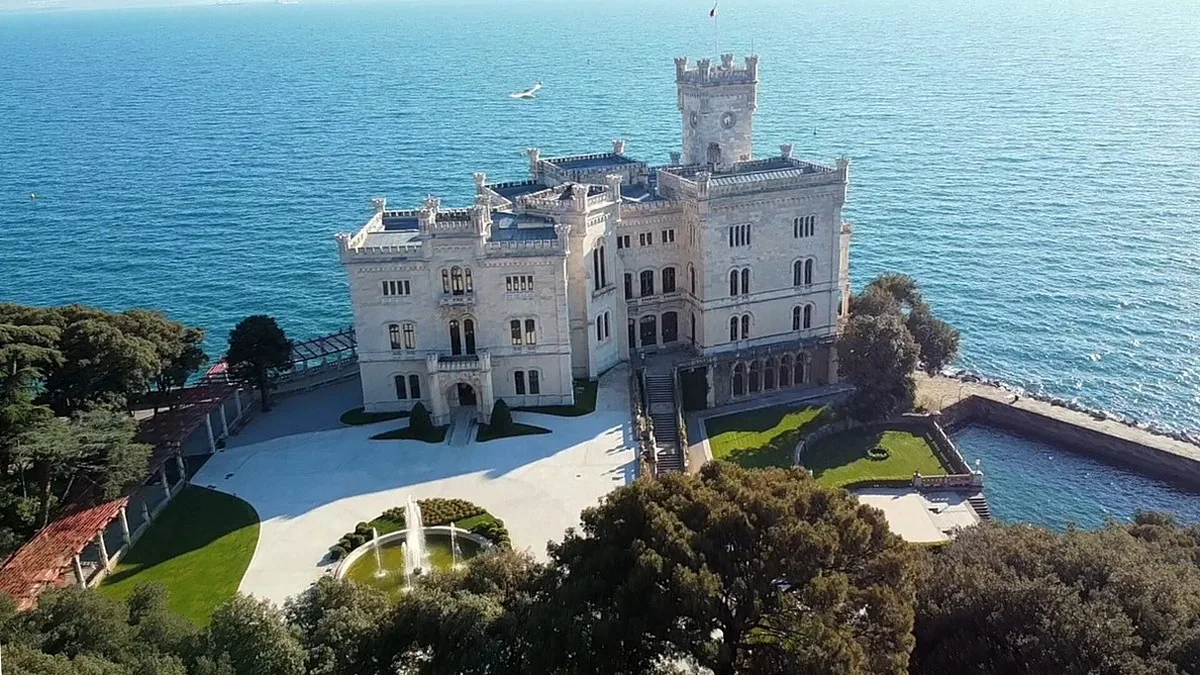
This coastal strip is perfect for anyone who wants the sea in the city: a morning swim, the centre reachable by bus or by bike along the shore. It’s a more residential, airy area, excellent in summer. The two places we choose along the seafront towards Miramare:
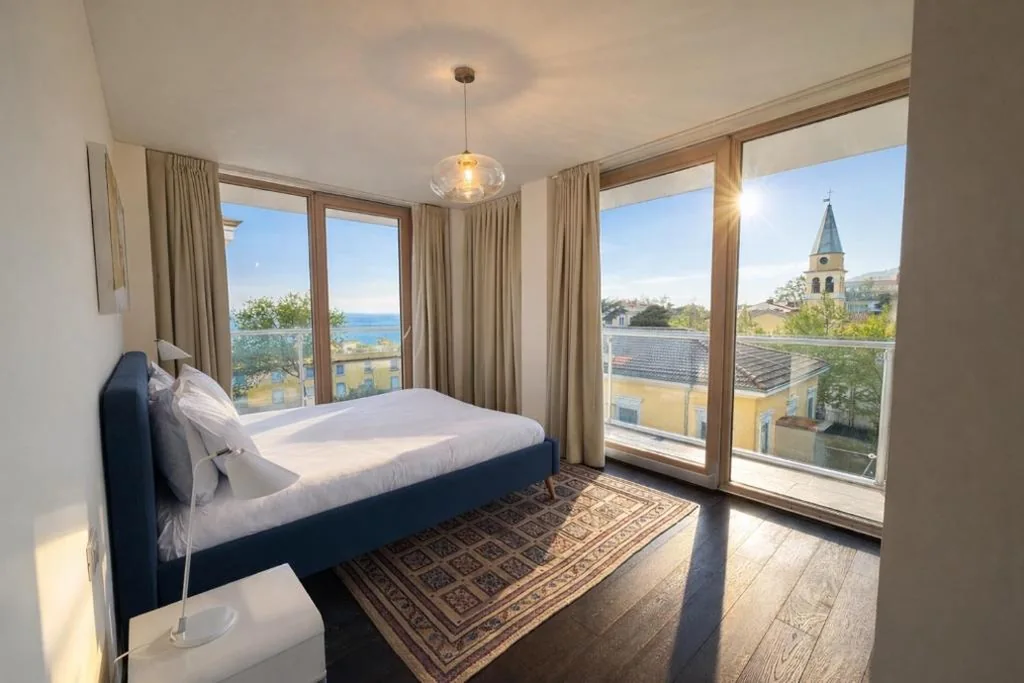
Panorama Apartment
An apartment on Viale Miramare, along the coast linking Barcola to the castle, with the convenience of your own kitchen and the sea in front. You wake to the gulf and have the Barcola beach within a stroll, with the centre reachable by bus. Ideal in summer, for anyone who puts a morning swim at the top of the list.
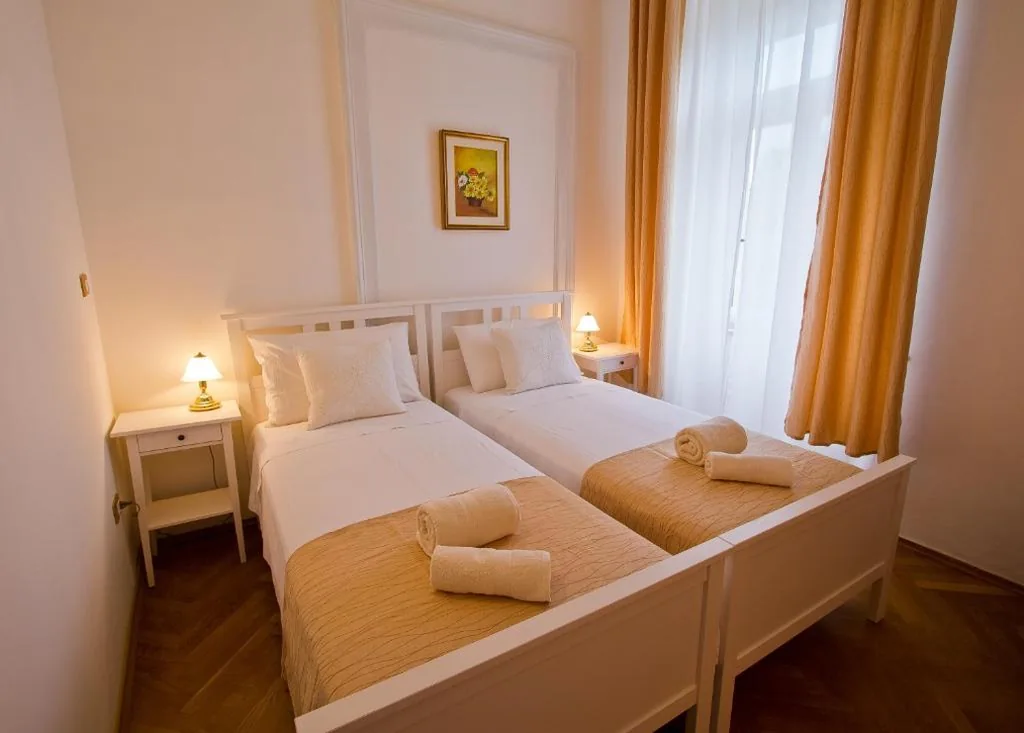
Golden Rooms Bed & Breakfast
A bed and breakfast on Viale Miramare, between the centre and Barcola, with air-conditioned rooms and the coast a couple of steps away. It sits on the sea route yet stays close to the city — a good balance between beach and centre. Suited to those who want the gulf in front without straying too far from the city walks.
The Trieste Karst
Behind the city opens the Karst plateau: white stone, woods, sinkholes and villages looking over the gulf — Prosecco, Contovello and Santa Croce, plus Villa Opicina reachable from the centre. This is rural, Slovene-speaking Trieste, the land of the osmize — farmhouse cellars that open in rotation — and of the Grotta Gigante, among the largest show caves in the world.
Sleeping on the Karst makes sense for those after:
- Quiet and nature: silence, fresh air and panoramic trails over the gulf.
- Authentic food and wine: osmize, cured ham and Karst wines such as Vitovska.
- Space and parking: handy if you arrive by car and want to breathe after days in the city.
Bear in mind you’ll need a car or the bus for the centre. The two places we recommend on the plateau:
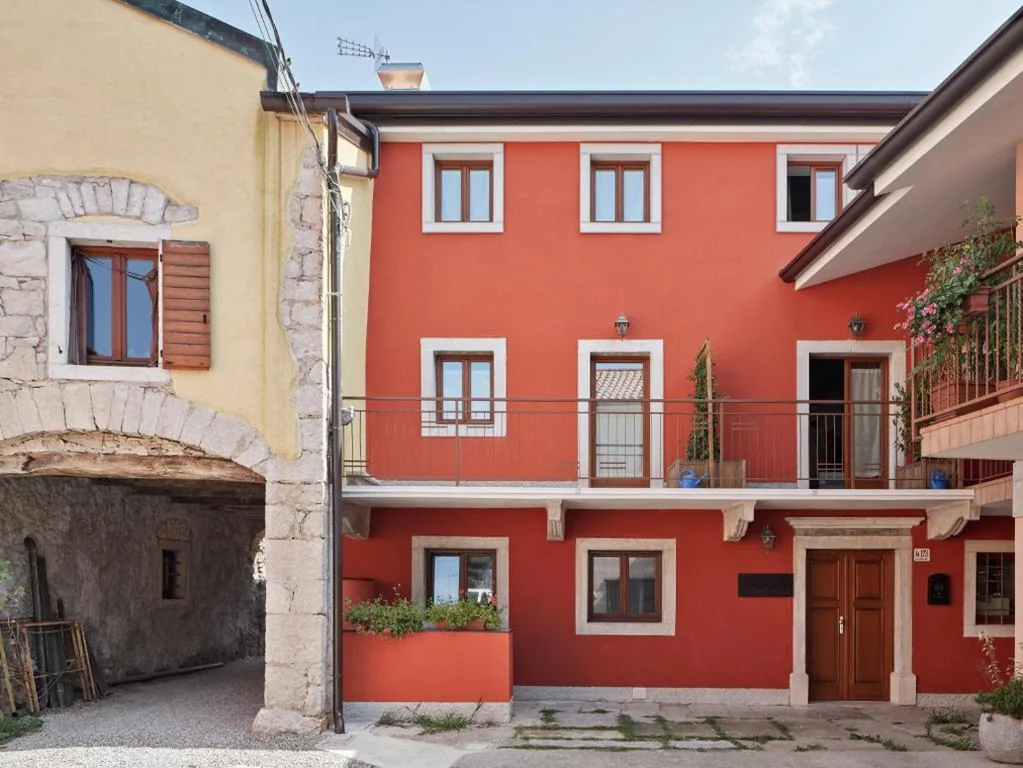
Crocevia — Locanda carsica contemporanea
A contemporary Karst inn at Santa Croce, between garden and bright rooms, not far from the Lido and Miramare castle. It pairs the silence of the plateau with the closeness of the sea, and home cooking is the added value. Ideal for those who want Trieste’s rural soul without giving up the coast.
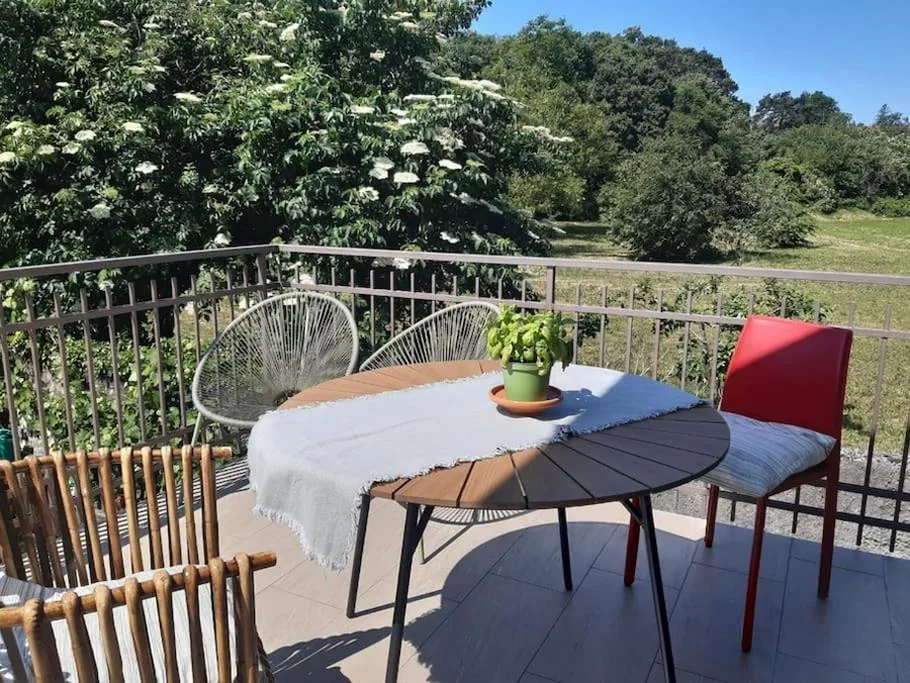
Casa vacanze a Prosecco
A detached house with garden, terrace and free parking in the village of Prosecco, on the heights over the gulf. All to yourself, a few minutes’ drive from Miramare castle and the Karst osmize. Perfect for a family or small group wanting a quiet base, space and a view.
When to go
Trieste is a year-round destination, but each season has its own character. Spring and autumn are the best time for the city: mild weather, lovely light and fewer crowds, ideal for cafés, museums and walks along the pier. Summer is the sea season, with Barcola packed with bathers and long days: hot, but tempered by the breeze. Winter is the season of the bora, the downslope wind that can blow hard for days; it’s part of the Trieste experience, but pack something warmer.
One date marks the calendar: the Barcolana, the great autumn regatta that fills the gulf with sails. In 2026 it’s the 58th edition, with a week of events from 2 to 11 October and the race on the second Sunday of the month. In those days the city is festive but full: if you want to be there, book well ahead; if you’re after quiet, better to avoid it.
How to get there
Trieste is well connected. By air you arrive at Trieste-FVG airport at Ronchi dei Legionari, which has its own railway station on the Venice-Trieste line, so you carry on from the airport by train. By train the central station sits at the edge of the Borgo Teresiano, a few minutes’ walk from Piazza Unità; by car the A4 motorway links the city with Venice and the rest of the north-east.
In town the best way to get around is on foot, backed up by the urban bus network that reaches Barcola, Miramare and the Karst. The historic Opicina tram, which used to climb the plateau, has long been affected by works: it’s worth checking its status before relying on it. For the full picture on the airport, trains and roads of the region: how to get to Friuli-Venezia Giulia. From Trieste you can easily reach Grado and the coast, and in a little over an hour Gorizia and the Collio.
This guide is part of our grand tour of the region: discover all the destinations and areas in Where to Stay in Friuli-Venezia Giulia.
Frequently asked questions
Quick answers to the questions we’re asked most about where to stay in Trieste.
Which is the best area to stay in Trieste?
For a first visit the Old Town with the Borgo Teresiano is the most convenient: everything is on foot, between Piazza Unità, the Canal Grande and the station. If you want the finest view, stay on Piazza Unità and in the centre; for history and quiet, choose San Giusto hill; for the sea, go to Barcola towards Miramare; for greenery and silence, head up onto the Karst.
Is it worth staying in Trieste without a car?
Yes. The centre is very walkable and the station is central, a couple of steps from Piazza Unità. Urban buses link Barcola, Miramare and the Karst, and the airport has a direct train. A car mainly helps if you choose to sleep on the Karst plateau or want to explore the surroundings, from the Collio to Grado.
Barcola or Miramare for the sea?
The Barcola seafront is the city beach of the Triestini, a promenade of terraces and pines where people swim from May to September, and from there the coast reaches Miramare castle in minutes. It’s the right area in summer: a morning swim and the centre reachable by bus or bike. Out of season, it’s better to stay in the centre.
What is the Barcolana and when is it held?
It’s Trieste’s great sailing regatta, one of the most attended in the world, which every October fills the gulf with sails off Barcola. In 2026 it’s the 58th edition, with a week of events from 2 to 11 October and the race on the second Sunday of the month. The city is full in those days: if you want to be there, book well ahead, and always check the official dates before planning.
Is Trieste a good base for the Karst and Slovenia?
Excellent. The Karst plateau, with its villages, osmize and the Grotta Gigante, begins just above the city, and the Slovenian border is a few kilometres away. Staying in Trieste you can alternate city days with trips onto the plateau and short hops across the border, by car or public transport. For longer excursions in the region, the centre is still the handiest base.