
Friuli-Venezia Giulia is a region of surprising variety: in a small patch of land, at the crossroads of the Latin, Slavic and Germanic worlds, it brings together the Adriatic sea, the Alps, the wine hills and art cities of Central-European charm, all reachable in one or two hours. It’s one of Italy’s most authentic and least crowded destinations, often described as the quiet alternative to nearby Veneto, and in recent years it has posted record numbers, with around eleven million overnight stays in 2025. Here you’ll find where to stay best, area by area, with the small places we choose one by one, never by hearsay.
Where to stay depends on the holiday you dream of: the city and coffee culture in Trieste; the beach and families in Lignano and Grado; art and UNESCO villages between Udine and Cividale; wine and border flavours in the Collio; mountains, skiing and the Dolomites in Tarvisio and Carnia. Let’s look at all the areas, one by one, with each one’s symbol address and a link to its dedicated guide.
Trieste
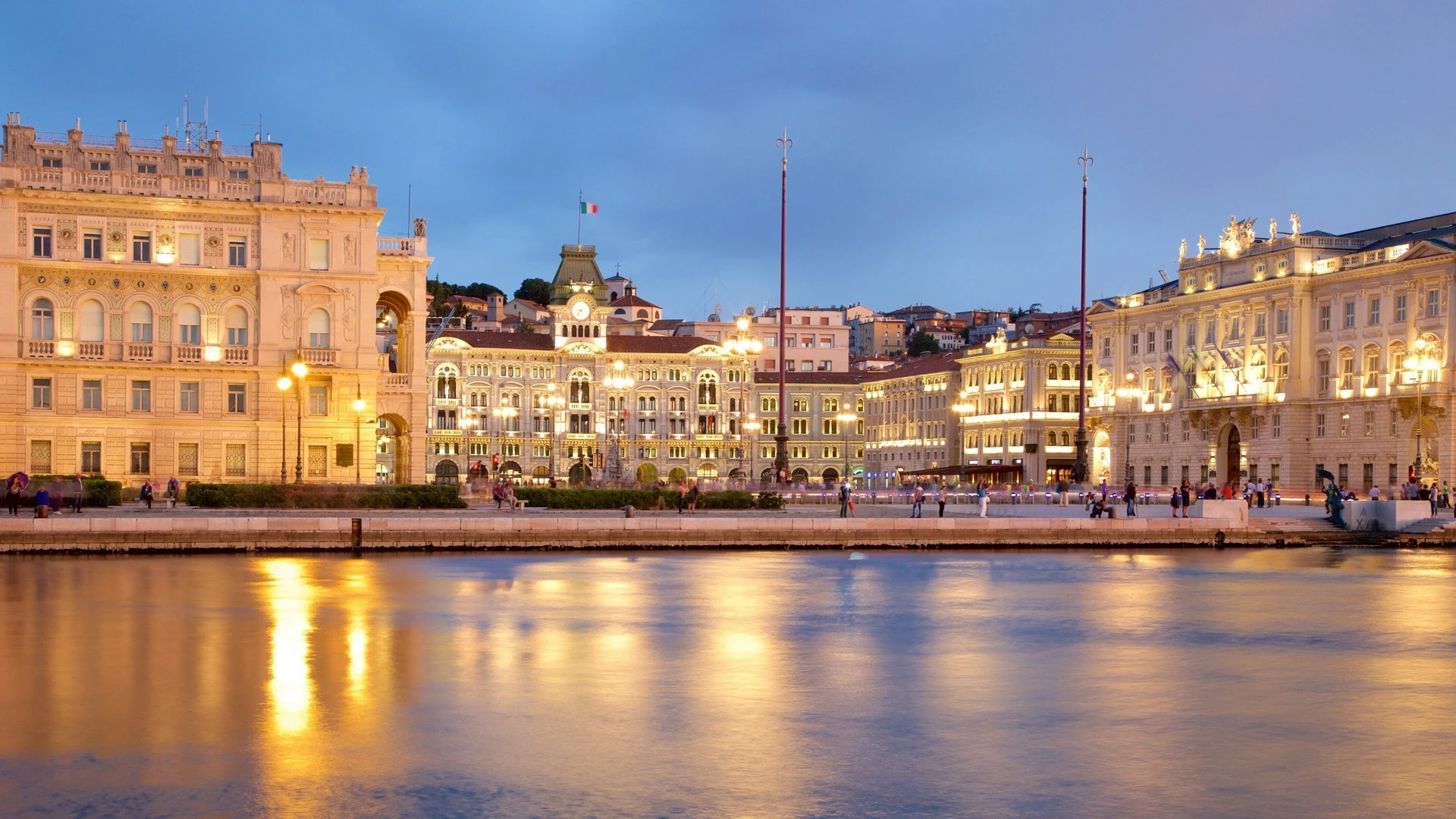
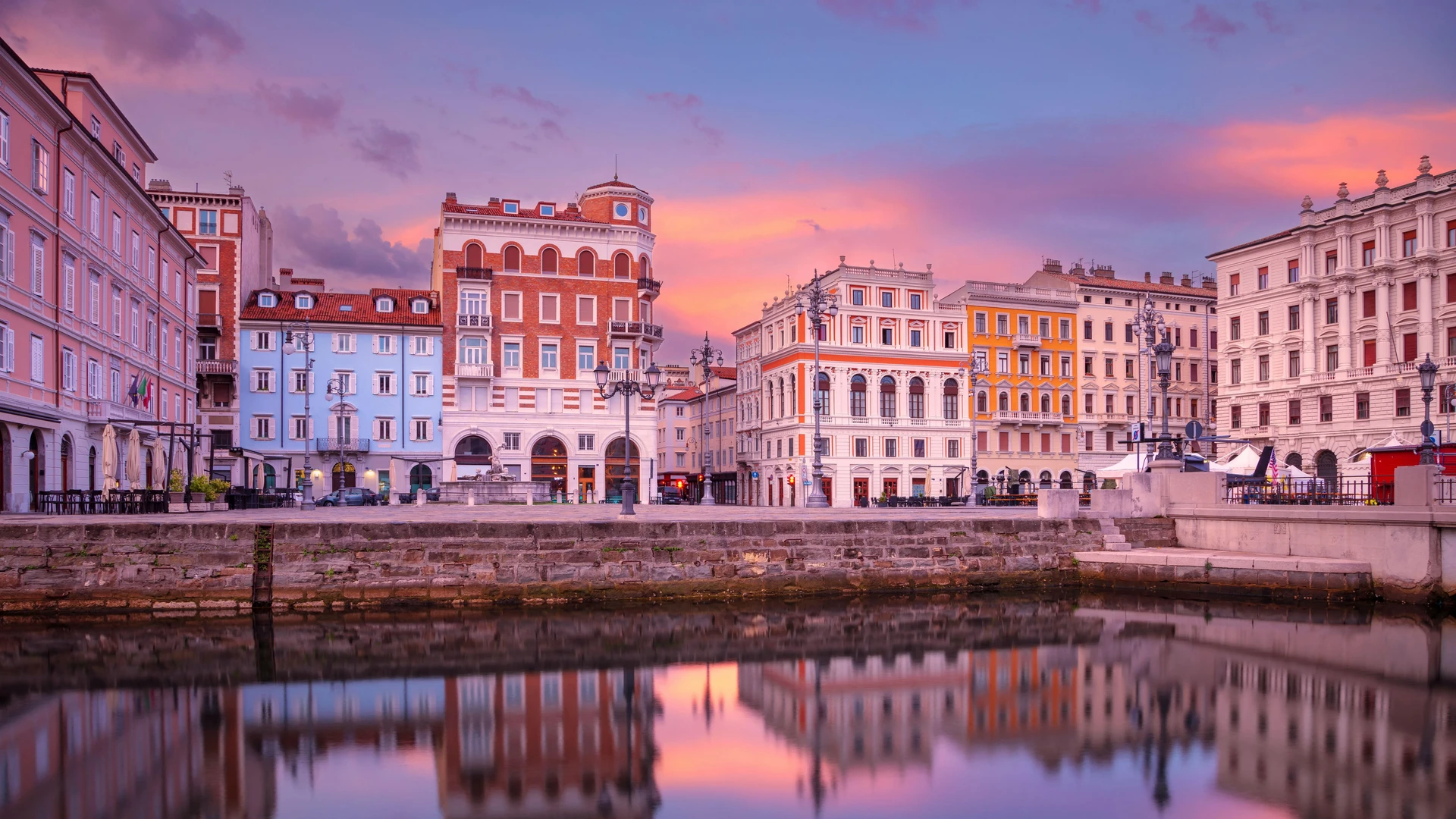
The regional capital is a border city with a Habsburg soul, with historic cafés, the scenic Piazza Unità opening onto the sea, the hill of San Giusto and the castle of Miramare. It’s enjoying a golden moment, with over two million overnight stays a year, and is perfect for a city weekend of culture and walks along the pier, with the Karst and Slovenia a couple of steps away. In summer the Barcola seafront becomes the city beach of the Triestini, and in October the gulf fills with sails for the Barcolana, one of the most crowded regattas in the world. Discover the best areas in the guide where to stay in Trieste and all the small hotels in the city. Two symbol addresses:
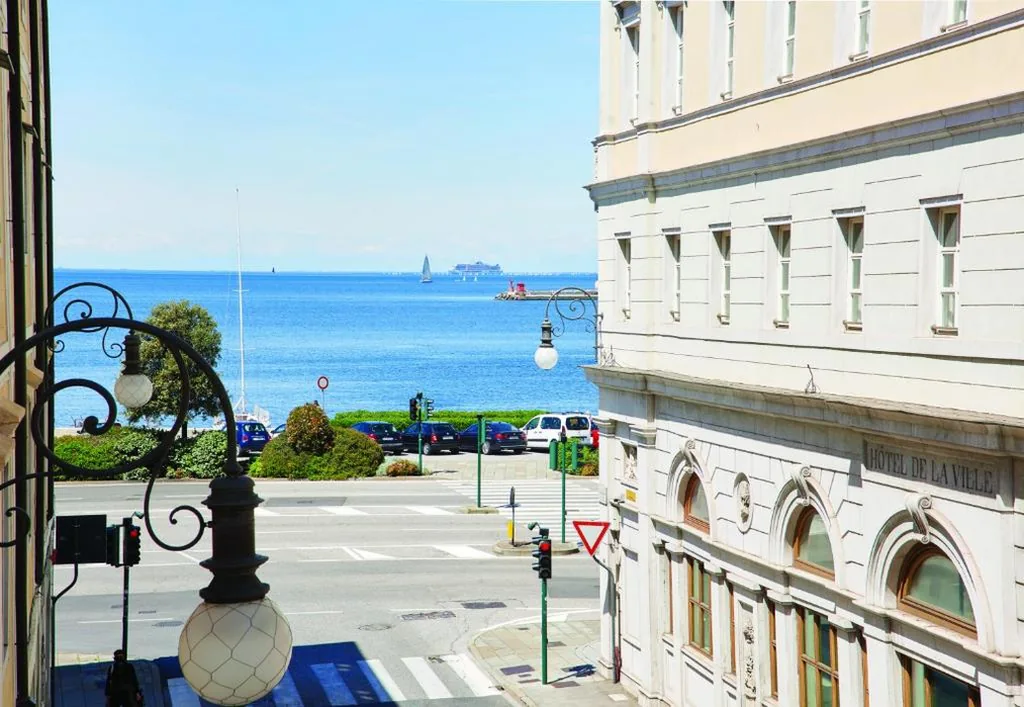
YouMe Design Place Hotel
A design hotel one block from Piazza Unità, with modern interiors and the convenience of a proper front desk. The right choice for those who want hotel services in a dead-central location, between historic cafés and the sea.
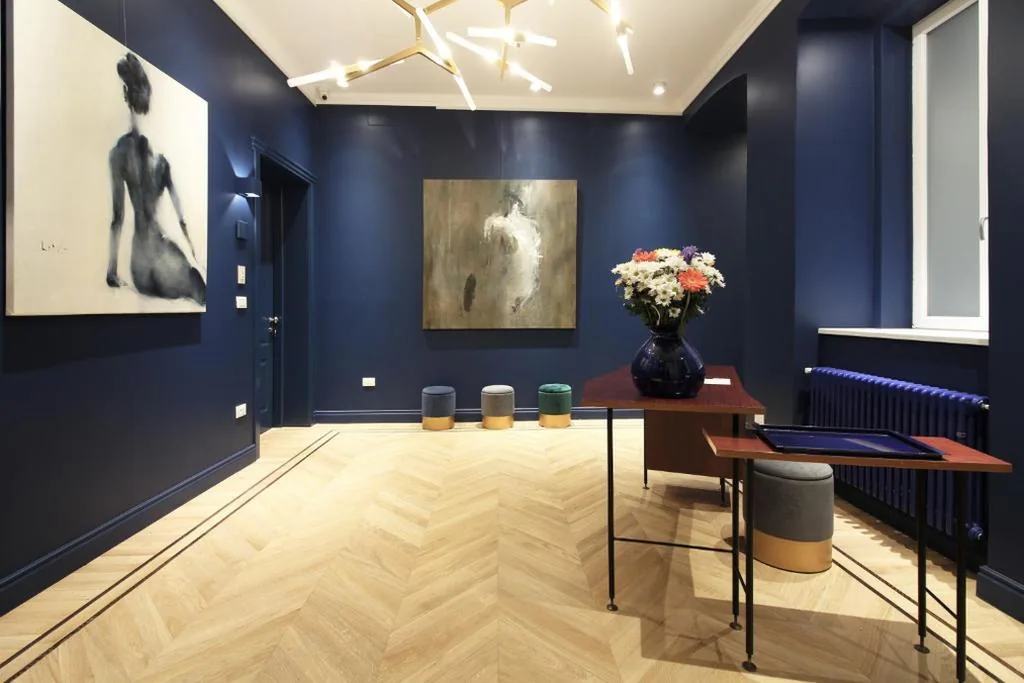
Le Porte Blu
Apartments with a kitchenette in the Borgo Teresiano, a few minutes from Piazza Unità and the Canal Grande. The independence of a home in the heart of the centre, with everything on foot. Ideal for a stay of a few days in the city.
Lignano Sabbiadoro
On the coast to the west, Lignano is Friuli’s great sandy beach, family-friendly: eight kilometres of fine, shallow sand, a Blue Flag, with three districts — lively Sabbiadoro, green Pineta laid out in the 1950s by Marcello D’Olivo, quiet Riviera towards the lagoon — and services, amusement parks and spas for every age, among the reasons it’s a classic family destination. All the details in the guide where to stay in Lignano Sabbiadoro and the hotels of the resort. The symbol address:
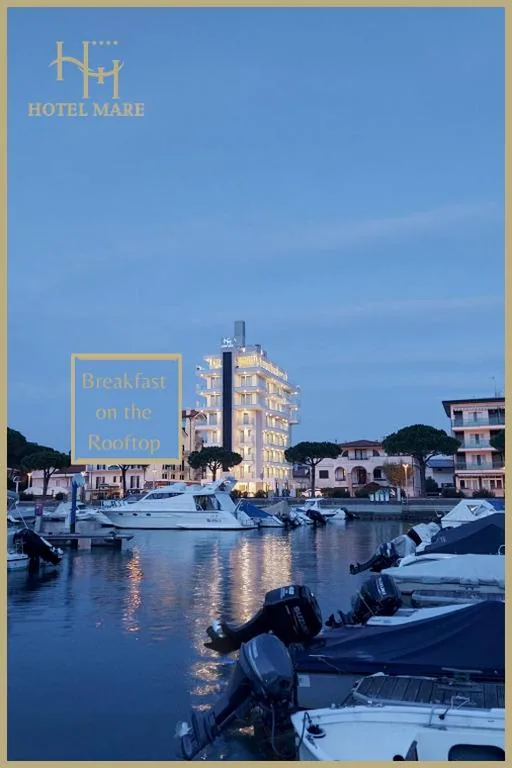
Hotel Mare
A family-run hotel in the heart of Sabbiadoro, a few steps from the beach and the pedestrian zone. The simple seaside holiday, with everything around and the sand walkable every morning. Ideal for families.
Grado
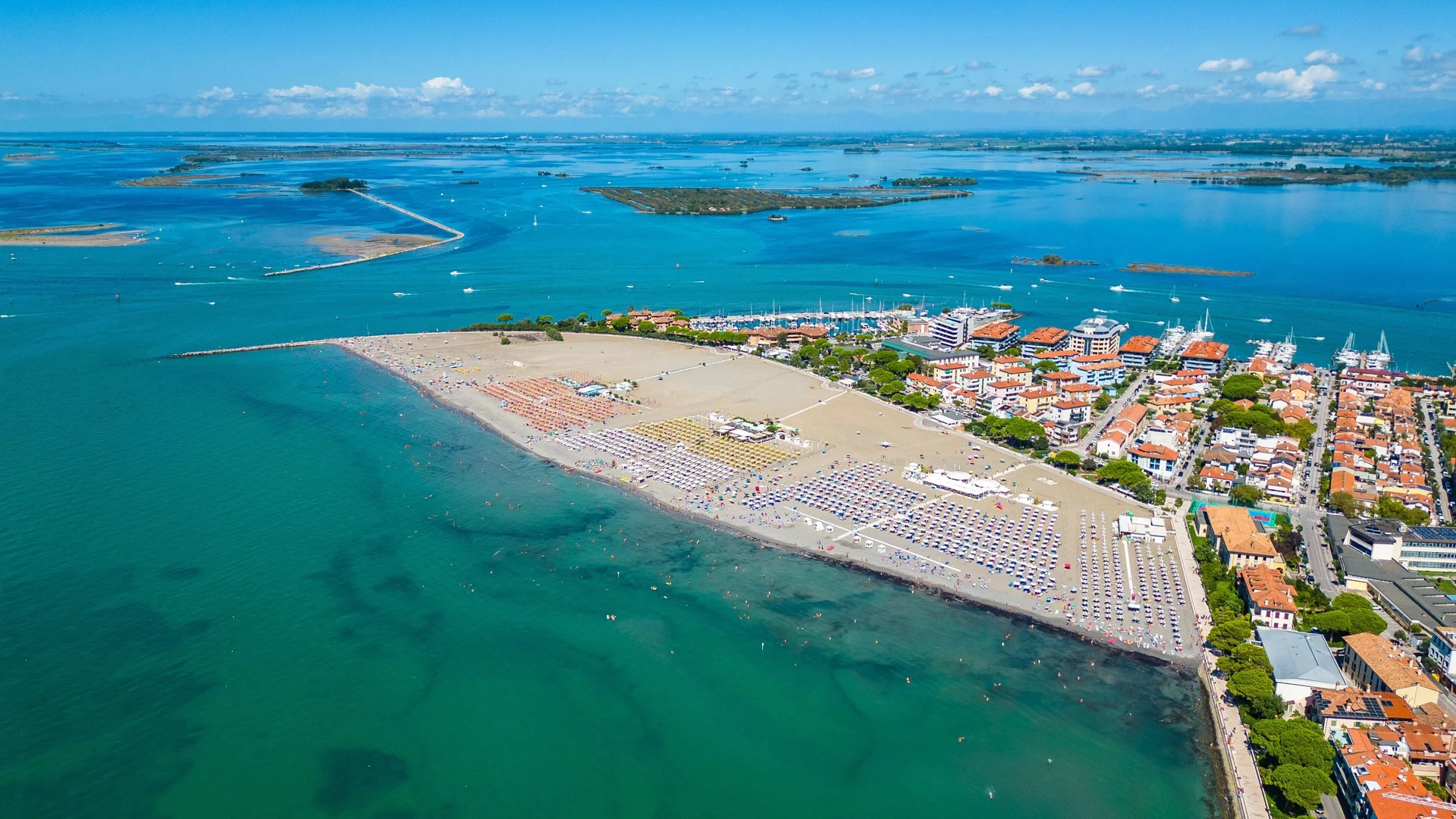
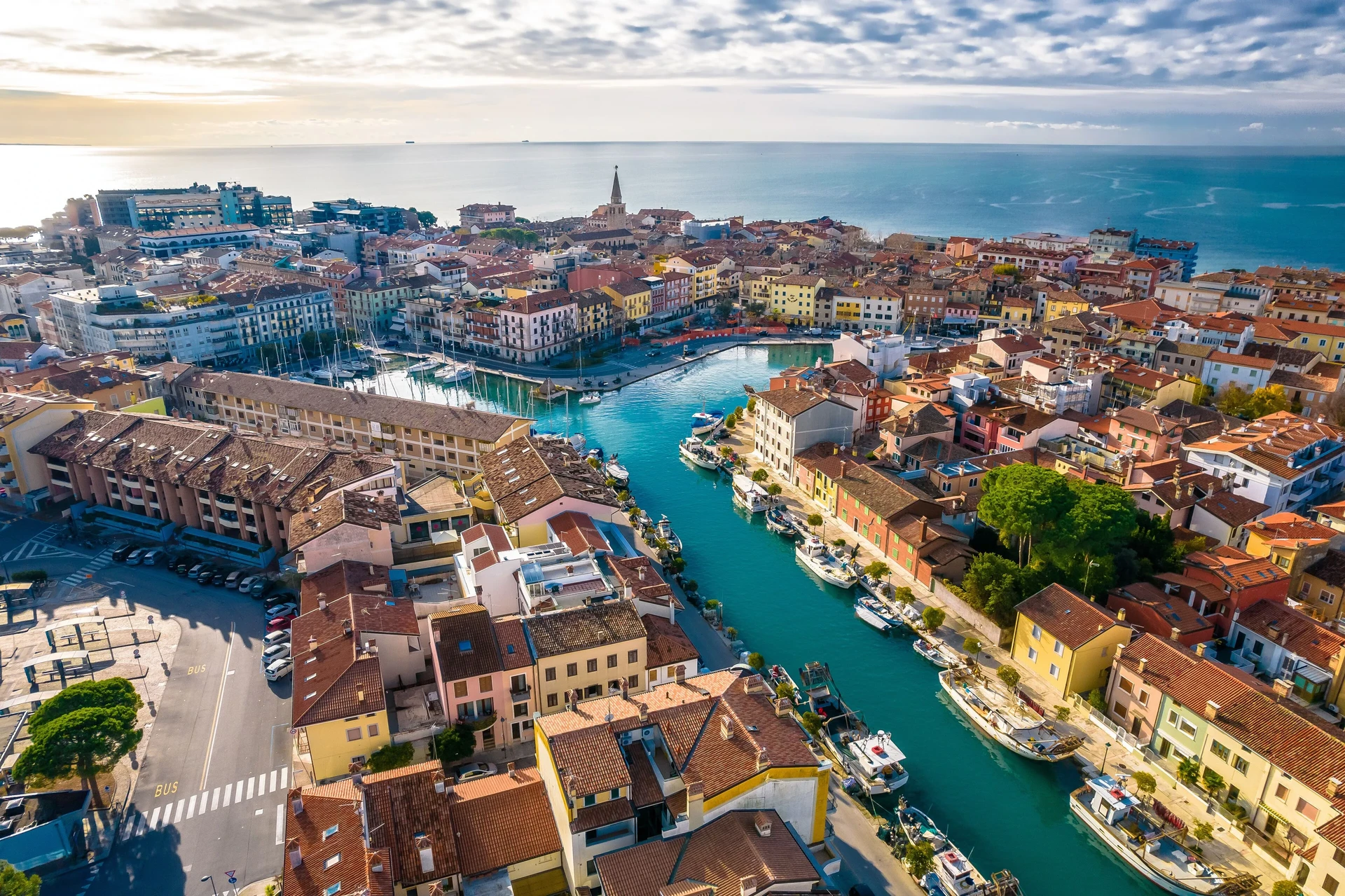
A little further east, Grado is an island between sea and lagoon: the south-facing beach — the “Sun Island”, a Blue Flag and child-friendly — an old town of lanes and early-Christian basilicas, and nearby Aquileia with its UNESCO mosaics. Perfect for those who want sea, history and lagoon together. Discover it all in the guide where to stay in Grado and the hotels of the island. Two symbol addresses:
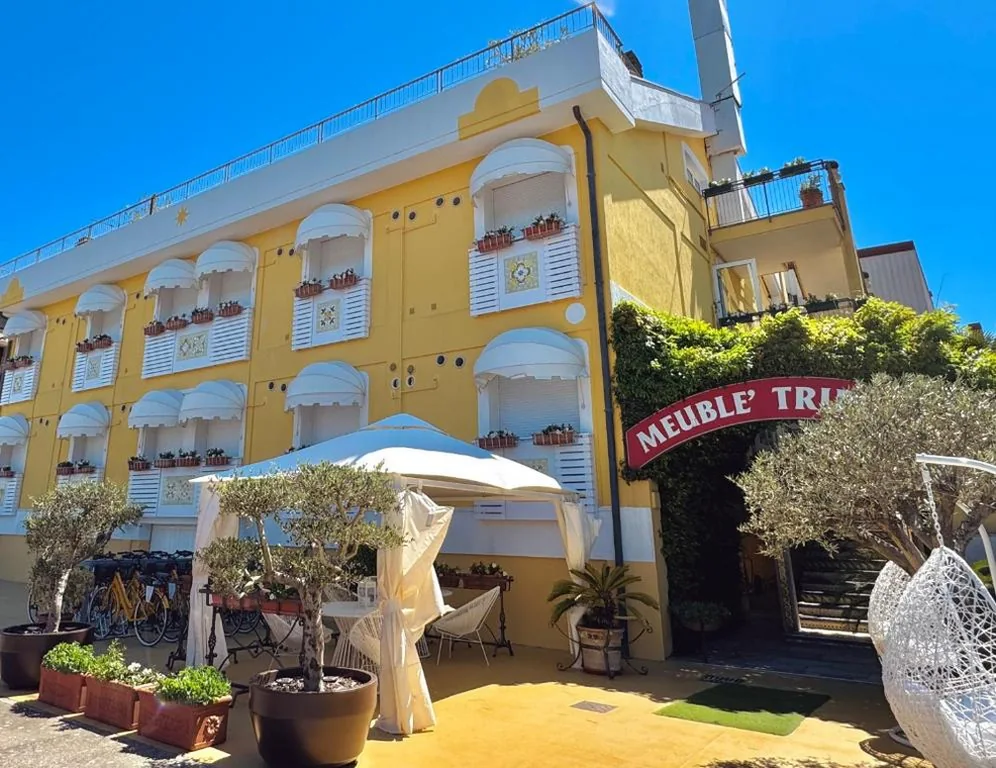
Meublè Tripoli
A hotel facing the seafront right by the old town, with the harbour and the lanes below. The ideal position for experiencing Grado on foot, between beach and alleys. Suited to those who want the heart of the island.
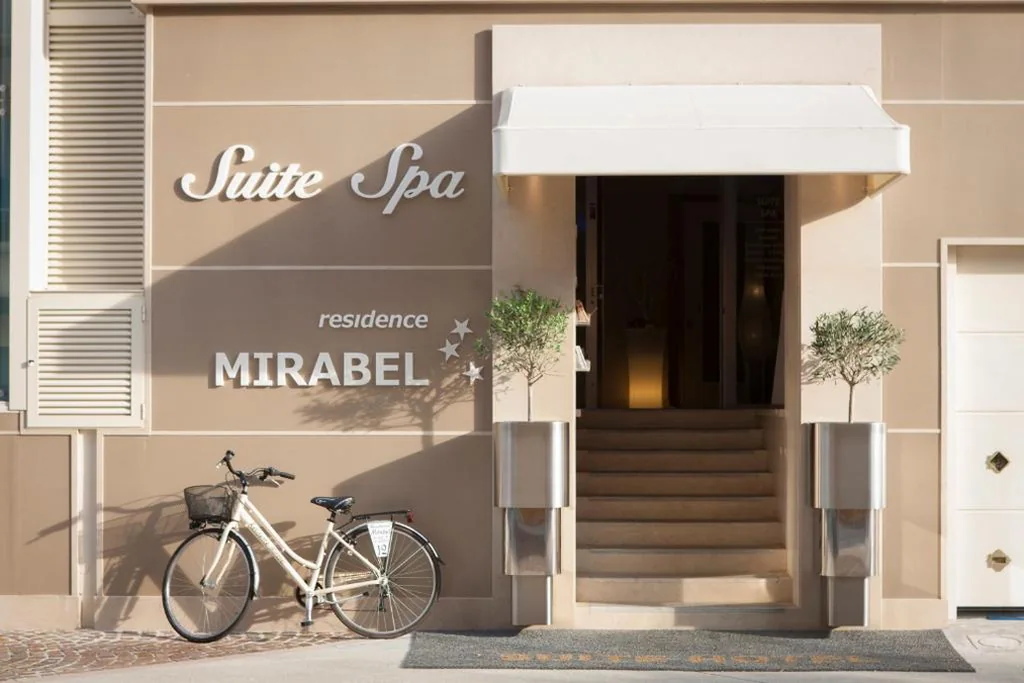
Suite & Spa Mirabel
Suites with a kitchenette and a wellness area in the centre, to pair the sea with relaxation. The formula with spa and your own kitchen gives independence and pampering at once, with the beach a few minutes away. Ideal for a couple.
Udine
In the heart of the region, Udine is the “Venice of Friuli”: an elegant, compact capital, with the scenic Piazza Libertà, the castle on its hill and Tiepolo’s luminous frescoes, all steeped in the culture of the osterie and the tajut. It’s the perfect base for exploring central Friuli, from Cividale to the star-shaped fortress of Palmanova, all the way to San Daniele of the ham. Discover more in the guide where to stay in Udine and all the small hotels in the city. The symbol address:
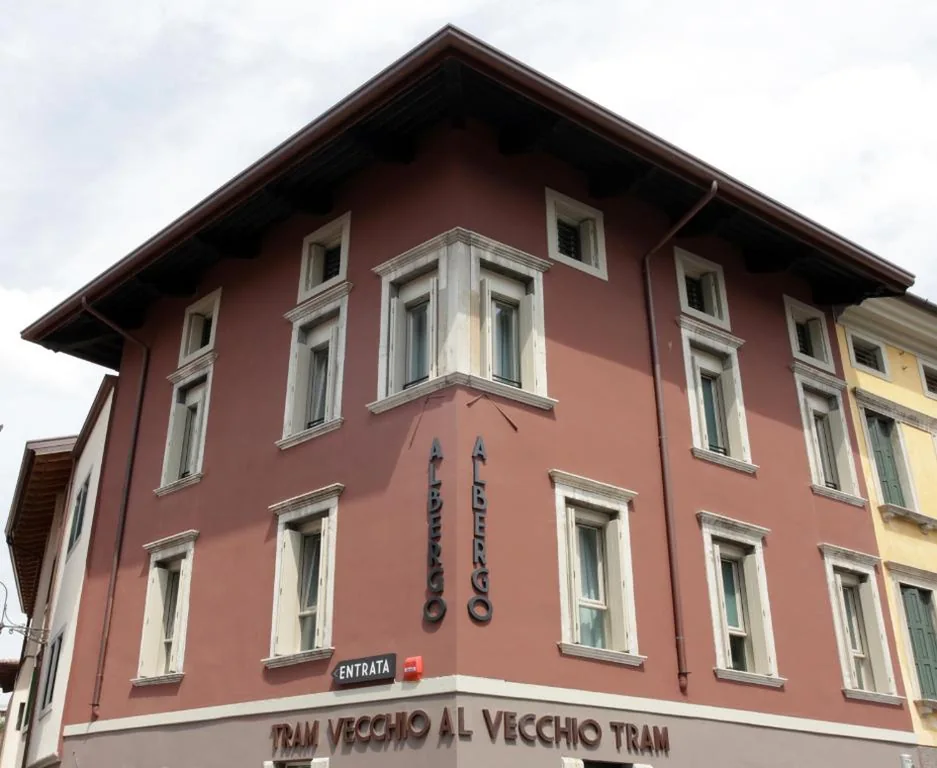
Albergo al Vecchio Tram
A family-run hotel in the heart of the centre, a few steps from the squares and the osterie. The convenience of a proper hotel in the right spot to walk all of Udine. Suited to those after services and a dead-central location.
Cividale del Friuli
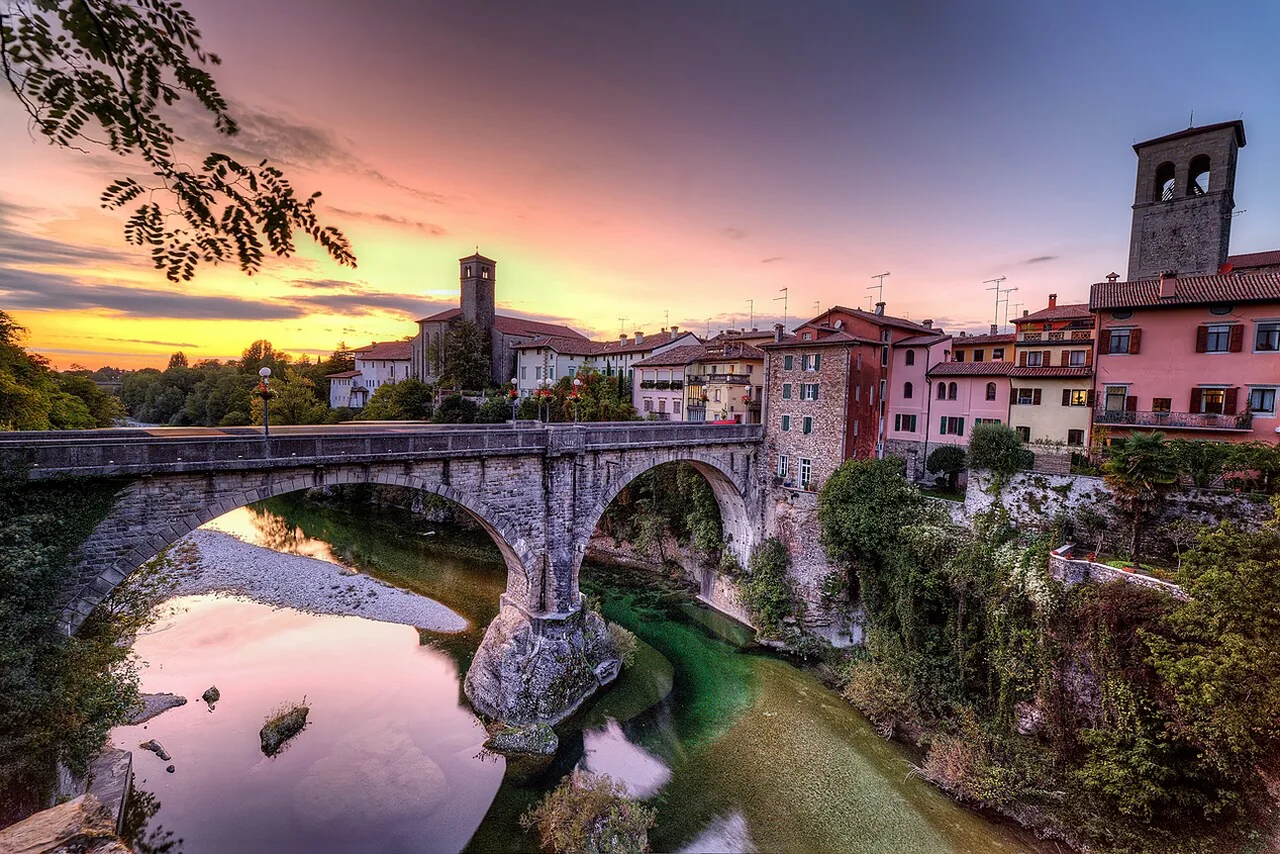
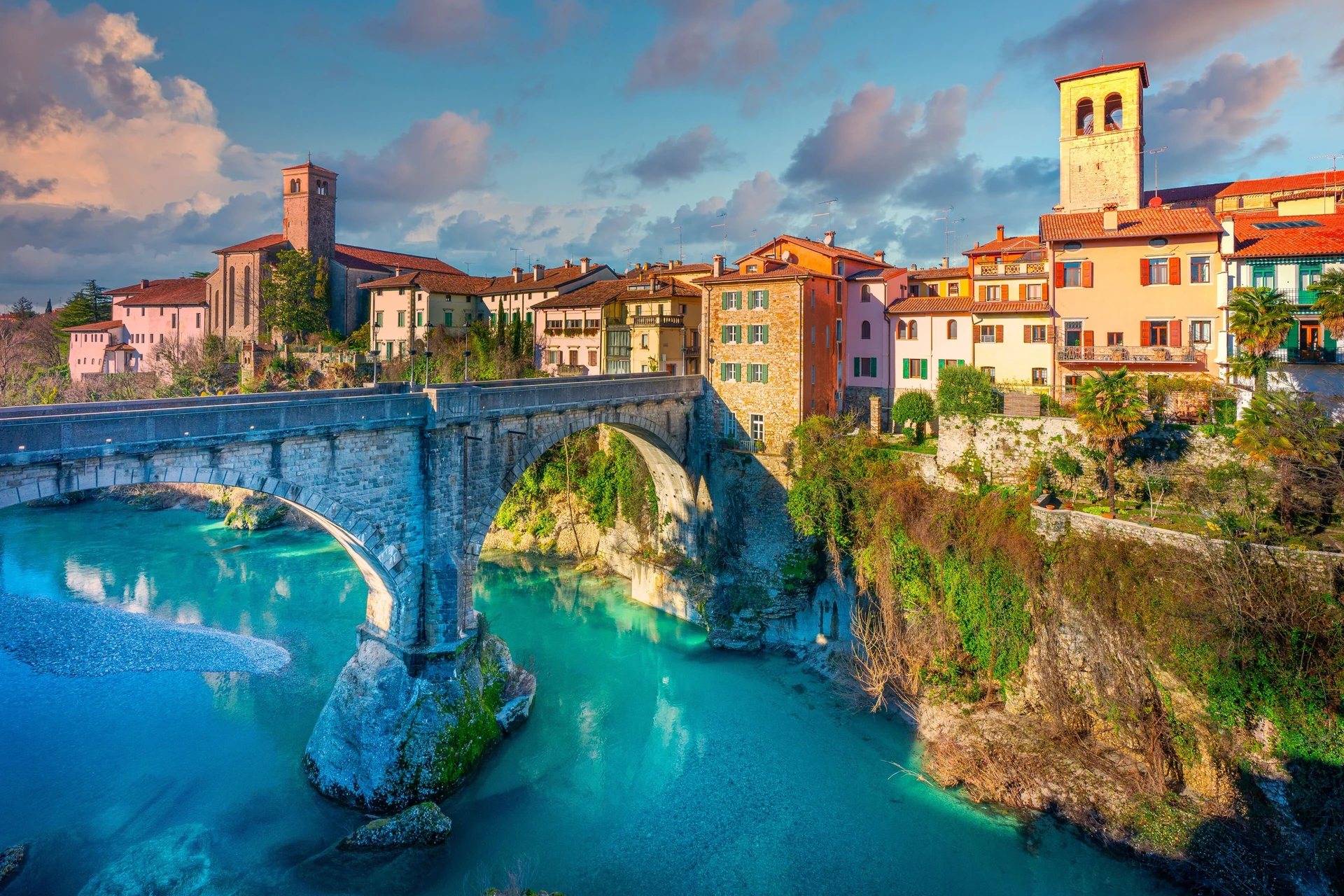
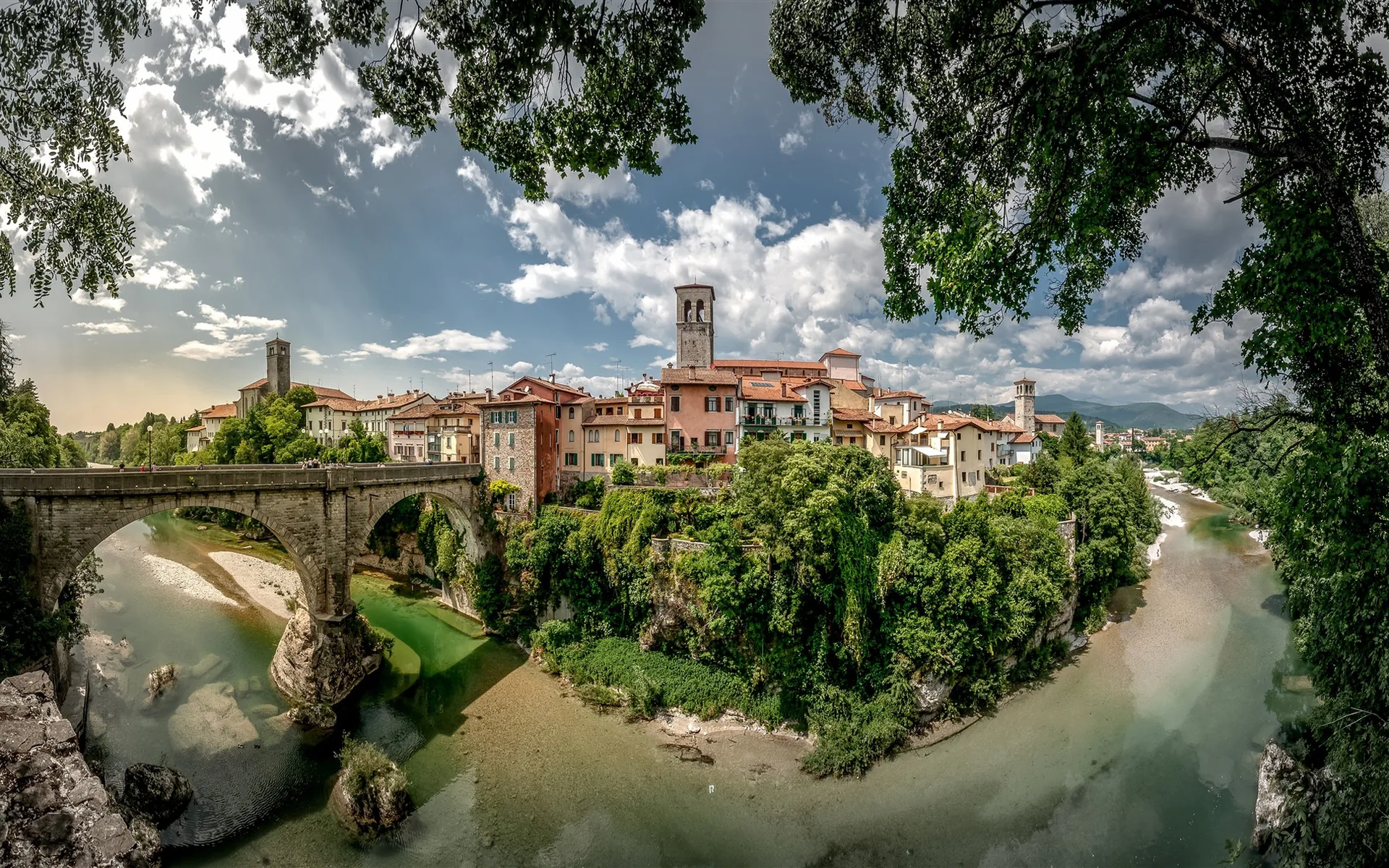
A few minutes from Udine, Cividale is a Lombard town and UNESCO World Heritage site, founded by Caesar as Forum Iulii — the origin of the name “Friuli”. The Lombard Temple, the Devil’s Bridge over the Natisone and the gubana make it a delightful stop, the gateway to the Natisone Valleys. All the details in the guide where to stay in Cividale del Friuli and the hotels of the town. The symbol address:
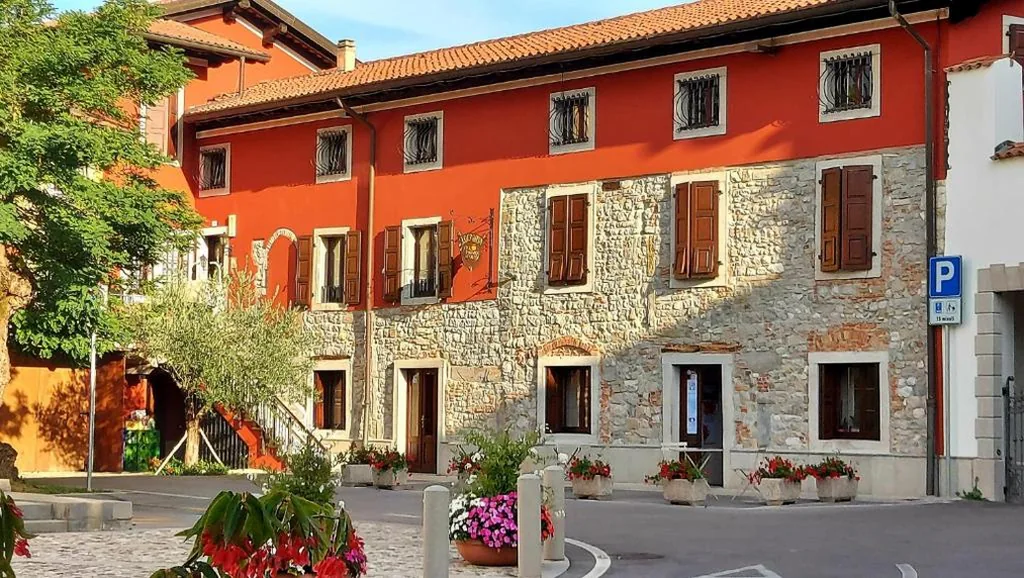
Hotel Locanda Al Pomo d’Oro
A historic inn right in the centre, with the convenience of a hotel — front desk, breakfast and restaurant — in a period building. The right choice for tradition and practicality in the heart of the town, with the osterie on the doorstep.
Pordenone and western Friuli
To the west, Pordenone is an elegant, lively city, Italian Capital of Culture 2027, with an old town of arcades and frescoed palaces along the Corso. Around it, western Friuli offers Sacile on the water, the mosaics of Spilimbergo, San Vito al Tagliamento with its towers, Maniago the cutlery town and the gateway to Piancavallo and the Friulian Dolomites. Discover more in the guide where to stay in Pordenone and western Friuli and the hotels of the city. The symbol address:
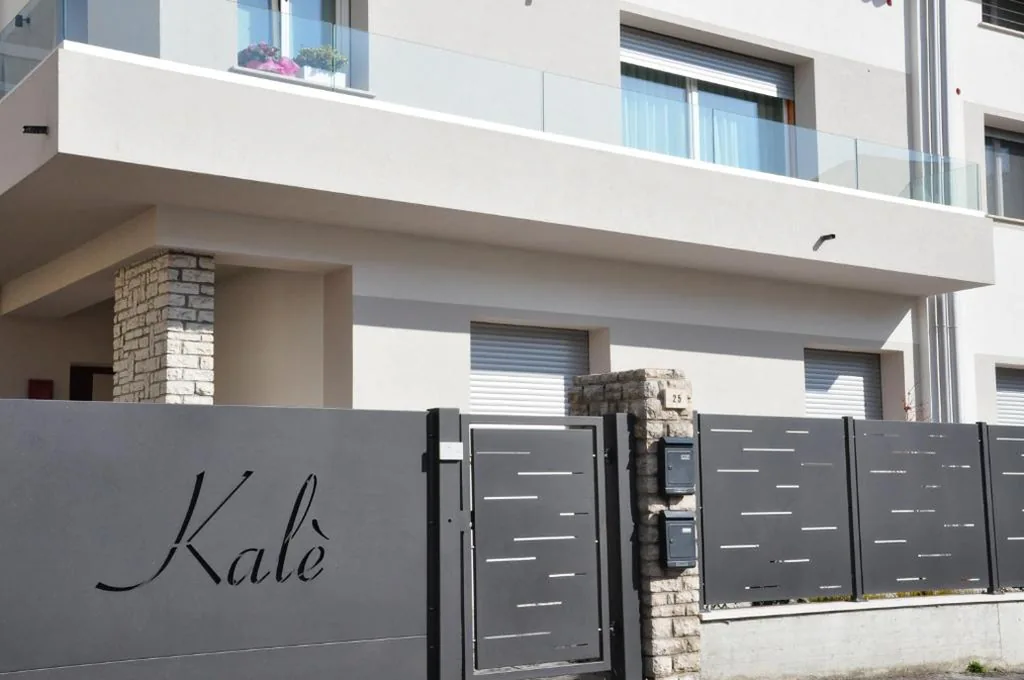
Kalé
A well-kept guest house in the centre of Pordenone, a couple of steps from the Corso and its arcades. The convenience of staying in the heart of the city, with museums, cafés and bars all on foot. Ideal for enjoying the old town slowly.
Gorizia and the Collio
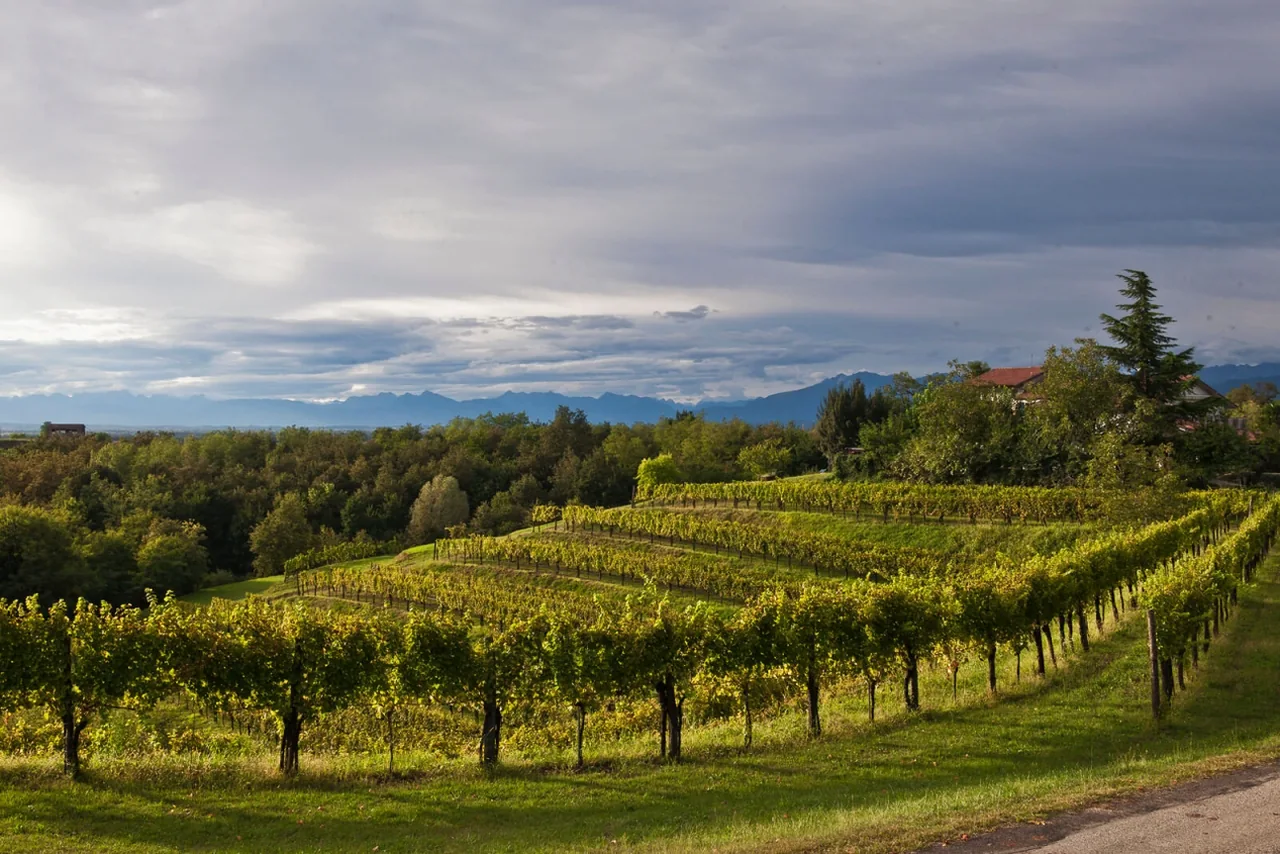
On the border with Slovenia, Gorizia is a city with a Central-European heart, with the castle on its hill and Piazza Transalpina straddling the frontier. In 2025 Gorizia and Slovenian Nova Gorica were the first cross-border European Capital of Culture, and the spirit of the two cities united remains the most fascinating trait. Around it open the hills of the Collio, one of the homelands of Italy’s great whites — Friulano, Ribolla — with Cormons as the wine capital and the flavours of San Daniele not far off. All the details in the guide where to stay in Gorizia and the Collio and the hotels of the city. The symbol address:
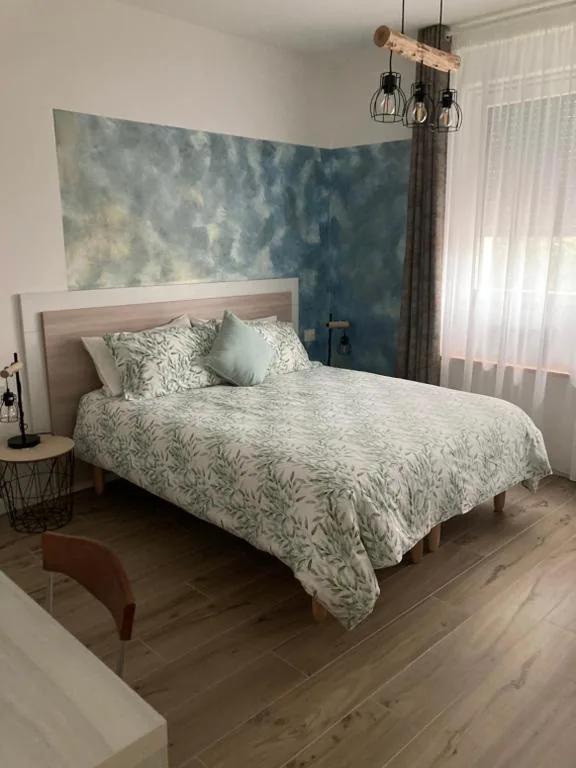
L’angolo di Luna
A welcoming, well-run bed and breakfast in the centre of Gorizia, handy for the castle and the gardens. The careful hospitality makes it a restful base for the border city and for touring the cellars of the Collio.
Tarvisio
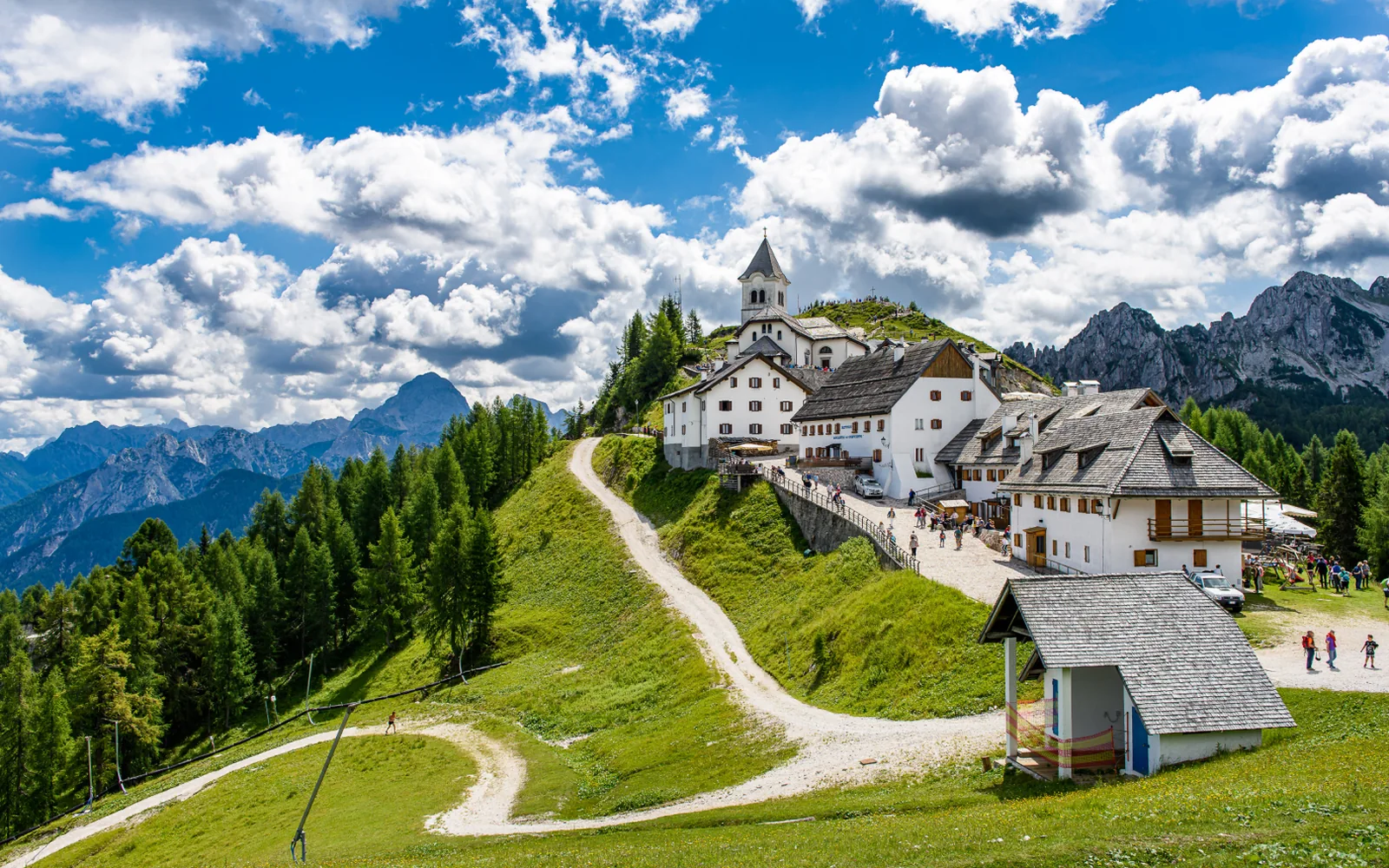
At the far north-east, Tarvisio is the mountain of the three borders, between Italy, Austria and Slovenia. In winter it’s skiing on Monte Lussari and at Sella Nevea, with plentiful snow and low prices; in summer hiking, the Fusine Lakes below the Mangart, the vast Tarvisio Forest and the Alpe Adria cycle path linking Salzburg to Grado. Discover more in the guide where to stay in Tarvisio and the hotels of the area. The symbol address:
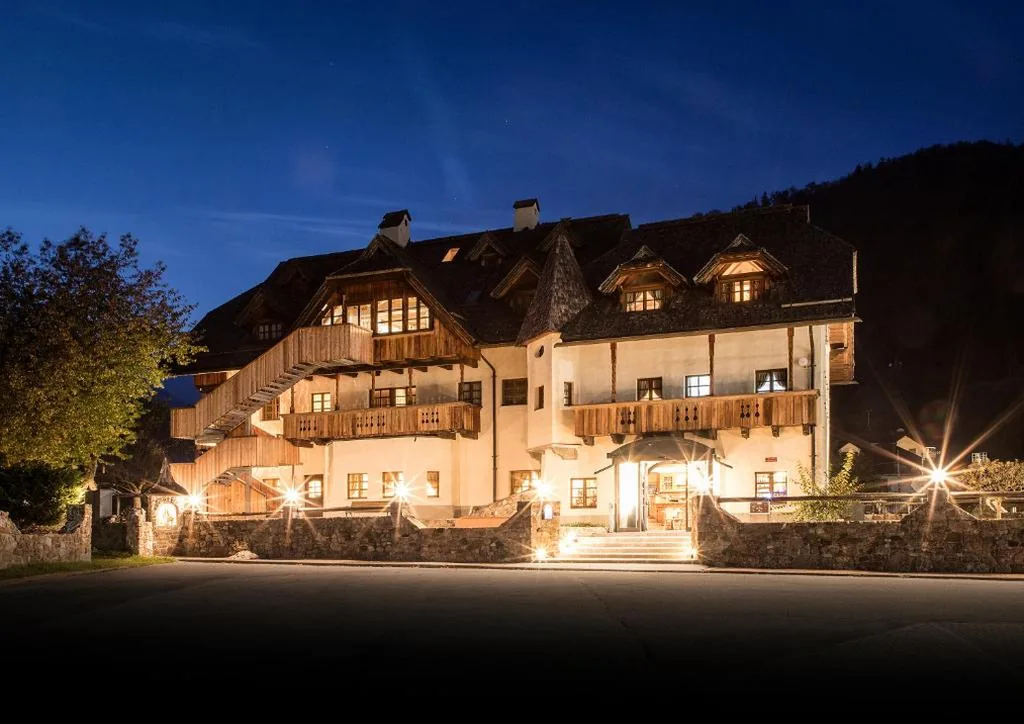
Hotel Edelhof
An alpine-flavoured hotel in the heart of Tarvisio, with the services of a proper hotel for those who want to be pampered after the mountains. A solid, well-run base, suited to couples and families in any season.
Carnia
West of the alpine chain, Carnia is the most authentic mountain area of Friuli: green valleys, the UNESCO Friulian Dolomites and villages that have stayed real, such as Sappada at the foot of the Dolomites and Sauris, a German-speaking island with a turquoise lake and its speck. Skiing on the Zoncolan above Ravascletto, hiking and mountain-pasture flavours, with Tolmezzo as the main town and Arta Terme for thermal relaxation. All the details in the guide where to stay in Carnia and the hotels of Sauris. The symbol address:
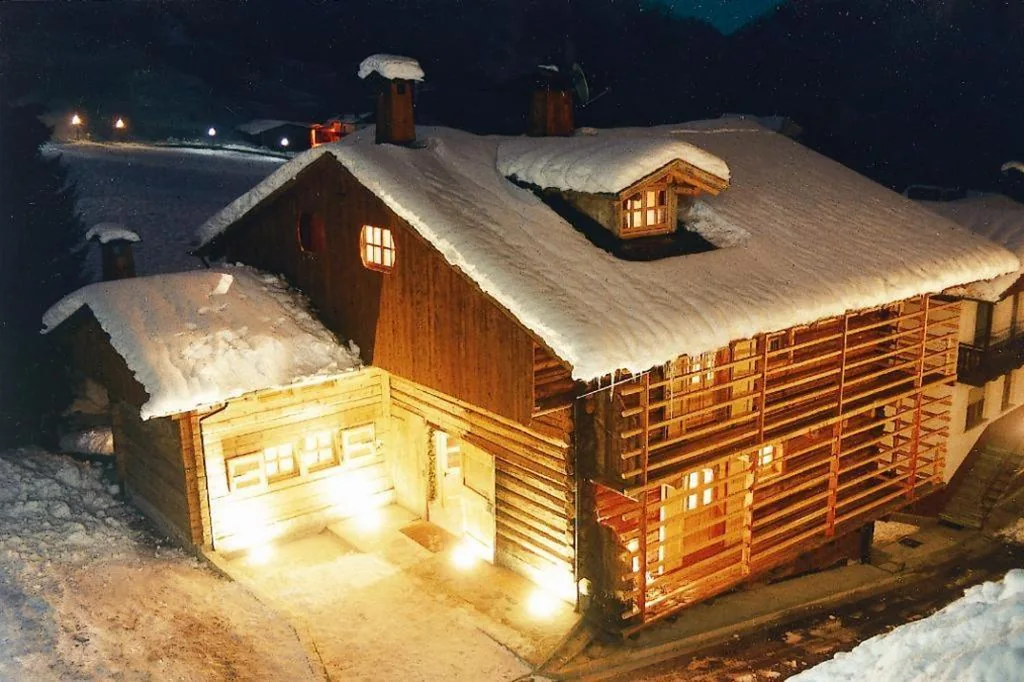
Hotel Garni Plueme
A garni hotel in the heart of Sauris, with the warmth of wood and the quiet of the high mountains, a couple of steps from the lake. The ideal base for exploring the village, the trails and the speck cellars, away from mass tourism.
When to go
Friuli-Venezia Giulia is a destination for every season, precisely thanks to its variety. Spring and autumn are ideal for the cities, the villages and the Collio, with mild weather and the colours of the harvest; summer is the season of the sea in Lignano and Grado and of hiking in the mountains, cool even in the hot months; winter brings skiing in Tarvisio and Carnia and the cosy atmosphere of Trieste and Udine, between cafés and osterie. In practice, at any time of year there’s an area of the region at its best: you just choose what to put at the centre of the holiday.
How to get there and get around
The gateway is the Trieste-FVG airport, at Ronchi dei Legionari, with its own railway station on the Venice-Trieste line. The train connects the main cities well — Trieste, Udine, Gorizia, Pordenone — while a car is more useful for the coast, the Collio and above all the mountains, where the villages are scattered across the valleys. The A4 (Venice-Trieste) and A23 (towards Udine and Austria) motorways cross the region, which borders Slovenia and Austria. For all the details on the airport, trains and roads, see the guide how to get to and around Friuli-Venezia Giulia.
Want to discover all the properties in the region? Browse all the small hotels in Friuli-Venezia Giulia, hand-picked one by one.
Frequently asked questions
Quick answers to the questions we’re asked most about where to stay in Friuli-Venezia Giulia.
Which is the best area to stay in Friuli-Venezia Giulia?
It depends on what you’re after. For cities and culture, Trieste and Udine; for the sea and families, Lignano and Grado; for art and UNESCO villages, Cividale; for wine, Gorizia and the Collio; for mountains and skiing, Tarvisio and Carnia. The beauty of the region is that distances are short, so from one base you can easily reach the other areas too.
Where to stay in Friuli-Venezia Giulia with the family?
The best destinations for families are the two great sandy beaches, Lignano Sabbiadoro and Grado, both Blue Flags, with shallow seabeds, parks and services for children. In the mountains, Tarvisio and Carnia offer accessible skiing and nature, while Trieste with Miramare and the Barcola seafront is a city surprisingly well suited to little ones.
What is there to see in Friuli-Venezia Giulia?
In a small space: Trieste with Piazza Unità and Miramare, the sea of Lignano and Grado with nearby UNESCO Aquileia, Udine and its Tiepolo, the Lombard town of Cividale, the wine Collio around Gorizia, and the mountains of Tarvisio and Carnia with the Friulian Dolomites. A region that unites sea, city, wine and Alps in a single trip.
When is the best time to go to Friuli-Venezia Giulia?
Every season has its ideal area. Spring and autumn are perfect for cities, villages and the Collio; summer for the sea of Lignano and Grado and mountain hiking; winter for skiing in Tarvisio and Carnia and the atmosphere of Trieste’s cafés. Thanks to the variety of the territory, the region really is enjoyable all year round.
How do you get around Friuli-Venezia Giulia?
The main cities are well connected by train, with the Trieste-FVG airport served by the railway. For the coast, the Collio and above all the mountains, though, a car is the handiest option, because the villages are scattered across hills and valleys. The A4 and A23 motorways cross the region, which borders Slovenia and Austria.