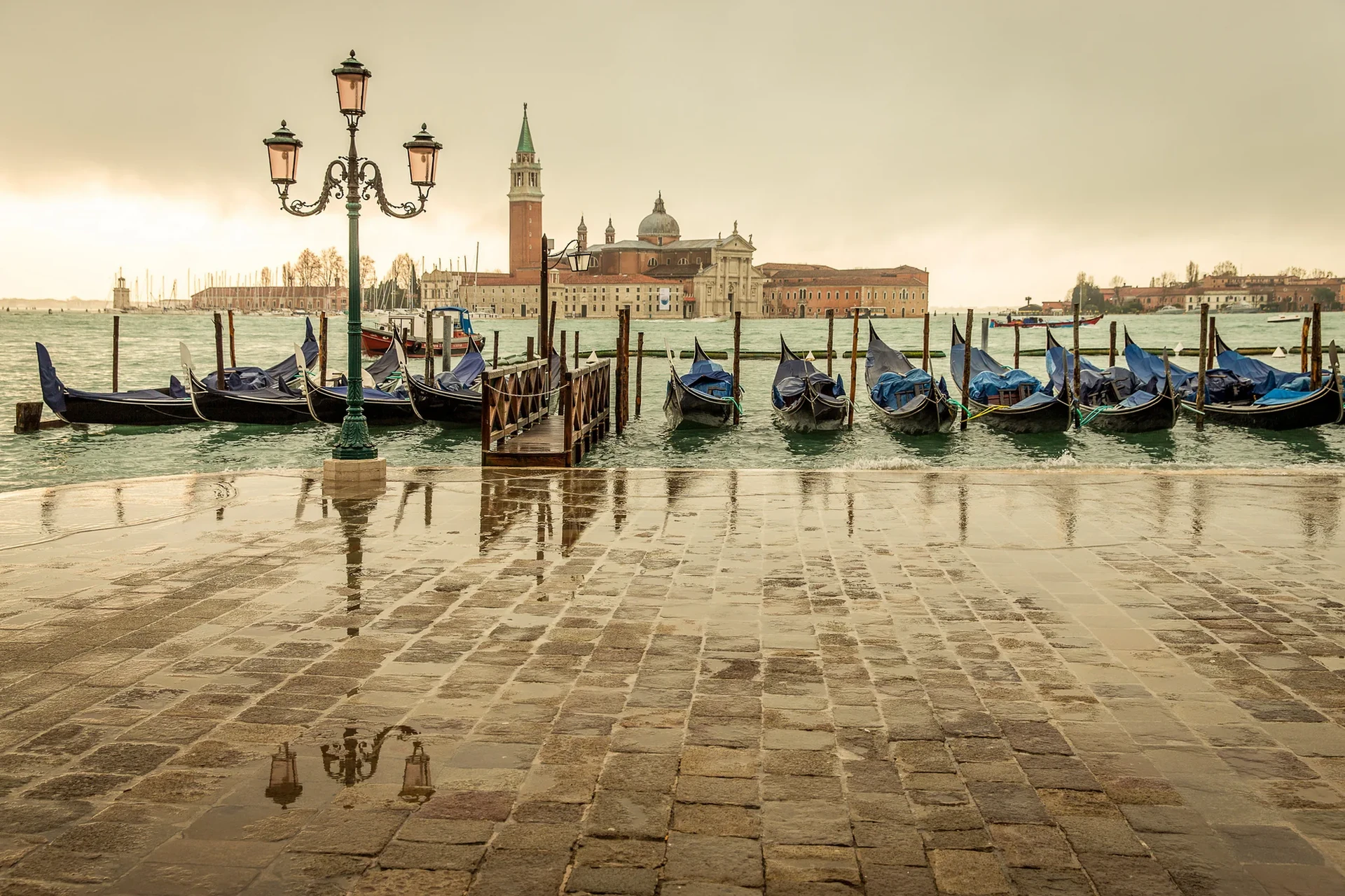
Few cities in the world reward the choice to stay overnight as much as Venice. When the day visitors leave, the city changes character: the little squares empty out, the alleys fall silent and the lagoon turns pink at dawn and sunset. Choosing where to stay to visit Venice means deciding what kind of trip you want — immersive in the heart of the sestieri, practical and cheap from the mainland, or relaxed between the Lido and the islands. In this guide you will find the best areas, their pros and cons, and a selection of recommended properties, all with excellent guest ratings.
Staying in the historic centre of Venice
Sleeping among the sestieri is the most authentic experience: it means waking up on the Grand Canal, crossing an almost deserted St Mark’s Square and dining in a bàcaro far from the tourist circuits. The handiest districts are San Marco and Cannaregio (central and well served by vaporettos), Dorsoduro (elegant, close to Piazzale Roma and the station, ideal for those arriving) and Castello (quieter, a stone’s throw from St Mark’s). It is the most expensive choice, but also the only one that gives you the “real” Venice at every hour. And there is a concrete advantage: overnight guests in the city are exempt from the access fee, the charge introduced for day visitors, because they already pay the tourist tax at their accommodation.
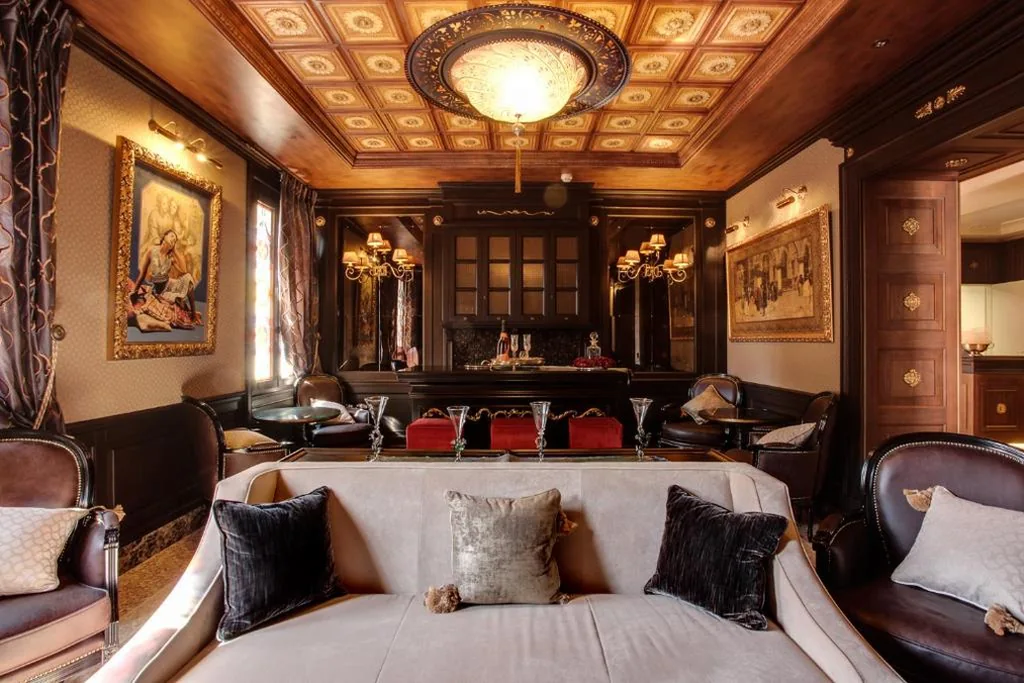
Hotel Moresco
A refined four-star in Dorsoduro, a few minutes’ walk from Piazzale Roma and Santa Lucia station: the perfect base for those arriving by train or bus who want to step straight into the heart of the city. Late-nineteenth-century furnishings, a lovely private garden and glimpses of the canal make it an elegant and surprisingly peaceful choice.
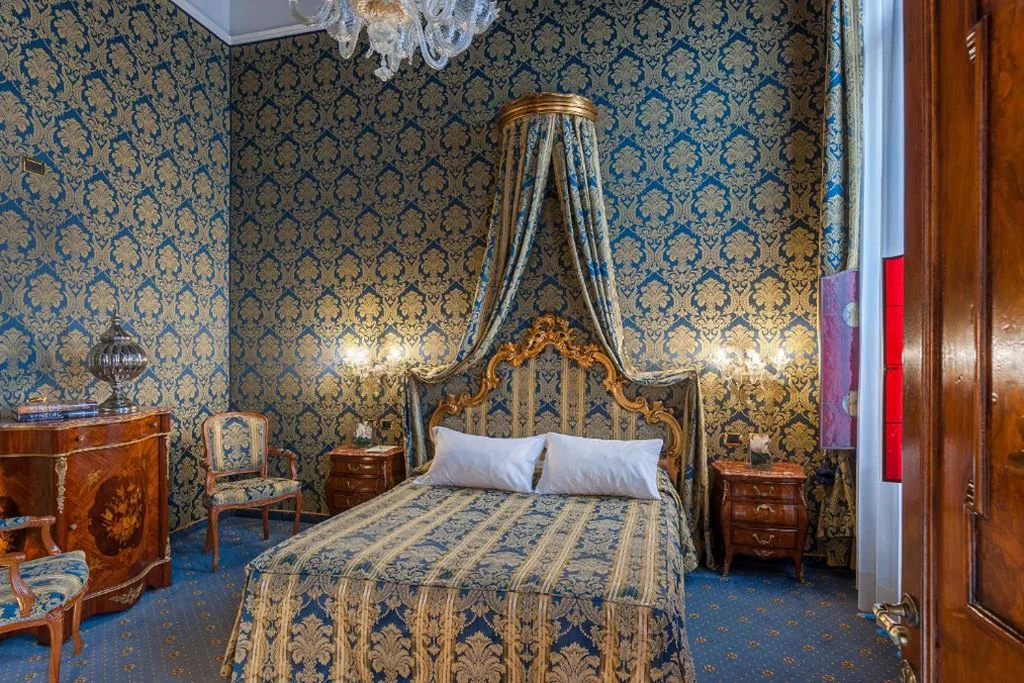
Al Ponte Antico
A palazzo facing directly onto the Grand Canal, with a view of the Rialto Bridge and a terrace where breakfast is served suspended over the water. It is the right address for anyone seeking the most Venetian panorama there is, combined with warm service and historic interiors cared for in every detail.
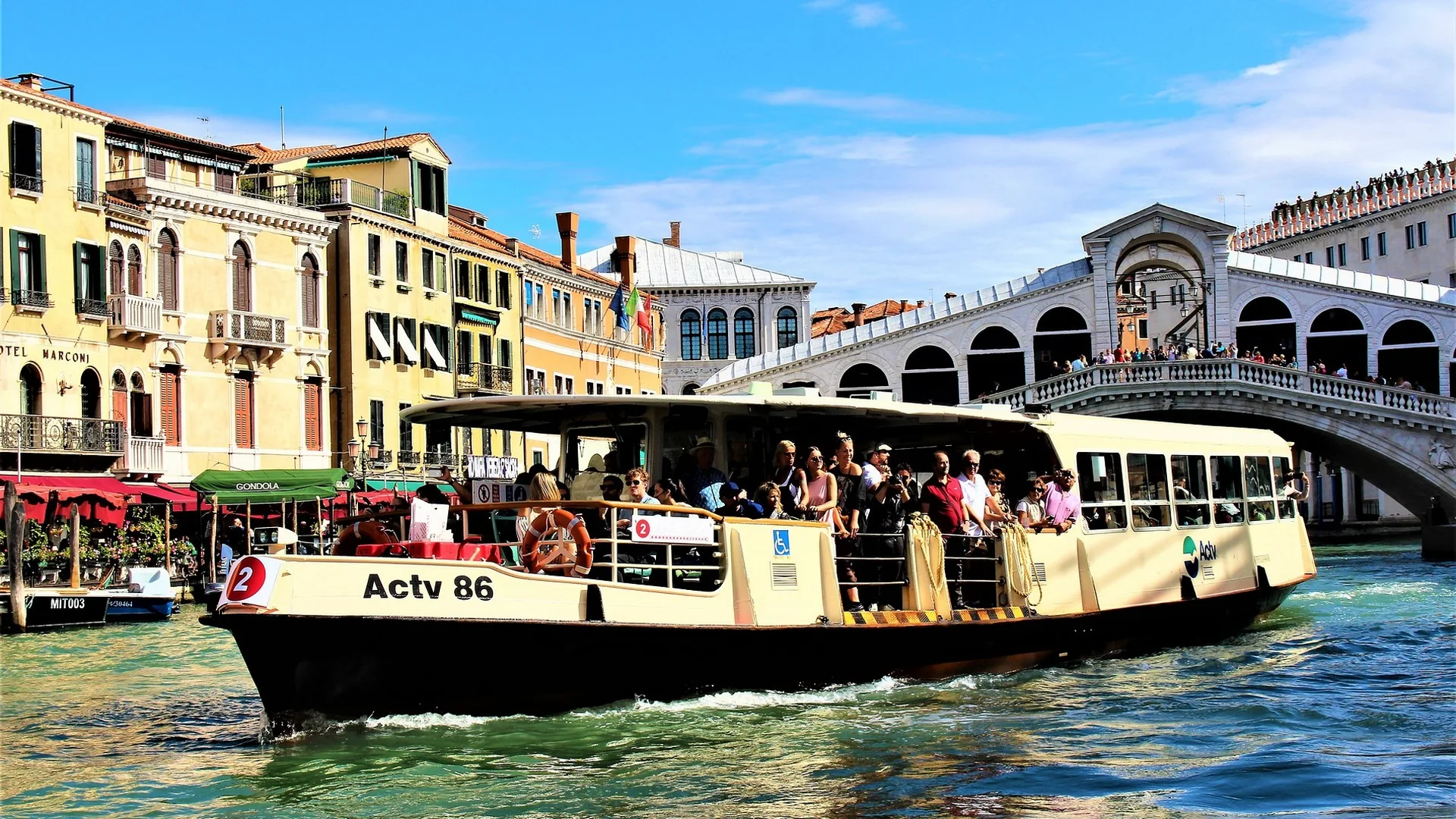
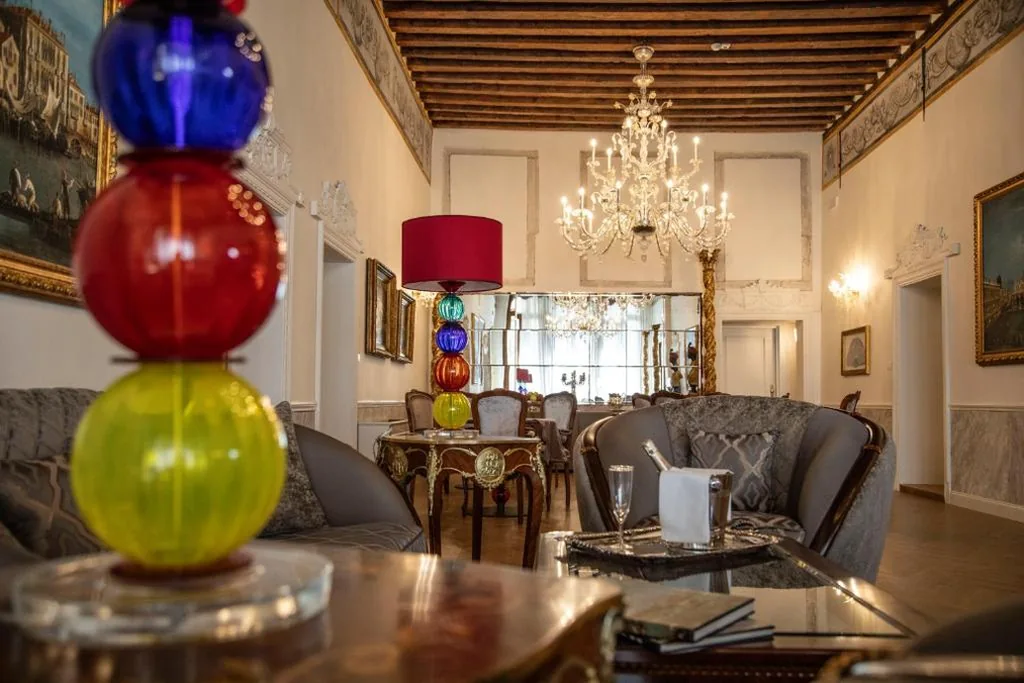
Palazzo dei Mori
A three-star property in the Castello district, a short distance from St Mark’s Square yet just tucked away enough to enjoy the most authentic Venice. The rooms are tasteful and welcoming, and the location lets you reach the great monuments on foot while avoiding the busiest alleys.
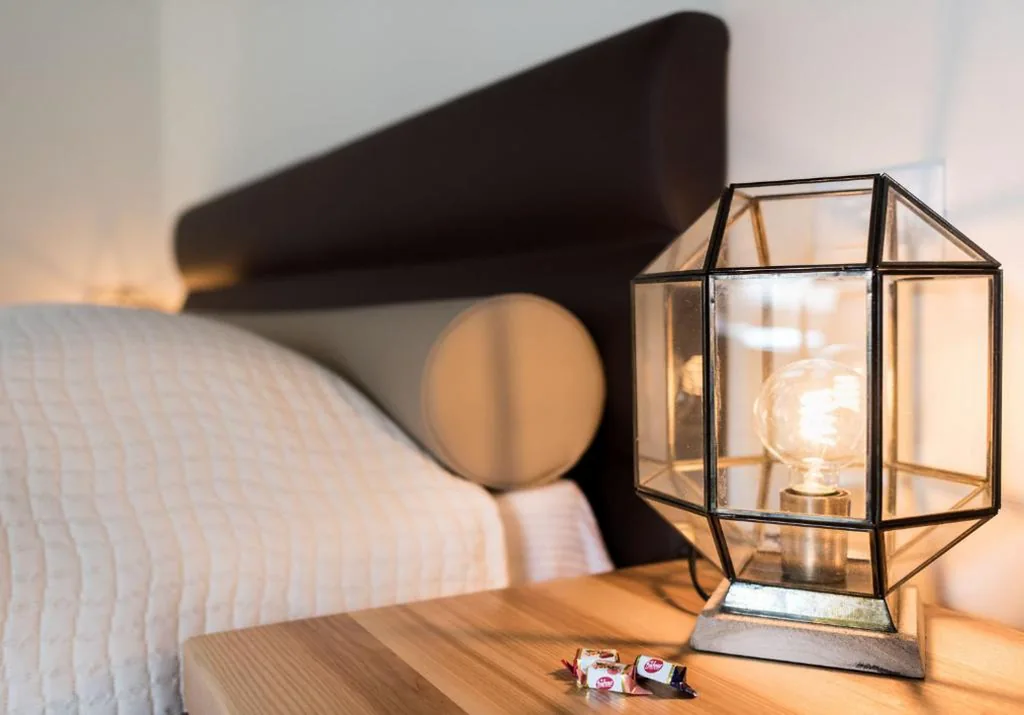
B&B Casin dei Nobili
A bed & breakfast facing the canal in the heart of Dorsoduro, the district of art galleries and bars frequented by students. Elegant accommodation and an intimate atmosphere make it a romantic and very central choice, perfect for exploring the whole city on foot.
Mestre and the mainland: practical and affordable
If budget is a factor or if you are travelling by car, Mestre is the smartest solution. The mainland offers hotels and B&Bs at noticeably lower prices, many with parking, and is superbly connected to Venice: the train from Mestre to Santa Lucia takes about ten minutes, with very frequent services, and there are also buses and a tram to Piazzale Roma. In practice you sleep comfortably and spend less, staying a quarter of an hour from the Grand Canal. Mestre itself has a lively pedestrian area and the M9 museum, and from here it is easy to reach the airport and the other destinations of Veneto too.
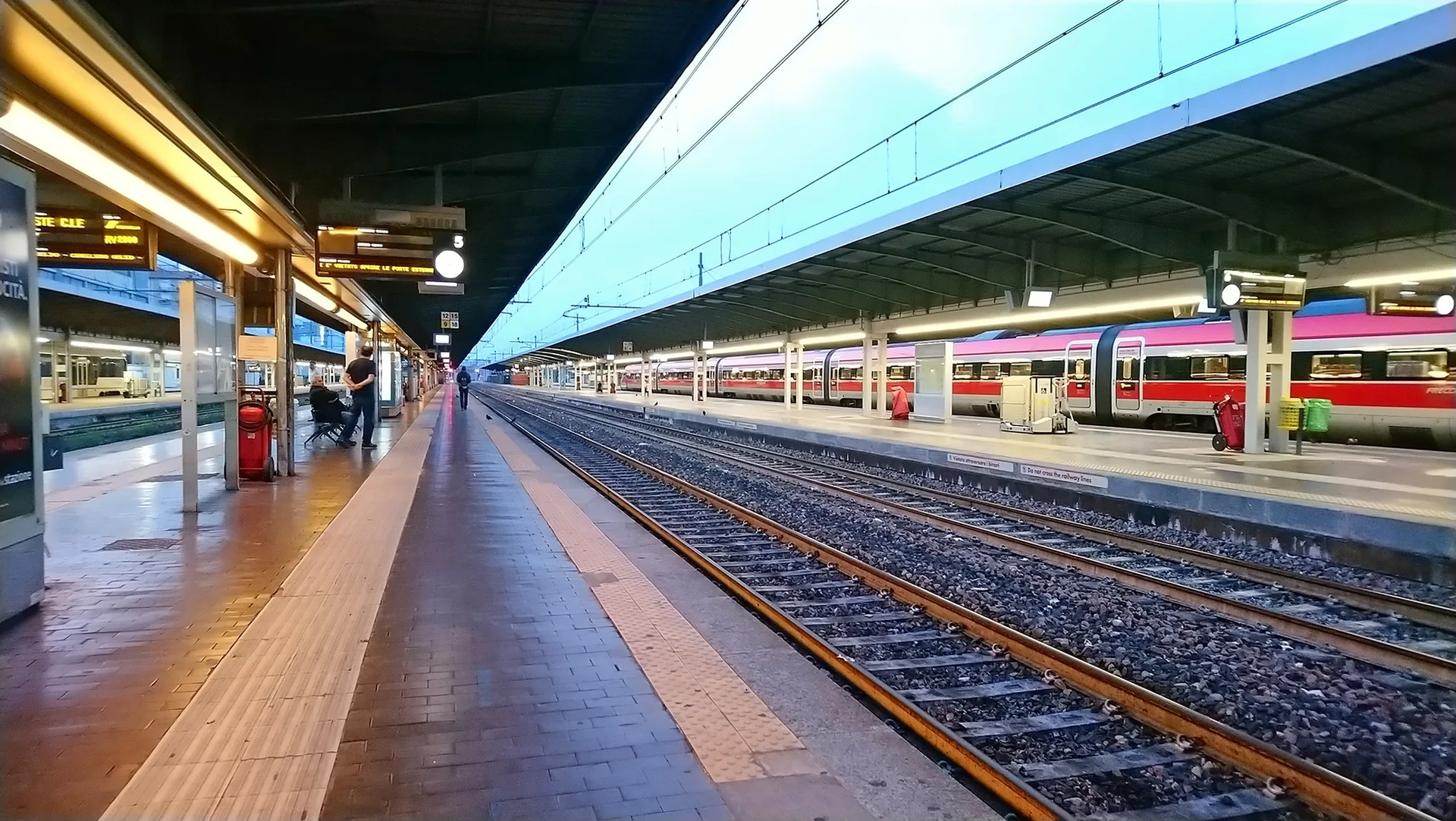
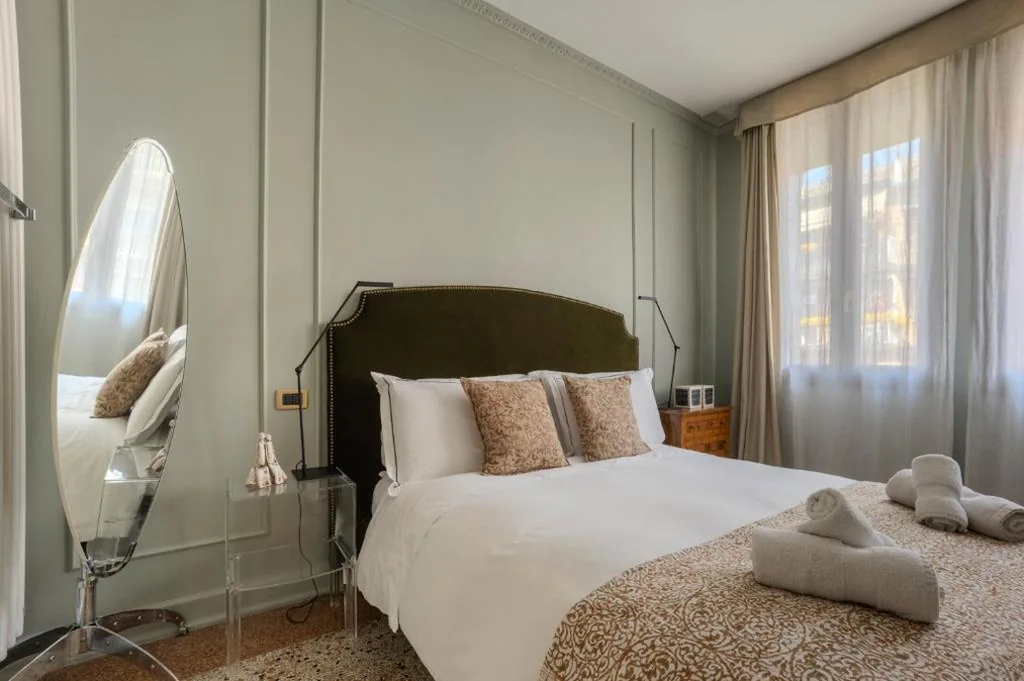
Colombo Bed & Breakfast Mestre
A well-equipped B&B in the centre of Mestre, with accommodation featuring a kitchen and free parking: a precious combination for those arriving by car who still want to reach Venice in minutes. Near the M9 museum and the connections to the station, it is the practical base for visiting the lagoon without giving up comfort.
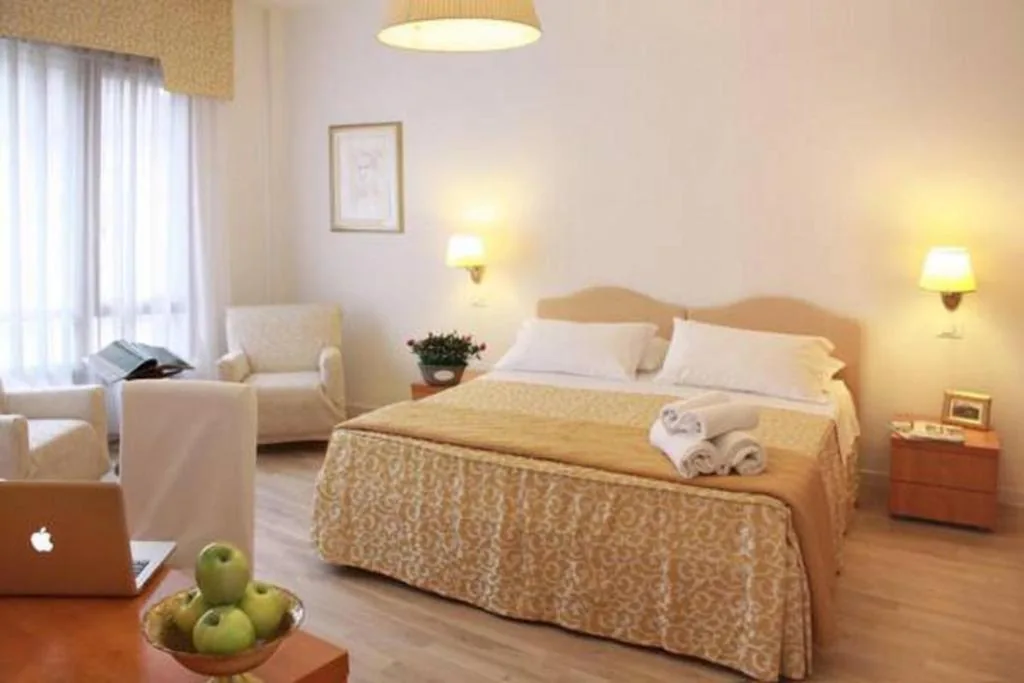
Residenza Giacomuzzi
Set in the pedestrian centre of Mestre, this residence combines private parking, a terrace and convenient connections to Venice: everything you need for a relaxed and affordable base. The rooms are spacious and well kept, and the quiet location lets you return in the evening after a day in the lagoon without a worry.
The Lido and alternative bases
Those seeking a more relaxed atmosphere can opt for the Lido di Venezia, the beach island linked to the centre by vaporetto in about twenty minutes: here you will find gardens, sea air and the chance to park the car, a rare luxury in the lagoon. It is perfect for families and for those who want to alternate sightseeing in Venice with a few hours on the beach. Another smart base is Chioggia and Sottomarina, the “little Venice” at the southern tip of the lagoon: canals, a fish market and a long sandy beach, from which Venice is reached by bus or, in summer, by ferry. These are ideal solutions for anyone combining an art city with seaside relaxation in a single trip.
From both the Lido and the lagoon bases it is worth devoting at least half a day to the islands: Murano with its historic glassworks, Burano with its brightly coloured houses and lace, and silent Torcello with its ancient basilica. The vaporetto links them all in sequence, and an island-hopping trip is often the finest memory of a Venetian stay. Guests staying in the centre or on the Lido reach them in barely half an hour, while from Chioggia it is best to set off early to make the most of the day.
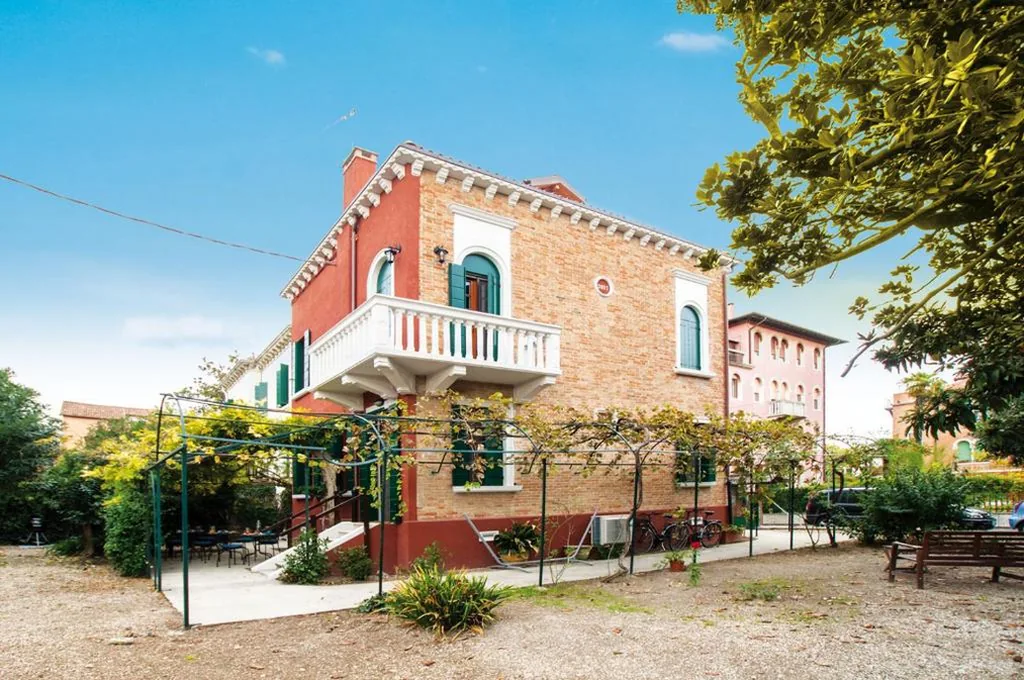
Villa Contarini B&B
A welcoming B&B on the Lido with a well-kept garden, a solarium terrace and free parking, a short distance from the beach and the vaporetto to St Mark’s. It is the right choice for those who want to visit Venice by day and rediscover the green calm of the island in the evening, with the convenience of arriving by car.
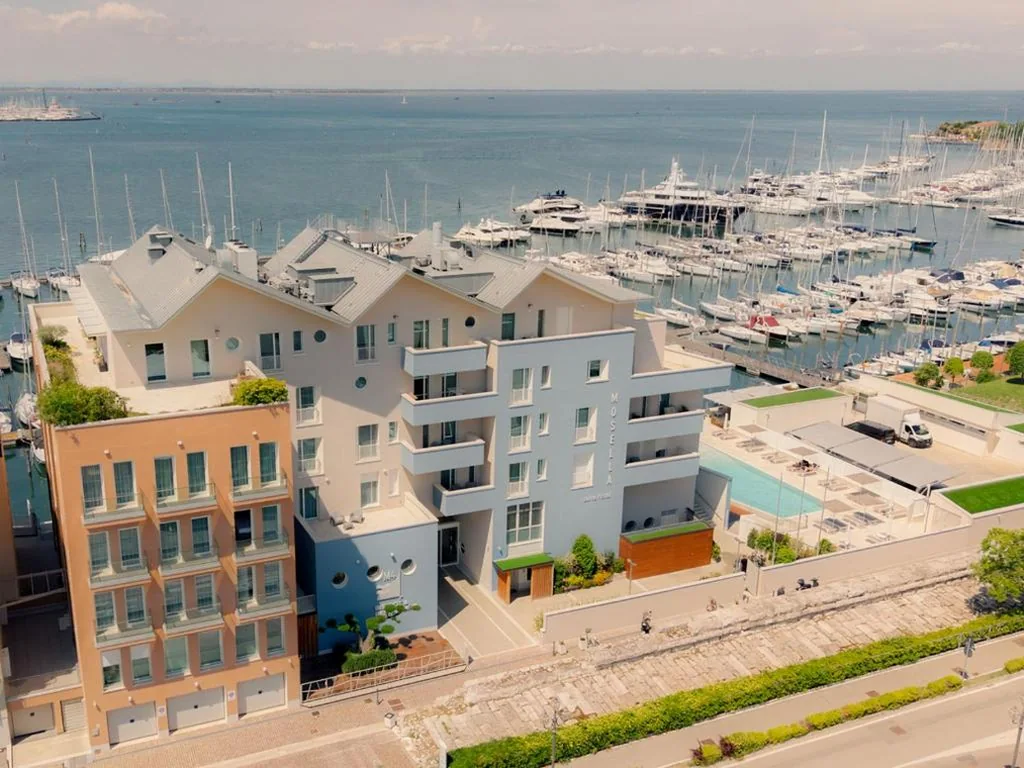
Mosella Suite Hotel
An elegant hotel overlooking the lagoon in Sottomarina, with a private beach, an outdoor pool, a fitness centre and an in-house restaurant: a seaside-flavoured base a stone’s throw from the canals of Chioggia, the “little Venice”. From here you reach the Venetian lagoon by bus or ferry, ideal for anyone combining the sea with an art city.
Practical tips: access fee, vaporetto and when to go
The access fee is the most talked-about novelty: in 2026 it applies on about sixty days between April and July, from 8:30 to 16:00, to day visitors only, aged 14 and over (5 euros if booked in advance, 10 at the last minute). Anyone staying overnight in a Venice property does not pay the fee: they are already subject to the tourist tax and receive the exemption code from their accommodation. It is one more reason to stay at least one night. To get around the city, the main means is the ACTV vaporetto: it is worth considering the timed tickets (24, 48 or 72 hours) if you plan many journeys or trips to the islands of Murano, Burano and Torcello. Otherwise, Venice is explored mainly on foot. If you plan to visit many museums, consider cumulative cards such as the Venezia Unica, which lets you combine transport and entries in a single purchase and skip some queues.
On when to go, spring and late autumn offer the best balance between climate and crowds; summer is hot and very busy, while winter gives you a more intimate city (with the possibility of acqua alta, signalled in advance and managed with raised walkways). In every season, the advice is to book your accommodation early, especially around Carnival, the Biennale and the major events, when the properties in the centre fill up quickly.
A final recommendation concerns the length of your stay. Many visit Venice in a single day, but the city deserves at least two nights: the first for the great classics — St Mark’s Square, the Doge’s Palace, the Rialto Bridge — the second to wander aimlessly among the sestieri, discover a bàcaro for an aperitif with cicchetti and admire the lagoon at sunset. With two or three nights you can comfortably add the island tour too, and the pace of the trip becomes far more pleasant. Whichever area you choose — historic centre, Mestre, Lido or Chioggia — staying overnight remains the key to experiencing Venice beyond its postcard image, and to enjoying it in its finest hours, when the city returns to its residents and to the lucky few who have decided to stay.
This guide is part of our journey through the region: discover every zone and destination in Where to stay in Veneto, the complete guide to where to stay in Venice and our tips on how to get to Veneto.
Frequently asked questions
Quick answers to the questions we are asked most often about where to stay to visit Venice.
Do overnight guests in Venice pay the access fee?
No. The access fee applies only to day visitors. Anyone staying overnight in a hotel, B&B or other accommodation in Venice is exempt, because they already pay the tourist tax: the property provides the exemption code at the time of booking. Staying at least one night, therefore, not only lets you experience the city without crowds but also avoids the fee charged to day trippers.
Is it better to stay in central Venice or in Mestre?
It depends on priorities and budget. The historic centre offers the most authentic experience — Venice at dawn and in the evening without crowds — but at higher prices. Mestre, on the mainland, costs noticeably less, often has parking and is about ten minutes by train from Santa Lucia. If you want atmosphere and price is no object, choose the centre; if you want to save or are travelling by car, Mestre is the most practical and convenient base.
Which is the best district to stay in Venice?
San Marco and Cannaregio are the most central and best served by vaporettos; Dorsoduro is elegant and handy for those arriving from Piazzale Roma and the station; Castello is quieter while remaining close to St Mark’s. There is no single “best” district: it depends on the kind of stay. For a first visit, Dorsoduro and San Marco offer the best compromise between location, atmosphere and connections.
How do you get around Venice?
Venice is explored mainly on foot: distances are short and every alley holds a surprise. For longer stretches and for the lagoon islands there is the ACTV vaporetto, with single or timed tickets (24, 48 and 72 hours), worthwhile if you plan many journeys. There are no cars in the centre. For Murano, Burano and Torcello the vaporetto is the only means, so it is worth planning the island trips in advance.
Where do you park the car to visit Venice?
You cannot drive into the centre: cars are left in the garages and car parks of Piazzale Roma or Tronchetto, which are however expensive and often full. The most convenient alternatives are to park in Mestre and take the train or tram, or to choose a property on the Lido or the mainland with parking included. Booking a parking space in advance is always advisable, especially in high season.
When is the best time to visit Venice?
Spring (April-June) and late autumn (October-November) offer the best balance between pleasant weather and fewer crowds. Summer is hot and very touristy, while winter gives you a more intimate and evocative Venice, with the possibility of acqua alta, signalled in advance and managed with raised walkways. In every period it is worth booking accommodation early, especially during Carnival, the Biennale and major events.