Holiday homes
Roma · Lazio
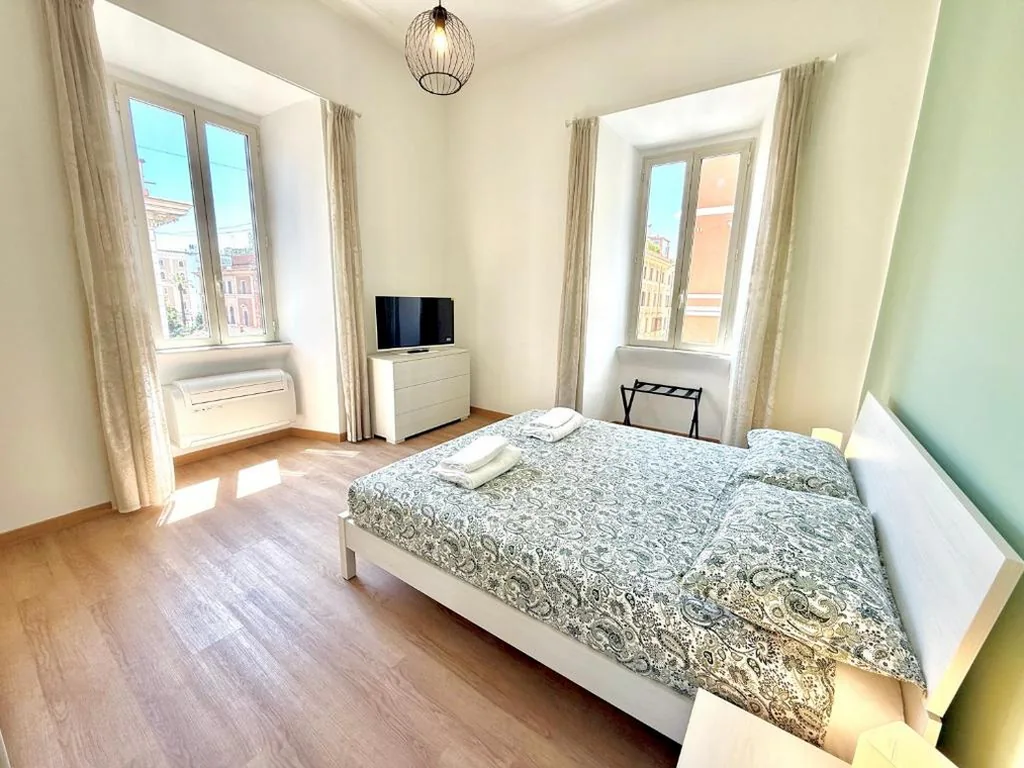
ETERNA Repubblica Apartment
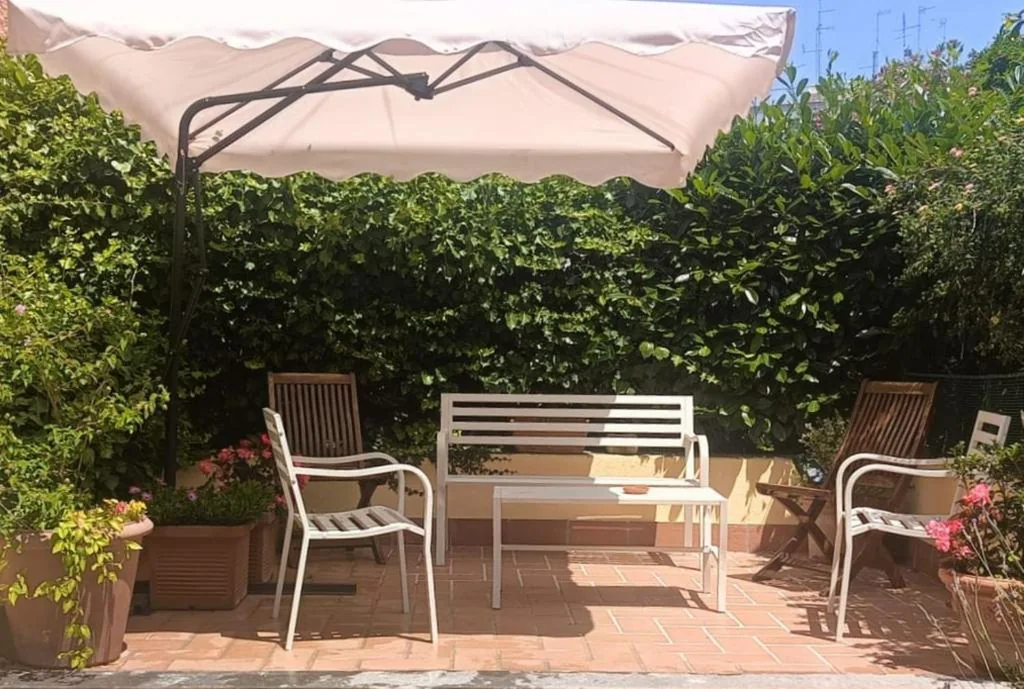
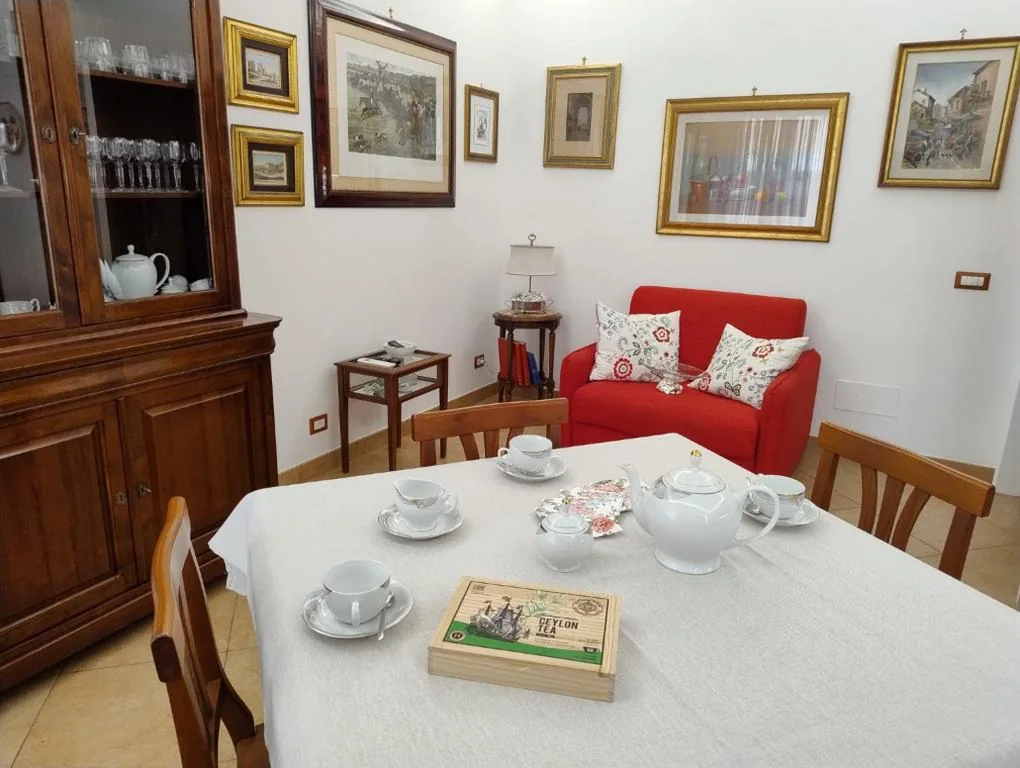
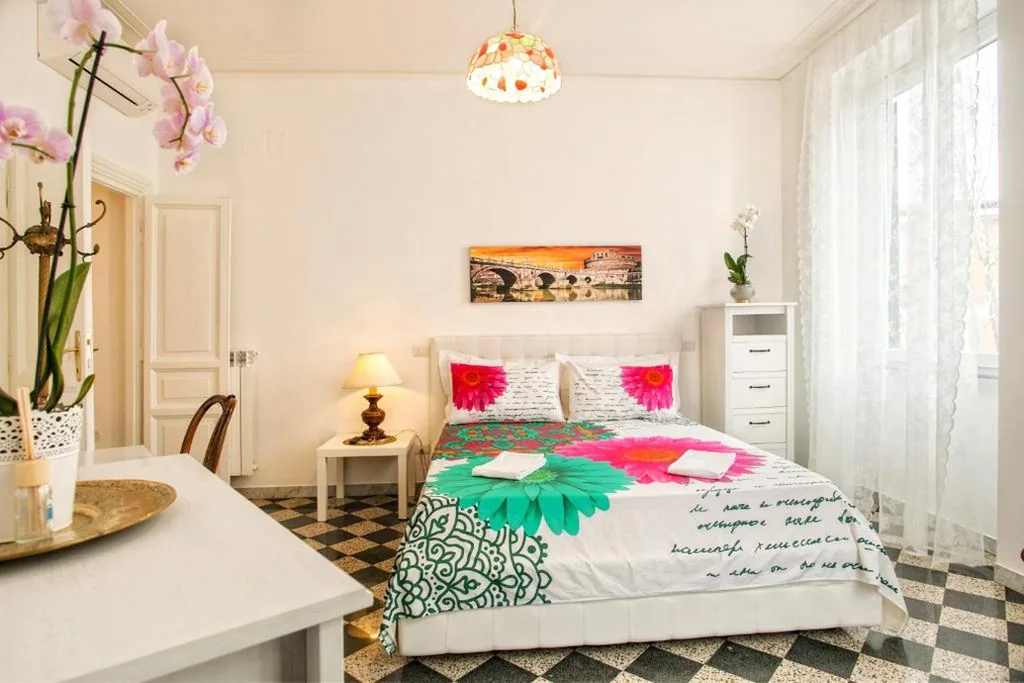
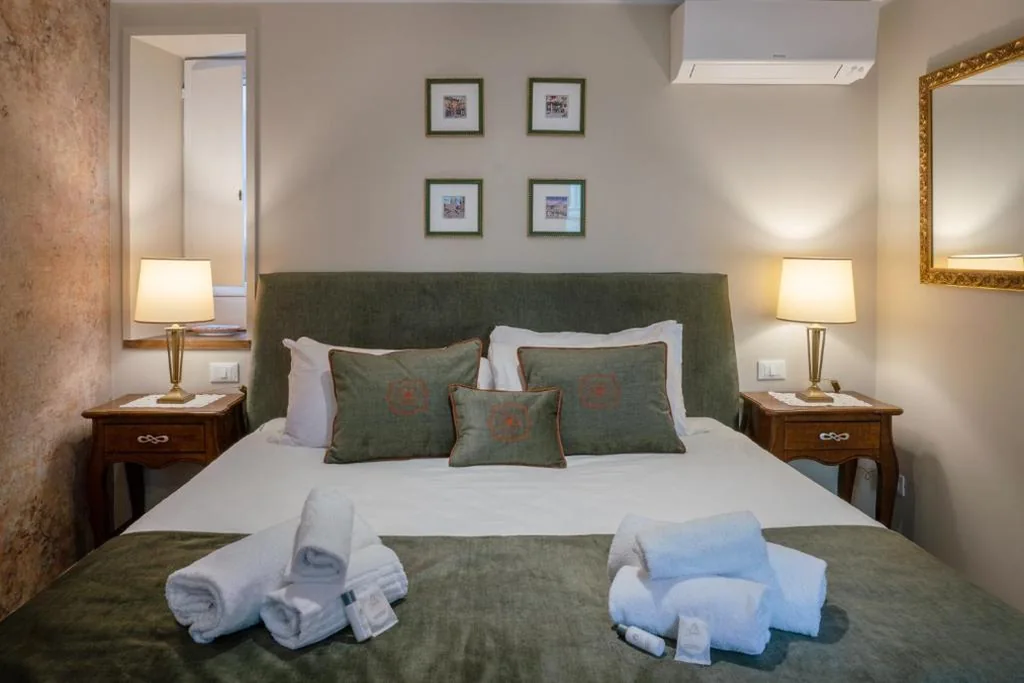
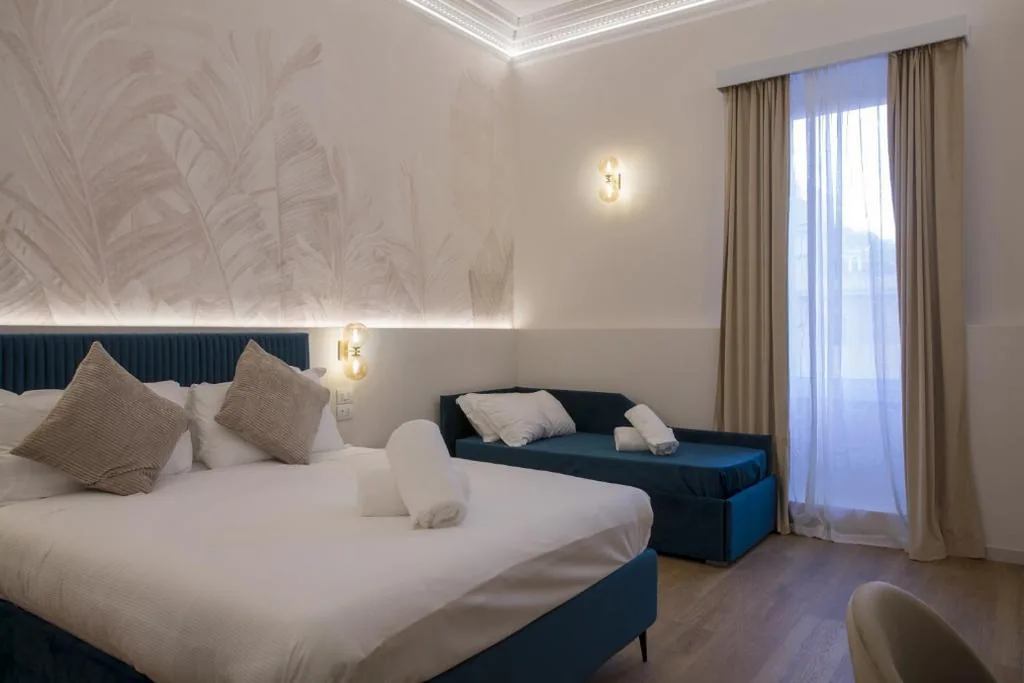
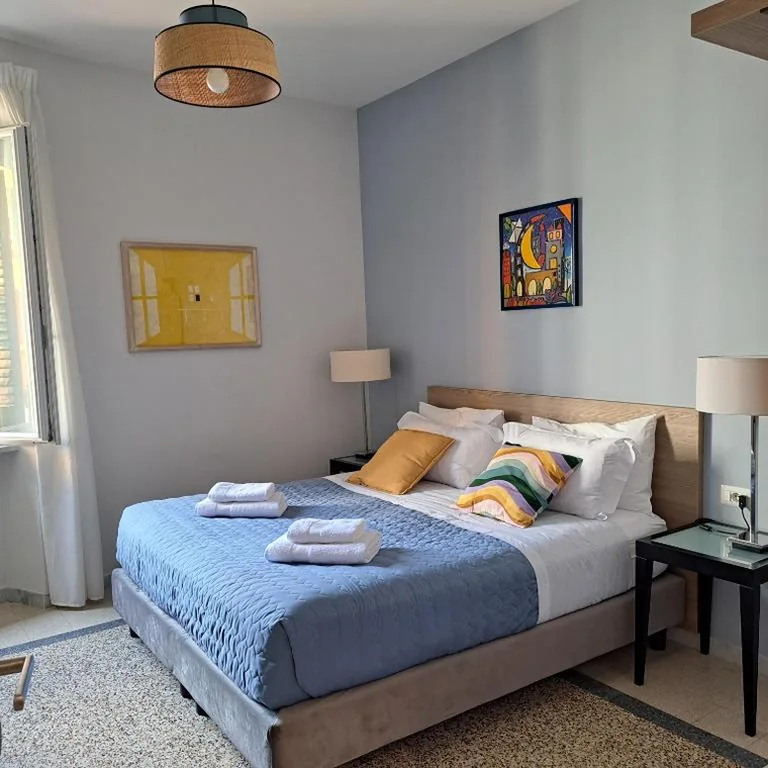
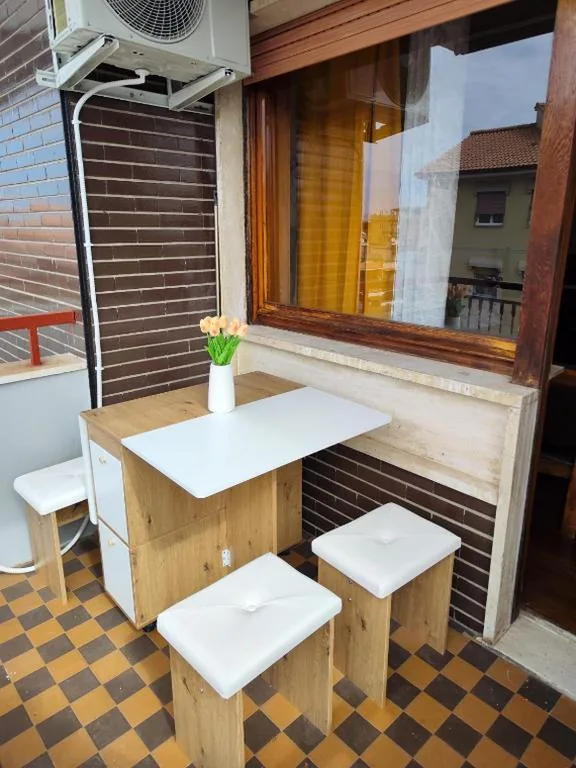
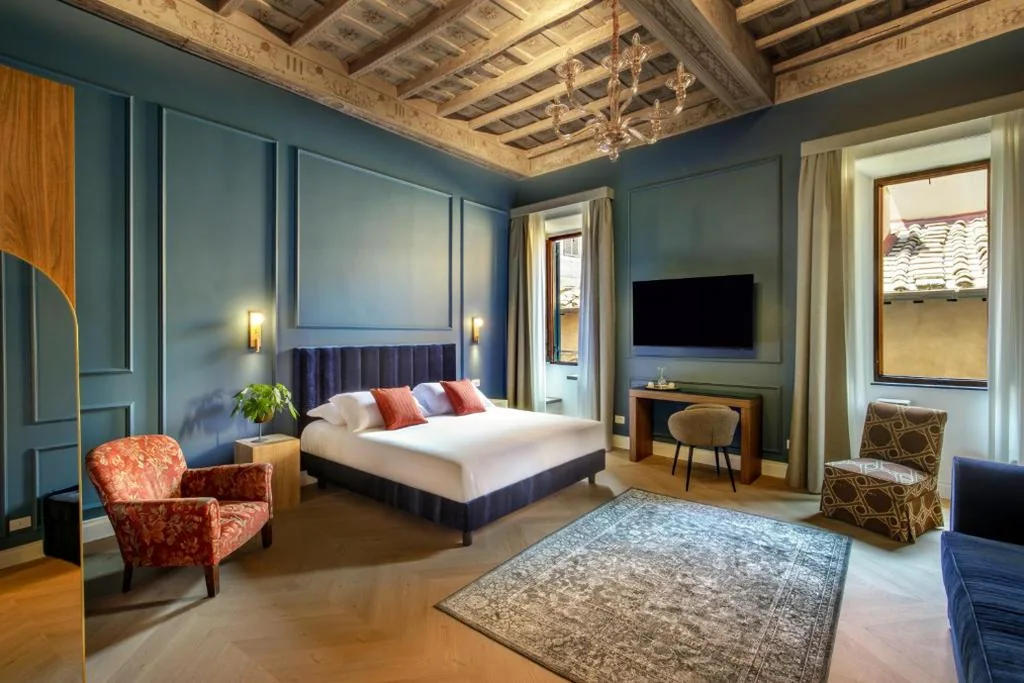
Modern apartment with air conditioning in the Castro Pretorio district, just steps from Termini, with a full kitchen and city views over Rome.
Hotels in
4.917 properties found
Rome is not confined to its best-known monuments: the UNESCO-listed historic centre spreads across twenty-two rioni enclosed by the Aurelian Walls, each with its own character, from the lanes of Trastevere to the stepped streets of Monti. Around them, the twentieth-century districts and the hill towns of the Castelli Romani widen the choice for anyone after lower prices or a quieter stay, still only minutes from the centre.
4.917 properties found
Modern apartment with air conditioning in the Castro Pretorio district, just steps from Termini, with a full kitchen and city views over Rome.
Independent holiday home in the San Giovanni district of Rome, with garden, fully equipped kitchenette and just steps from the metro.
Independent holiday home in the San Giovanni district of Rome, with a full kitchenette, air conditioning and excellent metro connections to the historic center.
Bed & breakfast in the Prati district of Rome, just a short walk from the Vatican Museums, with air-conditioned rooms, a balcony in some room types, and Italian breakfast served every morning.
Luxury apartment in the heart of Rome, a short walk from the Pantheon and Trevi Fountain, with balcony, city view and two air-conditioned bedrooms.
Luxury guest house steps from Piazza del Popolo, with air-conditioned suites, city views and quick access to Flaminio metro station, in the heart of Rome.
Air-conditioned holiday home in San Giovanni, Rome, with balcony and private kitchen, just steps from Porta Metronia metro station and the Colosseum.
Air-conditioned holiday home in Ostia Lido, just steps from the sea, with balcony, full kitchen and two bedrooms for families and small groups.
Boutique guest house in the heart of Rome, just steps from Campo de' Fiori and Piazza Navona, with air-conditioned rooms, Italian breakfast and free WiFi throughout.
The historic centre of Rome has been on the UNESCO World Heritage List since 1980, with later extensions in 1990 and 2015 that brought the site to include the extraterritorial properties of the Holy See and the basilica of San Paolo fuori le Mura. The protected area covers roughly 1,470 hectares and corresponds almost entirely to the twenty-two rioni enclosed by the Aurelian and Janiculum walls. Within this perimeter the city has catalogued more than twenty-five thousand points of environmental and archaeological interest: a density that explains why choosing where to stay matters more in Rome than almost anywhere else. The city has no single centre: ancient Rome around the Forum and the Colosseum, the Baroque city of the great squares and the Vatican area are three distinct poles, each a twenty-minute walk from the next.
Every rione has its own character. Monti, the oldest, mixes craft workshops and bars along the slopes of the Esquiline and the Imperial Forums. Trastevere, on the right bank of the Tiber, preserves a medieval fabric of lanes and squares that becomes one of the liveliest parts of the city after dark. Campo Marzio and Ponte enclose Baroque Rome around Piazza Navona and the Pantheon, while Testaccio, which grew up around the former slaughterhouse, has kept a working-class identity and a recognisable food tradition. Borgo, wedged between Castel Sant’Angelo and St Peter’s Square, is the natural choice for anyone visiting the Vatican Museums. Staying inside the walls means reaching most of the monuments on foot, but also accepting higher prices and streets that stay noisy well into the night.
Outside the historic perimeter the city changes pace. Prati, orderly and nineteenth-century in feel, sits a short walk from the Vatican and is well served by the metro. San Giovanni combines good connections with genuine neighbourhood life. Further south, Ostiense and Garbatella tell the story of industrial Rome and of the 1920s social housing estates, today among the most interesting areas for anyone returning to the city a second time. These districts generally offer noticeably lower rates in exchange for fifteen or twenty minutes on public transport, a trade-off worth weighing especially for longer stays. It is always worth checking the actual distance to the nearest stop: Rome’s surface network is dense, but the underground covers only a few corridors.
Three metro lines, an extensive bus and tram network and the regional rail service cover most journeys; the historic centre, however, is best crossed on foot, helped by a wide limited-traffic zone in force almost every day. Anyone arriving by car will find it easier to choose a property near a metro stop and leave the vehicle in a park-and-ride. Direct connections from Fiumicino and Ciampino airports to Termini are frequent: we have gathered timetables and alternatives in our guide on getting around Rome and Lazio.
Rome also works as a base for the rest of the region. Half an hour by train, Tivoli brings together two UNESCO sites, Villa d’Este and Villa Adriana. Towards the hills, the Castelli Romani string together villages overlooking the lakes of Albano and Nemi. To the north, Lake Bracciano offers protected shores and towns facing the water, while towards the sea Ostia Antica preserves the archaeological site of the ancient port, its streets and warehouses still legible in their original layout. With more time you can reach Viterbo and Tuscia, or head down the coast to Sperlonga and Gaeta, both a little over an hour and a half away.
Demand concentrates between April and June and over the Christmas period, when prices rise and booking well ahead pays off. September and October bring mild weather and smaller crowds; deep winter, holidays aside, is the cheapest window of the year. August stays hot with many businesses closed, but the city empties out and becomes unusually easy to move around. To find your way between districts and types of property we have gathered all our advice in the guide on where to stay in Rome, while to widen the view to the rest of the region you can start from where to stay in Lazio or from the Lazio page.