
Lazio revolves around Rome, and this holds for getting around too: the capital is the great hub from which the whole network branches out, between international airports, railway stations, regional lines and coach services. Understanding how to move is the secret to enjoying the region without stress, choosing the right means each time. In general the rule is simple: where the train reaches, take the train; where it doesn’t, you need a car; and for the islands there’s only the sea. Let’s go through it all in order, from the capital to the furthest destinations. To choose where to sleep too, our complete guide on where to stay in Lazio goes hand in hand with this one, area by area.
Arriving in Lazio: Rome’s airports
The gateway to the region is Rome’s two airports. Leonardo da Vinci at Fiumicino is the main one, with intercontinental flights and most European ones: it’s linked to the centre by the Leonardo Express, the direct, non-stop train to Termini station, which takes a little over half an hour and is the fastest, most reliable way to reach the city. Alternatively there are regional trains stopping at more stations, shuttle buses and taxis, which charge a fixed fare to the centre.
Ciampino, smaller and to the south of the city, mainly serves low-cost airlines and charter flights: you reach the centre by shuttle buses to Termini or by combining bus and train from the nearby station. Fiumicino is also handy for those heading straight to Lake Bracciano or the north of the region, while Ciampino is closer to the Castelli Romani and the south. In either case, if your trip begins or ends with a flight, sleeping near the airport or along the train line can save precious time.
Getting around Rome: metro, buses and on foot
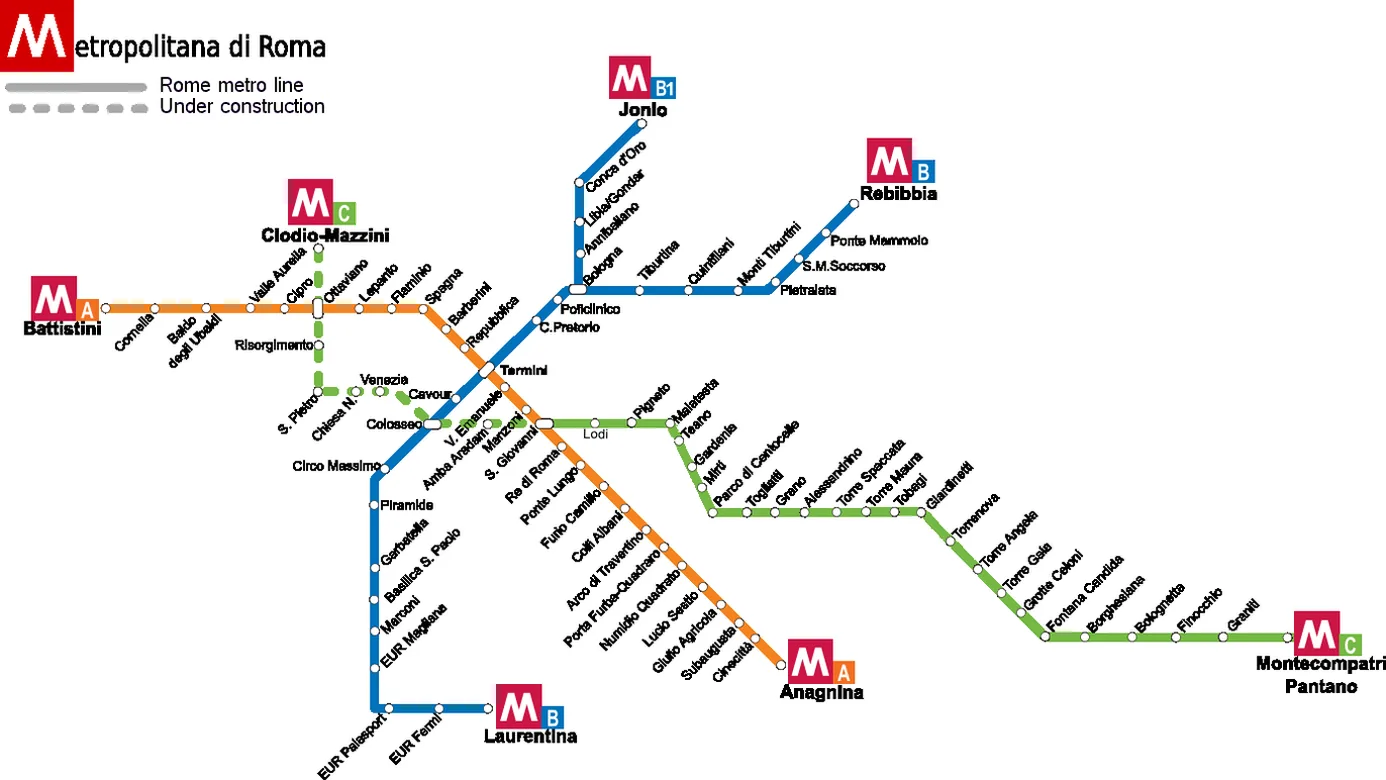
Within Rome the most efficient means is the metro, with three lines. Line A (orange) crosses the city from north-west to south-east and touches key points such as San Pietro-Vaticano, Piazza di Spagna and Termini; line B (blue) links Termini to the Colosseum and EUR; line C (green), the most recent, has been extended to the Colosseum, where it now interchanges with line B, bringing the monumental centre much closer. The three lines meet at Termini, the city’s great transport hub.
The metro, though, doesn’t reach everywhere — the historic centre, with its maze of lanes, is largely uncovered — and there the dense network of buses and trams comes into play, and above all your own legs: Rome is a city that’s wonderful to explore on foot, and often walking between one monument and the next is faster than waiting for a ride. The ticket is integrated across metro, buses and trams: the standard one lasts 100 minutes and lets you change means, while those staying several days can consider daily passes or tourist cards that include transport and museum entries. Tickets must be validated on board or at the gates.
A practical tip: download a maps-and-transport app before you set off. It will show you the lines, times and best route for each journey in real time, taking metro, buses and trams into account together. It’s the most useful tool for finding your way around a city as big as Rome, where the same journey may need different means depending on the hour and the traffic.
For evening or awkward journeys there are the taxis, white and metered, to be taken at the proper ranks or booked; be wary of anyone who stops you in the street offering rides. The choice of where to sleep makes a big difference to how easy getting around is: to find your way among the rioni and districts, see the guide on where to stay in Rome.
Rome without a car: why it pays off
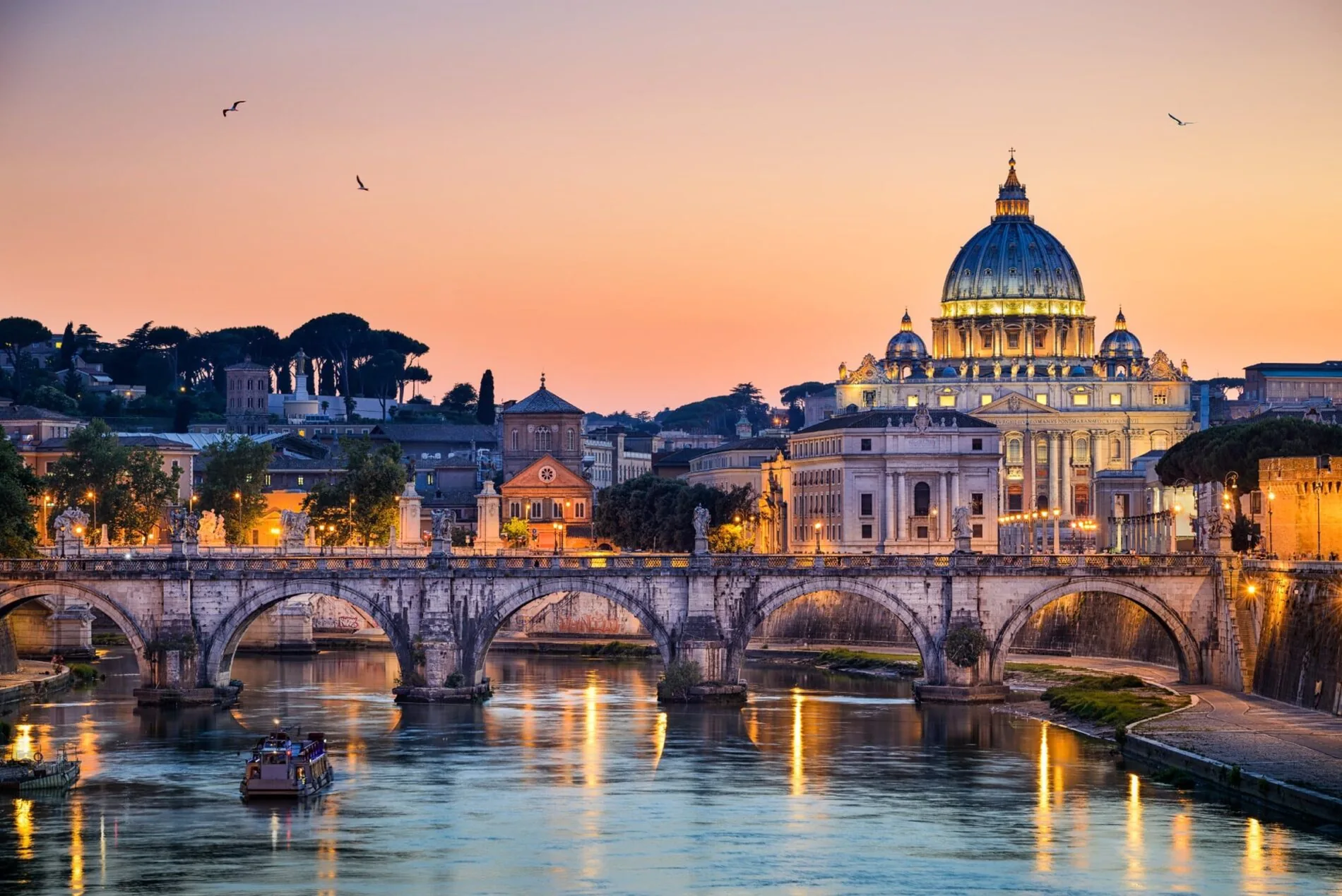
In Rome the car is almost always a burden rather than an advantage. The historic centre is covered by a ZTL, the limited-traffic zone, with camera-controlled entrances active over wide time bands; the traffic is heavy, central parking is scarce and expensive, and many streets are narrow or pedestrian. For those visiting the city, then, it’s best to leave the car aside and rely on public transport and walks.
If you arrive by car, the best solution is to choose a place with parking in a well-connected area, or to use the park-and-ride car parks near the metro stations, leaving the car and carrying on by public transport. The car only becomes useful when you leave the city for the destinations the train doesn’t reach well: but in that case it’s often better to hire one for the days you need, rather than leaving it idle in the city paying for parking.
Lazio by train: the regional network
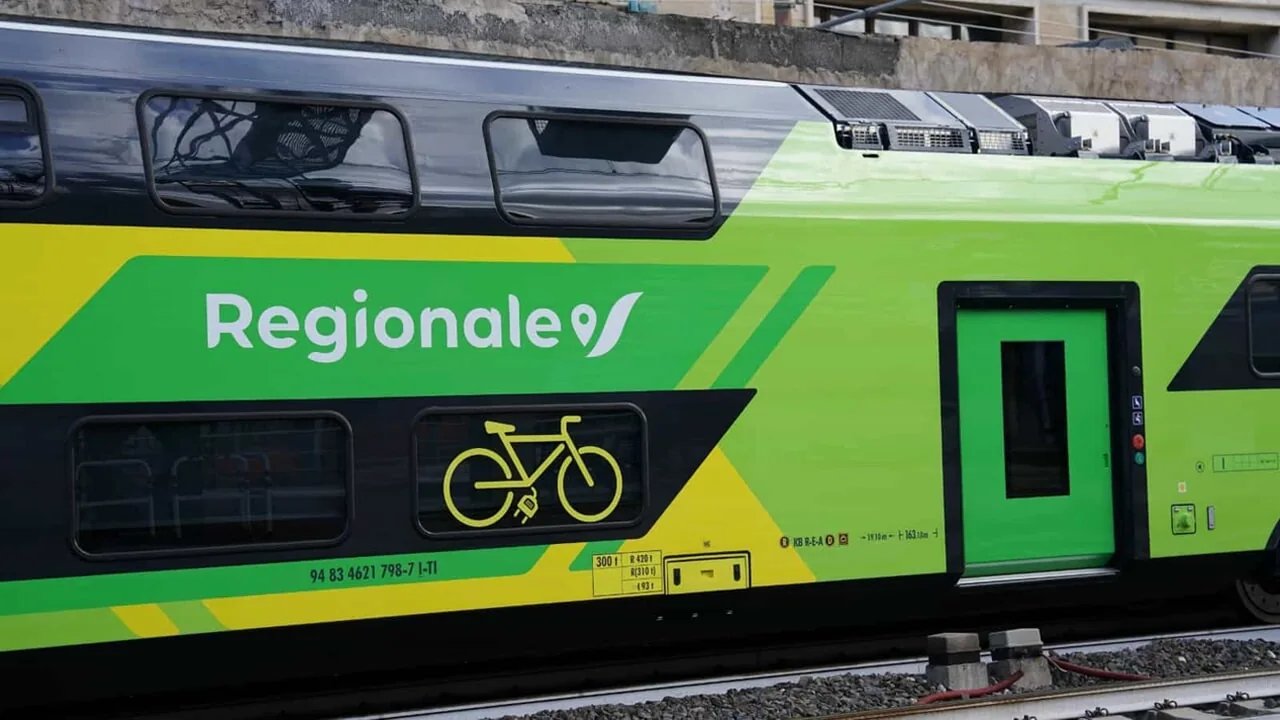
Many of Lazio’s finest destinations are easily reached by train from Rome, with no need for a car. The regional network, with the FL lines leaving from the capital’s main stations, covers much of the territory and is often the simplest, most affordable option.
Tivoli, with its UNESCO World Heritage villas, is served by frequent regional trains leaving from Rome (Tiburtina): you arrive in about an hour, with the station a few minutes on foot from the old town. Lake Bracciano is served by the regional line FL3 Rome–Viterbo, which stops at both Anguillara and Bracciano and is perfect for a day trip or a stay without a car. The same line continues to Viterbo, also reachable by the Roma Nord railway that leaves from Piazzale Flaminio: two handy options for the “city of the Popes”.
A good strategy, for those who don’t want to drive, is to use Rome as a base and make day trips by train: you leave in the morning, visit the destination and return in the evening, without changing hotel. It works wonderfully for Tivoli, Viterbo and Lake Bracciano, all reachable in an hour or a little more. Alternatively, those with more days can move their base for a few nights, sleeping directly in the area they want to explore.
Towards the south, the regional Rome–Naples line stops at Latina (Latina Scalo station, a few kilometres outside the town centre) and is the most direct way to the founding town and the Circeo base. The Rome–Cassino line instead serves Frosinone and the heart of Ciociaria. Near the capital, the line to Ostia links Porta San Paolo to the Roman coast and is effectively an extension of the metro. In all these cases the train lets you leave the car behind and enjoy the destination on foot.
The areas that call for a car
Not all of Lazio, though, is well served by the rails. Some of its most beautiful areas are made up of small, scattered centres, hilltop villages and countryside destinations that public transport links awkwardly or infrequently: here a car becomes almost essential for moving around freely.
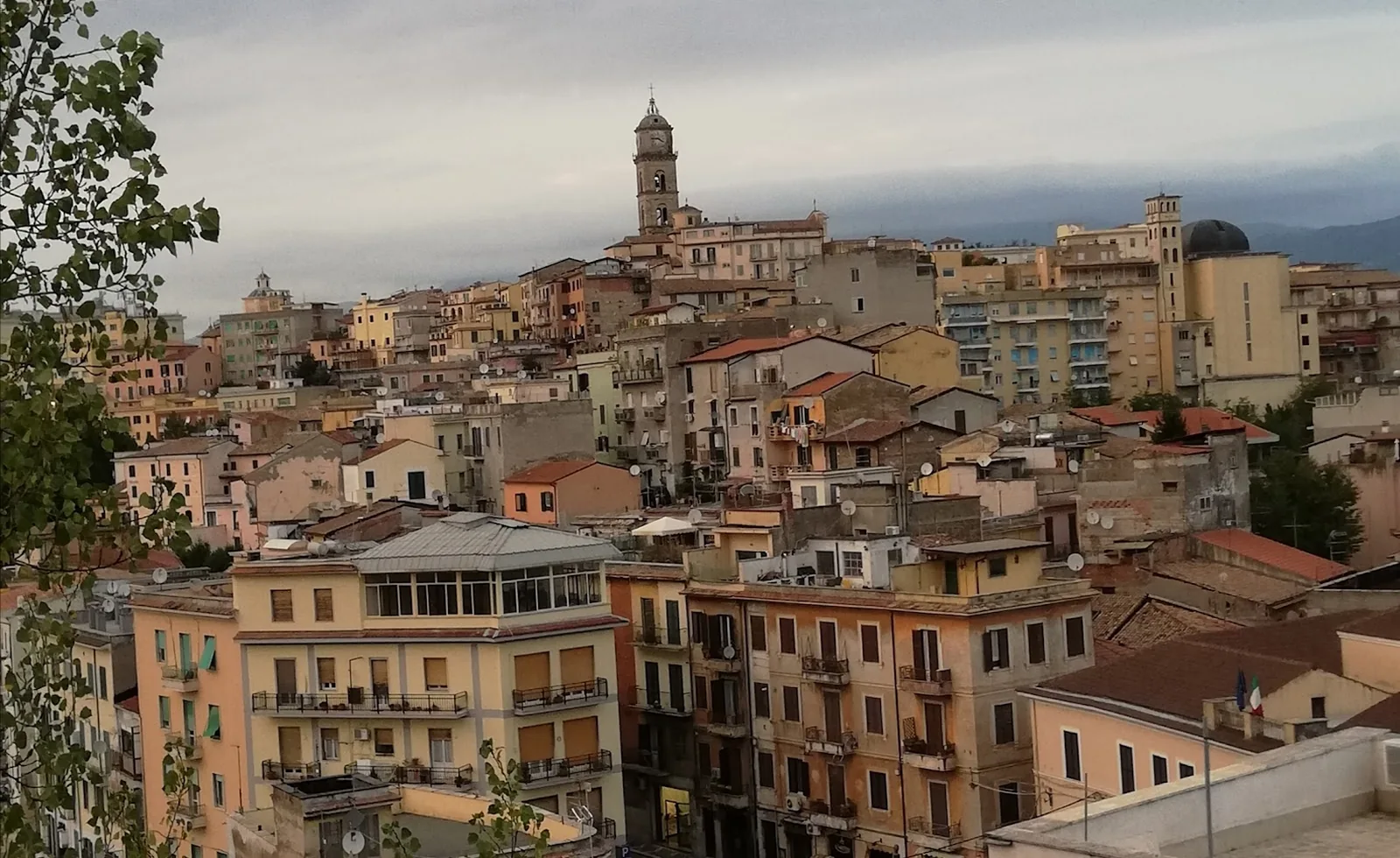
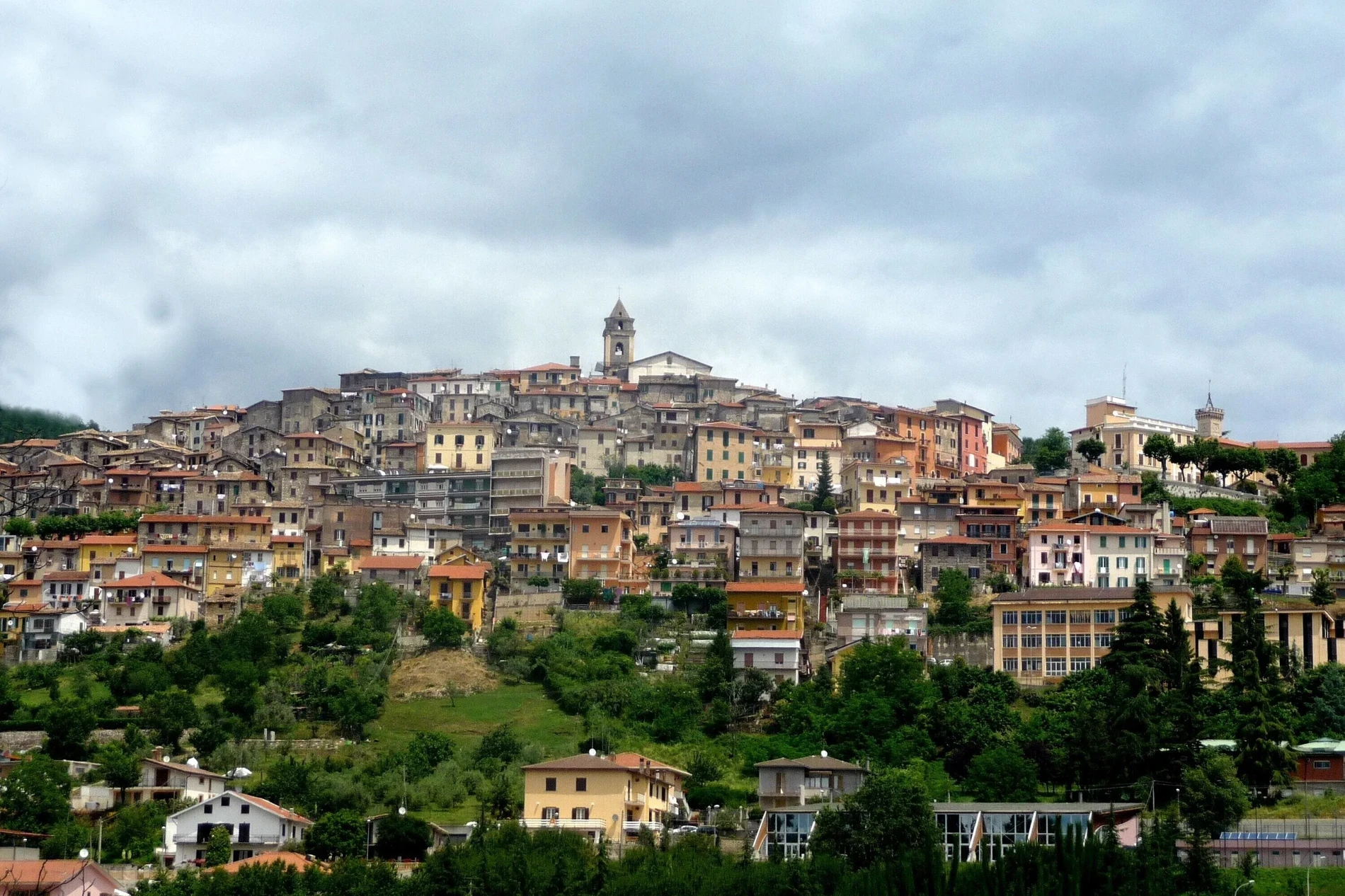
This is the case with Tuscia, where Viterbo is reachable by train but touring Civita di Bagnoregio, Lake Bolsena, Bomarzo and Tarquinia calls for a car; the Castelli Romani, easy to explore from one village to the next only with your own transport; Ciociaria, where the abbeys of Casamari and Trisulti and the villages around Fiuggi and Frosinone are scattered across the territory; and the Rieti Holy Valley, where the four Franciscan sanctuaries and Terminillo are best reached by car. Rieti, in particular, has no direct, convenient rail link with Rome: you get there mainly by car along the Via Salaria or by coach.
For the centres not served by the train, in fact, the network of regional coaches (the intercity buses linking Rome to the towns of Lazio) is a useful alternative, often combined with the train: this is how, for example, you reach Fiuggi and several inland villages. It remains a slower means, with times to check, suited to those in no hurry. In short, if your trip focuses on villages, countryside and small centres, count on a car; if instead you’re heading for the cities and the main destinations, you can often do without.
The islands: only by sea
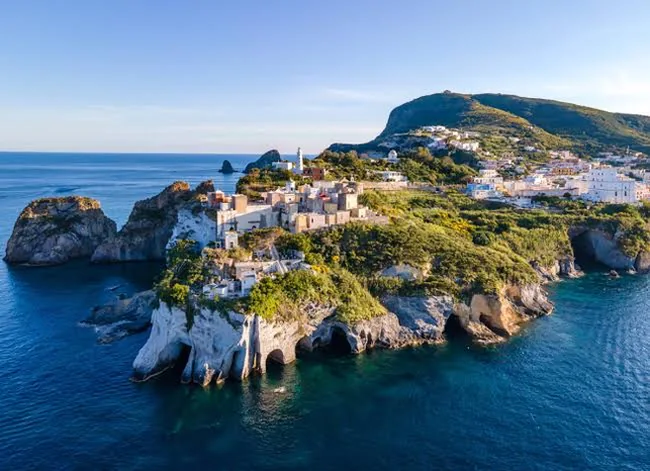
The Pontine islands — Ponza and Ventotene — are reached exclusively by sea, with ferries and hydrofoils leaving from the coastal ports. For Ponza the main departure points are Formia, running all year, and in season also Anzio, Terracina and San Felice Circeo; for Ventotene you sail from Formia and Anzio. In high season it’s worth booking your place in advance, as the crossings fill up quickly, and always check the times, which vary a lot between summer and winter.
On the islands, then, a car is discouraged and often subject to summer restrictions: the most practical thing is to leave it in the car parks at the departure ports and get around on foot, by boat or with the small local transport. Those arriving from the capital can combine the train to Formia with the ferry, avoiding the car altogether. How to organise it all, from the connections to the stay, is in the guide on where to stay in Ponza.
Which means for which destination
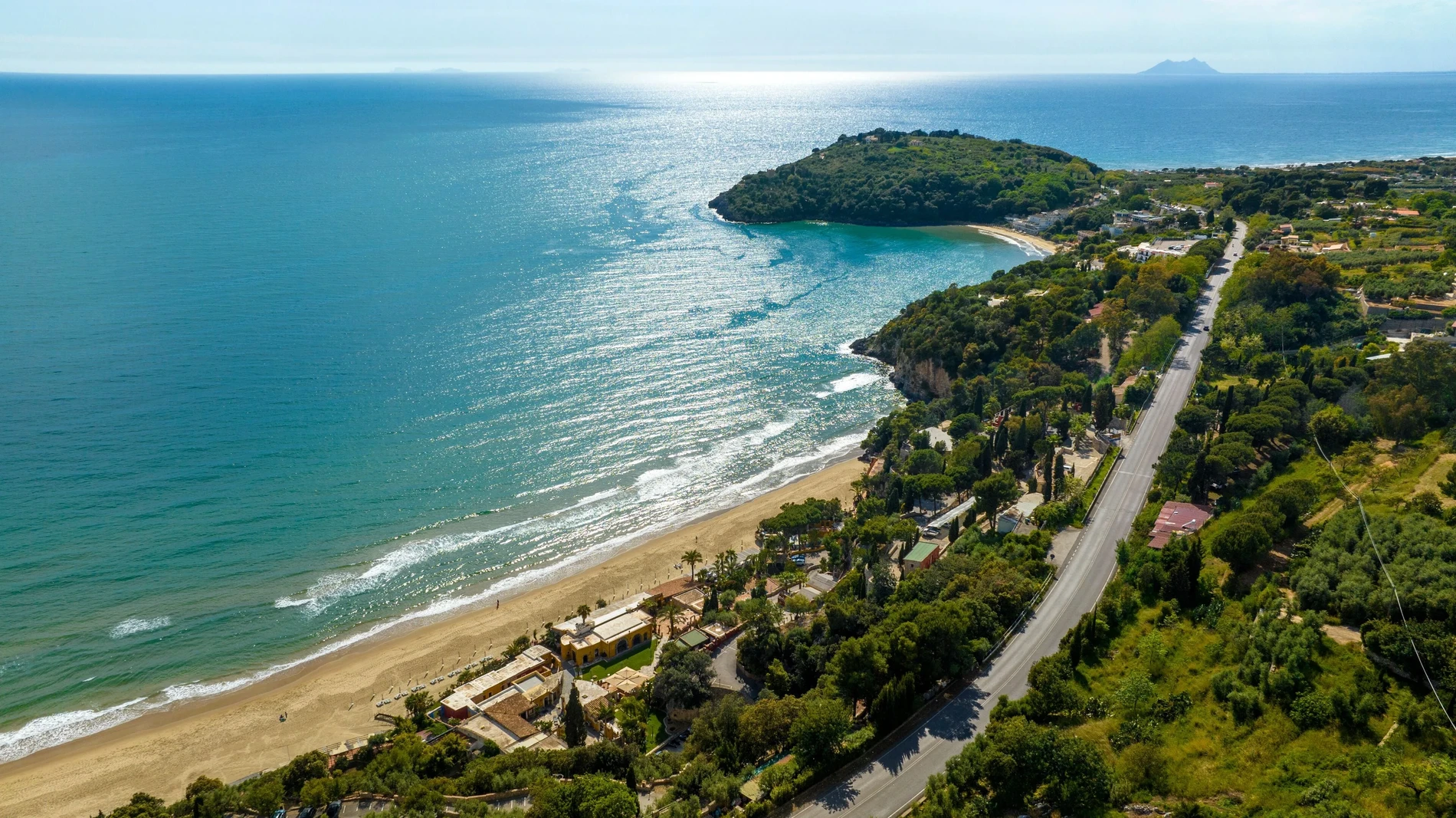
To sum up, the picture is fairly clear. For Rome and the well-connected urban destinations — Tivoli, Viterbo and Lake Bracciano — the train is the handiest, most affordable option, with no parking worries. For the sea of the Riviera di Ulisse and for Latina and Circeo, train and car are roughly equal depending on how much you want to move between beaches and villages.
For Tuscia, the Castelli Romani, the Ciociaria of Fiuggi and Frosinone and the mountains of Rieti, the car is almost always the right choice, because it lets you reach the villages and scattered sights freely. For Ponza and Ventotene, finally, there’s only one answer: the ferry. Choosing the means based on the destination, and not the other way round, is the best way to organise a trip in Lazio without a hitch.
Practical tips
A few small precautions make everything simpler. Always validate your public-transport tickets in Rome, to avoid fines. Check the times of regional trains and ferries in advance, especially off season and on public holidays, when services thin out. If you hire a car, keep the ZTL zones of cities and historic villages in mind and prefer places with parking. And for the islands, in summer, book your ferry place well ahead.
With a little planning, Lazio is wonderful to get around: the capital on foot and by metro, the main destinations by train, the villages and countryside by car, the islands by ferry. Once it’s clear how to move, all that’s left is choosing the stops: our guide on where to stay in Lazio gathers all the areas, with the small hotels we choose one by one for each.
Frequently asked questions
Quick answers to the questions we’re asked most often about getting around Rome and Lazio.
Do you need a car to visit Rome?
No, in fact it’s discouraged: the historic centre is covered by a ZTL, the traffic is heavy and parking is scarce and expensive. Rome is wonderful to get around on foot, by metro and with buses and trams. A car only pays off for leaving the city towards destinations the train doesn’t reach well, and even then it’s often better to hire one for the days you need.
How do you get from Fiumicino airport to the centre of Rome?
The fastest way is the Leonardo Express, the direct, non-stop train to Termini station, which takes a little over half an hour. Alternatively there are regional trains stopping at more stations, shuttle buses and taxis, which charge a fixed fare to the centre.
Which Lazio destinations can you reach by train from Rome?
Many: Tivoli with frequent regional trains, Lake Bracciano and Viterbo on the FL3 Rome–Viterbo line, Latina on the Rome–Naples line, Frosinone on the Rome–Cassino line and the Ostia coast. For these destinations the train is the handiest, most affordable option, with no parking worries.
Which areas of Lazio need a car?
Tuscia (beyond Viterbo), the Castelli Romani, Ciociaria and the Rieti Holy Valley: these are areas made up of villages and scattered sights that public transport links poorly. Rieti, in particular, has no direct, convenient rail link with Rome. For these itineraries a car is almost essential.
How do you reach Ponza and Ventotene?
Only by sea. For Ponza, ferries and hydrofoils run all year from Formia and, in season, also from Anzio, Terracina and San Felice Circeo; for Ventotene from Formia and Anzio. In high season it’s worth booking your place in advance. On the islands a car is discouraged: better to leave it at the departure port.
Is it better to get around Lazio by train or by car?
It depends on the destination. For Rome and the well-connected cities the train is handier and lets you avoid traffic and parking; for the villages, the countryside and the scattered inland sights the car gives more freedom. Many travellers combine the two: train for the cities, hire car for the areas that call for it.