
In Rome you don’t choose a hotel, you choose a neighbourhood. The gap between a perfect trip and an exhausting one comes down to the area you sleep in, not the extra star on the sign. This guide covers the seven bases we genuinely recommend — with the small hotels we hand-pick one by one, with care, never by hearsay.
One figure to frame the city: in 2025 Rome hit a record of 22.9 million arrivals and almost 53 million overnight stays, with the Jubilee year driving the surge. In plain terms: booking early and picking the right area matter more than ever.
Which area is right for you, in one line
- First visit, monuments on foot → Historic centre, between the Pantheon and Piazza Navona
- Character and archaeology → Monti and the Colosseum
- Atmosphere, restaurants and nightlife → Trastevere
- Families, pilgrims and elegant quiet → Prati and the Vatican
- Budget and train arrivals → Termini and Esquilino
- Authentic, residential Rome → Testaccio and Aventino
- The centre as locals live it → Campo de’ Fiori and the Ghetto
Historic centre: sleeping between the Pantheon and Piazza Navona
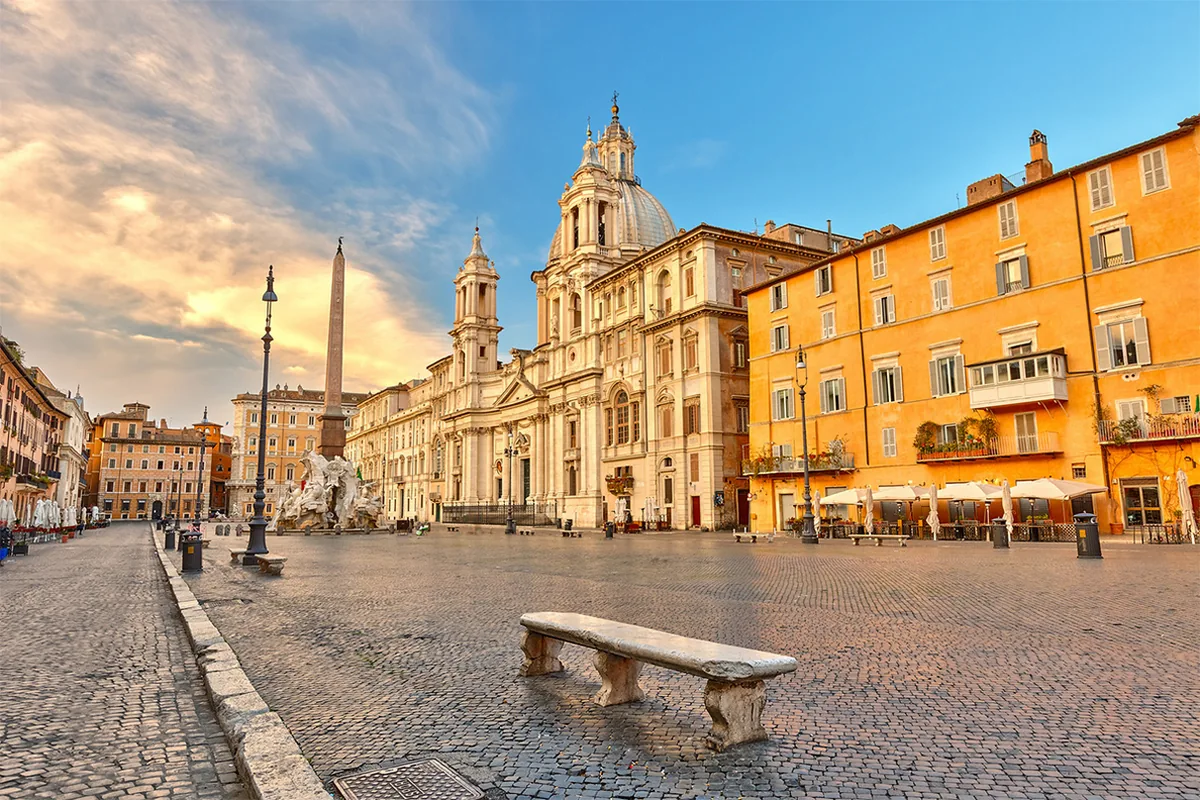
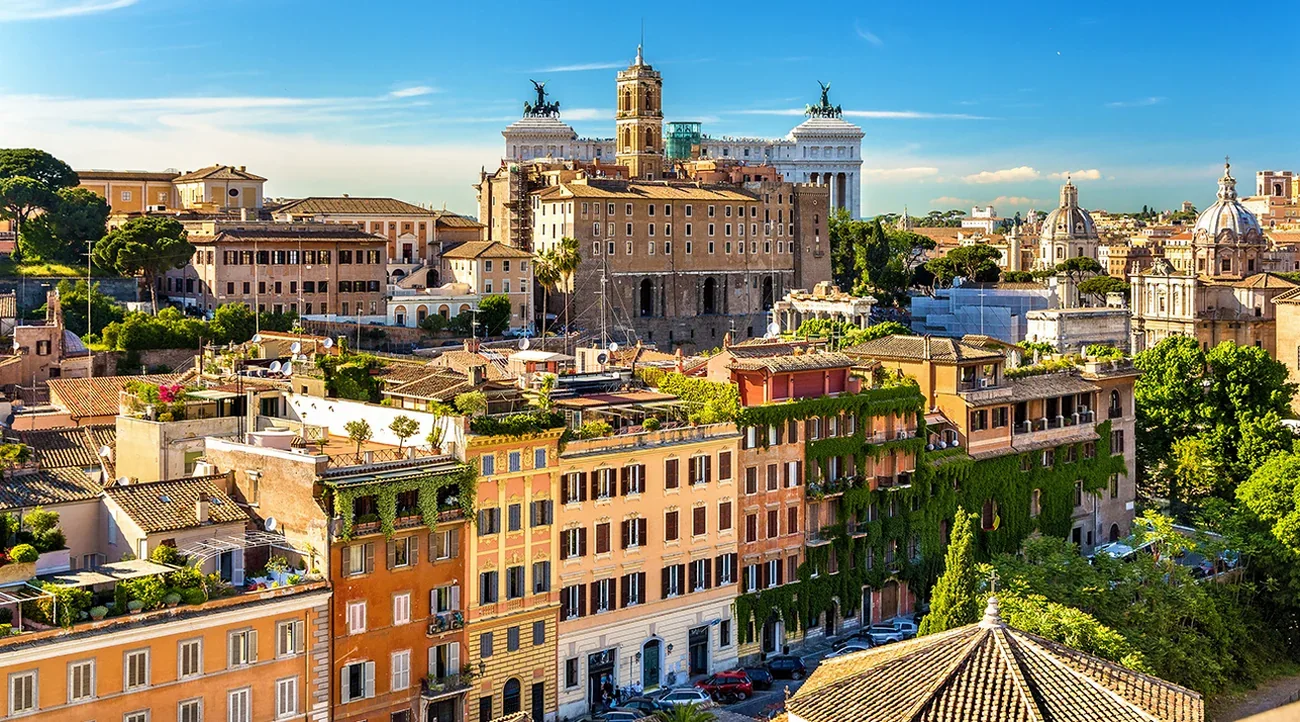
This is picture-postcard Rome and the safest choice for a first visit: from the Pantheon to the Trevi Fountain, from the Spanish Steps to Piazza Navona, the great sights simply line up as you walk.
The historic centre is largely pedestrian, poorly served by the metro but perfectly served on foot. It isn’t the cheapest area — but it’s the one where you waste no time on transfers and can pop back to your room for a midday break.
Who it’s right for
For a first Roman holiday, for a short weekend where every hour counts, and for couples who want to go out in the evening and walk home. Less suited to anyone chasing low prices or parking: here a car is only a headache.
The two places we choose in the heart of the centre:
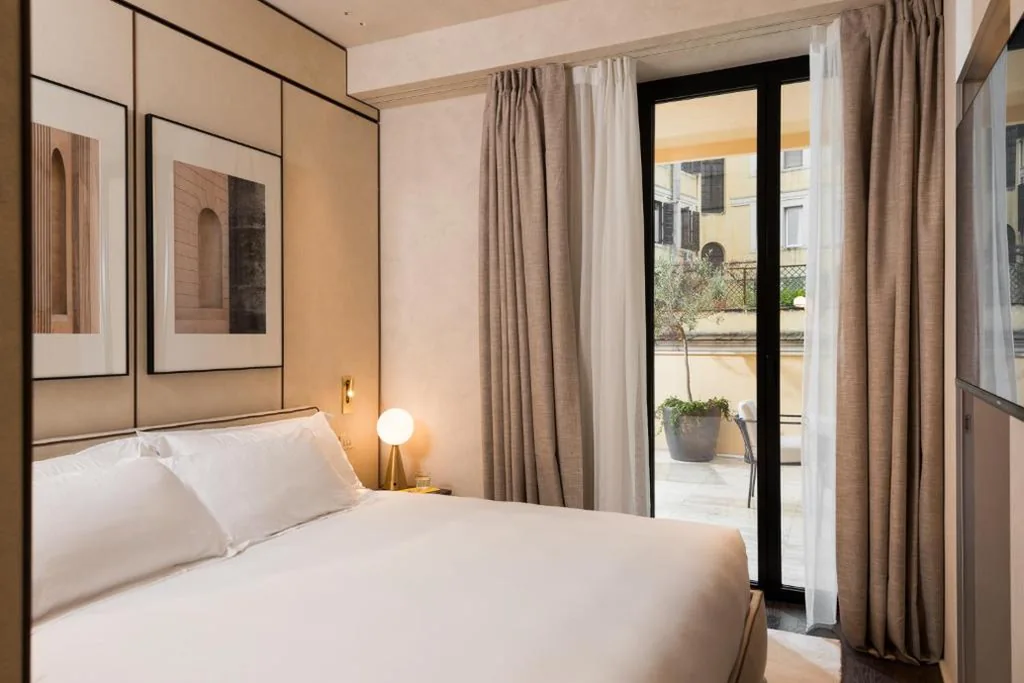
master Trevi
Apartments with their own kitchen a few metres from the Trevi Fountain: the right formula if you’re staying a few nights and want independence without giving up the location. Having a stove and the space of a home, right in the historic centre, changes the rhythm of a trip. Ideal for families and longer stays.
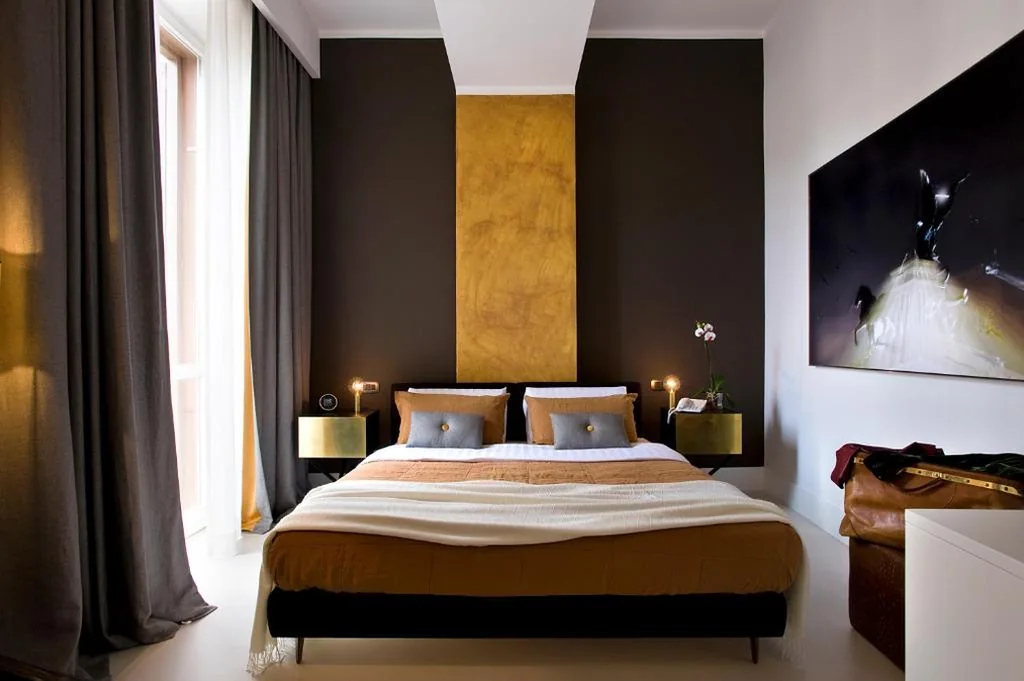
Piazza di Spagna 9
An address that is already a statement: you sleep right on the square of the Spanish Steps, with an in-house hammam and tastefully finished rooms in the hushed quiet of the upper centre. It’s the romantic side of the area, for those who want to wake up already inside the postcard. Book ahead: rooms are few.
Monti and the Colosseum: bohemian charm over the ruins
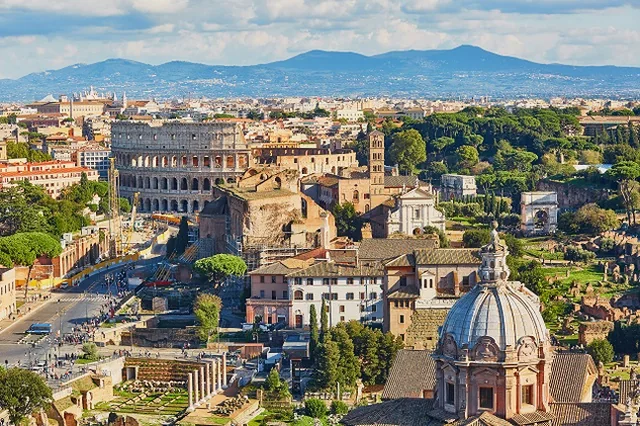
Monti is the district repeat visitors love most: cobbled lanes, artisan workshops, wine bars and trattorias a stone’s throw from the Colosseum and the Imperial Forums. Genuine neighbourhood character, with the greatest archaeology in the world around the corner.
The big practical news for 2026 is right here: in December 2025 Metro line C opened the Colosseo/Fori Imperiali and Porta Metronia stations, putting the archaeological heart directly on the underground.
Beyond the headline sights, Monti rewards the details: the little Piazza della Madonna dei Monti with its fountain, the streets of craft and vintage shops, the aperitivo crowd on the steps at sunset. It’s a quarter that repays those who take it slowly.
Who it’s right for
For travellers who want atmosphere and monuments together, for couples who love dining out in a place with a soul, and for anyone with the Colosseum at the top of the list. Less suited to those after large rooms or absolute quiet on weekend nights.
The two we recommend between Monti and the Colosseum:
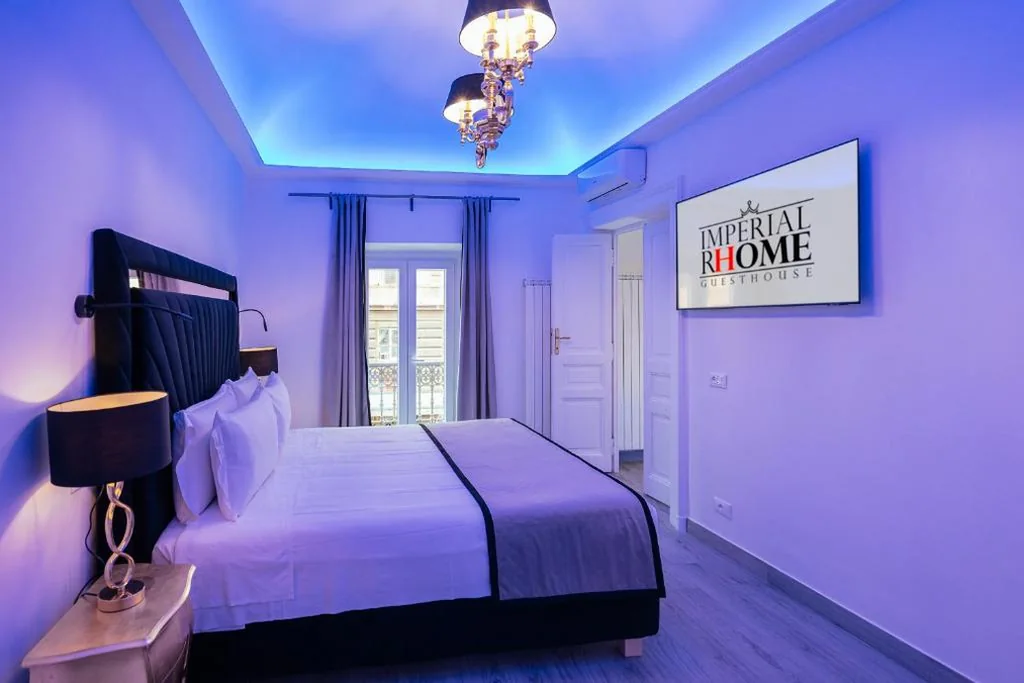
Imperial Rhome Guest House
On Via Cavour, the backbone of Monti, walkable to the Colosseum and with the metro (line B, Cavour stop) right downstairs: rooms with a kitchenette to sort out breakfast or a quick dinner. The kind of address where the host explains the city better than any guidebook. Perfect for a first, worry-free Rome.
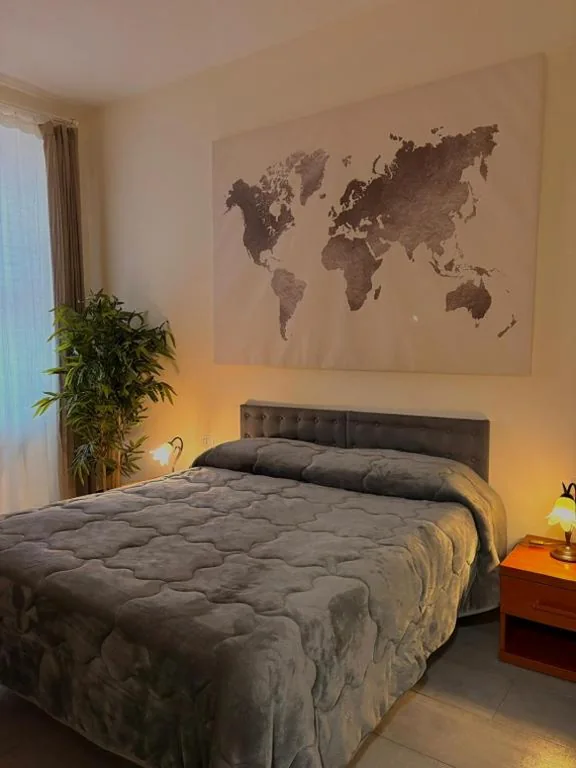
Sole E Luna
In a historic building in Monti, two steps from the Colosseum and with the Manzoni metro (line A) close at hand: a full-centre position at a price that, for the area, stays fair. Simple, air-conditioned rooms with a private bathroom in a period setting. A safe bet for value in the very heart of Rome.
Trastevere: sleeping in the Rome of the evenings
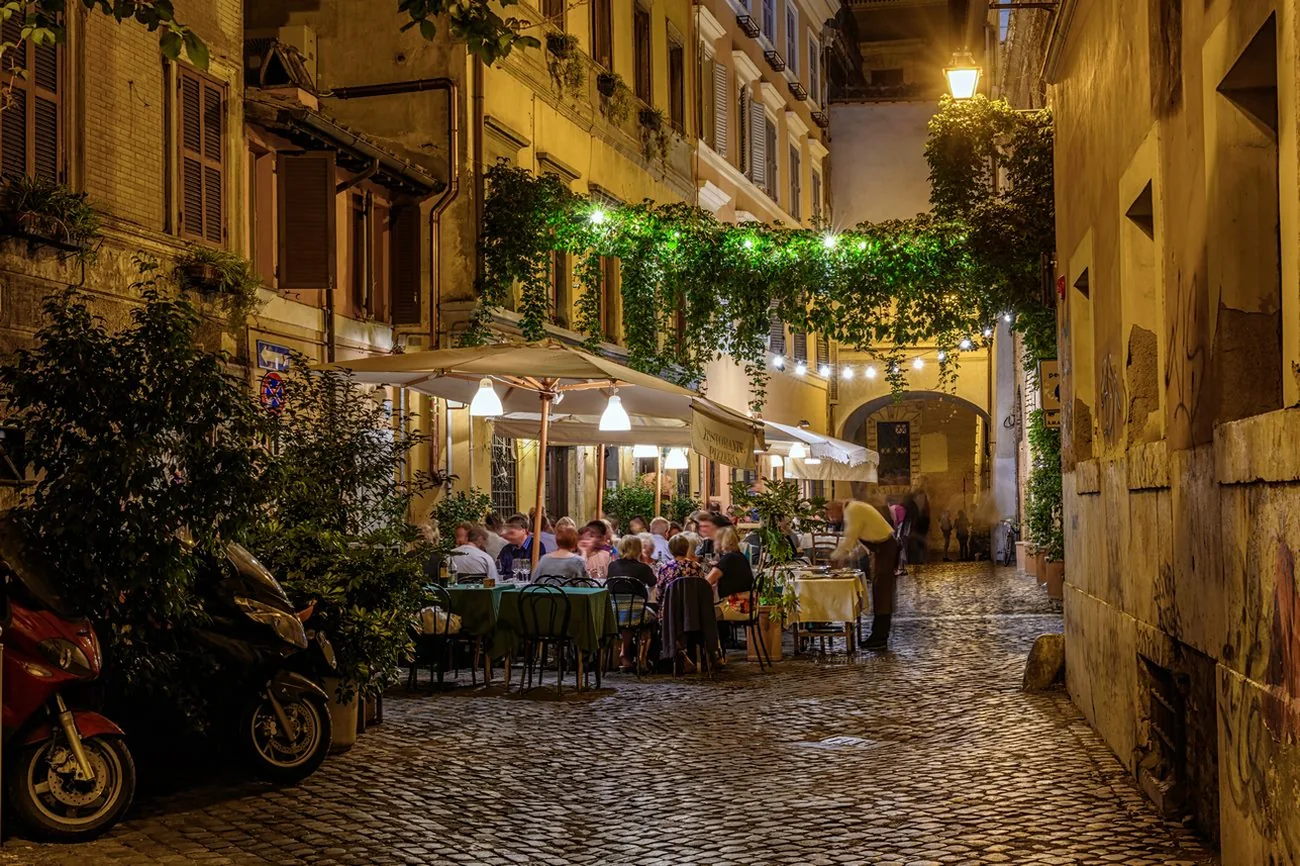
Across the river, Trastevere is the postcard district for atmosphere: little squares, ivy, trattorias and a nightlife that never quite goes quiet. Staying here means living nocturnal Rome on foot, without worrying about how to get back.
The honest flip side: on weekends and in summer the evenings are noisy until late. If you’re a light sleeper, choose an inner room or a tucked-away lane away from the main squares.
By day the mood changes completely: the Basilica of Santa Maria in Trastevere, the flower-filled alleys and the climb up the Janiculum for one of the finest views over the city give back a surprisingly calm quarter, far from the evening crowds.
Who it’s right for
For those who put atmosphere and dining out at the top of the list, for couples and younger travellers. Less suited to anyone who wants an early night or the convenience of the metro, which doesn’t reach here.
The two best in the heart of Trastevere:
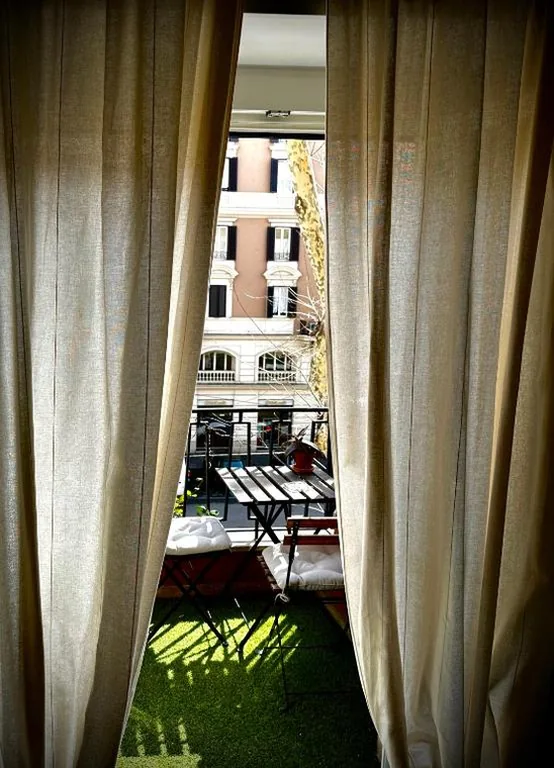
InTrastevereHouse B&B
On the avenue that cuts through the district, well served by the tram and a short walk from the squares: a well-kept B&B where the location does half the work and the welcome the other half. Handy too for anyone arriving from Termini or Trastevere station. A good base to live the evenings with no transfers.
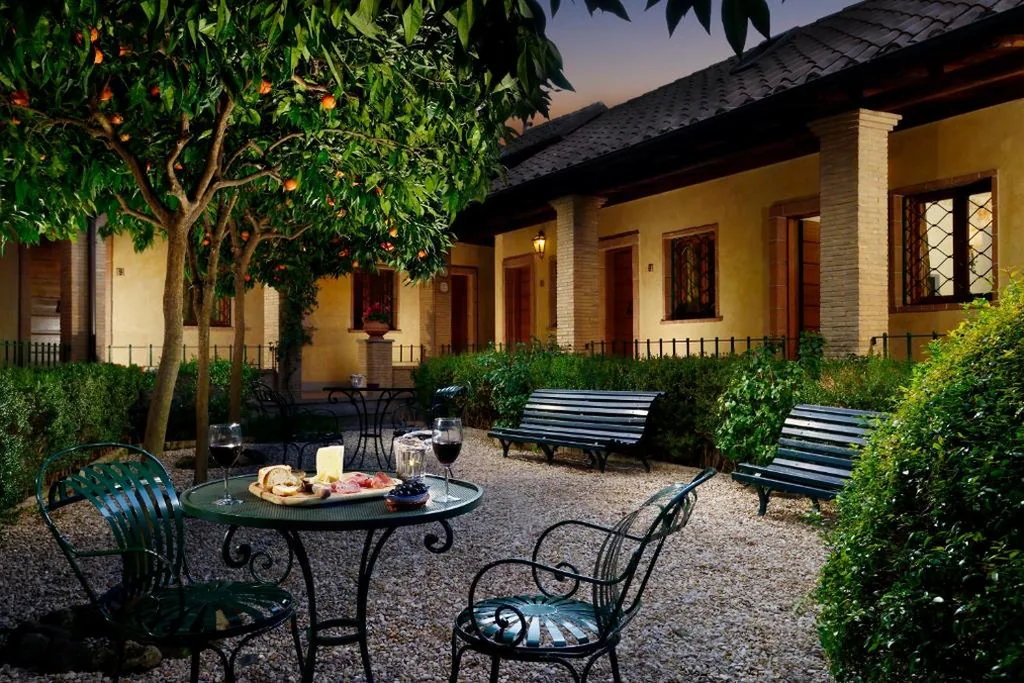
Hotel Santa Maria
A rare proper hotel in the maze of Trastevere, built around a silent cloister: an unexpected pocket of calm a few steps from the buzz. Ground-floor rooms around the garden, house bicycles and long-standing management. The right choice if you want the neighbourhood’s atmosphere but the service of a hotel.
Prati and the Vatican: elegance, families and pilgrims
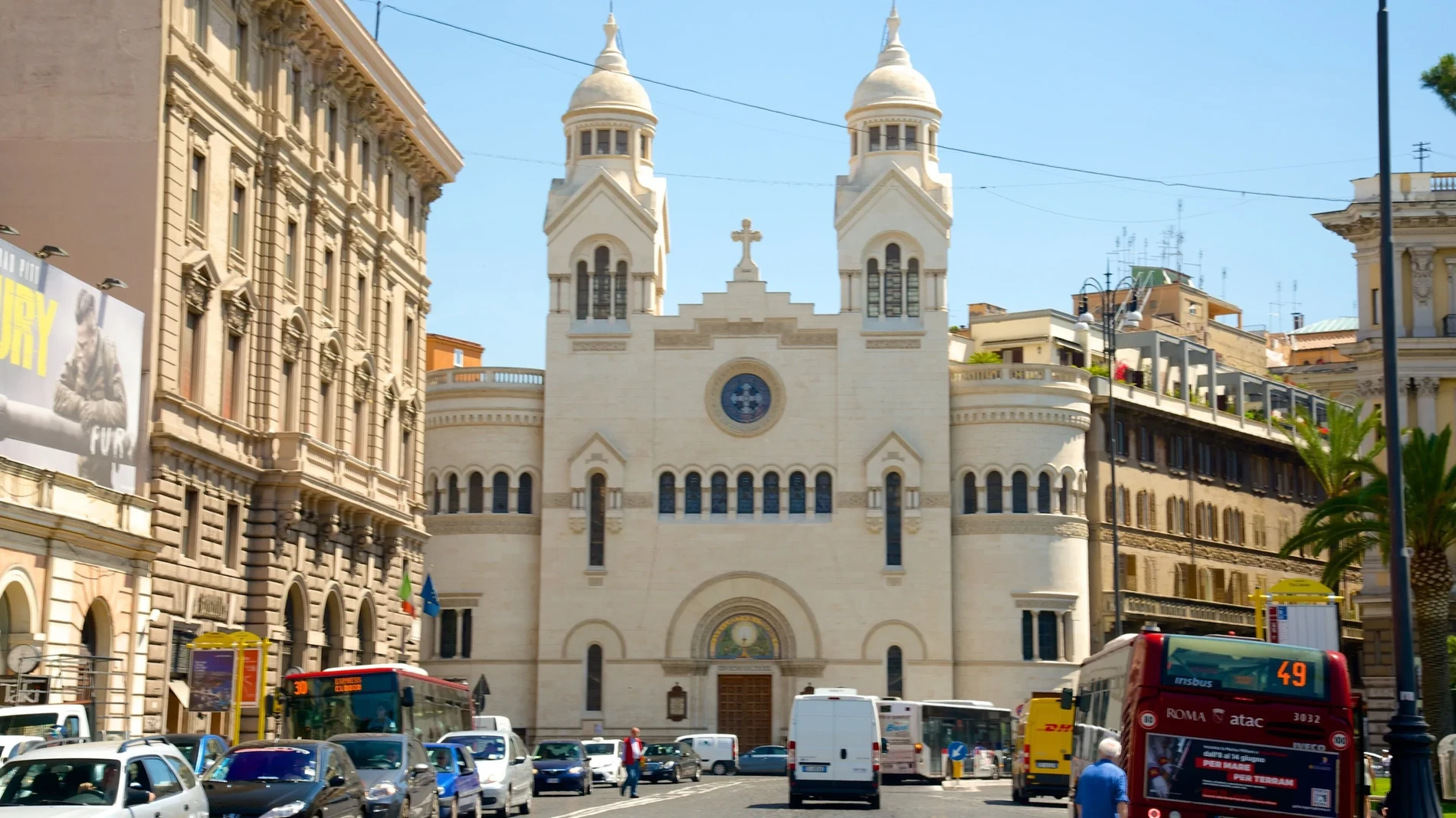
Prati is orderly, well-to-do Rome: broad avenues, early-1900s buildings, shops and restaurants, with St Peter’s and the Vatican Museums within a stroll. It’s the area we most often recommend to families and to anyone on a pilgrimage who doesn’t want to give up convenience.
The supply of small properties here is huge and — a real figure from our own numbers — among the best across the city. The metro (line A, Ottaviano and Lepanto stops) connects to the rest of the centre in minutes.
There’s plenty beyond the Vatican, too: Castel Sant’Angelo with its bridge of angels, the shopping of Via Cola di Rienzo and the historic Trionfale market sketch an everyday, elegant Rome that makes a very handy base.
Who it’s right for
For families, for Vatican visitors, and for anyone who wants calm, elegant evenings while staying close to everything. Less suited to those chasing “nocturnal” Rome: here the evening is gentle — which is exactly the point.
The two we choose a step from the Vatican Museums:
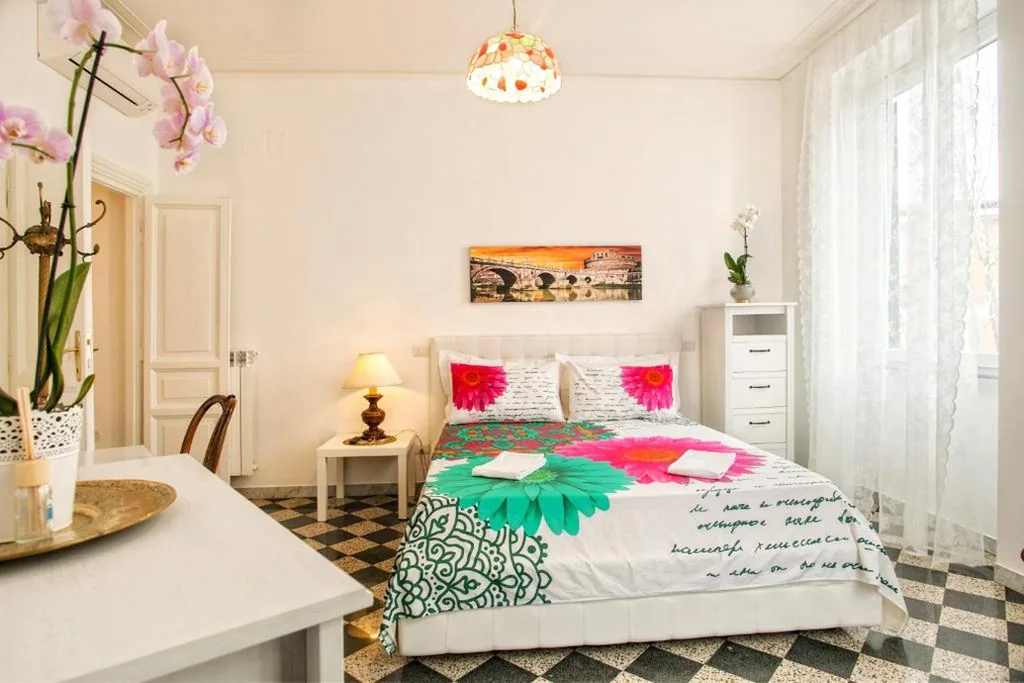
Vatica B&B Roma
In Prati, on Viale delle Milizie, a few minutes on foot from the Vatican Museums and close to the Ottaviano metro: air-conditioned rooms, breakfast served, and even an airport shuttle, in a tidy, quiet area. Family-run hospitality does the rest. Our first choice for anyone visiting the Vatican.
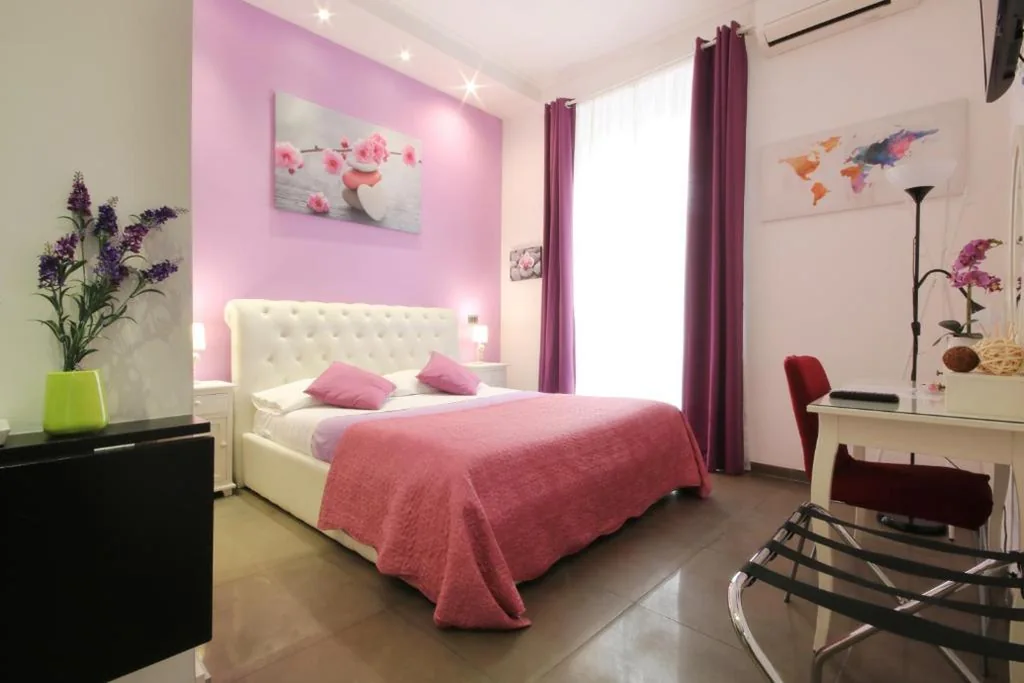
Vatication B&B
The Ottaviano metro 150 metres away and St Peter’s a few minutes on foot: convenience made into a guest house, with a buffet breakfast and air-conditioned rooms. It’s the right address for families and pilgrims who want to step out of the door and already be there. Hard to find a better spot for the Vatican.
Termini and Esquilino: budget and the ease of the trains
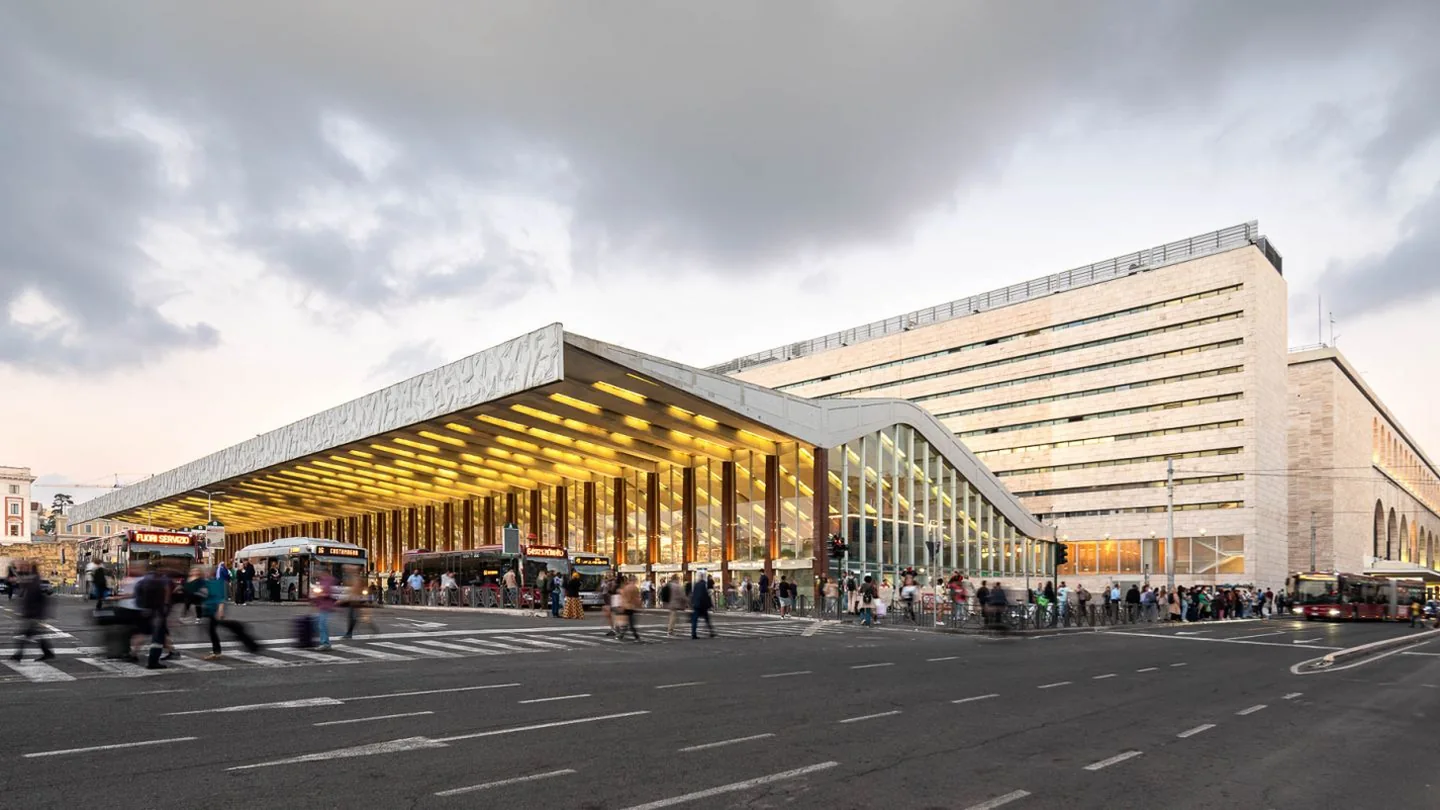
Practical Rome gathers around Termini station: it’s the junction where the two metro lines, the high-speed trains and the airport links all meet. For anyone arriving by train or looking to spend less while staying central, it’s the most rational choice.
Esquilino, behind the station, is multi-ethnic and lively, with the Basilica of Santa Maria Maggiore as its monumental anchor. It isn’t postcard Rome, but it’s convenient, well connected and, on average, cheaper.
It’s worth looking up: beyond Santa Maria Maggiore, Esquilino holds Piazza Vittorio with its garden and market, and within a few minutes on foot you reach San Giovanni in Laterano and the Monti district. There’s more Rome here than the “station area” reputation suggests.
Who it’s right for
For those arriving or leaving by train, for anyone basing themselves in Rome before heading out across Lazio, and for the budget-minded. Choose a main, well-lit street: as around any big station, some side roads are quieter in the evening.
The two we recommend a step from the station:
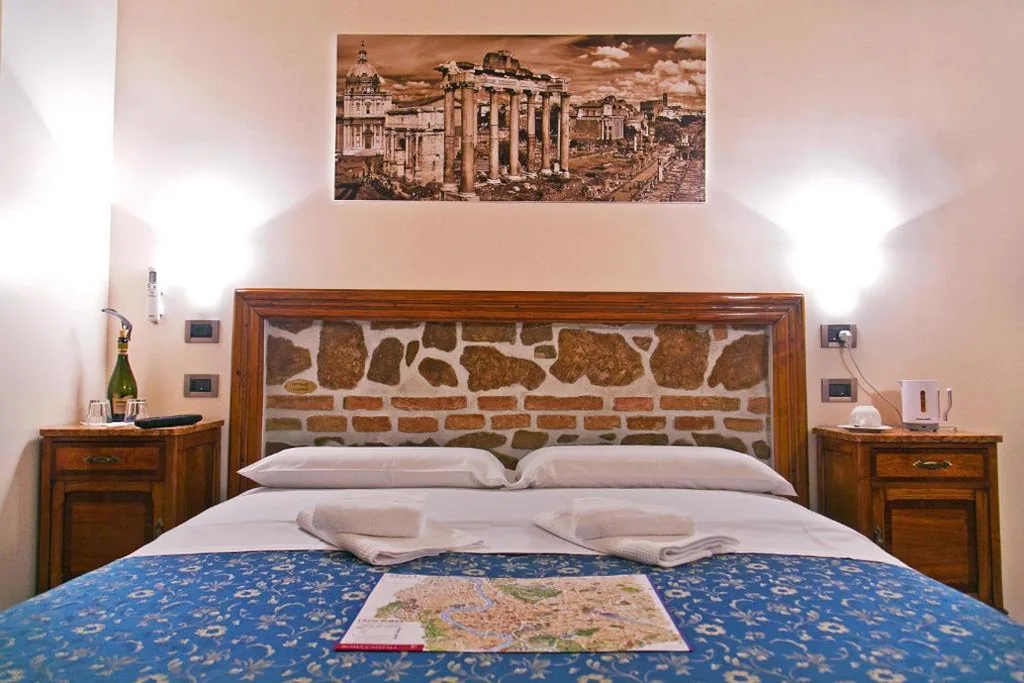
Optimus B&B
A short walk from Termini, with the metro and the Leonardo Express to Fiumicino practically on the doorstep: the very definition of handy. Air-conditioned rooms with a private bathroom, no-frills but complete, moments from every connection. Perfect for anyone using Rome as a base and wanting to arrive and leave without stress.
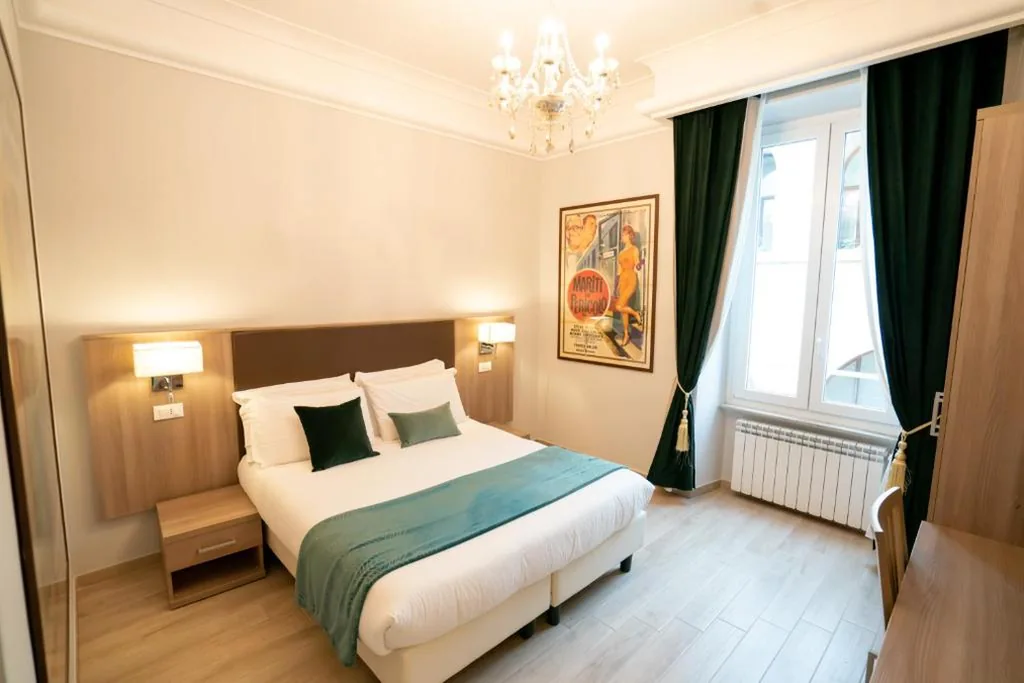
Archi di Roma Guest House
A guest house that makes efficiency its hallmark: an unbeatable spot for transport, a step from Termini, tidy air-conditioned rooms and a value-for-money that, this close to the centre, is rare. The pragmatic pick for anyone who wants to reach the monuments fast and spend sensibly.
Testaccio and Aventino: authentic Rome and its silent hill
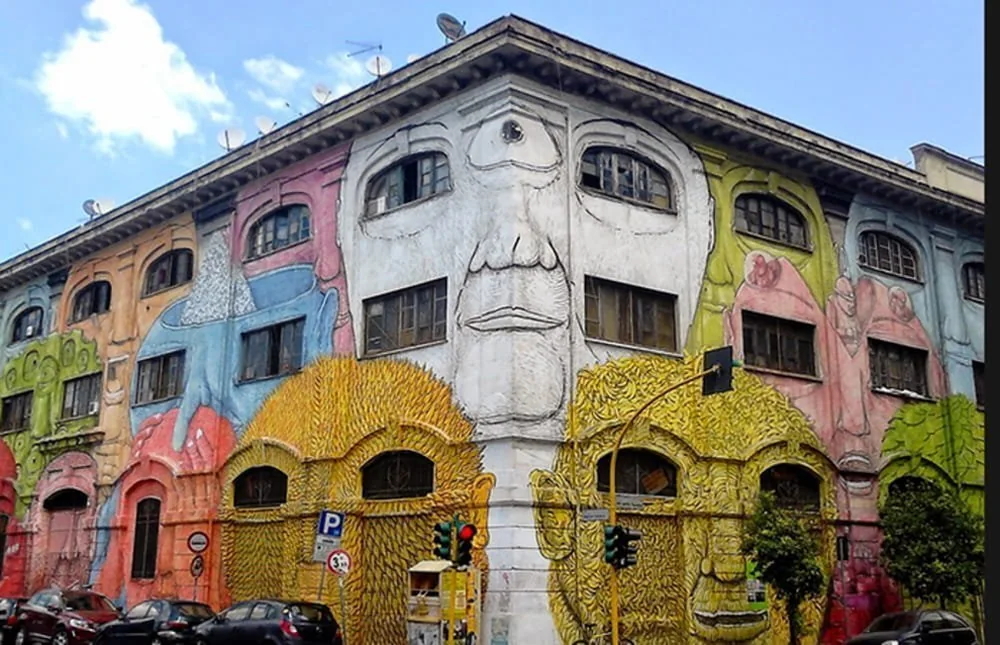
Two close, complementary souls: the Aventine is the quiet, residential hill of gardens and the famous “keyhole view,” while Testaccio is the district of earthy Roman cooking, its market and evenings without tourists. Together, they’re the Rome that Romans keep for themselves.
It’s the choice of those returning to Rome in search of authenticity rather than monuments: you sleep away from the crush, yet the Circus Maximus, the Baths of Caracalla and the Colosseum are reachable on foot or with a short metro hop.
On the Aventine, don’t miss the Orange Garden and the celebrated “keyhole,” with the dome of St Peter’s framed at the end of a path; in Testaccio, the covered market and the trattorias around the old slaughterhouse are the school of Roman cooking. Two worlds five minutes apart.
Who it’s right for
For those who have already seen classic Rome, for food lovers and for anyone who wants quiet in the evening. Less suited to a first visit where you want everything on the doorstep: here a few extra transfers come with the territory.
The two we choose between the Aventine and Testaccio:
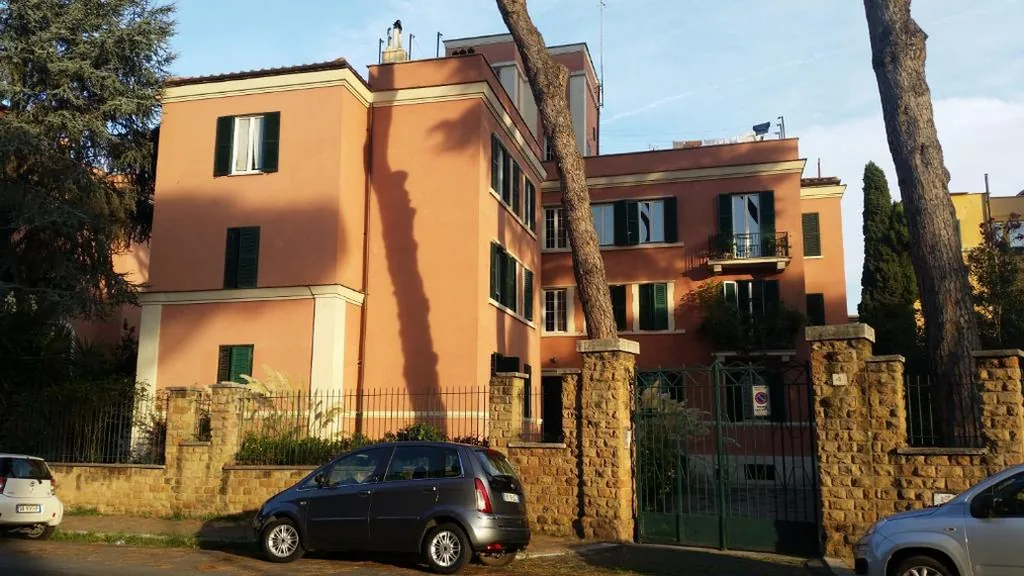
Vecchia Roma Resort
On the Aventine, in the hush of the gardens and a step from the Circus Maximus and the Baths of Caracalla: an elegant address for those who want to unplug from the chaos without leaving the centre. Well-kept rooms and an intimate feel, with the Circo Massimo metro not far. Ideal for couples and for anyone after peace at the end of busy days.

B&B Easy
A simple, efficient B&B beside Piramide, with metro line B (direct to the Colosseum and Termini) right downstairs: a budget base for those who want to spend little without straying from the centre. No frills, plenty of substance: the essentials done well. The most solid budget choice in the area.
Campo de’ Fiori and the Ghetto: the centre as locals live it
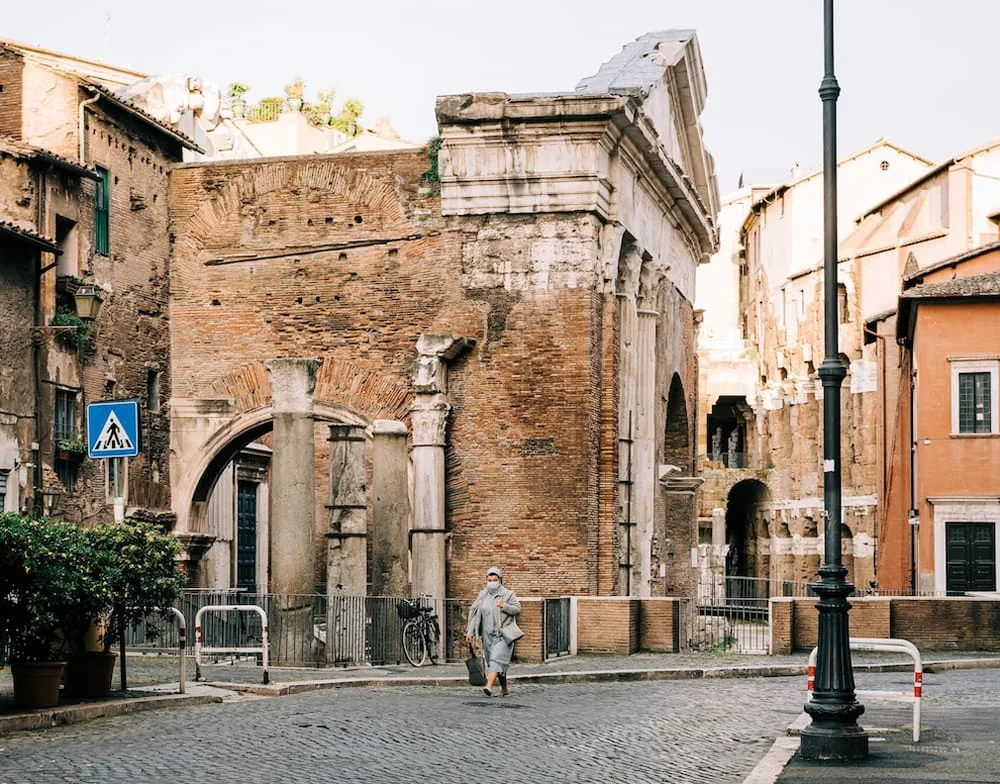
A step from the Pantheon but with a soul of its own, this slice of the centre pairs the morning market of Campo de’ Fiori with the quiet charm of the Jewish Ghetto, its trattorias and its deep-fried artichokes. This is the historic centre as Romans live it, not just as tourists photograph it.
You sleep inside a city on the move: bakeries, shops and taverns downstairs, all on foot. The supply of small properties here is limited and needs booking early — one more reason to move ahead of time.
The charm lies in exactly this weave: the colourful Campo de’ Fiori market in the morning, the Portico d’Ottavia and the Theatre of Marcellus in the Ghetto, the Tiber Island a couple of steps away. A Rome dense with history where you simply, quietly, live.
Who it’s right for
For those who want the absolute centre but with a neighbourhood feel, for food lovers and for anyone who puts location above all. As across the historic centre, prices aren’t the gentlest and the weekend lanes can be lively.
The two we recommend between Campo de’ Fiori and the Ghetto:
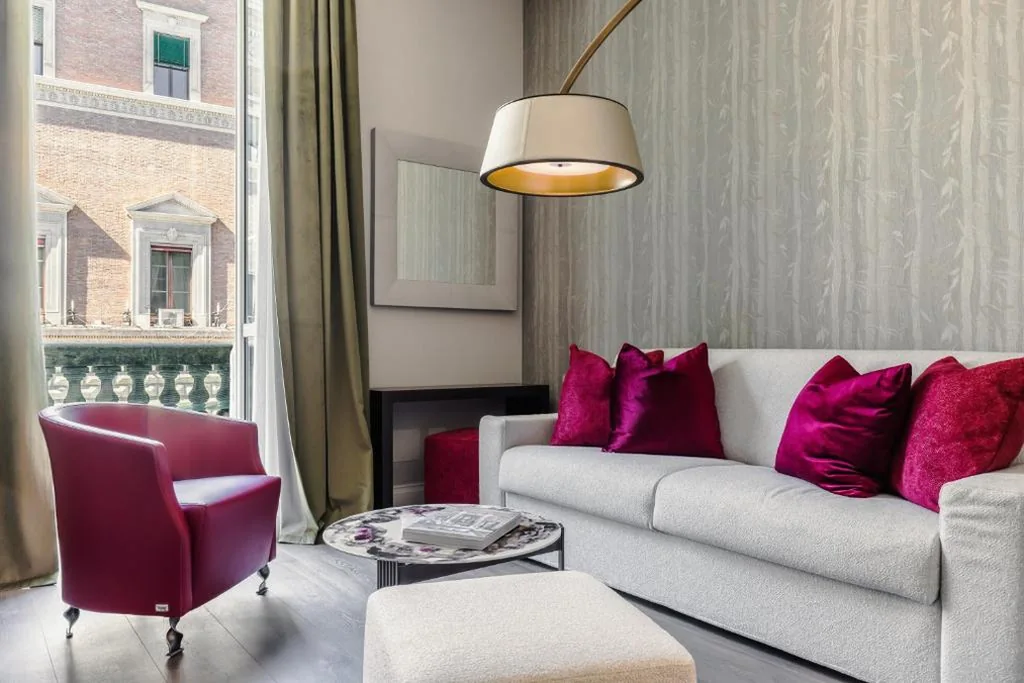
FOUR Suites Pantheon
On Via Arenula, the spine linking the Ghetto to Campo de’ Fiori and Trastevere: a truly central spot with elegant rooms for those who want the heart of Rome underfoot. The kind of address you step out of and you’re already everywhere. Great for couples and for anyone who loves to explore without ever taking a bus.
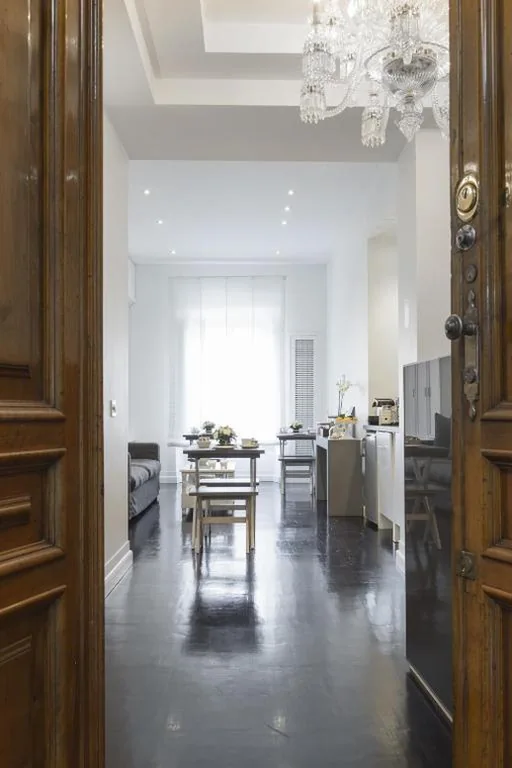
Xenia Guest House
A step from Largo Argentina and the Ghetto, one of the handiest hubs in the centre for buses and trams: a simple, well-kept guest house from which the Pantheon, Campo de’ Fiori and Trastevere are all within walking reach. For those who want to be inside the real Rome without paying the showcase-address premium.
Browse all the small hotels in Rome →
A day out of Rome
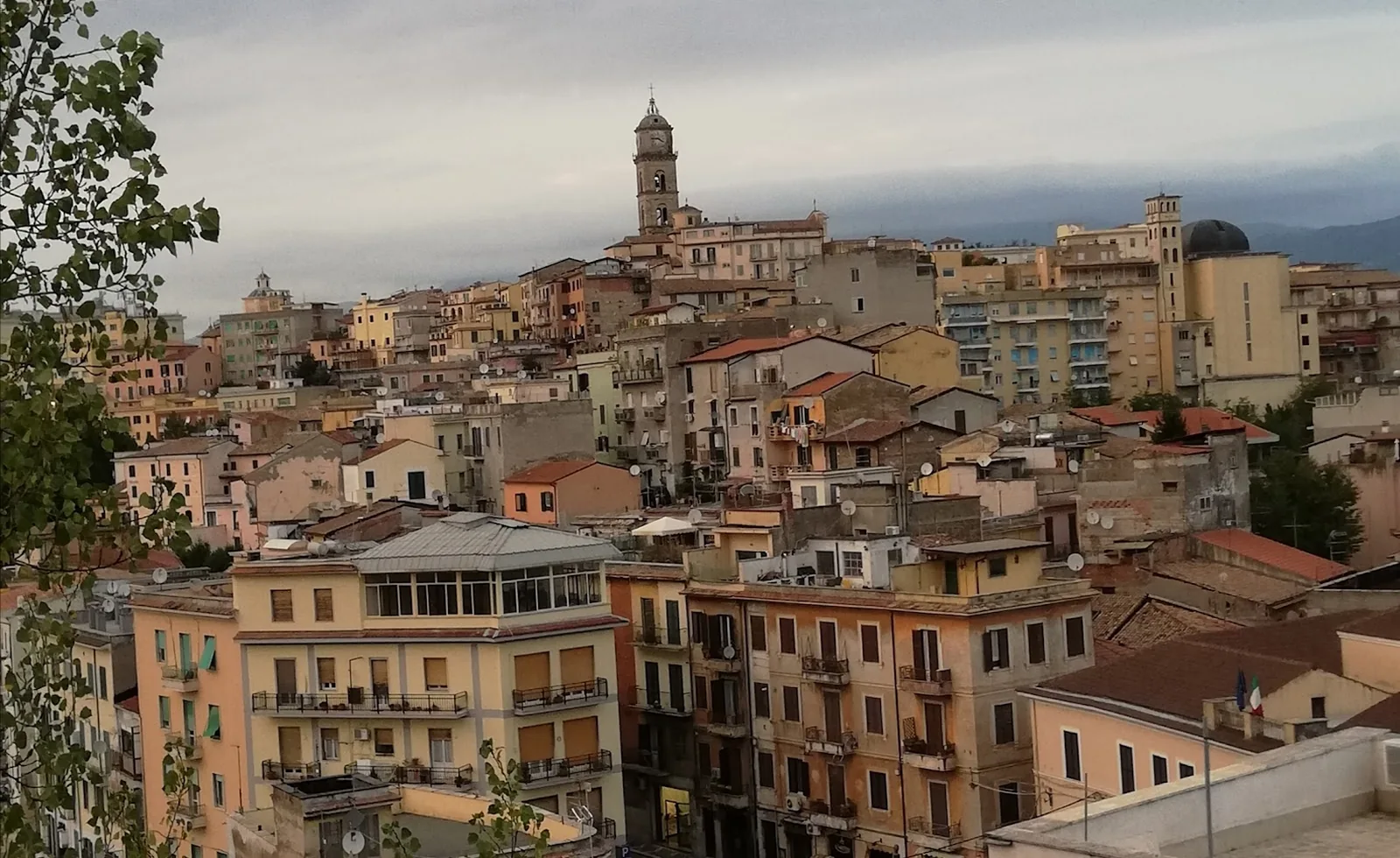
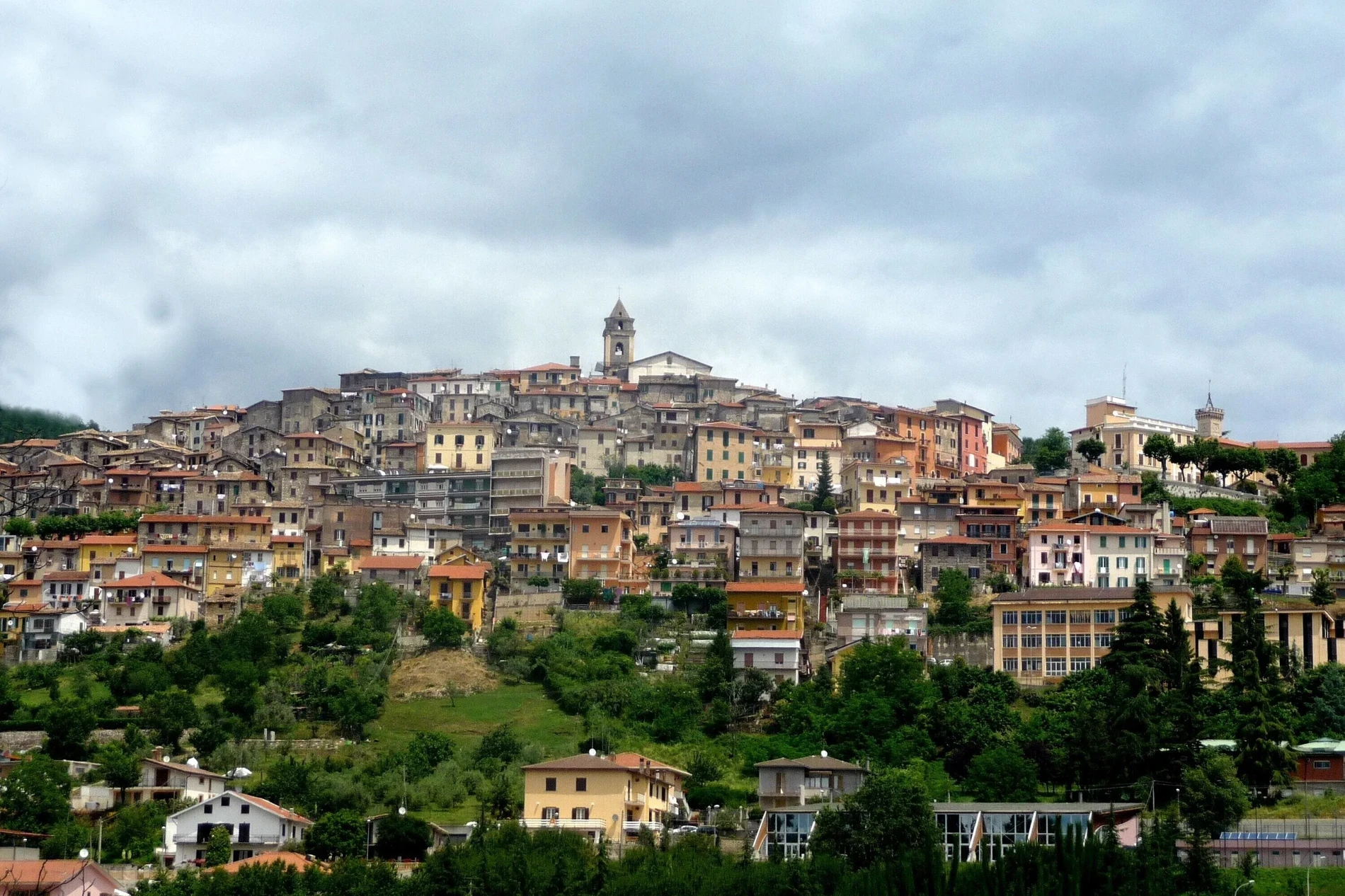
Rome is also the gateway to Lazio, and some of the finest day trips happily turn into an overnight. On the hills south of the city, among wine, lakes and papal villas, you sleep well: here’s our guide on where to stay in the Castelli Romani.
To the east, among the fountains of Villa d’Este and the ruins of Hadrian’s Villa, another spot to enjoy slowly rather than in a rush: where to stay in Tivoli.
And if you have an extra day and a taste for Etruscan villages, volcanic lakes and thermal springs, a still-uncrowded Lazio opens up to the north: discover where to stay in Tuscia.
When to go
Spring and late autumn: the best time
April–May and October–November are the ideal window: mild weather for walking, lovely light and more reasonable prices than the peaks. It’s when Rome is at its best without asking too much in return.
Summer
June and September are busy but enjoyable; July and August are hot and muggy. The upside of August is a city emptied of Romans, with life shifting to the evening: if you can take the heat, there’s more room and the odd better rate.
Winter and the Jubilee’s tail
The Jubilee closed on 6 January 2026, but the flow hasn’t stopped: hotels stay full even in the once-“low” months. Winter is still the quietest, best-value moment, ideal for an art-filled weekend. In every season, though, the rule is one: book early.
Getting there and around
By air you land at Fiumicino-Leonardo da Vinci, linked to Termini station by the Leonardo Express in about 32 minutes; the second airport is Ciampino, served mainly by low-cost flights and connected by bus and train.
By train, Termini is the central hub: it’s where the two historic metro lines cross and where the high-speed services from Milan, Florence, Naples and the rest of Italy arrive.
To get around town, the metro is the most efficient choice — and since December 2025 line C also serves the Colosseum and the Imperial Forums. A car in the centre is strongly discouraged: between wide restricted-traffic zones and congestion, it’s only a burden. Better the metro, trams, buses and, above all, your feet.
For the full picture on airports, trains and getting around the region: getting around Rome and Lazio.
This guide is part of our grand tour of the region: discover every destination and area in Where to Stay in Lazio.
Frequently asked questions
Quick answers to the questions we’re asked most often about where to stay in Rome.
What’s the best area to stay in Rome for a first visit?
The historic centre between the Pantheon, Piazza Navona and Campo de’ Fiori: it’s the area from which you reach most of the monuments on foot, with no time lost on transfers. It costs a little more, but on a first visit the time saved is worth the outlay.
Where should I stay in Rome with a family or to visit the Vatican?
The Prati and Vatican area is the most suitable: elegant, quiet avenues, plenty of apartments and well-run small properties, St Peter’s and the Vatican Museums on foot and metro line A for the rest of the centre. It’s also the natural base for a pilgrimage.
What’s the cheapest area to stay in Rome?
The area around Termini station and Esquilino offer the most affordable prices while staying central and right by the transport; Testaccio-Ostiense also has good budget options. It’s worth choosing a main, well-served street and booking ahead for the better places.
Is it worth staying near Termini station?
Yes, if you prioritise transport: Termini is the hub for the two metro lines, the high-speed trains and the Leonardo Express to Fiumicino. It’s the most practical choice for anyone arriving by train or using Rome as a base for the rest of Lazio, at prices generally lower than the historic centre.
Do I need a car to visit Rome?
No — in fact it’s discouraged: between wide restricted-traffic zones in the centre and congestion, a car is more of a problem than a convenience. Rome is easily explored by metro, tram, bus and on foot; since December 2025 line C also serves the Colosseum and the Imperial Forums.
When should I book a hotel in Rome?
As early as possible. In 2025 Rome recorded almost 23 million arrivals and, with the Jubilee over, the flow has stayed high even in the traditionally quieter months: small hotels, which have few rooms, fill up fast and the best places go first.