
When you think about where to stay in Lazio, your mind goes straight to Rome. And rightly so: the capital is the heart of the region and is worth more than one trip on its own. But Lazio is a surprisingly varied region, one that in a few dozen kilometres goes from sea to mountain, from volcanic lakes to medieval villages, from spas to Etruscan sites. Choosing the right area is the first step to a successful holiday, and it changes everything depending on whether you want city and monuments, beach, nature or relaxation.
We’ve divided Lazio into its main areas and, for each, we tell you what character it has, who it suits and where to start. Every section links to our detailed guide, with the complete selection of small hotels for that area. We start with the capital and then spread out towards the sea, the islands, the lakes and the hinterland.
One thing holds for every area: we work only with small properties — B&Bs, guest houses, historic residences, holiday homes and family-run hotels — because they’re the ones that truly tell a place, between genuine hospitality and well-chosen locations. Below you’ll find one signature address for each area, but the full choice, with all the options and price ranges, is always in the linked detailed guide.
Rome, the heart of Lazio
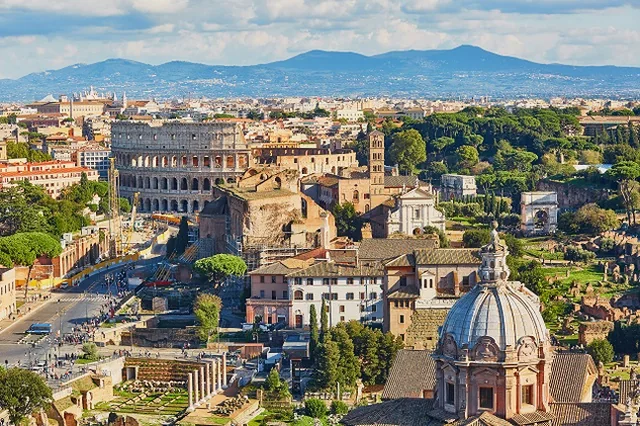
Rome is the main reason people come to Lazio, and the choice of where to sleep makes an enormous difference. The historic centre — Pantheon, Navona, Trastevere, Monti — puts everything on foot and is perfect for a first time; districts like Prati, the Aventino or the Esquilino offer more quiet and often gentler prices while staying well connected. The city is big and the metro doesn’t reach everywhere: it’s best to choose based on what you want to see and your arrival station.
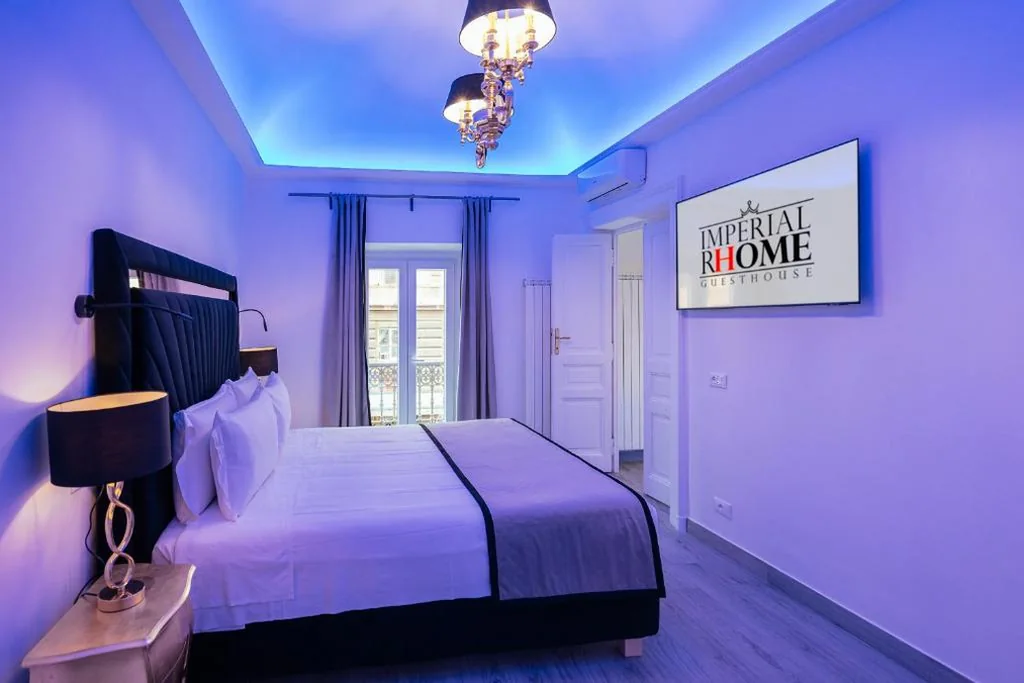
Imperial Rhome Guest House
A guest house in the Monti district, a stone’s throw from the Colosseum and the Forums, with well-kept, air-conditioned rooms in the most bohemian corner of the centre. You sleep inside ancient Rome and step out on foot among lanes, workshops and wine bars. Ideal for those who want to live the city in its monumental heart.
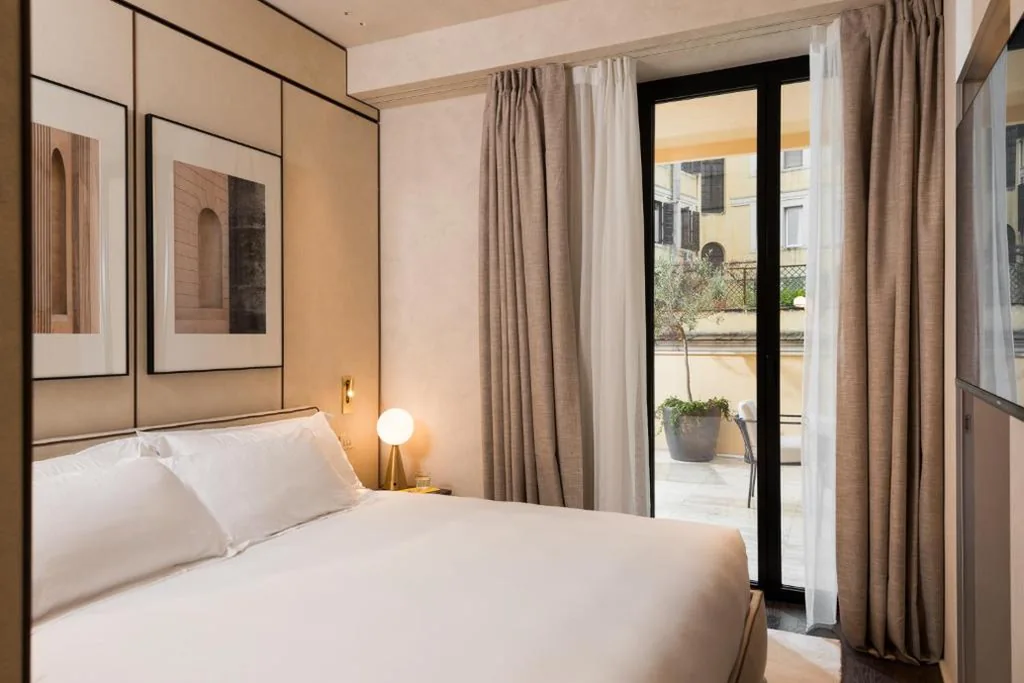
master Trevi
An aparthotel a few steps from the Trevi Fountain, with air-conditioned apartments and a kitchen in the most central spot in the city. The independence of a home with the monuments under the windows and everything reachable on foot. Perfect for families and longer stays in the heart of Rome.
The city is a world of its own: to find your way among the rioni and districts, read our full guide on where to stay in Rome.
The Castelli Romani, the wine hills
South of Rome, half an hour from the centre, open the Castelli Romani: an amphitheatre of volcanic hills with the lakes of Albano and Nemi, the villages of Frascati, Grottaferrata, Marino and Castel Gandolfo, and a tradition of white wine and porchetta that fills the taverns in the evening. They’re the green escape of the Romans, perfect for those who want to be close to the capital but sleep in the green, among cellars and trattorie.
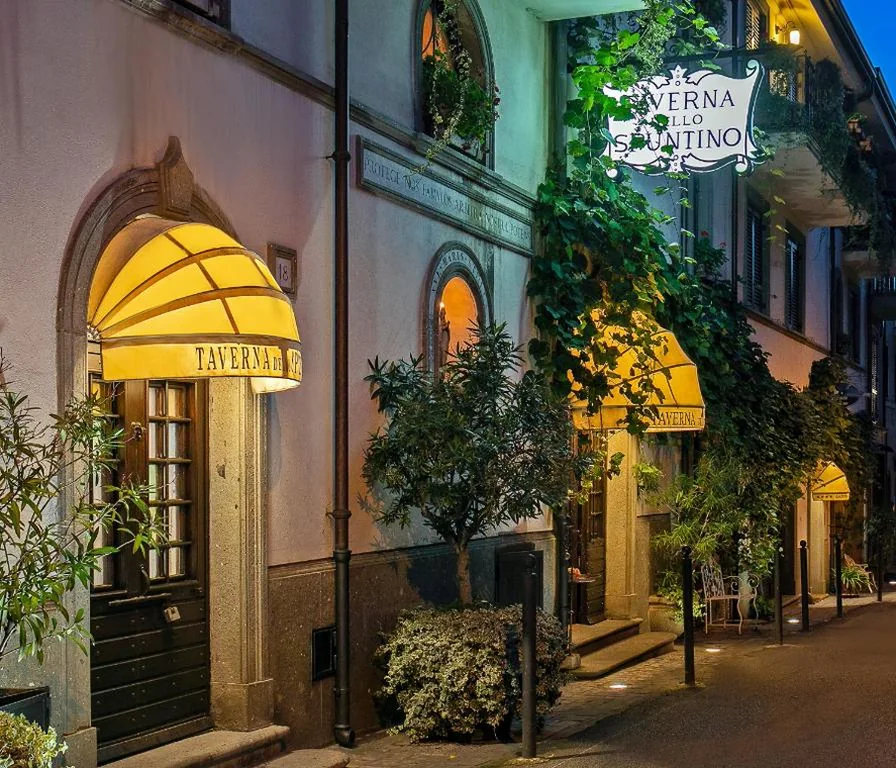
Locanda dello Spuntino
A four-star in Grottaferrata with a restaurant and elegant spaces, in the heart of the Castelli between abbey and cellars. The convenience of a refined hotel where you can dine without going out, a few minutes from Frascati and the lakes. Ideal for a getaway of good food and relaxation near Rome.
All the addresses among the hills and villages are in the guide on where to stay in the Castelli Romani.
Tivoli and the World Heritage villas
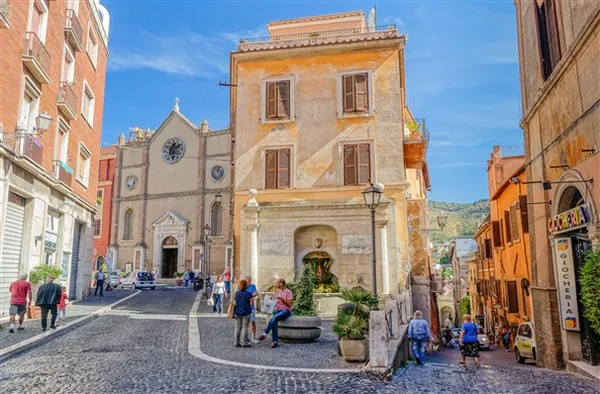
East of Rome, Tivoli holds two UNESCO World Heritage sites: the gardens and fountains of Villa d’Este and the vast Hadrian’s Villa, the emperor’s residence. Many visit it in a day, but sleeping on the spot lets you enjoy the villas at a relaxed pace, without the crowds, and discover a town that’s alive in the evening too. It’s the ideal choice for lovers of art and gardens.
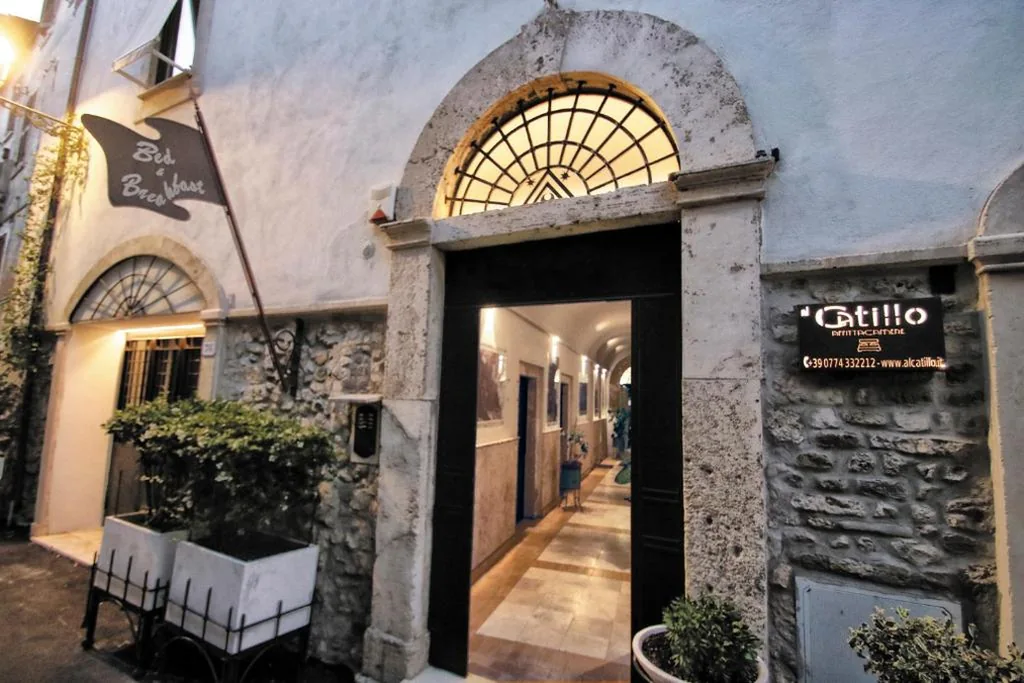
B&B Al Catillo 1600
A historic residence in the centre of Tivoli, with a terrace and an à la carte breakfast, a short walk from Villa d’Este and the station for Rome. You sleep inside a period building, already in the middle of the visit the moment you step out. Ideal for seeing the villas at leisure while staying close to the trains.
How to turn the day trip into an overnight is in the guide on where to stay in Tivoli.
Tuscia and Viterbo, the Etruscan north
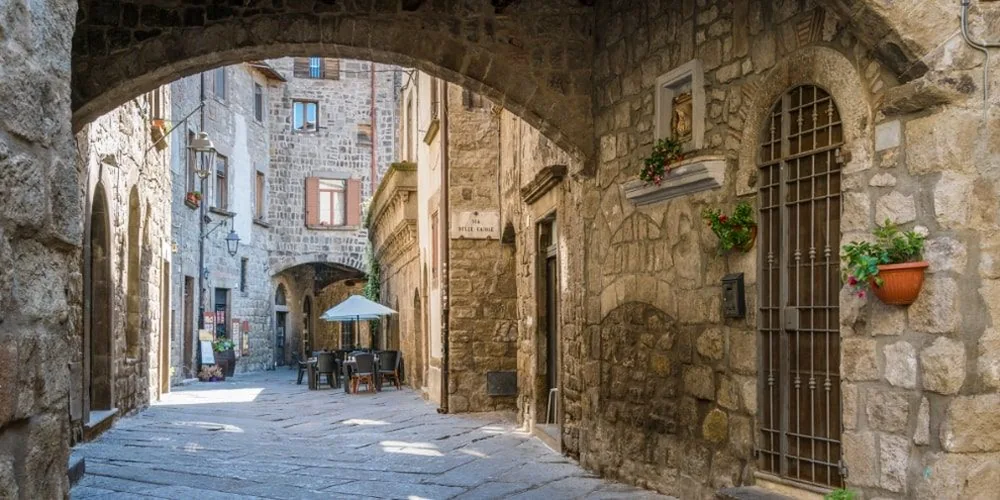
The north of the region is Tuscia: the land of the Etruscans, of hilltop villages and volcanic lakes. Here is Viterbo, the “city of the Popes”, with its medieval centre and its spas; and then Civita di Bagnoregio, the “dying town” on a spur of tufa, Lake Bolsena, the necropolises of Tarquinia and the Monster Park of Bomarzo. It’s the destination for those who love history, authentic villages and slow rhythms, away from the crowds.
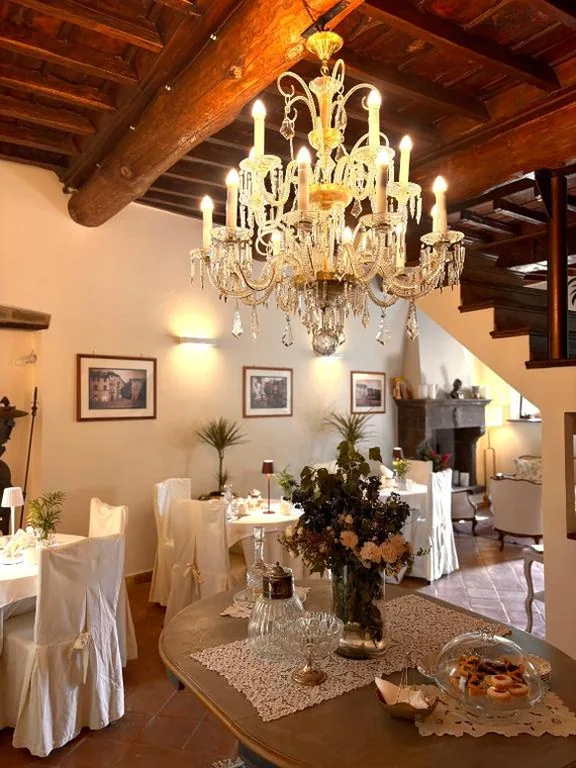
L’Archetto Dimora Storica
A historic residence in the centre of Viterbo, with a terrace and an in-house restaurant, in the heart of the medieval San Pellegrino district. You sleep within the atmosphere of the peperino stone and dine without going out, with all of Tuscia around to explore. Ideal as a base among villages, spas and Etruscan sites.
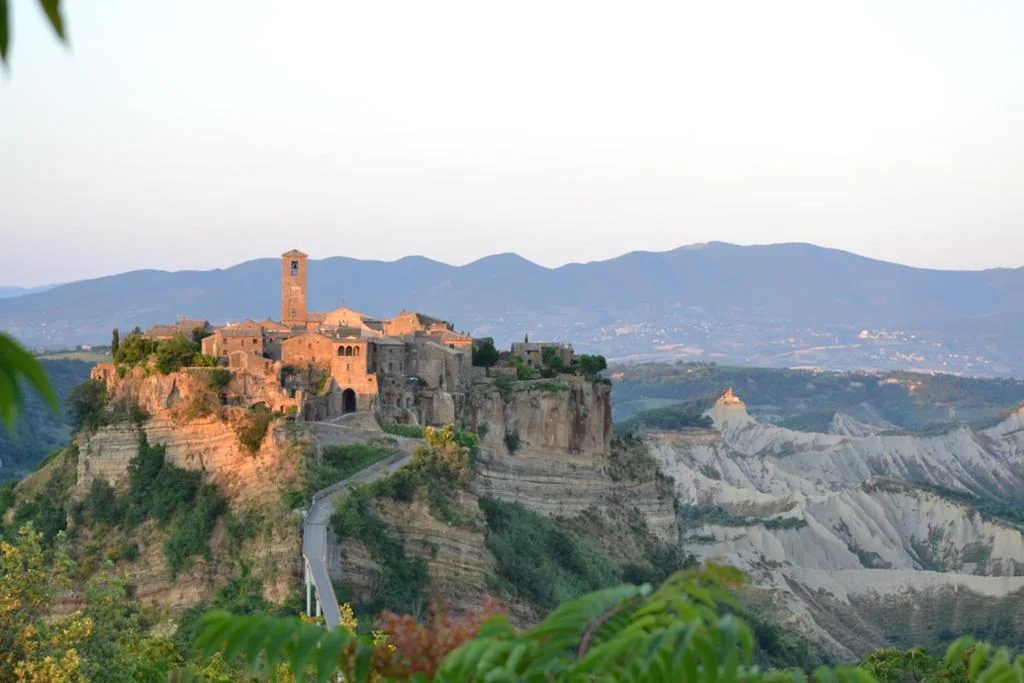
Corte della Maestà
A historic residence in Bagnoregio, at the gates of the “dying town”, with atmospheric spaces and the care of a small masterpiece. The privilege of sleeping a step from Civita, once the day-trippers have left. Perfect for a romantic escape in the heart of Tuscia.
For the city and the whole province, see where to stay in Viterbo and the guide on where to stay in Tuscia.
The sea: the Riviera di Ulisse
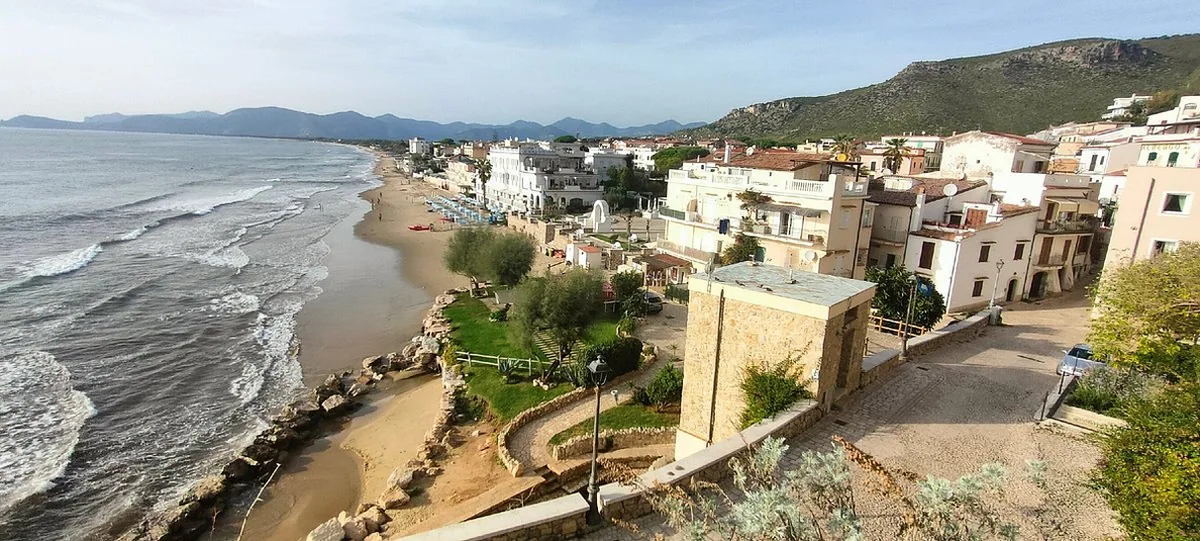
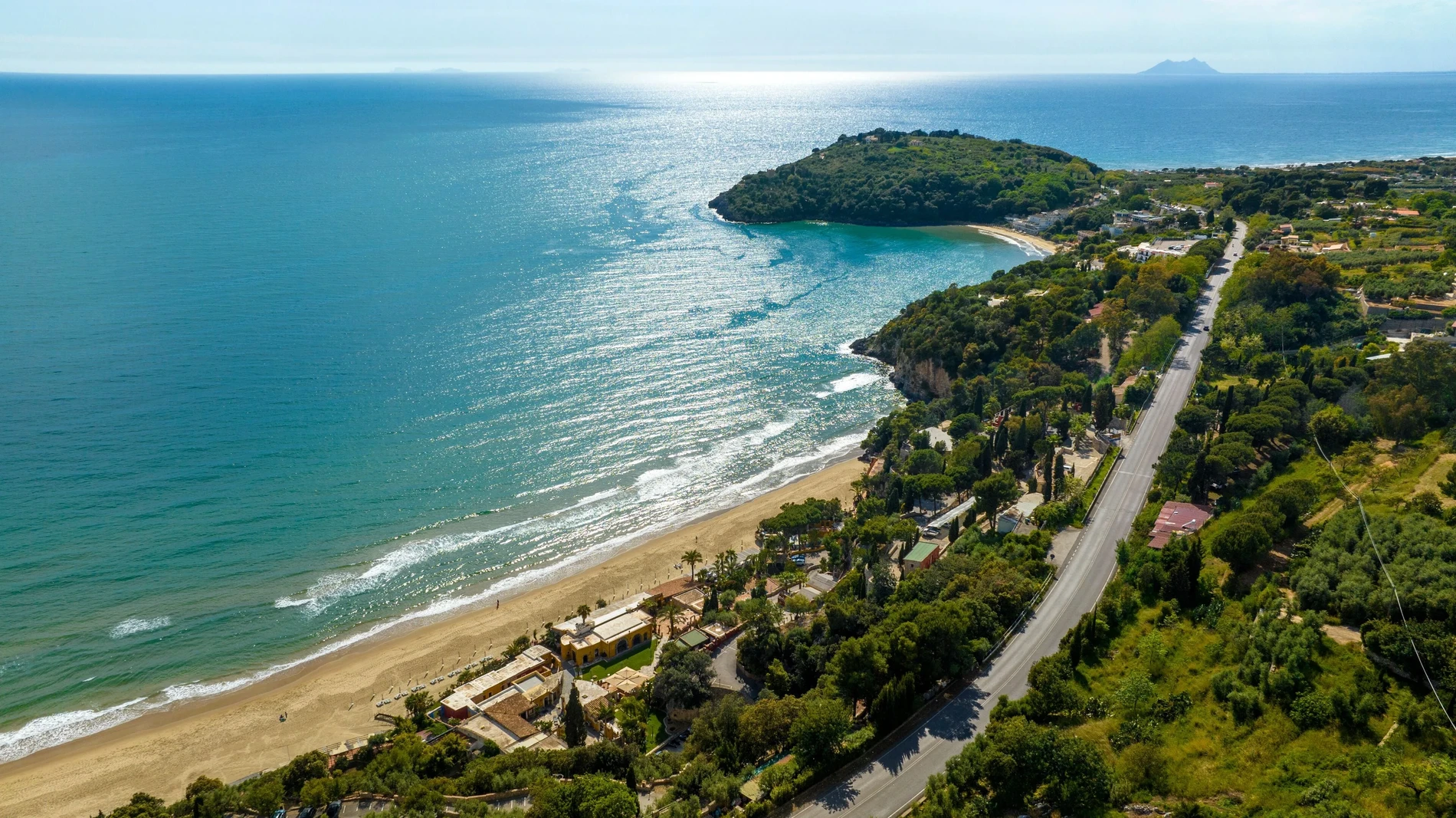
The sea of Lazio is at its best in the south, on the Riviera di Ulisse: Sperlonga with its white village perched above the beaches, Gaeta with its coves and the Montagna Spaccata, Terracina and Fondi. It’s a coast of golden sand and clear waters, with lively villages and good seafood, perfect for those who want beach and atmosphere without straying too far from Rome.
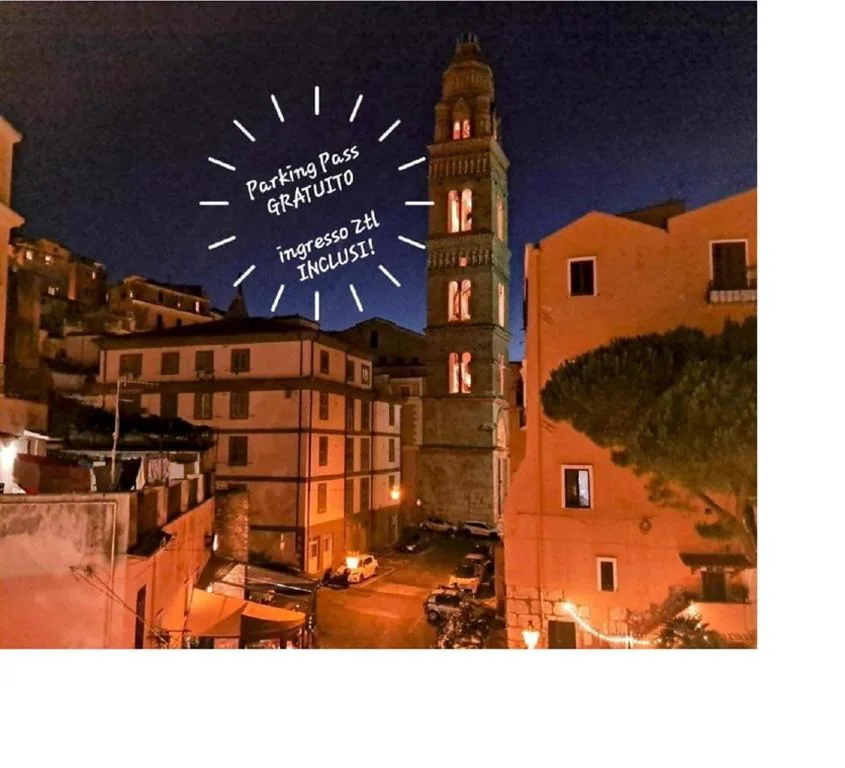
CAIETA Housing
A guest house in the old town of medieval Gaeta, among lanes, churches and glimpses of the sea, a stone’s throw from the beaches. The charm of sleeping inside the ancient village, with fish restaurants on the doorstep. Ideal for a seaside holiday with the soul of a borgo.
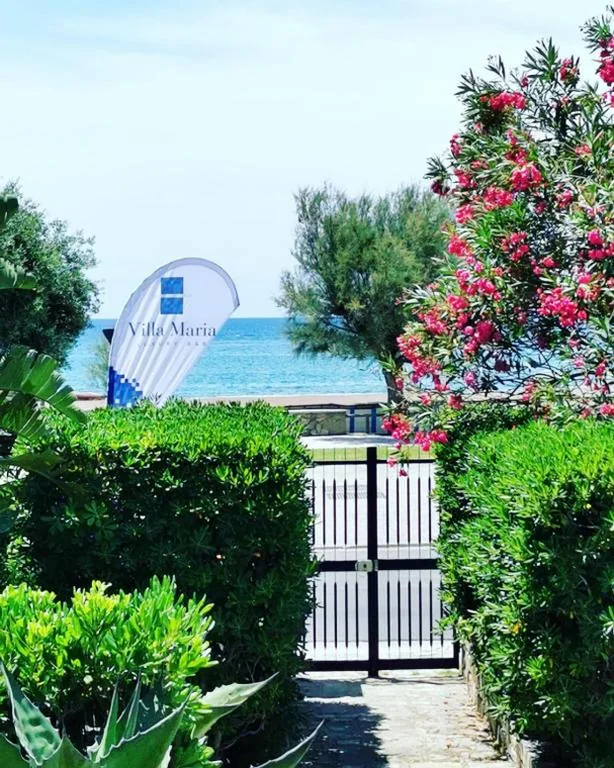
Villa Maria Luxury Suites
Well-kept suites in Sperlonga, a stone’s throw from the white village and the beaches, with bright spaces and a touch of Mediterranean elegance. The convenience of having the centre and the sea on foot, after a day among sand and coves. Perfect for a couple after sea and style.
The whole coast, beach by beach, is in the guide on where to stay in Sperlonga and Gaeta.
The islands: Ponza and Ventotene
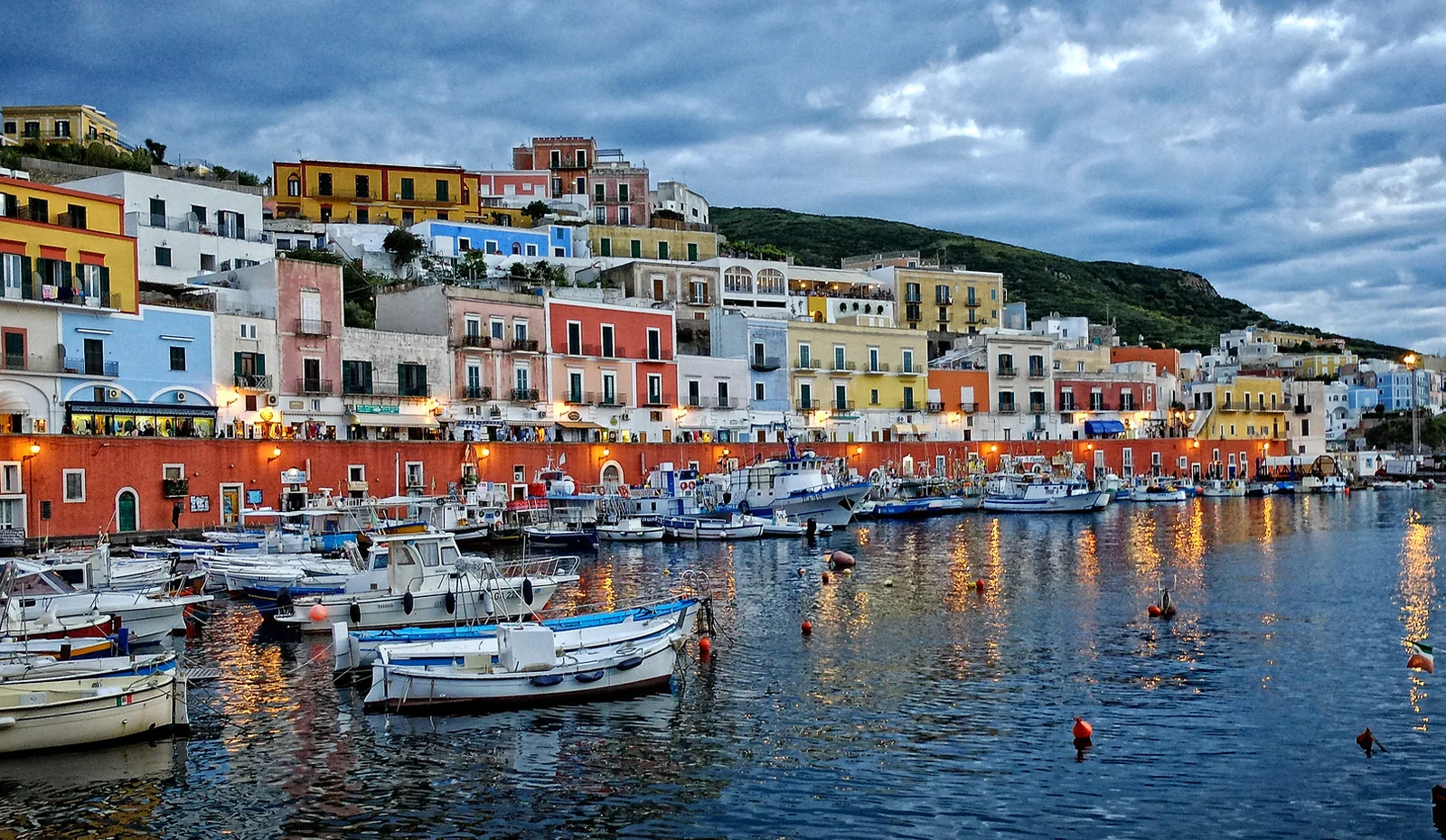
Off the Pontine coast lie the most exclusive islands in Lazio: Ponza, with its pastel harbour, coves and sea caves, and the smaller, more authentic Ventotene, with its marine reserve. They’re reached only by sea, mainly by ferry from Formia, and offer a postcard sea a step from Rome. The season is concentrated in summer: outside the warm months many services close.
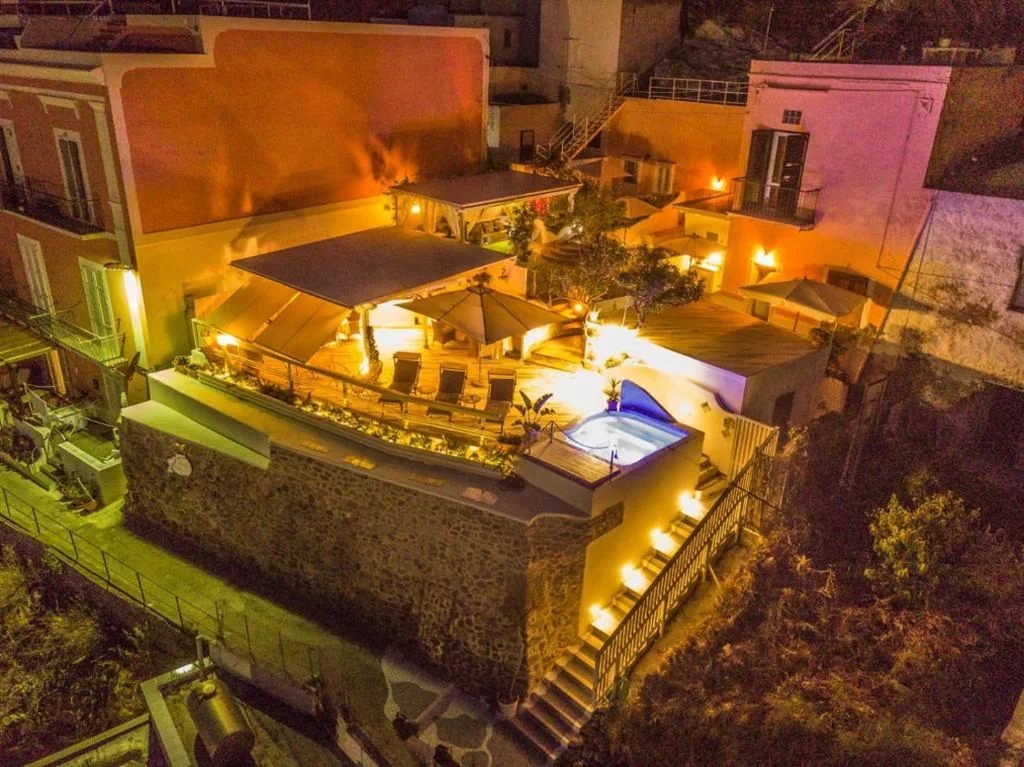
b&b da Laura
A bed and breakfast a few steps from the sea in Ponza, with panoramic terraces and air-conditioned rooms just off the harbour. The convenience of having everything close and the water as a backdrop, at the spot where the boat trips leave from. Perfect for living the island without giving up the view.
How to get there and where to stay on the two islands is all in the guide on where to stay in Ponza.
Lake Bracciano
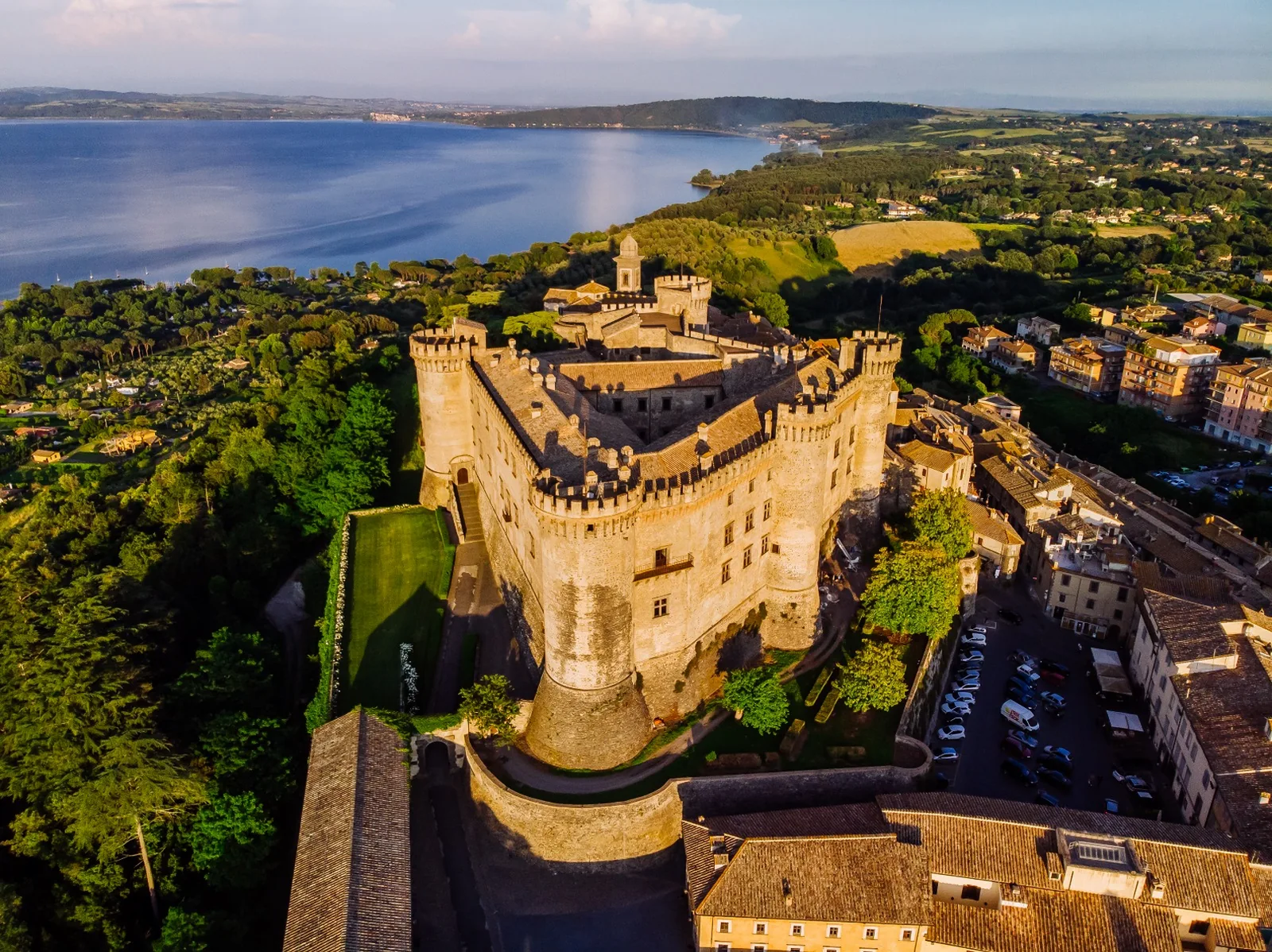
North of Rome, half an hour from the city and very close to Fiumicino, Lake Bracciano is a volcanic lake among the cleanest and most swimmable in Lazio, where private motorboats are banned. Three villages face the water — Bracciano with its castle, Trevignano Romano and Anguillara Sabazia — and it’s the ideal green base for those who want nature and quiet without leaving the capital behind.
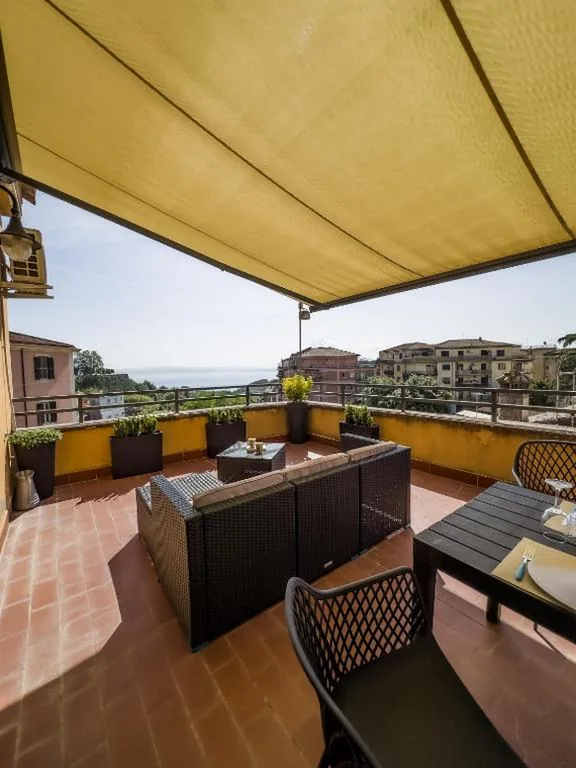
Casa Silvia
A self-contained holiday home in the old town of Bracciano, with lake views, a terrace and a full kitchen. The independence of an apartment in the heart of the village, with the water opening between the rooftops and the castle a short walk away. Ideal for families and couples who want their own rhythm on the lake.
The three lakeside villages are in the guide on where to stay on Lake Bracciano.
Ciociaria: spas and abbeys
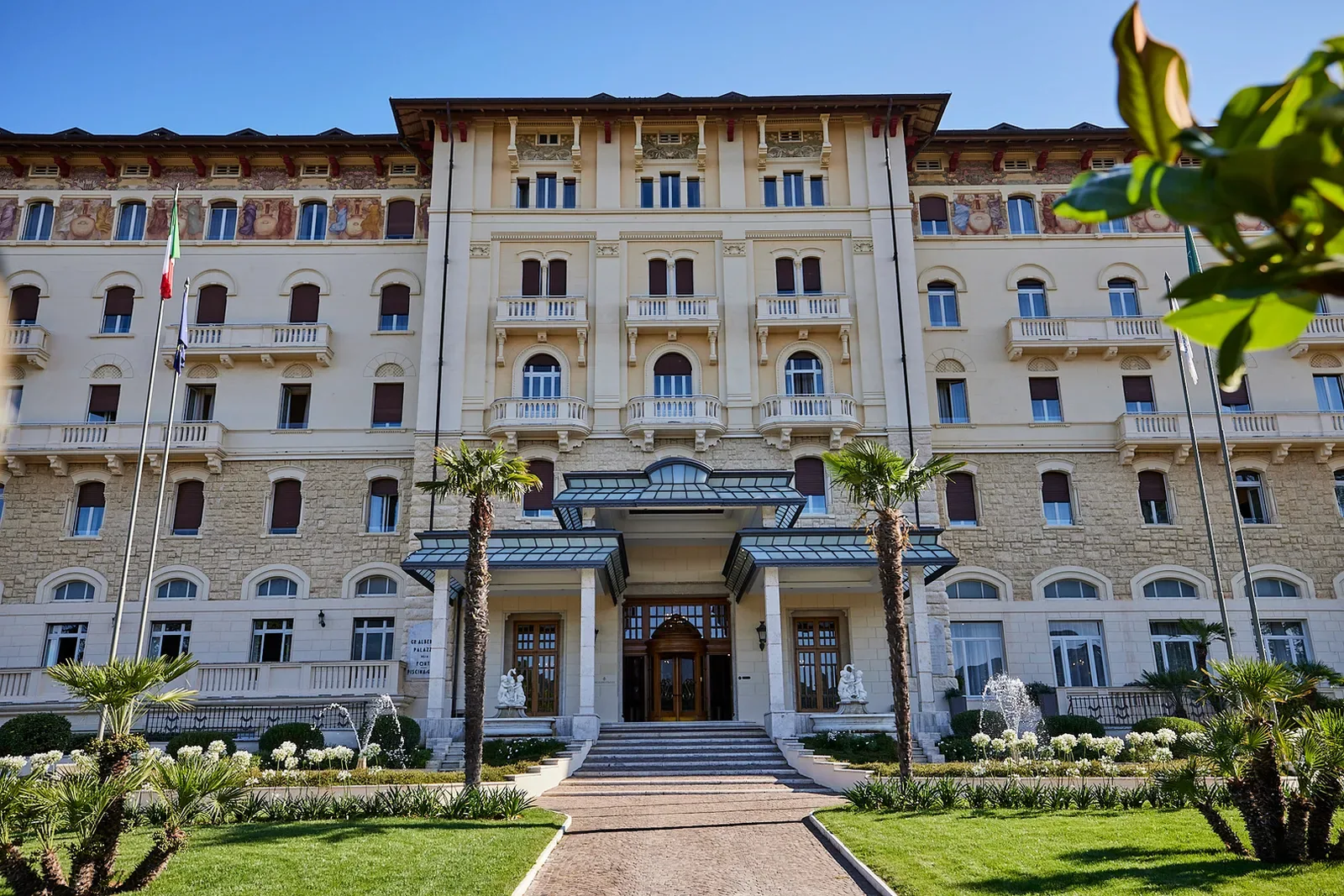
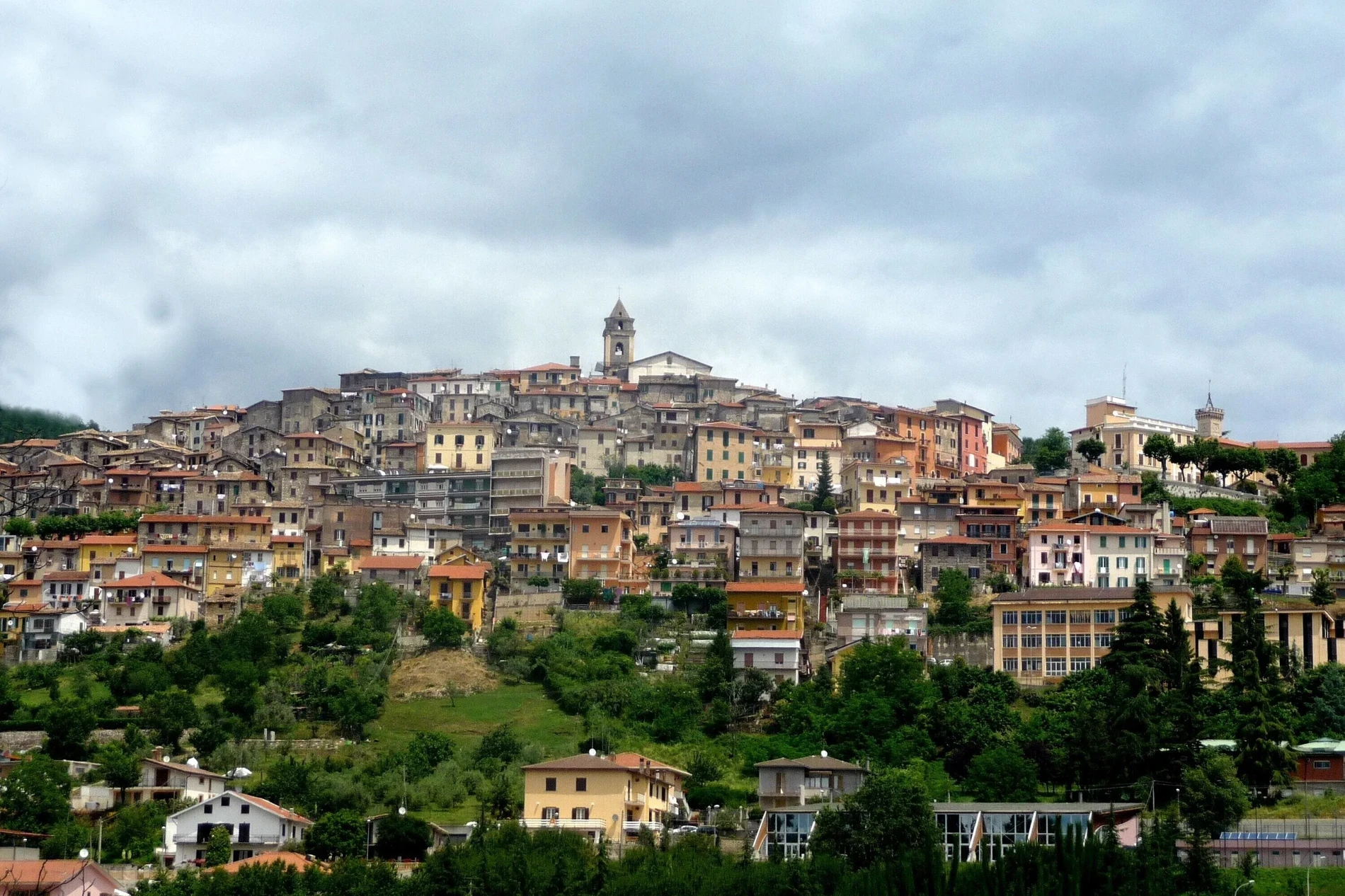
To the south-east, Ciociaria is the land of spas and abbeys. Fiuggi is the historic spa town, with grand Liberty hotels around the springs and a medieval borgo on the hill; around it, the great abbeys of Casamari and Trisulti, the “town of the popes” Anagni and the capital Frosinone, handy as a base for the hinterland. It’s the destination for those after wellness, spirituality and authentic villages away from the crowds.
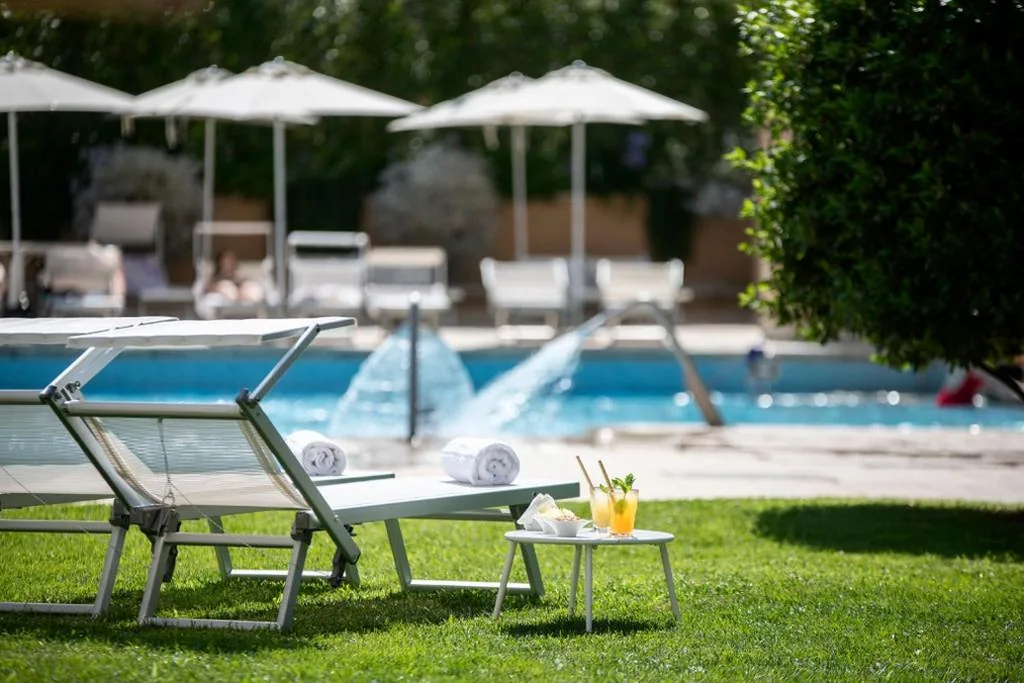
Silva Hotel Splendid
A four-star set in a private chestnut wood in Fiuggi, with a wellness centre, three heated pools and a restaurant. The services of a grand spa hotel between treatments, warm swims and shaded gardens. Ideal for a weekend of pure relaxation an hour and a half from Rome.
Spas and villages of the area are in the guides on where to stay in Fiuggi and where to stay in Frosinone.
Rieti, the mountains and the pilgrim trails
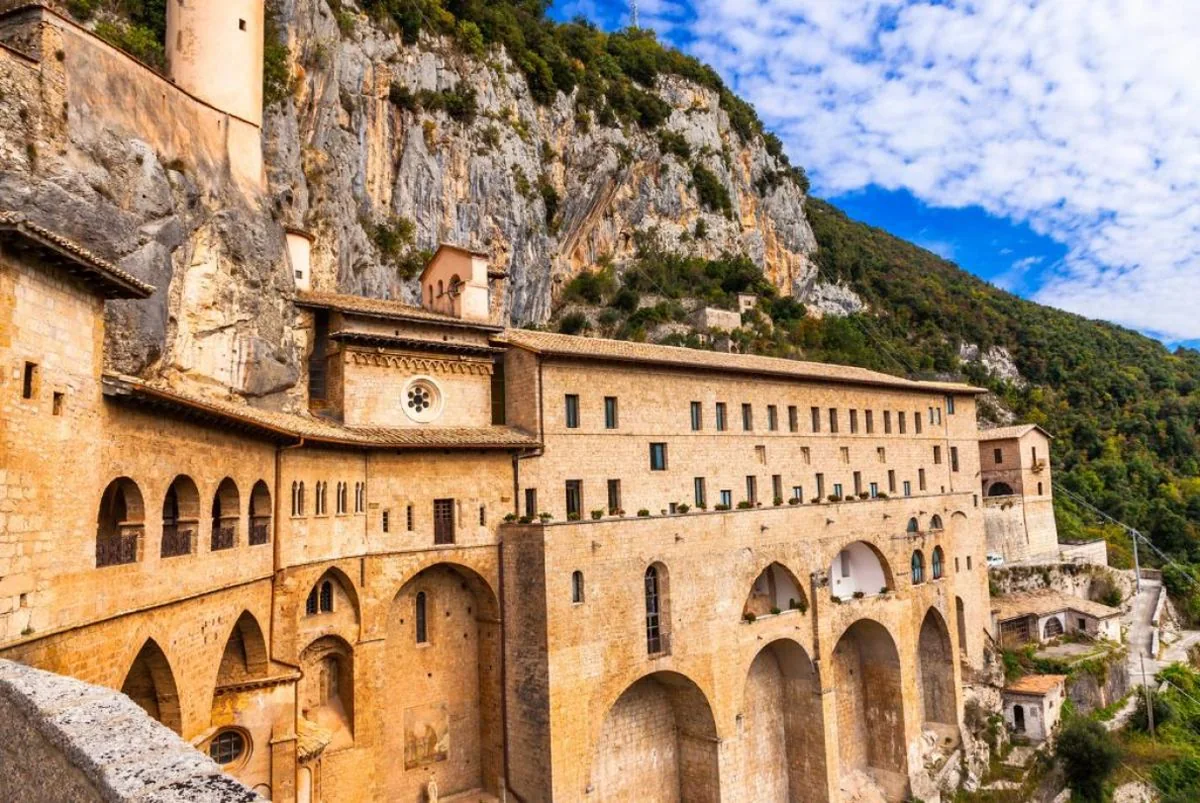
At the geographic heart of Italy is Rieti, the Umbilicus Italiae: a compact Sabine town on the river Velino, gateway to the Holy Valley with its four Franciscan sanctuaries and a base for Terminillo, the historic “mountain of Rome”. It’s the destination for those after nature, walking trails and silence, among woods, hermitages and the olive oil of the Sabina, an hour from the capital along the Salaria.
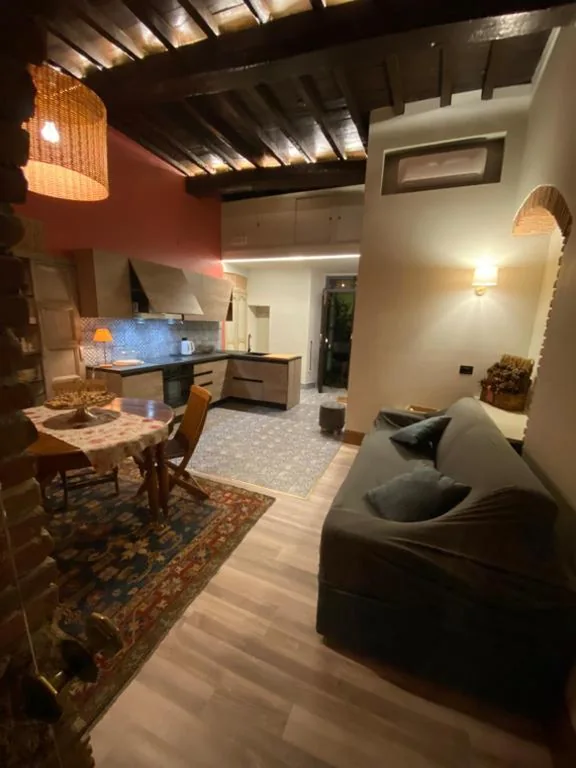
B&B Beata Colomba
A self-contained studio in the historic heart of Rieti, with its own kitchen, air conditioning and free parking a stone’s throw from the town’s squares. The independence of a place in the handiest spot for getting around on foot and setting off towards the sanctuaries. Ideal as a quiet base between town and mountain.
The town and the Holy Valley are in the guide on where to stay in Rieti.
Latina and Circeo
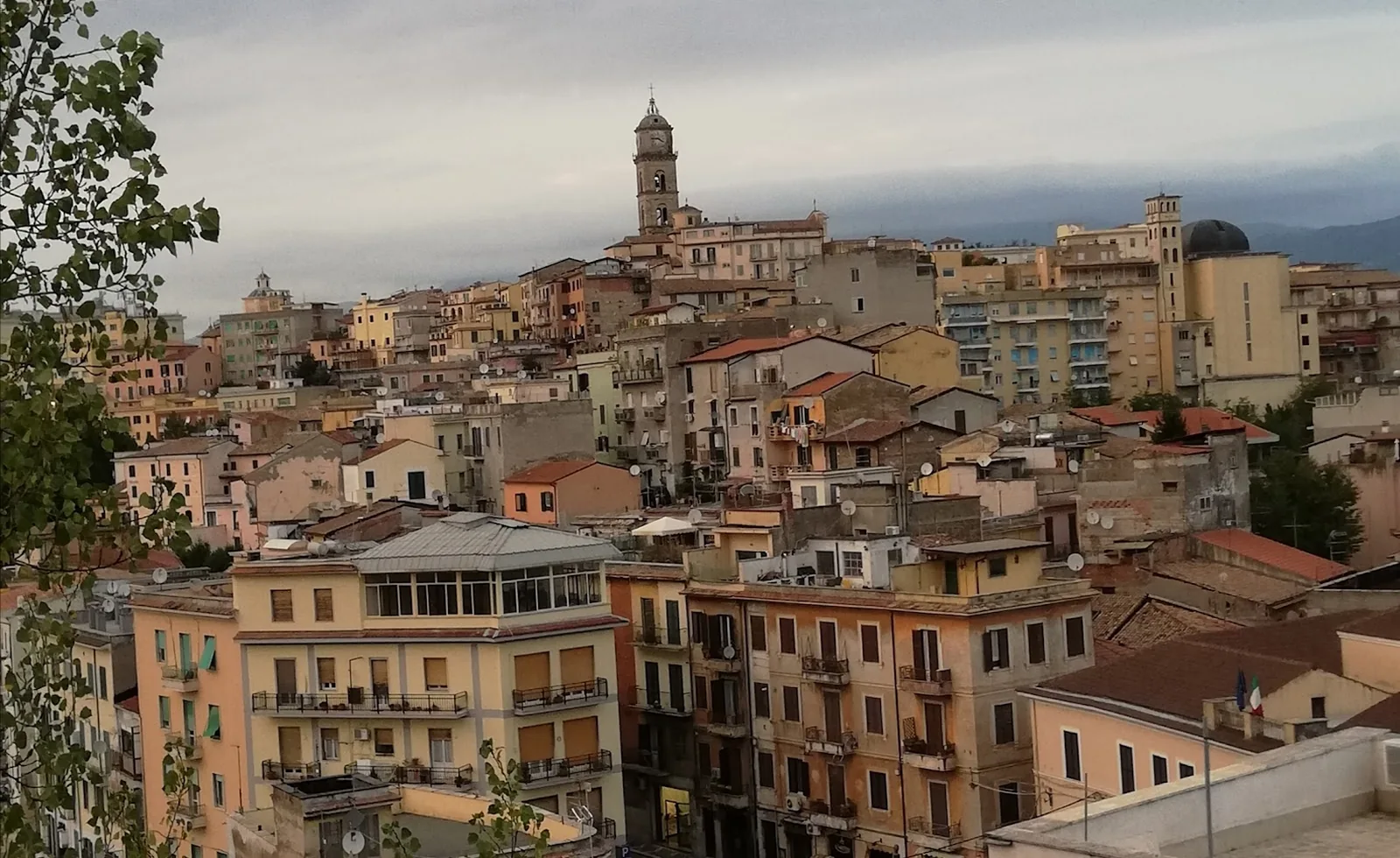
South of the capital, Latina is the young founding town of the Agro Pontino, a practical, affordable base for the Circeo National Park, the Sabaudia beach and the Garden of Ninfa, among the most beautiful in the world. It’s the choice for those who want a handy base camp for sea, nature and gardens, with the services of a town and southern Rome within reach.
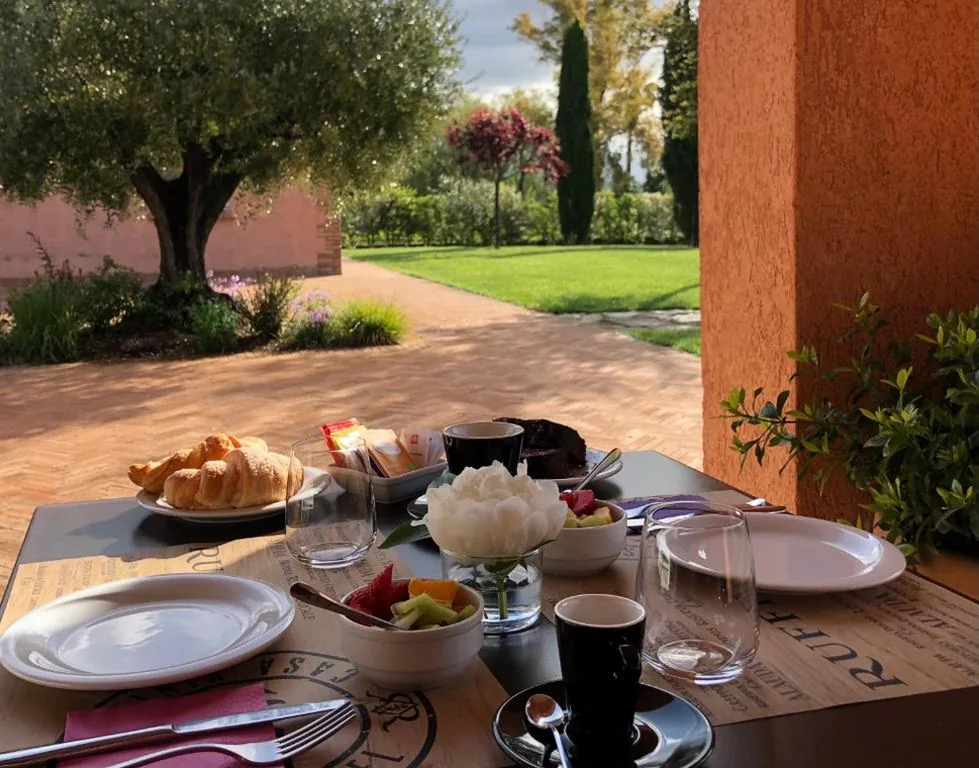
Casale Appia
A bed and breakfast with a garden and a private patio in every room, a few minutes from the Garden of Ninfa and Circeo. The quiet of the Pontine countryside with the independence of your own outdoor space, close to the sights but away from the bustle. Ideal for those heading to sea and nature.
The town and the Circeo coast are in the guide on where to stay in Latina.
Getting around Lazio
Rome is the hub of everything: from here the regional trains leave for Viterbo, Tivoli, Latina, Rieti and Frosinone, and the lines for the coast. For the urban, well-connected destinations — Rome, Tivoli, Viterbo, Lake Bracciano — the train is often the handiest option. For the rest, a car remains precious: Tuscia, the Castelli, Ciociaria and the Holy Valley are made up of small, scattered centres that public transport links poorly. The islands, on the other hand, are reached only by sea, with ferries from Formia and the other Pontine ports.
For the full picture on trains, roads, ferries and getting around, read our guide on getting around Rome and Lazio.
Frequently asked questions
Quick answers to the questions we’re asked most often about where to stay in Lazio.
Where should you stay in Lazio for a first visit?
If it’s your first trip, the natural base is Rome, ideally in a central area within walking distance of the monuments. From there you can reach many of the region’s sights in a day — Tivoli, the Castelli, Lake Bracciano — and then, with more days, move towards the sea, the islands or Tuscia to go deeper.
Which is the best area of Lazio for the sea?
The Riviera di Ulisse in the south, between Sperlonga, Gaeta, Terracina and Fondi, has the finest beaches and lively villages. For a more exclusive sea there are the islands of Ponza and Ventotene, reached by ferry. Those after a practical base near the Circeo Park can instead use Latina.
Can you visit Lazio without a car?
Partly yes: Rome, Tivoli, Viterbo and Lake Bracciano are well connected by train from Rome. For Tuscia, the Castelli Romani, Ciociaria and the Rieti Holy Valley, however, a car is almost essential, as these are small, scattered centres. The islands are reached only by sea.
What are the quietest alternatives to Rome?
Lake Bracciano is the handiest: half an hour from the city, nature and villages on the water, very close to Fiumicino. The Castelli Romani are also a step away and offer greenery, wine and trattorie. For those after spas and relaxation, Fiuggi in Ciociaria is an excellent base an hour and a half from the capital.
How many days do you need to visit Lazio?
For Rome you need at least three or four days. With a week you can pair the capital with a second destination — the sea of the Riviera di Ulisse, Tuscia or the lakes. For a complete tour between city, sea, islands and villages, allow ten days or more, choosing two or three different bases.
When is the best time to go to Lazio?
Spring and autumn are ideal for the city, the villages and the countryside, with mild weather and fewer crowds. Summer is the season of the sea and the islands, but also of the lakes and the cooler Rieti mountains. Winter is perfect for Rome’s art and for the spas of Fiuggi.