Holiday homes
Formia · Lazio
Blumarine Dh
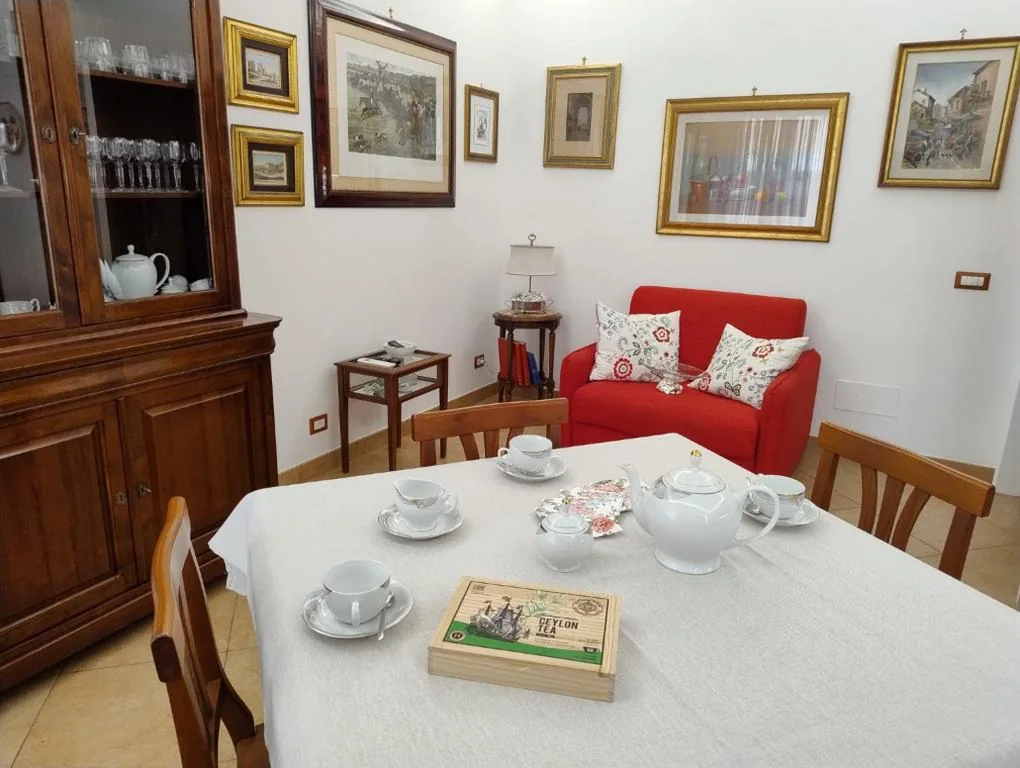
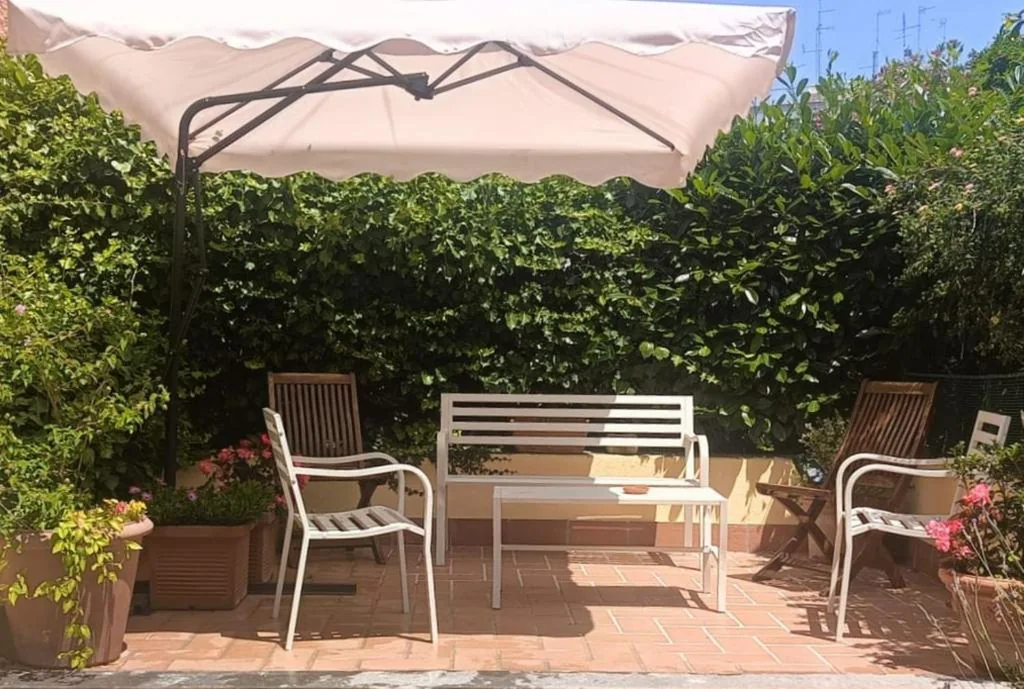
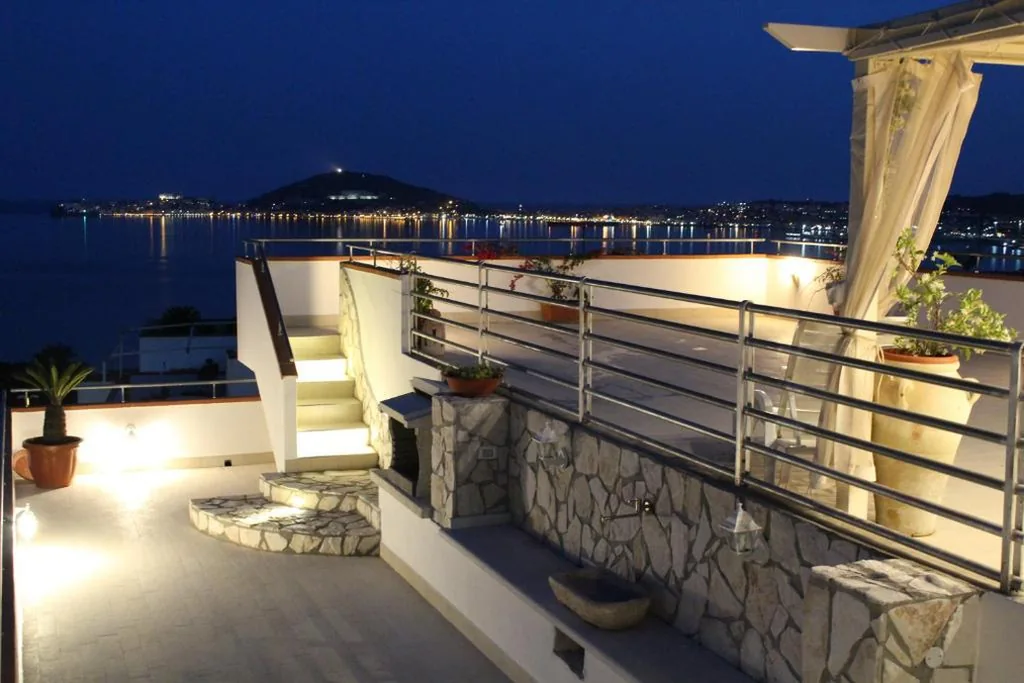
Holiday home in Formia with sea view, terrace and patio, just a short walk from Vindicio Beach, ideal for families and groups of up to six people.
Hotels in region
6.463 properties found
Lazio is the region of Rome, but behind the capital lies a surprisingly varied territory: the hill towns of the Castelli Romani, the beaches of Sperlonga and Gaeta, the Pontine Islands, the thermal springs of Fiuggi and the Renaissance gardens of Tivoli and Viterbo. A region you can cross in a few hours and that changes character at every stop, between sea, Apennines, Etruscan necropolises and small family-run properties.
6.463 properties found
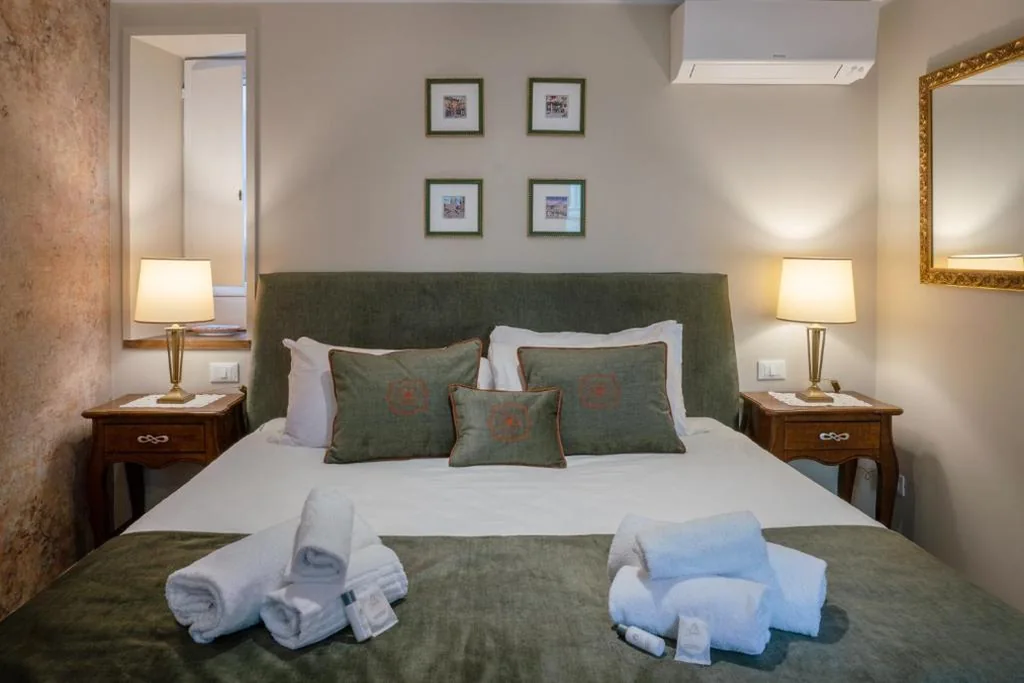
Holiday home in Formia with sea view, terrace and patio, just a short walk from Vindicio Beach, ideal for families and groups of up to six people.
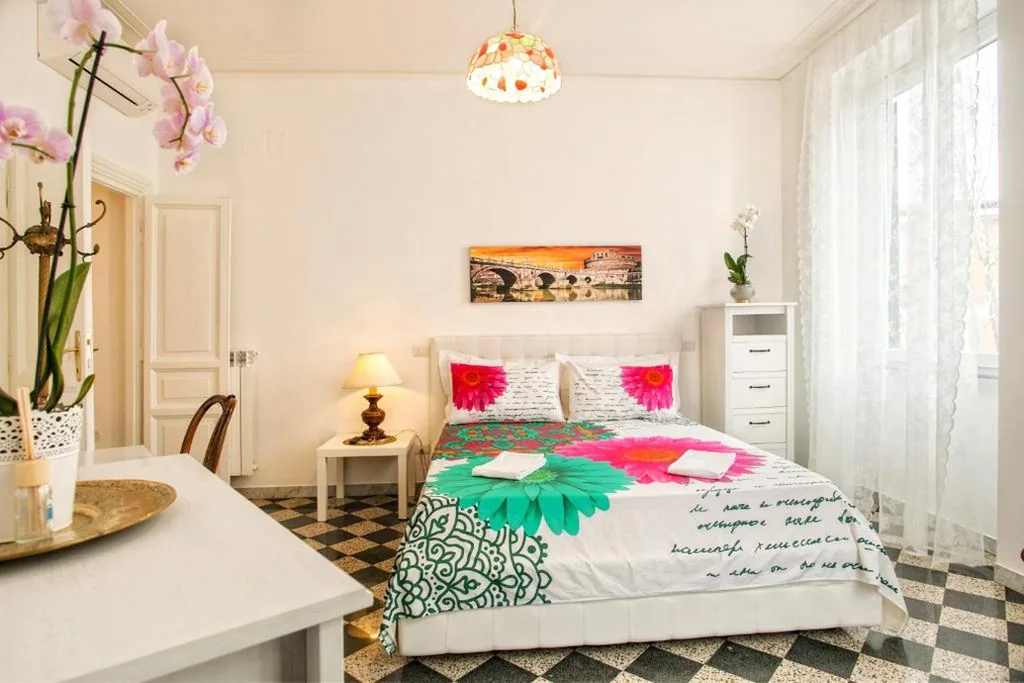
Luxury apartment in the heart of Rome, a short walk from the Pantheon and Trevi Fountain, with balcony, city view and two air-conditioned bedrooms.
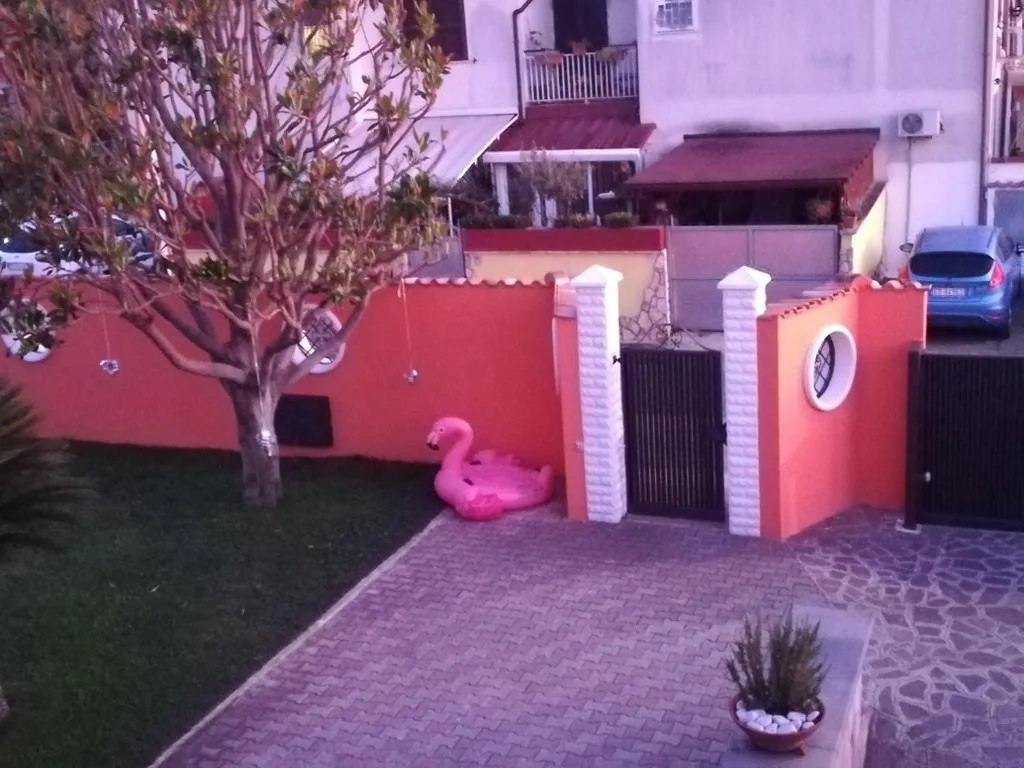
Independent holiday home in Torvaianica with a garden, barbecue and free bicycles, just steps from the beach and from Zoomarine, ideal for families and small groups.
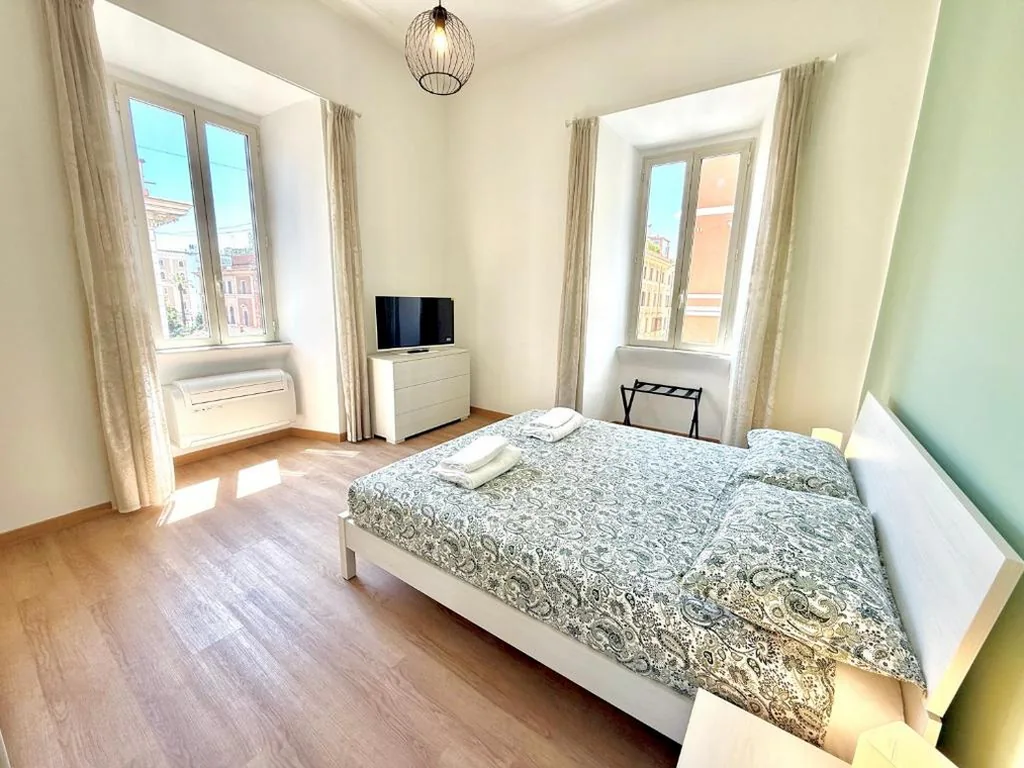
Modern apartment with air conditioning in the Castro Pretorio district, just steps from Termini, with a full kitchen and city views over Rome.
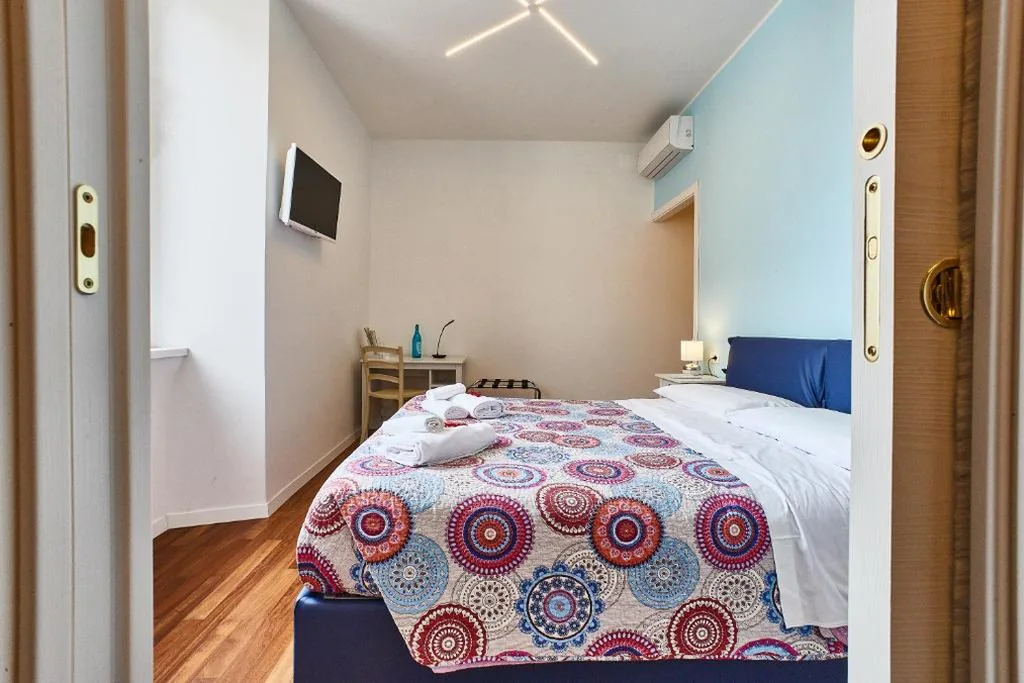
Bed and breakfast in the centre of Civitavecchia, 300 metres from the sea, with free parking and free WiFi, bicycle rental and air-conditioned rooms with city views.
Independent holiday home in the San Giovanni district of Rome, with a full kitchenette, air conditioning and excellent metro connections to the historic center.
Independent holiday home in the San Giovanni district of Rome, with garden, fully equipped kitchenette and just steps from the metro.
Bed & breakfast in the Prati district of Rome, just a short walk from the Vatican Museums, with air-conditioned rooms, a balcony in some room types, and Italian breakfast served every morning.
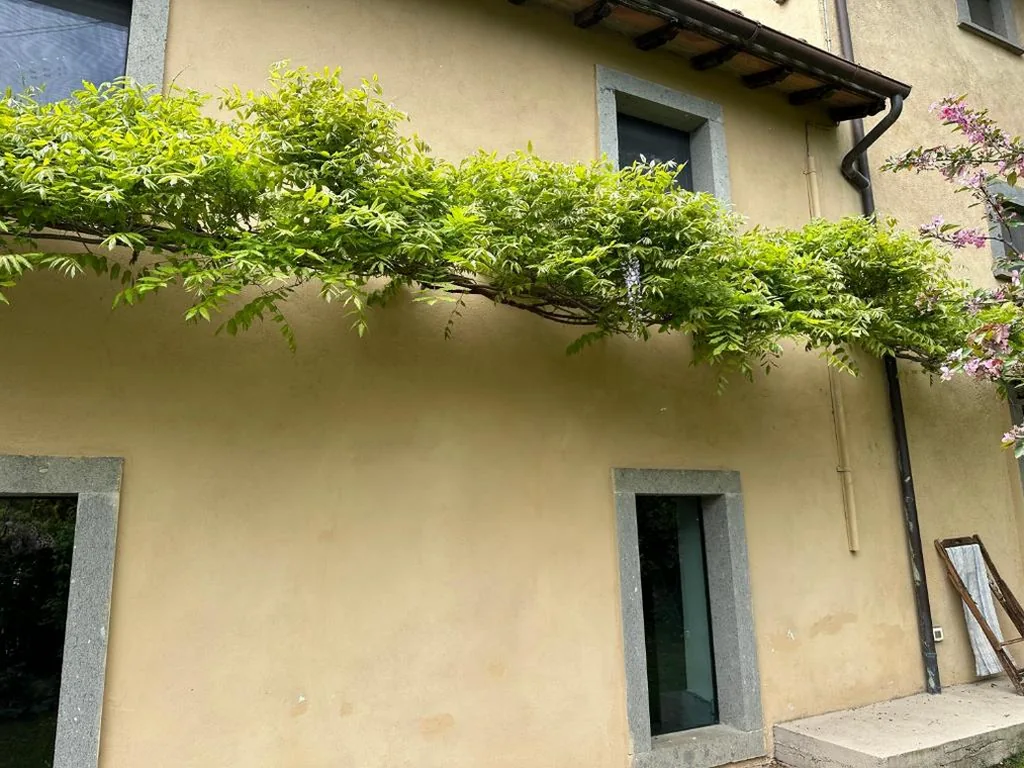
Independent holiday home in Montefiascone, with panoramic terrace, full kitchen and views over Lake Bolsena, ideal for couples seeking tranquility in the heart of Lazio.
Lazio packs into just over seventeen thousand square kilometres a density of history with few parallels: from the Etruscan necropolises of Tarquinia and Cerveteri, both UNESCO World Heritage Sites, to imperial Rome, from the medieval abbeys of Ciociaria to the planned towns of the 1930s. Added to this layering is a geography that descends in less than a hundred kilometres from the two thousand metres of Monte Terminillo to the Tyrrhenian beaches, passing the volcanic lakes of Bracciano, Bolsena and Vico. This variety makes it possible to build very different itineraries without ever covering long distances, and it is mirrored in an equally varied choice of places to stay: alongside the concentration in Rome, the region has properties in inland villages, along the coast and in the spa towns, often in restored historic buildings.
With the widest choice in the region, Rome offers something for every kind of stay: small hotels in historic districts such as Monti and Trastevere, bed & breakfasts in the nineteenth-century buildings of the Esquilino, apartments in residential neighbourhoods served by the metro. What matters is not so much the category as the location: staying inside the Aurelian Walls means reaching most of the monuments on foot, while the areas just outside offer lower prices in exchange for twenty minutes on public transport. First-time visitors tend to favour the historic centre; those returning often discover districts such as Ostiense, Pigneto or Garbatella.
Half an hour by train from Tiburtina station, Tivoli holds two UNESCO sites a short distance apart: Villa d’Este, inscribed on the UNESCO list in 2001 and famous for its Viale delle Cento Fontane and the Fontana dell’Ovato, and Villa Adriana, the residence built by the emperor Hadrian in the second century. To the south, the Castelli Romani string together villages overlooking the volcanic lakes of Albano and Nemi, with a food and wine tradition tied to the wines of the hills. Towards the coast, Ostia Antica preserves the archaeological site of Rome’s ancient port, where streets, baths and warehouses can still be read in their original urban layout.
Tuscia, as the northern part of the region is known, is a volcanic plateau dotted with stretches of water: Lake Bolsena, which at 114 square kilometres is the largest volcanic lake in Europe, with the islands of Bisentina and Martana; Lake Bracciano, where a 1987 regional law bans internal combustion engines and the shores preserve the villages of Anguillara Sabazia and Trevignano Romano; and Lake Vico, enclosed within a nature reserve. This is where Etruscan civilisation left its most imposing traces: the painted tombs of Tarquinia and the Banditaccia necropolis at Cerveteri together form a UNESCO site documenting more than six centuries of pre-Roman history. The same area holds the Mannerist gardens of Bomarzo, with their sixteenth-century sculptures carved into the rock, and the village of Civita di Bagnoregio, reachable only on foot across a footbridge suspended over the eroded badlands. These are places still largely untouched by mass tourism, where accommodation is mostly small and family-run.
The Lazio coastline alternates long sandy stretches with rocky headlands. Gaeta combines the sanctuary of the Montagna Spaccata, built inside a cleft in the rock, with the town beach of Serapo; Sperlonga is the whitewashed village perched above the cave where Tiberius had built a seaside villa, now an archaeological museum. Offshore, Ponza preserves coves reachable only by sea and a Mediterranean architecture that has remained almost intact, while the Circeo National Park protects coastal dunes, brackish lakes and the last lowland forest of the Pontine plain. In the same area, Latina retains the Rationalist layout with which it was inaugurated in December 1932 under the name of Littoria, at the end of the Pontine Marshes reclamation.
Viterbo preserves in its San Pellegrino quarter one of the best-conserved medieval fabrics in Europe, along with the Palazzo dei Papi and free thermal springs open all year round. Fiuggi owes its reputation instead to its mineral waters, used since the Middle Ages and around which a spa tradition still active today has developed. Further east, Rieti is the gateway to the Valle Santa, the route linking the four Franciscan sanctuaries, and a base for Monte Terminillo. Frosinone completes the picture, a starting point for the Cistercian abbeys of Casamari and the Trisulti charterhouse.
The regional rail network makes Lazio easy to travel without a car for the main destinations, while the southern coast and the interior are more comfortably reached by road; ferries to the Pontine Islands leave from Formia, Terracina and Anzio. Spring and autumn suit Rome and the inland villages best, while the coast and the islands are at their finest between June and September. Travelling out of season means noticeably lower prices even in Rome, where demand concentrates between April and June and over the Christmas period. To plan your journeys we have gathered timetables, connections and practical advice in our guide on getting around Rome and Lazio, and a full overview in our guide on where to stay in Lazio. To explore individual destinations you can start from the pages for Rome, Viterbo and Gaeta.