Holiday homes
Valdobbiadene · Veneto
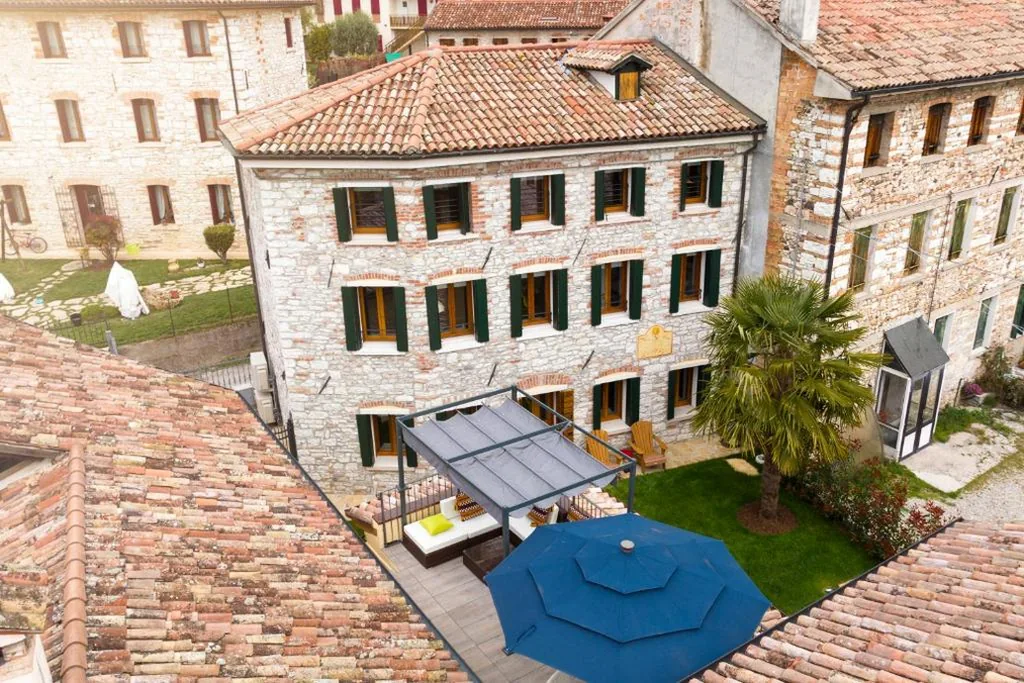
Alilandia – Casa Vacanza
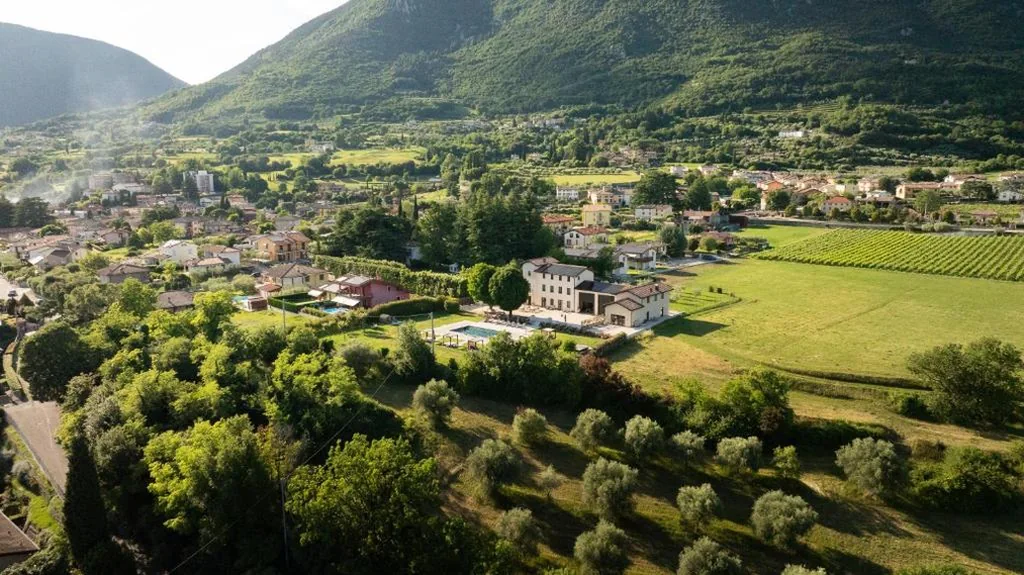
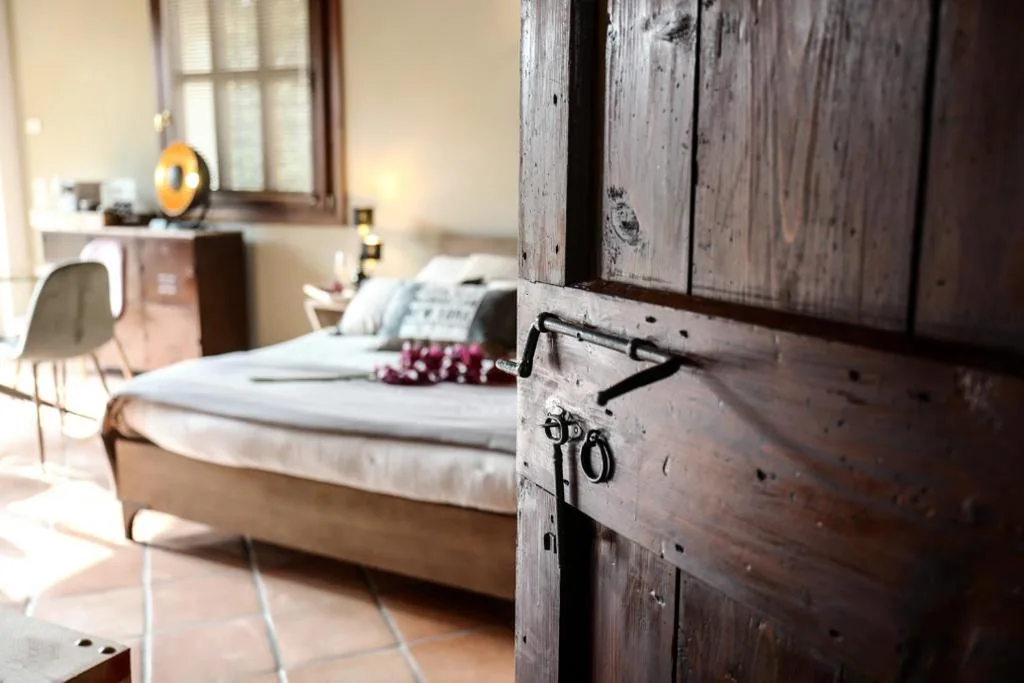
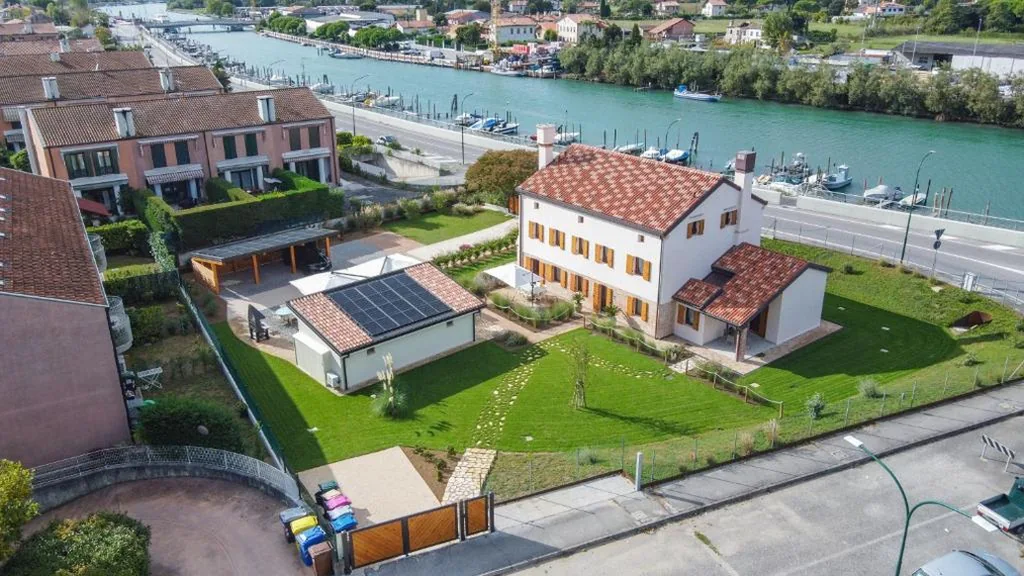
Alilandia - Casa Vacanza is an independent residence in Valdobbiadene with a private garden, covered patio, terrace overlooking the hills, fully equipped kitchen and free parking.
Hotels in region
3.361 properties found
Veneto holds nine UNESCO sites, more than any other Italian region: Venice and its lagoon, Verona, Vicenza with Palladio's villas, the botanical garden of Padua, the Dolomites and the Prosecco hills. In between lie Lake Garda, the Adriatic beaches and the spas of the Euganean Hills.
3.361 properties found
Alilandia - Casa Vacanza is an independent residence in Valdobbiadene with a private garden, covered patio, terrace overlooking the hills, fully equipped kitchen and free parking.
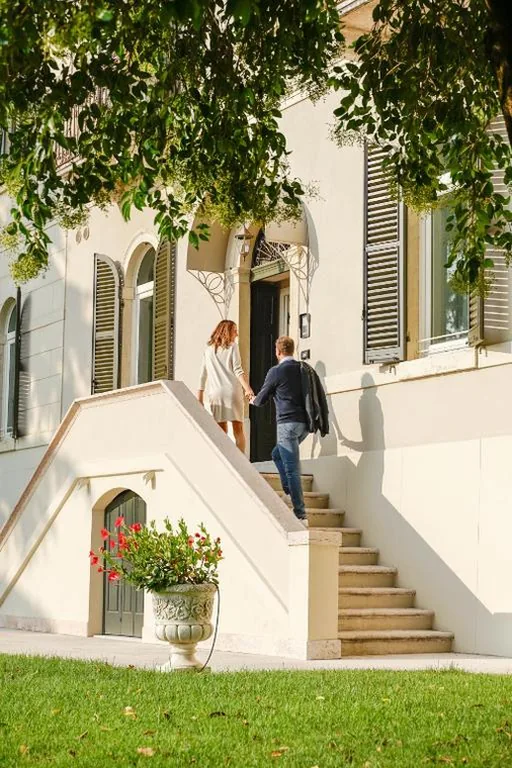
Residenza Palazzo Poste is a refined guest house located in the historic centre of Verona, a few steps from Juliet's House, offering spacious suites equipped with a hot tub.
Exclusive adults-only Bed and Breakfast in Caprino Veronese, featuring a mountain-view pool, sauna, fitness centre, and free private parking a short distance from Lake Garda.
Adults-only bed and breakfast in Sant'Ambrogio di Valpolicella featuring a garden, private parking, and free WiFi connection, ideal for fully relaxing stays.
Charming bed & breakfast in Valeggio sul Mincio, near Borghetto, featuring luxurious suites equipped with private saunas, free WiFi, and parking.
Welcoming Bed & Breakfast with garden in Treviso, featuring free private parking, air-conditioned accommodation and WiFi, ideal for exploring Veneto.
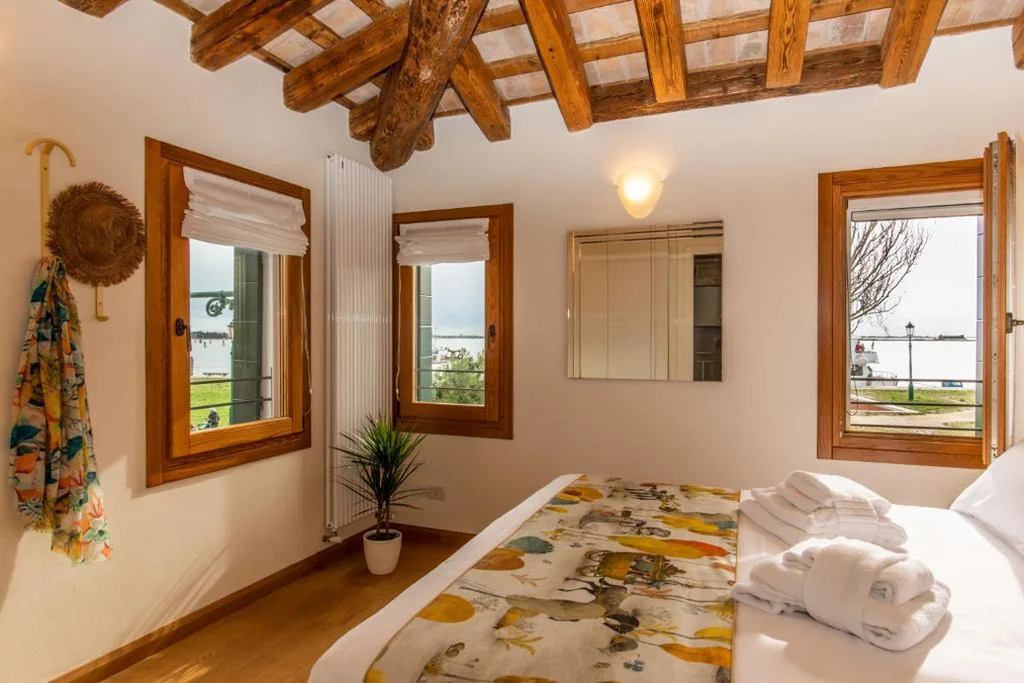
Welcoming independent 44 m² holiday home in the heart of Burano Island, featuring canal views, a fully equipped kitchen, and modern finishes a short distance from Venice.
Alla Rocca Storica is a holiday home complex in Cavallino-Treporti, featuring a garden, barbecue, private parking, and self-catering apartments with air conditioning.
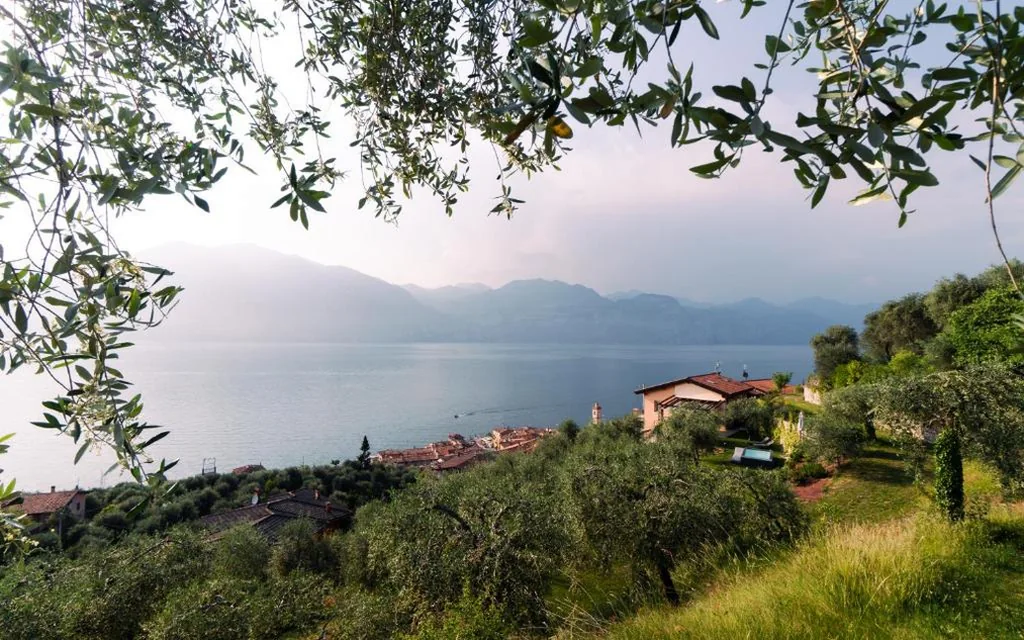
Holiday home in Brenzone sul Garda directly facing the lake, offering independent apartments with kitchen, terrace, garden, WiFi, and free private parking.
No Italian region gathers so many UNESCO listings: there are nine, and they cover every kind of landscape and period. The territory explains why: from the Dolomite peaks you descend to the plain, then the lagoon and finally the sea, and each band has produced a civilisation of its own. The Venetian Republic held this mosaic together for eight centuries, leaving villas, fortifications and an urban imprint recognisable everywhere. To the nine sites are added two intangible heritage listings: the art of glass beads, a Venetian and Murano tradition, and Tocatì, the programme devoted to traditional games. The lake shores too preserve far older traces, with the prehistoric pile-dwelling sites inscribed in 2011.
Venice and its lagoon were the first Veneto site inscribed, in 1987. The city needs no introduction, but it poses a practical problem: where you stay radically changes both cost and experience, between the historic centre, the islands, Mestre and the mainland. We address exactly this in our guide on where to stay to visit Venice, while for the city itself there is where to stay in Venice. Southwards the lagoon continues to Chioggia, which keeps the layout of a small Venice with its fishing port still working.
Verona, inscribed in 2000, combines the Roman Arena with a compact medieval centre. Vicenza is a case apart: the city and twenty-four villas designed by Andrea Palladio across six provinces form a single site inscribed between 1994 and 1996; Vicenza alone holds twenty-three Palladian buildings. Padua has two: the botanical garden of 1545, the world’s oldest university garden, recognised in 1997, and the fourteenth-century fresco cycles — Giotto at the Scrovegni Chapel and the other masters — listed in 2021. The picture is completed by Treviso, crossed by the channels of the Sile, and Bassano del Grappa with its covered bridge.
Between the sixteenth and eighteenth centuries the Venetian patrician families built hundreds of villas inland, not merely leisure residences but the centres of farming estates: capital that the sea no longer made safe was invested in the mainland. The Riviera del Brenta, along the canal linking Padua to the lagoon, strings dozens of them together and can be travelled by boat as eighteenth-century Venetians did. Twenty-four of them, those designed by Palladio, form part of the UNESCO listing; many others can now be visited or have become places to stay.
Since 2019 the Prosecco hills of Conegliano and Valdobbiadene have been World Heritage as a cultural landscape: grassy terraces and ciglioni drawing a chequerboard across steep slopes, the result of centuries of labour. They are not the only ones: Valpolicella produces Amarone and Soave its whites, while the Berici and Asolani hills complete a picture covered in where to stay in the wine hills. These are areas where much of the accommodation occupies restored farmhouses and wineries, often with tastings included, and where a car helps in reaching the ridge-top villages.
The Dolomites, inscribed in 2009, include in the Belluno area some of the most famous peaks, from the Tre Cime di Lavaredo to the Marmolada. Cortina d’Ampezzo is the best-known centre, with a tradition going back to the 1956 Olympic Games: we cover it in where to stay in Cortina and the Dolomites. Around it open the Agordino, the Cadore, the Val di Zoldo and the Asiago plateau, less frequented and cheaper.
The Veneto shore of Lake Garda strings together Bardolino, Lazise and Peschiera, the last of these part of the UNESCO site of Venetian defence works inscribed in 2017. Along the Adriatic follow the resorts from Bibione to Sottomarina, with their serviced beaches: the picture is in where to stay on the Veneto coast. Inland from Padua, the Euganean Hills combine volcanic relief with one of Europe’s oldest thermal basins, exploited since Roman times.
The rail network links Venice, Padua, Vicenza and Verona within little more than an hour in total, making it possible to visit them all while staying in just one. The airports of Venice, Treviso and Verona serve the whole region: options for those arriving by air are in where to stay near the airports. Spring and autumn suit the cities and hills best, summer the sea and mountains, winter the Dolomites and Venice without the crowds. Details on connections in how to get to Veneto and a full overview in where to stay in Veneto.