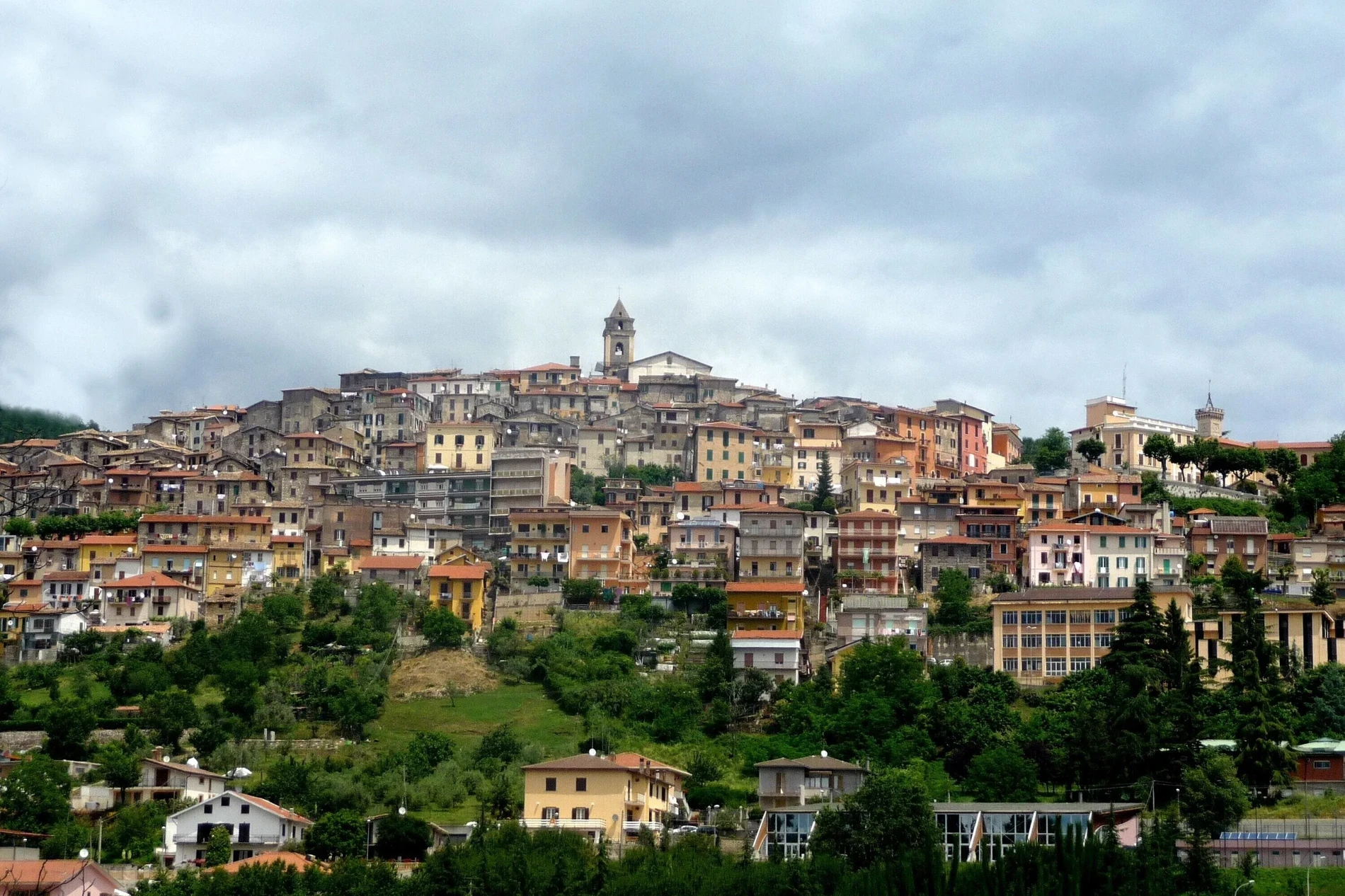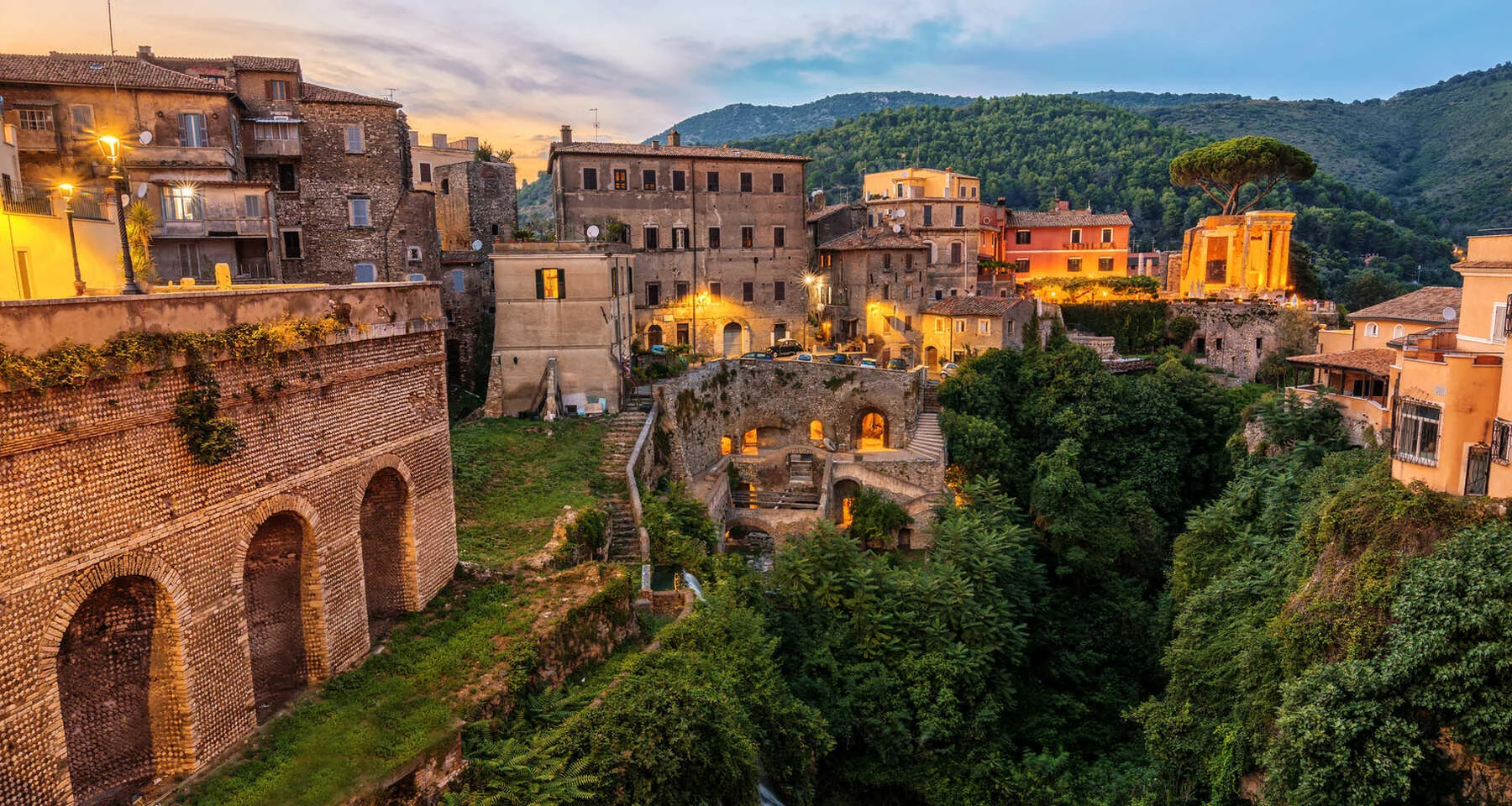

Tivoli is half an hour from Rome, which is why almost everyone rushes through it in a single day. That’s a shame: here you’ll find two UNESCO World Heritage villas — the monumental gardens and fountains of Villa d’Este and the vast residence of the emperor Hadrian — plus a third marvel, the Villa Gregoriana park with its great waterfall. Sleeping here changes everything: you visit the villas on your own schedule, dodge the crowds and discover a town that’s alive in the evening too. The addresses we choose one by one, never by hearsay.
The Villae of Tivoli draw more than 700,000 visitors a year and rank among the ten most-visited state sites in Italy, setting new records in 2024. Those numbers explain why it pays to arrive early or stay until evening, when the light turns golden and the gardens empty out — and the easiest way to do that is to have your room a few steps away.
The old town: sleeping a short walk from Villa d’Este
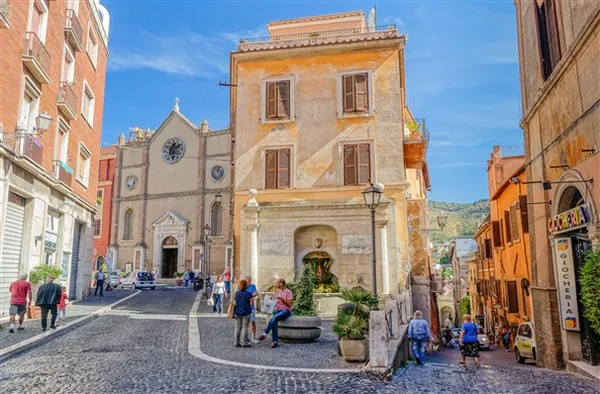
The heart of Tivoli is a maze of climbing lanes tightening around Villa d’Este and the cathedral square. Everything is on foot: from most of the old-town places you reach the villa’s entrance in a few minutes, and the train station for Rome is within walking distance. Staying here means being right inside the visit the moment you step out the door.
In the evening, once the tour groups have left, the centre changes character: what remains are the trattorie, the views over the Aniene valley and the quiet of the peperino-stone lanes. It’s the Tivoli the day trip never sees. Here are the addresses we choose among the streets of the old town:
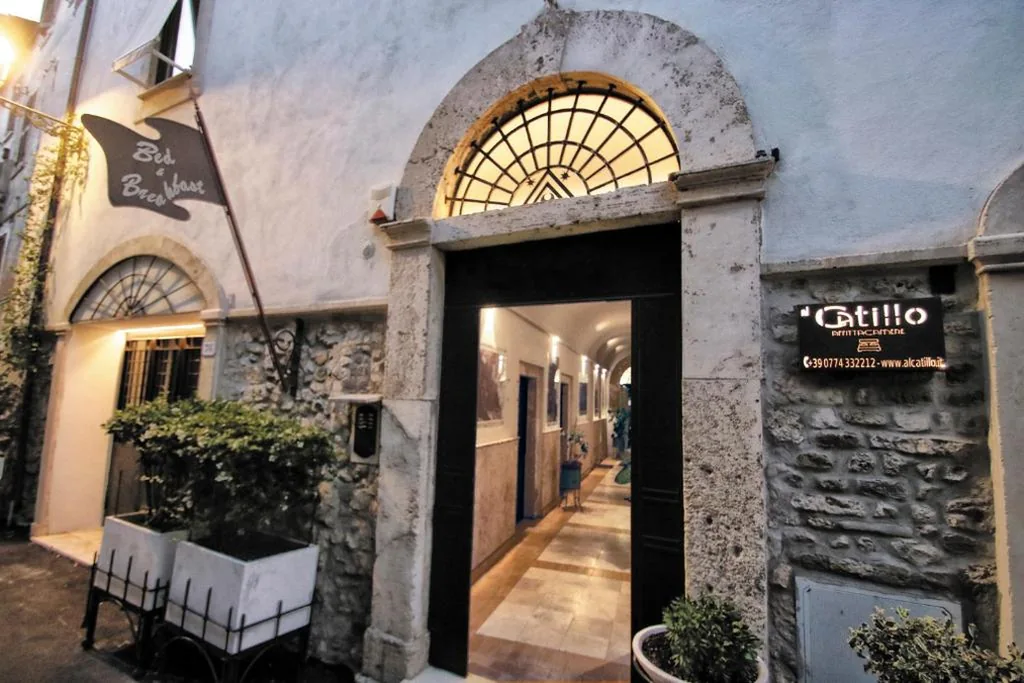
B&B Al Catillo 1600
A historic residence in the centre, with a terrace, air-conditioned rooms and an à la carte breakfast, a short walk from Villa d’Este and the station. You sleep inside a period building and you’re already in the middle of the visit the moment you step out. Ideal for those who want the heart of the town with the trains to Rome on the doorstep.
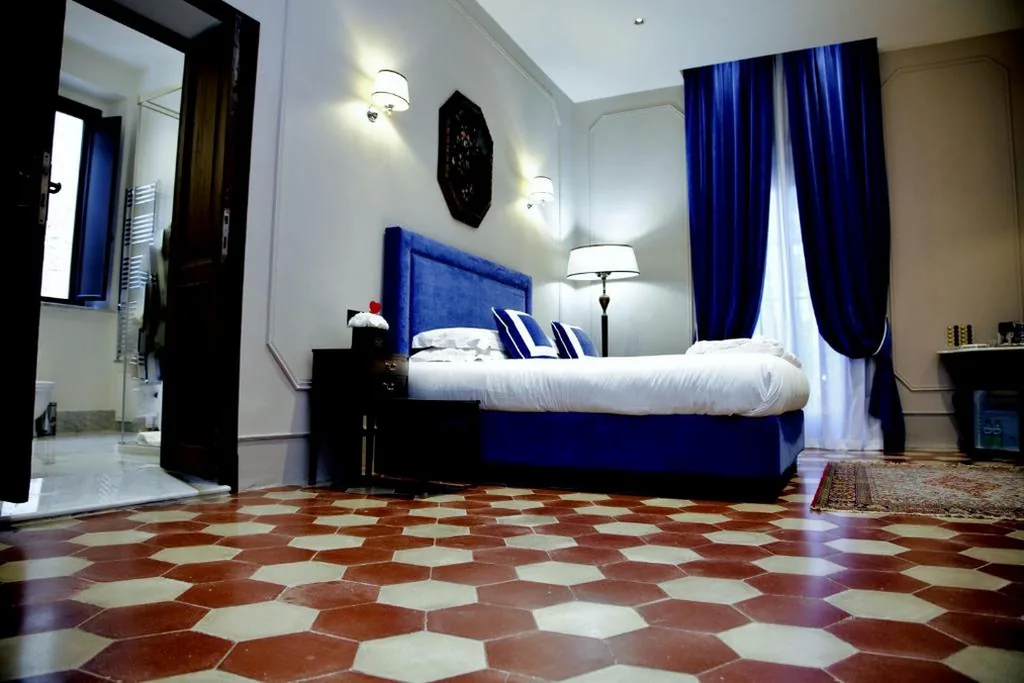
Palazzo Papa Gregorio XVI
An elegant guest house in the old town, a short walk from Villa d’Este, with air-conditioned rooms, free WiFi and a shuttle service. The polished feel of a refined residence in the handiest spot for the visit. Perfect for a couple who want gracious rooms without giving up the location.
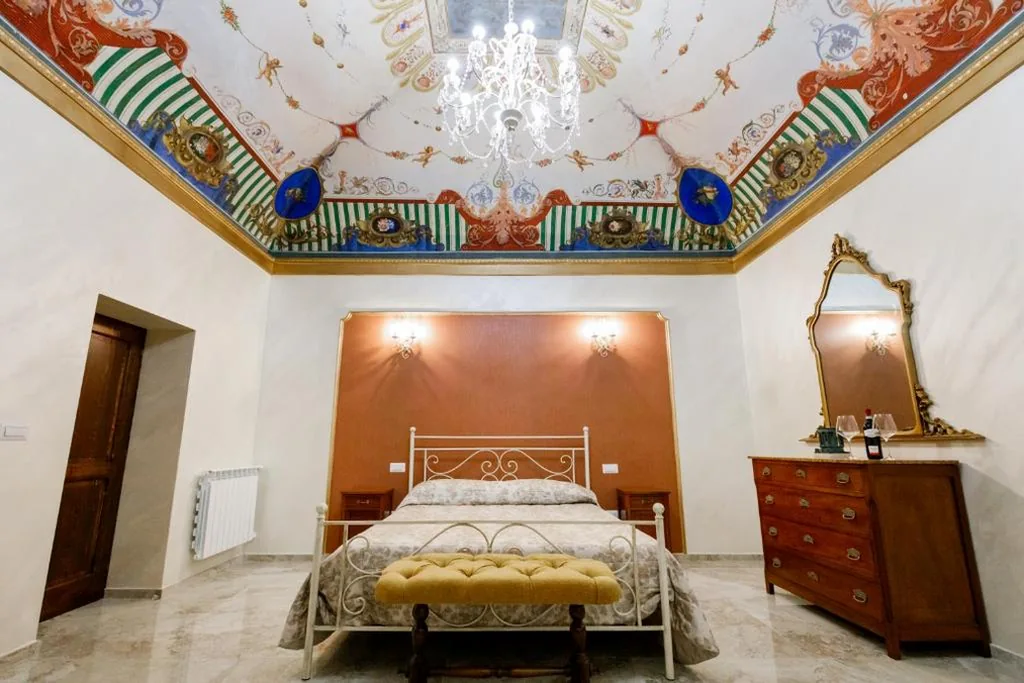
Residenza Carlandi
A short walk from Villa d’Este, a bed and breakfast with panoramic suites, a hydromassage tub and an Italian breakfast in a historic building. The view over the town and a touch of relaxation after a day among the gardens. Great for those after a romantic escape in the heart of Tivoli.
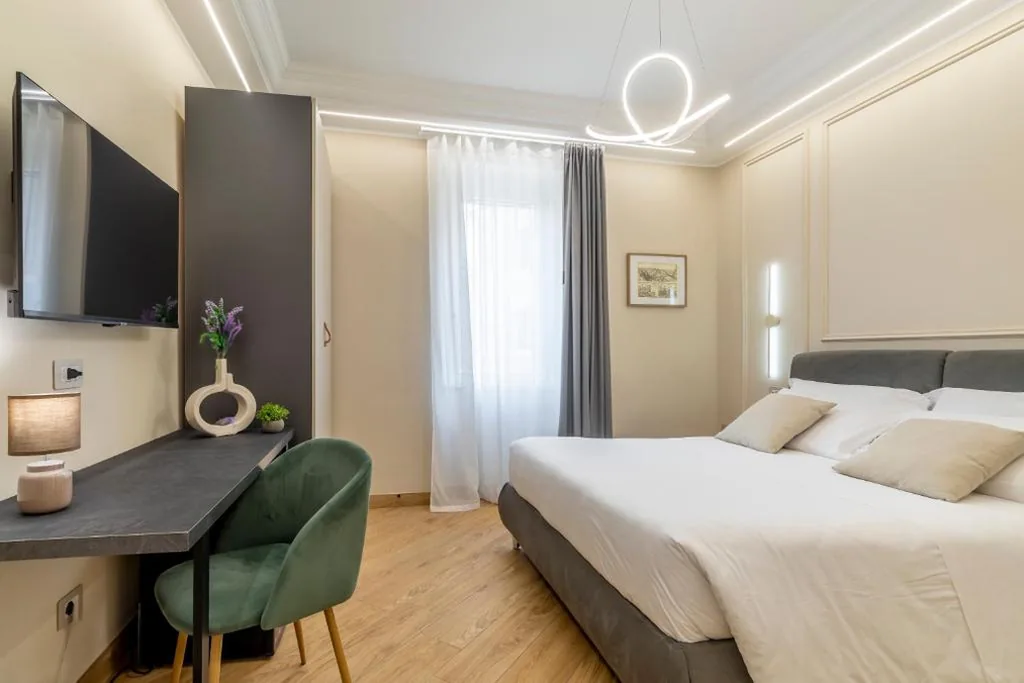
Mom Apartment Rooms&Suites
In the heart of Tivoli, air-conditioned rooms and suites fitted with a kitchenette, a short walk from Villa d’Este and the old town. The flexible option for those who want independence and their own rhythm while staying on foot from everything. Handy for longer stays and for anyone who prefers their own breakfast.
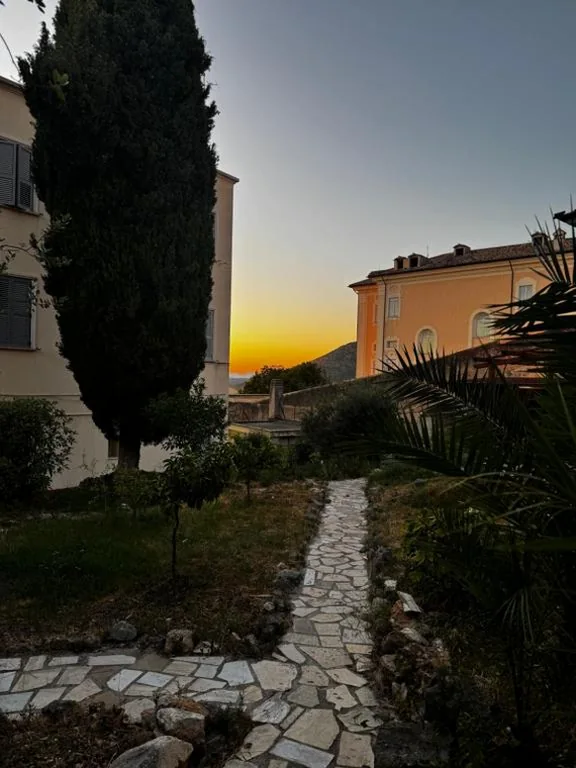
La Terrazza
A bed and breakfast with a private terrace in every room, a shared garden and a view of Villa d’Este, a few minutes on foot from the old town. Breakfast in the morning with the villa right in front of you: a detail that makes the difference. Perfect for those who put the view first.
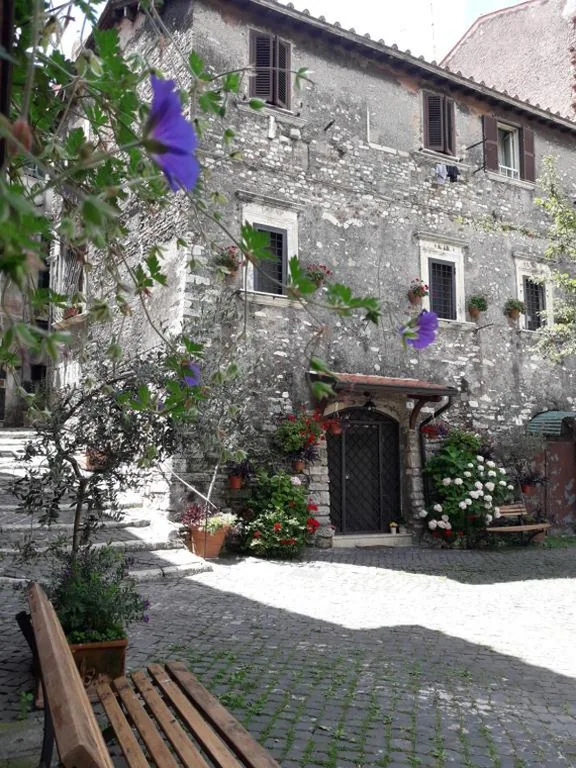
La dimora del ghibellino
A house with views over the town and the mountains, a panoramic terrace and a full kitchen, ideal for families and groups. The space of a home all to yourself, with the panorama framing your morning. A great base for those staying several days who want to explore the villas and the surroundings by car.
All the small hotels in Tivoli →
The two UNESCO villas: Villa d’Este and Hadrian’s Villa
They’re the reason you come to Tivoli, and on their own they’re worth the stay. Villa d’Este, right in the centre, is a Renaissance masterpiece: a sloping garden shaped by hundreds of fountains, water displays and the famous Avenue of the Hundred Fountains. It’s spectacular early in the morning, when the light comes in low and the water sparkles, or in the late afternoon, once the tour groups have gone.
A few kilometres away, on the plain, spreads Hadrian’s Villa: the residence the emperor Hadrian had built in the 2nd century, a whole city of palaces, baths, theatres and reflecting pools set among olive trees. It’s enormous and needs time: allow at least half a day. Having your room in Tivoli lets you give each villa its own moment, without the race against the last train.
Villa Gregoriana, the waterfall and Subiaco
There’s a third gem, often overlooked: the Villa Gregoriana park, a property of the FAI trust, a green ravine where the Aniene plunges down in a great waterfall inside a gorge carved into the rock. Trails, caves and dizzying viewpoints a stone’s throw from the centre: a good hour of pure nature.
Those with a car and a few extra days can push on to Subiaco, further inland, with the Benedictine monasteries of San Benedetto — clinging to the rock above the Aniene — and Santa Scolastica, the cradle of Western monasticism. If you’re planning a wider itinerary around the capital, take a look too at where to stay in the Castelli Romani.
When to go
Spring and autumn
The best seasons: mild weather for walking among the gardens and gorges, lovely light for the fountains and more manageable crowds. In spring the flowerbeds of Villa d’Este are at their best; in autumn the colours of the Villa Gregoriana park are a show in themselves.
Summer
In summer the villas fill up around midday and the heat makes itself felt: here, sleeping on the spot is a double advantage, because it lets you visit at opening time or in the late afternoon, skipping the middle of the day. The evenings are pleasant and the cool of the gardens’ water helps.
Winter
A quiet town and low prices, with some places closed for the season. The villas stay open on reduced hours: it’s worth checking days and times before you set off, as they change through the year.
Getting here
By train, Tivoli is linked to Rome by frequent regional services: perfect for arriving in the centre with no parking worries, with the station a few minutes on foot from the old-town places.
By car, you arrive from Rome on the A24 motorway or the Via Tiburtina; a car is almost essential for reaching Hadrian’s Villa comfortably and, above all, for pushing on to Subiaco and the more inland surroundings. In town it’s best to pick a place with parking, as the old town is steep and short on space.
For the full picture on trains, roads and getting around the region: getting around Rome and Lazio. And if you’re arriving from the capital, here’s where to stay in Rome.
This guide is part of our grand tour of the region: discover all the destinations and areas in Where to Stay in Lazio.
Frequently asked questions
Quick answers to the questions we’re asked most often about where to stay in Tivoli.
Is it worth staying overnight in Tivoli rather than doing a day trip from Rome?
Yes, if you want to visit the two UNESCO villas at a relaxed pace. Villa d’Este and Hadrian’s Villa together ask for more than half a day, and by sleeping on the spot you can see them at opening time or in the late afternoon, once the tour groups have left. You also discover a town that’s alive in the evening too, which the hit-and-run day trip never sees.
Which is the best area to stay in Tivoli?
The old town, a short walk from Villa d’Este and from the train station for Rome: everything on foot, a period atmosphere and trattorie on the doorstep. It’s the choice we recommend for a first time in Tivoli, especially if you arrive by train and want to get around without a car.
How much time do I need to visit Villa d’Este and Hadrian’s Villa?
A couple of hours are enough for Villa d’Este, while Hadrian’s Villa needs at least half a day because it’s enormous. Adding the two villas together, and perhaps the Villa Gregoriana park, a stay of one or two nights is the ideal formula so you don’t have to rush.
Do I need a car in Tivoli?
For the old town and Villa d’Este, no: you arrive comfortably by train from Rome and get around on foot. A car becomes useful for reaching Hadrian’s Villa without hassle and, above all, for pushing on to Subiaco and the more inland surroundings. In that case, choose a place with parking.
When is the best time to go to Tivoli?
Spring and autumn are the best seasons for weather, light and more manageable crowds. In summer it’s best to visit the villas early or in the late afternoon to avoid heat and queues; winter is quiet and cheap, bearing in mind reduced opening hours at the sites and some places closed.